


How Do We Hear: From Sound Waves to Meaningful Sound to Hearing Sensitivity and loss

Hearing is one of our most remarkable senses, allowing us to connect with people, nature, music, and the world around us. What feels effortless is actually a complex, finely tuned process involving the ear and the brain working together in perfect harmony.
Let’s explore how sound travels from the environment to your mind—and just how sensitive human hearing truly is.
1. The Outer Ear: Collecting Sound
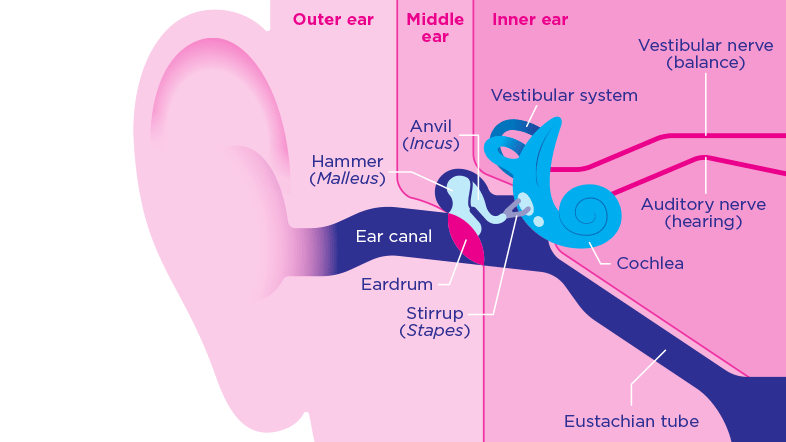
Sound begins its journey at the outer ear, which acts like a natural funnel.
Pinna (Auricle)
The visible part of the ear captures sound waves and directs them inward.
Ear Canal
This narrow passage channels sound waves toward the eardrum, concentrating the vibrations for the next stage.
2. The Middle Ear: Amplifying Vibrations
Eardrum (tympanic membrane)
Once sound waves reach the eardrum (tympanic membrane), they cause it to vibrate.
Ossicles
Three tiny bones—the malleus, incus, and stapes—amplify these vibrations and efficiently transmit them to the inner ear. Despite their small size, these bones play a critical role in making quiet sounds audible.
3. The Inner Ear: Converting Sound to Signals
Oval Window
The stapes delivers vibrations to this membrane, passing energy into the inner ear.
Cochlea
This fluid-filled, snail-shaped structure transforms vibrations into waves that move microscopic hair cells.
Hair Cells
These delicate cells convert mechanical movement into electrical nerve impulses—a process known as transduction.
4. The Brain: Making Sense of Sound
Auditory Nerve
Electrical signals travel along this nerve to the brain.
Auditory Cortex
Here, the brain interprets the signals, allowing you to recognize speech, enjoy music, and identify everyday sounds.
Interesting Fact:
Our ears and eyes don’t always agree. When you see lightning and hear thunder, the sound always arrives later. This is because light travels much faster than sound, so your eyes register the flash before your ears detect the thunder.

How Sensitive Is Human Hearing?
Human hearing is astonishingly sensitive. We can detect sound pressure variations over a million-to-one range, from the faintest whisper to painfully loud noise.
- Quietest sounds: Around 0 decibels (dB)
- Pain threshold: Around 120 dB
- Most sensitive frequencies: 2,000–5,000 Hz, the range of the human voice
- Overall hearing range: 20 Hz to 20,000 Hz (which narrows with age)
The ear can detect air pressure changes smaller than a billionth of atmospheric pressure, responding to vibrations as tiny as the diameter of an atom. This incredible sensitivity helps us hear subtle sounds—but also makes our ears vulnerable to damage.
Key Aspects of Hearing Sensitivity
- Dynamic Range: From near silence to sounds that cause physical pain.
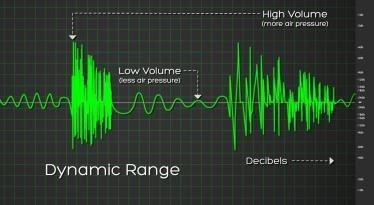
- Frequency Sensitivity: Mid-range sounds seem louder than low or very high frequencies at the same intensity.
- Audible Range: Gradually decreases with age, especially for high-pitched sounds.
- Microscopic Detection: The ear responds to extraordinarily tiny vibrations.
Factors That Affect Hearing Sensitivity and Hearing Loss
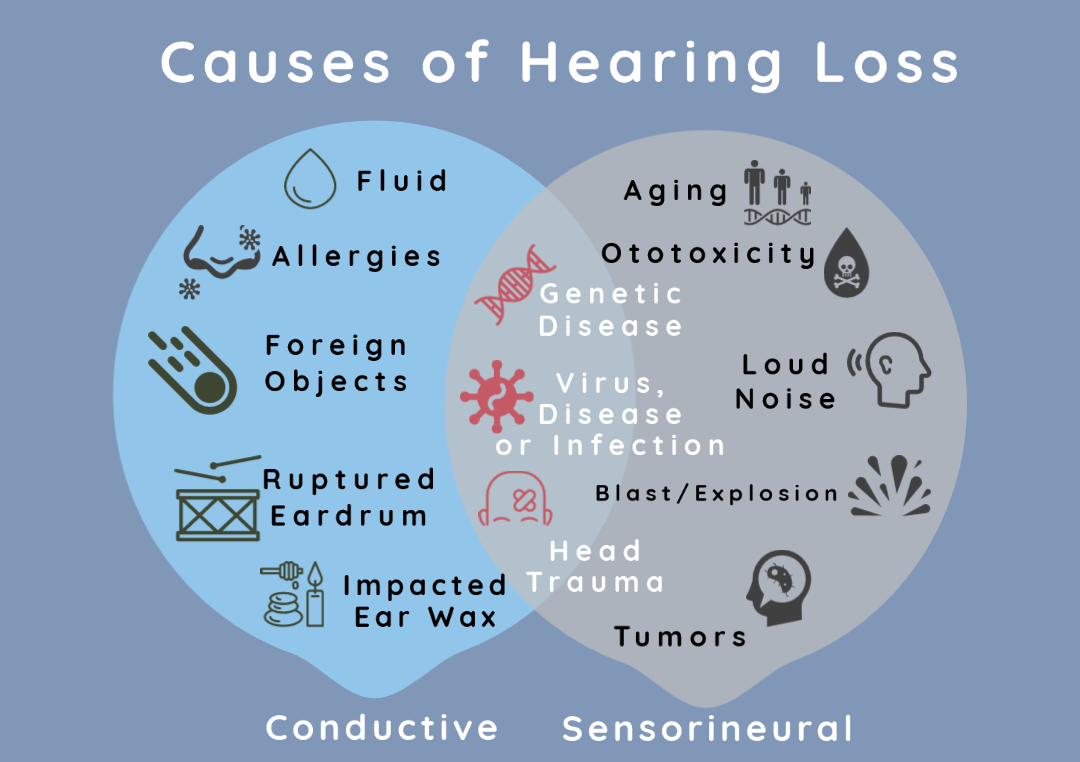
- Age: High-frequency hearing loss (presbycusis) is common over time.
- Genetics & Development: Genetic hearing conditions present at birth, prenatal infections (e.g. rubella, CMV), developmental issues affecting ear structures, natural variations in the cochlea may make some individuals more sensitive.
- Noise Damage: Prolonged exposure to loud sounds can damage hair cells and lead to conditions like hyperacusis (sound sensitivity).
- Medical Conditions: Autism, and certain neurological conditions can increase sensitivity to sound.
- Infections & Illnesses: Meningitis, mumps, measles, recurrent or severe ear infections, severe jaundice in newborns affecting the auditory nerve, tinnitus
- Ototoxic Medications: Certain antibiotics, high-dose aspirin, some cancer (chemotherapy) drugs.
- Head Trauma & Ear Injury: Head injuries or skull fractures, damage to the ear or inner ear structures, eardrum perforation affecting sound transmission.
- Earwax Buildup: Excessive earwax blocking the ear canal causes muffled or temporary hearing loss..
- Circulatory & Metabolic Issues: High blood pressure, diabetes, heart disease by reduce blood flow to the inner ear.
- Autoimmune & Neurological Conditions: Ménière’s disease, tumors affecting the auditory nerve or brain pathways it can cause hearing loss, vertigo, and tinnitus.
How Hearing Sensitivity Is Measured
- Threshold of Hearing (TH): The quietest sound detectable (0 dB).
- Threshold of Pain (TPA): Sounds above 120 dB that become uncomfortable or damaging.
- Just Noticeable Difference (JND): The smallest change in sound intensity (about 1 dB) or frequency we can perceive.
Interesting Fact:
When you fly in an airplane, your ears may “pop” as air pressure changes. This equalization protects your eardrum—without it, pressure differences could cause serious damage.

Final Thoughts
Hearing is a powerful and delicate sense, shaped by physics, biology, and the brain’s incredible ability to interpret sound. From detecting the softest whisper to processing complex speech and music, our ears work tirelessly every moment of the day. Protecting our hearing by limiting exposure to loud noise ensures this remarkable system continues to serve us well throughout our lives.


- News & Current Affairs
- Business & Economy
- Finance & Money
- Education & Learning
- Technology & Innovation
- Science & Environment
- Health & Wellness
- Food & Drink
- Home, Garden & Lifestyle
- Travel & Tourism
- Fashion & Beauty
- Art & Culture
- Entertainment & Media
- Sports & Recreation
- Personal Growth & Lifestyle
- Careers & Work
- Tutorials & How-To Guides
- Real Estate & Property
- Automotive
- Family & Relationships
- Environment & Sustainability
- Law & Legal Matters
- Gaming & Esports
- Religion & Spirituality
- Community & Local Voices
- Miscellaneous

 English
 Arabic
 French
 Spanish
 Portuguese
 Deutsch
 Turkish
 Dutch
Dutch
 Italiano
 Russian
 Romaian
 Greek
Greek
