


How Time Differs and Changes Around the World
Have you ever wondered why it’s daylight in one country while another is fast asleep?
The answer lies in how the Earth rotates and how humans have learned to measure time.
As the Earth spins, the sun shines on different parts of the world at different moments. To avoid confusion—such as sunrise happening late at night, people agreed to divide the world into time zones. These zones help keep daily life organised and make global communication possible.
The Birth of Time Zones
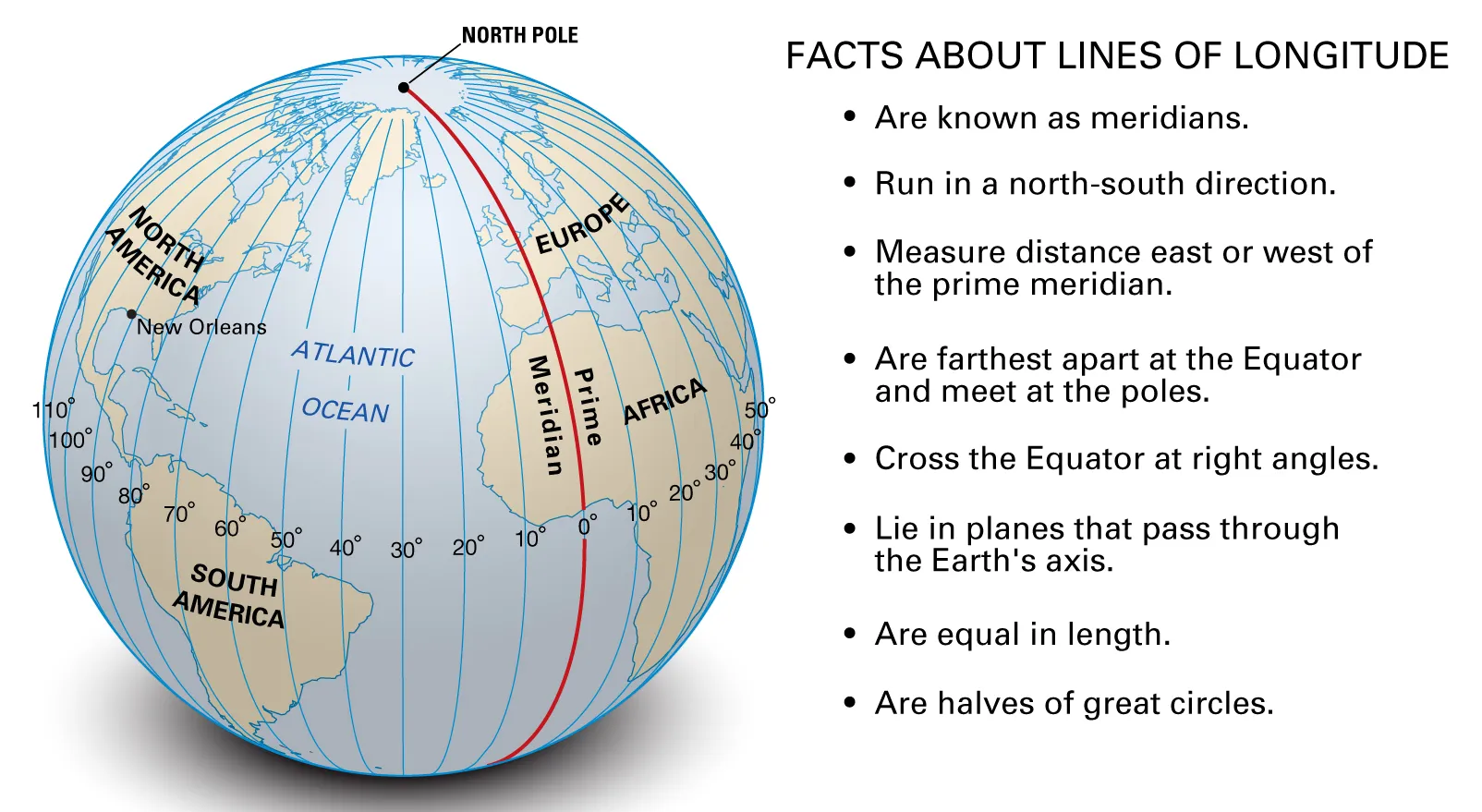
In 1884, the world officially established time zones, using Greenwich, London, as the starting point. This line of longitude is known as the Prime Meridian (0° longitude).
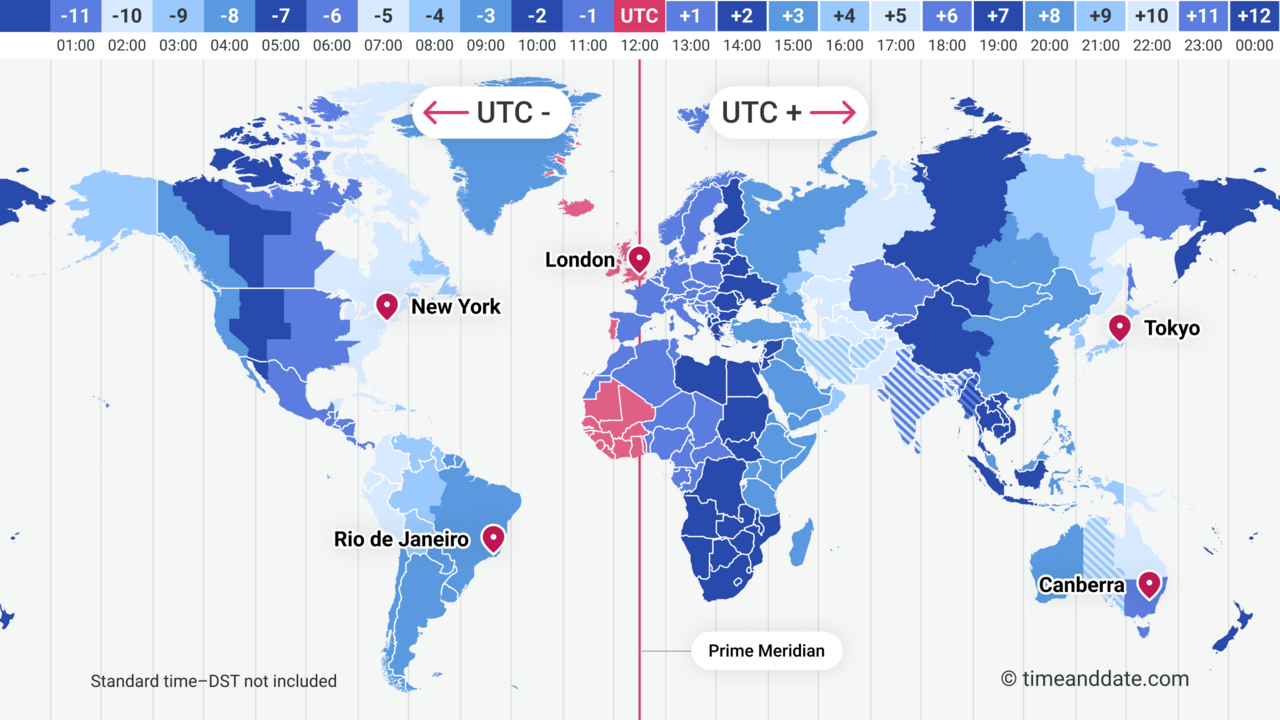
The Earth is divided into 24 time zones, each representing one hour of the day:
- Time moves one hour earlier as you travel west.
- Time moves one hour later as you travel east.
This system ensures that daylight and darkness occur at roughly similar local times around the globe.
GMT, UTC, and Why They Matter
The time at the Prime Meridian is called Greenwich Mean Time (GMT). GMT is used as a reference point for time worldwide and does not change during the winter months in the UK.
UTC (Coordinated Universal Time) is the modern global standard for timekeeping. Like GMT, it is based at Greenwich and remains constant throughout the year. Because of its reliability, UTC is widely used in aviation, technology, science, and international communication.
British Summer Time and Daylight Saving
In spring, the UK switches from GMT to British Summer Time (BST) by moving clocks forward one hour, usually on the last Sunday in March. This change allows people to enjoy more daylight in the evenings during summer.
In October, clocks move back one hour, returning to GMT. This practice is known as Daylight Saving Time (DST) and is used by many countries to make better use of natural daylight.
However, not all countries observe DST. Regions near the equator experience fairly consistent daylight all year round, so clock changes aren’t necessary.

How Time Changes Affect the World
Time zones and daylight saving changes affect:
- Travel and business
- International communication
- Online learning and global meetings
For example, New York is usually five hours behind GMT, but during British Summer Time, it becomes four hours behind, because both the UK and the US adjust their clocks—though not always on the same dates.
Time Zones and Online Learning
Time differences are especially important for students studying online. Imagine:
- A teacher in the UK
- A student in France
- A student in Japan
During winter (GMT), a 9 AM UK class would be:
- 10 AM in France
- 6 PM in Japan
When the UK switches to BST:
- The class stays at 10 AM in France (as France also changes its clocks)
- But it moves to 5 PM in Japan, since Japan does not observe Daylight Saving Time

This means students must stay alert during seasonal time changes to avoid missing lessons.
Final Thoughts
Time zones and systems like GMT, UTC, and Daylight Saving Time help the world stay connected. While the changes can sometimes feel confusing, they play an essential role in communication, travel, education, and global cooperation.
Understanding how time works across the world empowers us to plan better, communicate more clearly, and work together, no matter where we are.


- News & Current Affairs
- Business & Economy
- Finance & Money
- Education & Learning
- Technology & Innovation
- Science & Environment
- Health & Wellness
- Food & Drink
- Home, Garden & Lifestyle
- Travel & Tourism
- Fashion & Beauty
- Art & Culture
- Entertainment & Media
- Sports & Recreation
- Personal Growth & Lifestyle
- Careers & Work
- Tutorials & How-To Guides
- Real Estate & Property
- Automotive
- Family & Relationships
- Environment & Sustainability
- Law & Legal Matters
- Gaming & Esports
- Religion & Spirituality
- Community & Local Voices
- Miscellaneous

 Arabic
 French
 Spanish
 Portuguese
 Deutsch
 Turkish
 Dutch
Dutch
 Italiano
 Russian
 Romaian
 Portuguese (Brazil)
 Greek
Greek
