


Special Pregnancies: Extra Care for You and Your Baby

Every pregnancy is unique, but some require closer medical attention to protect both mother and baby. These are often referred to as special or high-risk pregnancies, meaning extra monitoring and tailored care are needed. With the right support, most women in these situations go on to have healthy pregnancies and babies.
What Is a Special or High-Risk Pregnancy?
A pregnancy may be considered special or high-risk when there is a greater chance of complications affecting the mother, baby, or both. This does not mean something will go wrong, it simply means your healthcare team will watch your pregnancy more closely.
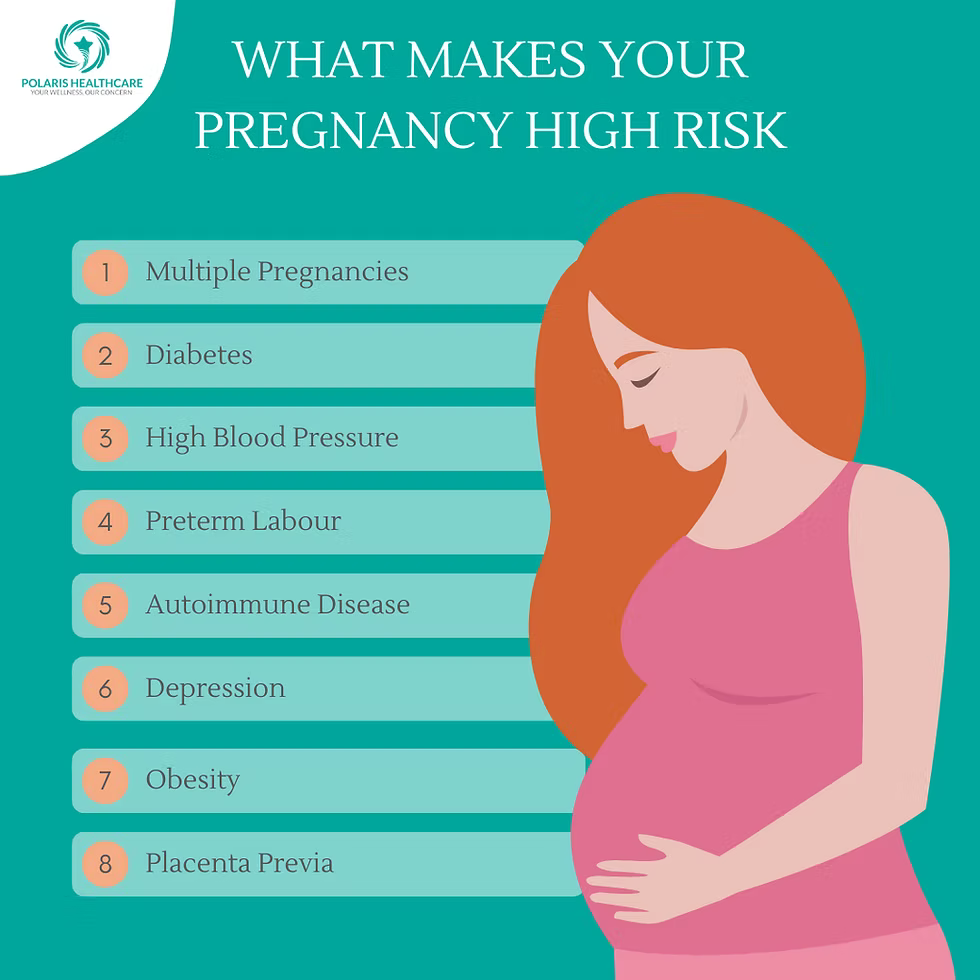
Common reasons include:
- Being 35 years or older
- Expecting twins or more
- Having chronic medical conditions (such as diabetes or high blood pressure)
- Developing pregnancy-related conditions like gestational diabetes or pre-eclampsia
- Having had previous pregnancy complications
- Autoimmune Disease in Pregnancy
- Placenta previa
Older Mothers (35+)
Pregnancy after 35 is more common than ever, and outcomes are generally excellent with proper care. Many older mothers are highly motivated to eat well, exercise, and avoid harmful habits.
Key points:
- Slightly higher risk of chromosomal conditions (such as Down syndrome)
- Screening tests may be offered (nuchal translucency scan, serum screening, CVS, or amniocentesis)
- If chromosomes are normal, outcomes are similar to younger women
- Higher chance of gestational diabetes and high blood pressure, so extra monitoring is routine
Expecting Multiples (Twins or More)
Finding out you are expecting more than one baby can be exciting and overwhelming. Multiple pregnancies often bring stronger symptoms such as fatigue and nausea and require closer observation.
What to expect:
- More frequent antenatal visits
- Regular ultrasounds to monitor growth
- Iron and folic acid supplements may be needed
- Higher chance of premature birth
- Delivery may be vaginal or by Caesarean section depending on babies positions
- You may need to stop working earlier and rest more
Complicated or Previous High-Risk Pregnancies
If you experienced problems in a past pregnancy (such as pre-eclampsia, early labour, or gestational diabetes), your provider will monitor you closely for recurrence.
This may involve:
- More frequent antenatal visits
- Extra blood pressure and urine checks
- Growth scans for your baby
- Advice on rest and activity
- Early warning signs of preterm labour explained to you
- Specialised scans and blood tests
- Genetic or diagnostic testing if needed
- Referral to maternal-fetal medicine specialists
- Planning for possible early or assisted delivery
Chronic Health Conditions
Conditions such as diabetes, hypertension, thyroid disease, or heart problems can affect pregnancy. These pregnancies benefit from coordinated care between your midwife, doctor, and specialists.
Care may include:
- More frequent check-ups
- Blood sugar or blood pressure monitoring
- Growth scans for your baby
- Preconception planning for future pregnancies
Autoimmune Disease in Pregnancy
Autoimmune diseases during pregnancy need specialised medical care
They increase the risk of:
-
- Preterm birth
- Pre-eclampsia
- Poor fetal growth
- Miscarriage
Highest risks are seen with:
-
- Lupus (SLE)
- Antiphospholipid syndrome (APS)
Some autoimmune conditions may improve during pregnancy. Others may worsen (flare) during pregnancy or after delivery.
Healthy outcomes depend on:
-
- Careful pregnancy planning
- Safe medication adjustments
- Close monitoring by a multidisciplinary medical team
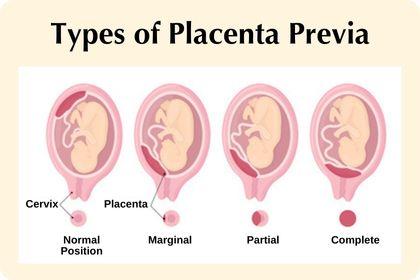
Placenta Previa
Placenta previa is a high-risk pregnancy condition. It occurs when the placenta covers or partly covers the cervix
This can cause:
-
- Severe maternal bleeding
- Premature birth
- Fetal distress
Management usually includes:
-
- Close medical monitoring
- Reduced physical activity or bed rest
- Planned Cesarean delivery
Although serious, placenta previa is often manageable with proper care
Emotional and Social Considerations
Some special pregnancies also carry emotional challenges:
- Rainbow pregnancies (after miscarriage or loss)
- Teenage pregnancy
- Pregnancy after fertility treatment

These situations often require both medical and emotional support to help parents feel confident and prepared.
Final Thoughts
A special or high-risk pregnancy does not mean a poor outcome, it simply means you and your baby deserve extra care and attention. With early detection, regular check-ups, and good communication with your healthcare provider, most risks can be managed successfully. Preparation, education, and emotional support all play an important role in helping parents feel empowered and safe throughout the journey.

- News & Current Affairs
- Business & Economy
- Finance & Money
- Education & Learning
- Technology & Innovation
- Science & Environment
- Health & Wellness
- Food & Drink
- Home, Garden & Lifestyle
- Travel & Tourism
- Fashion & Beauty
- Art & Culture
- Entertainment & Media
- Sports & Recreation
- Personal Growth & Lifestyle
- Careers & Work
- Tutorials & How-To Guides
- Real Estate & Property
- Automotive
- Family & Relationships
- Environment & Sustainability
- Law & Legal Matters
- Gaming & Esports
- Religion & Spirituality
- Community & Local Voices
- Miscellaneous

 Arabic
 French
 Spanish
 Portuguese
 Deutsch
 Turkish
 Dutch
Dutch
 Italiano
 Russian
 Romaian
 Portuguese (Brazil)
 Greek
Greek
