


How Important Were Gods to the Ancient Greeks?
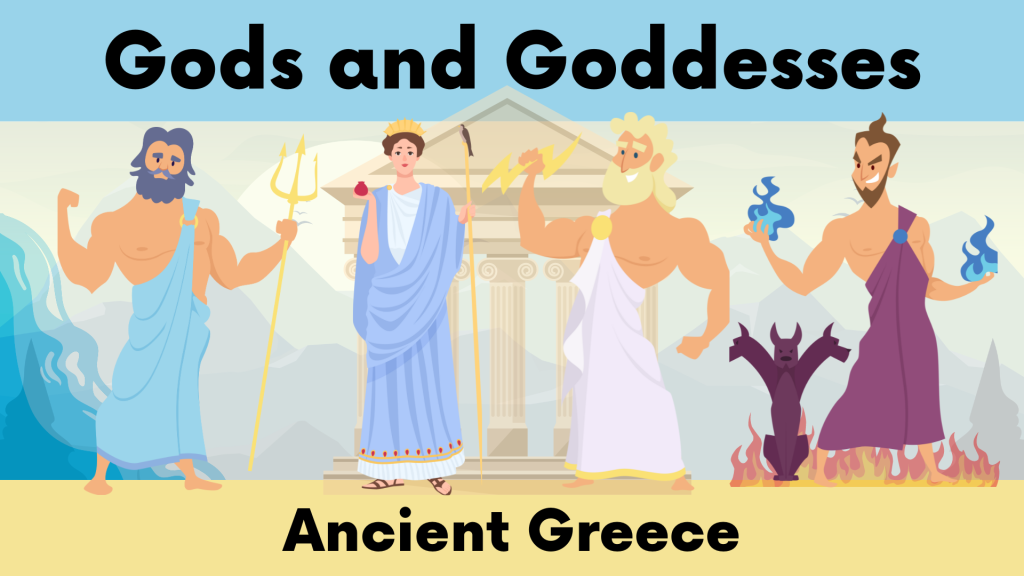
The gods were at the very heart of ancient Greek life. Far from being distant or abstract figures, they were believed to be powerful, ever-present beings who could directly influence human success or failure. From the outcome of wars and harvests to love, health, and natural disasters, the Greeks saw divine involvement everywhere.
A World Ruled by the Gods
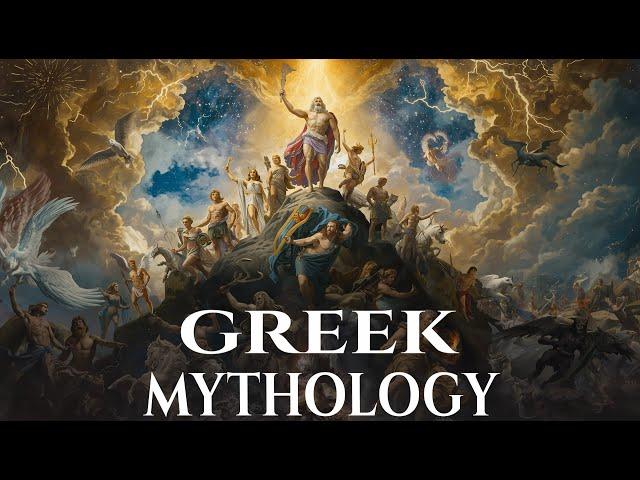
The ancient Greeks believed in a complex family of gods and goddesses, each with a distinct personality and responsibility. Zeus ruled the sky and thunder as king of the gods, Poseidon controlled the seas and earthquakes, Athena guided wisdom and warfare, Apollo presided over prophecy and healing, and Aphrodite embodied love and beauty. These deities were thought to live on Mount Olympus, yet they frequently intervened in human affairs—sometimes offering protection and favor, and at other times bringing punishment or disaster.
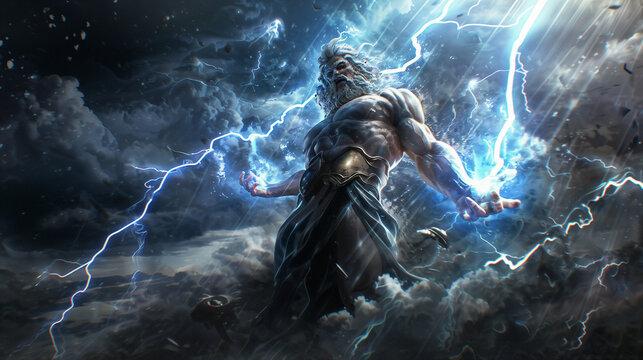
Unlike many later religions, Greek religion was not based on a single sacred text or strict set of rules. As a result, beliefs and practices varied from region to region. However, one unifying feature across the Greek world was ritual sacrifice. Animals were offered to the gods as a sign of respect and gratitude, and to gain divine favor.
Gods in Everyday Life
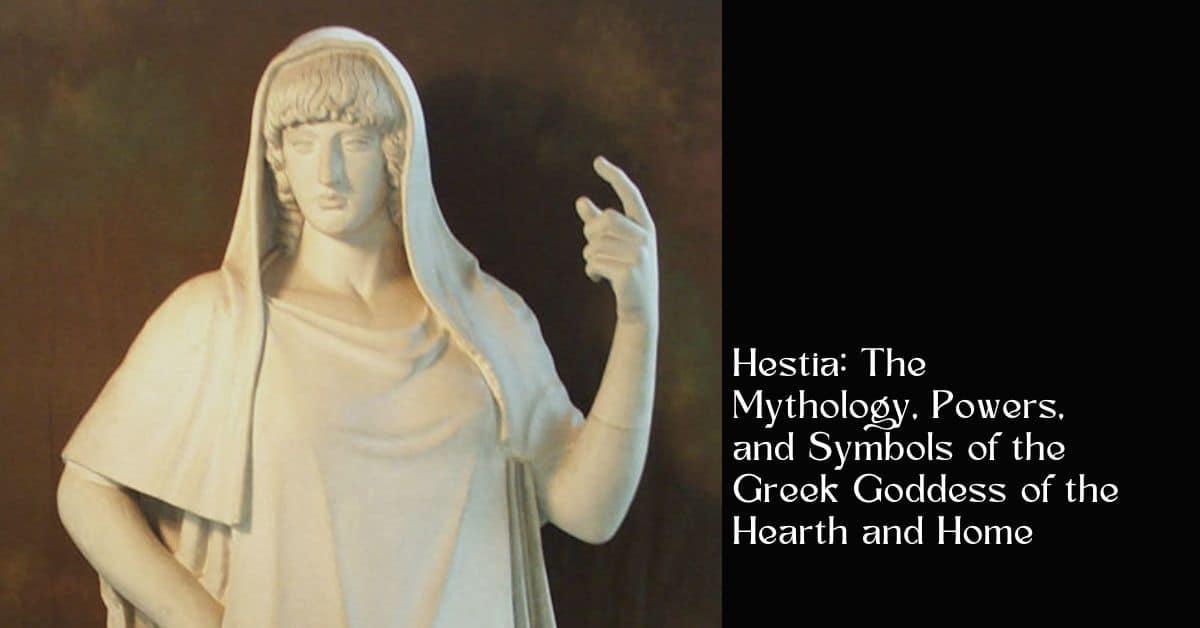
Religion was woven into daily routines. People prayed before journeys, meals, or important decisions. Many households had small shrines, especially to Hestia, goddess of the hearth, who symbolized home and family life. Offerings such as food, wine, or oil were made regularly to keep the gods well disposed.
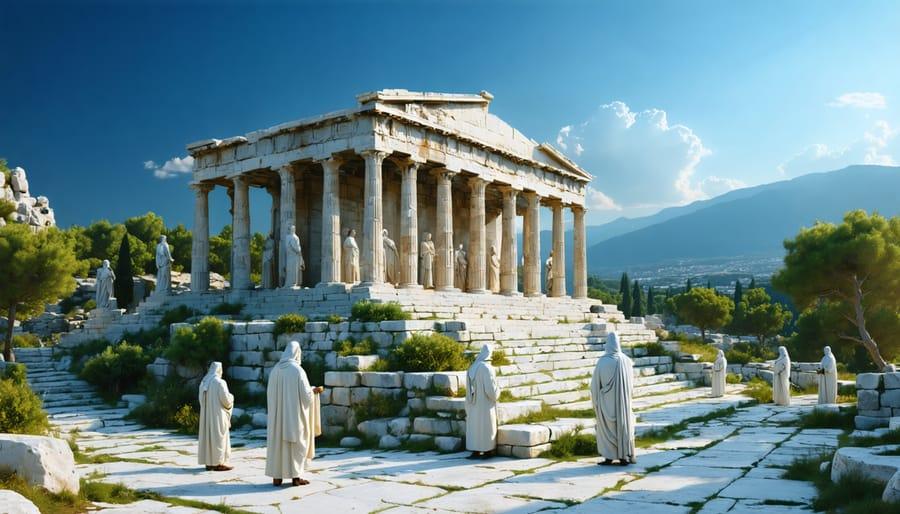
Public worship was equally important. Magnificent temples were built to house statues of the gods, and entire communities gathered for festivals in their honor. Events like the Olympic Games, held for Zeus, combined sport, sacrifice, music, and celebration, reinforcing shared beliefs and civic unity.
Myths, Morality, and Fate
Greek mythology was more than storytelling—it helped explain the world and human behavior. Myths described the origins of the cosmos, natural phenomena, and social customs. The gods themselves were portrayed with very human traits: jealousy, love, pride, anger, and compassion. This made them relatable, but also unpredictable.
While the gods were immensely powerful, even they were subject to Fate, governed by the Moirai (Fates). This belief reflected the Greek understanding that life was shaped by forces beyond complete control, and that even divine beings had limits.
Final Thoughts
For the ancient Greeks, the gods were essential to understanding existence. They explained the mysteries of nature, offered guidance in times of uncertainty, and shaped moral values and community life. Worship was not optional or symbolic—it was a practical necessity for survival, prosperity, and protection. In essence, the Greek gods formed the foundation of how people understood the world and their place within it, making them fundamentally important to ancient Greek society.


- News & Current Affairs
- Business & Economy
- Finance & Money
- Education & Learning
- Technology & Innovation
- Science & Environment
- Health & Wellness
- Food & Drink
- Home, Garden & Lifestyle
- Travel & Tourism
- Fashion & Beauty
- Art & Culture
- Entertainment & Media
- Sports & Recreation
- Personal Growth & Lifestyle
- Careers & Work
- Tutorials & How-To Guides
- Real Estate & Property
- Automotive
- Family & Relationships
- Environment & Sustainability
- Law & Legal Matters
- Gaming & Esports
- Religion & Spirituality
- Community & Local Voices
- Miscellaneous

 English
 Arabic
 French
 Spanish
 Deutsch
 Turkish
 Dutch
Dutch
 Italiano
 Russian
 Romaian
 Portuguese (Brazil)
 Greek
Greek
