


What Were Dinosaurs Like?
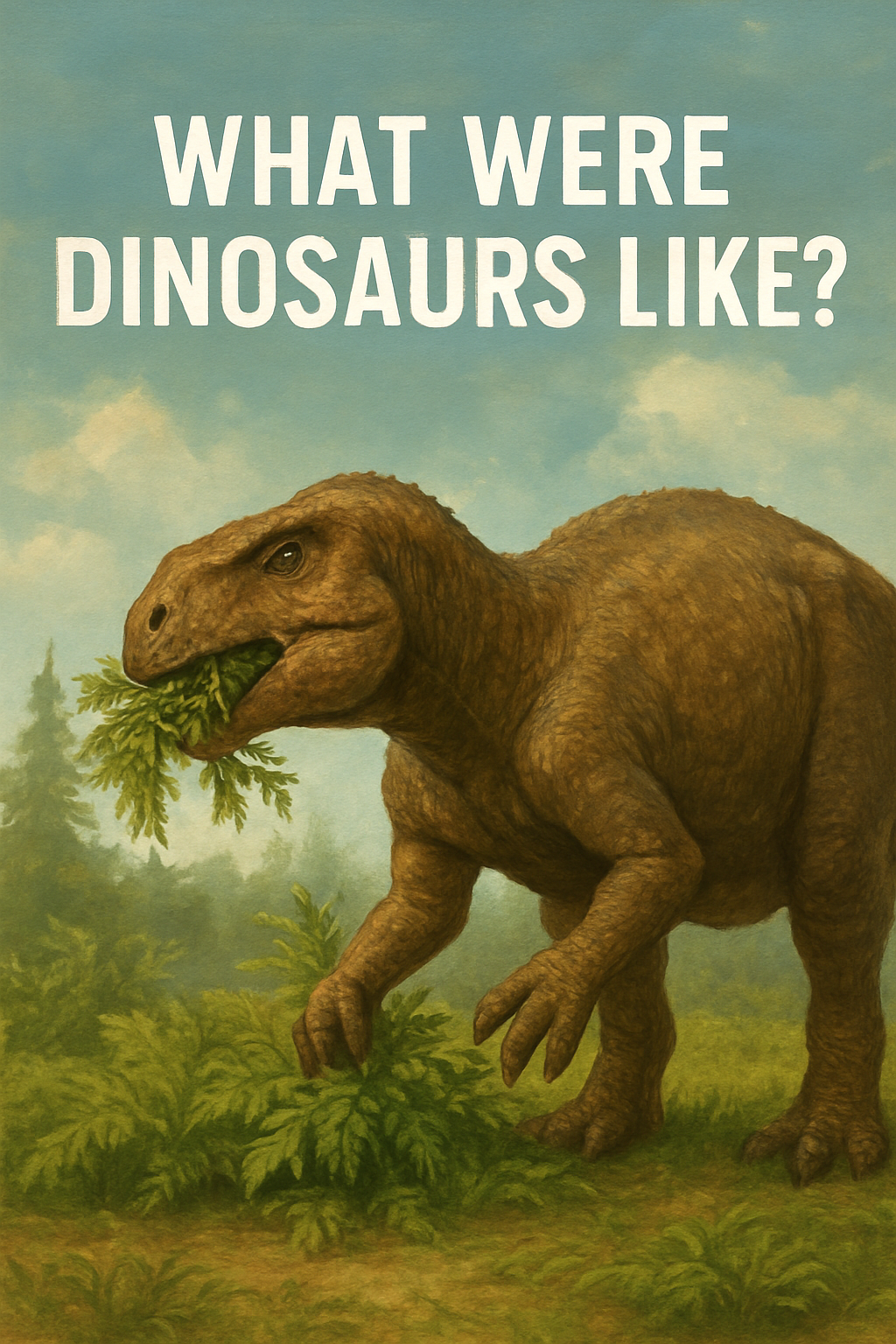
Dinosaur remains may be rare, but the skeletons they left behind reveal an astonishing amount about their lives. By studying bone structure, scientists can estimate a dinosaur’s weight, lifestyle, and even how it moved. Heavy, slow-moving animals had thick, massive bones built for support, while agile hunters had lighter, sometimes hollow bones designed for speed.
Muscle attachment points on the bones show where powerful muscles once anchored, helping experts understand how strong these animals were. Herbivores, for example, often carried huge, barrel-shaped bodies packed with digestive organs, while carnivores were built more lightly, designed for chasing or ambushing prey.
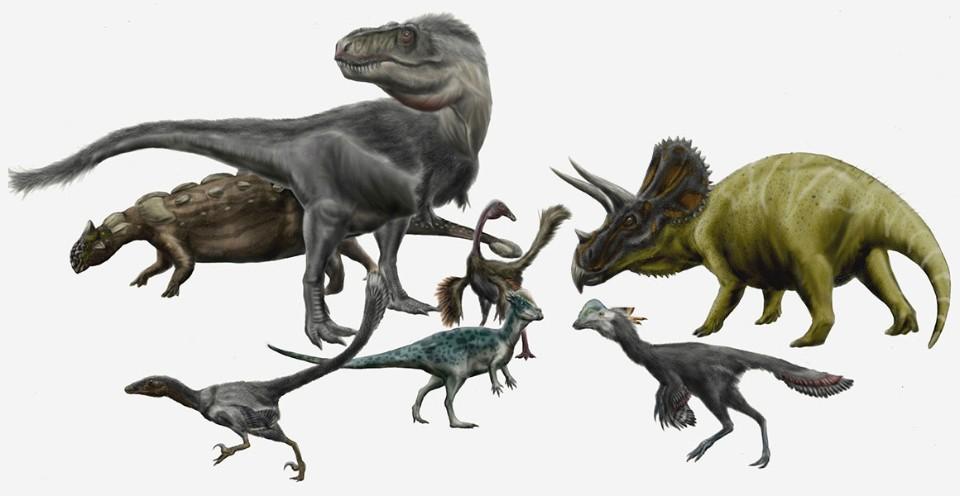
Dinosaurs were an incredibly diverse group of land animals with upright, pillar-like legs, and they came in all shapes and sizes—from chicken-sized species to giants weighing over 100 tons. Some had bumpy skin, others had feathers for warmth or display, and several species developed striking features like armor plates, horns, or colorful crests. They laid eggs, built nests, and displayed a wide range of behaviors far more complex than once believed.
Key Dinosaur Characteristics
Stance:
All dinosaurs stood upright with legs positioned directly beneath their bodies. This posture made them efficient movers and set them apart from reptiles with sprawling limbs.
Diet:
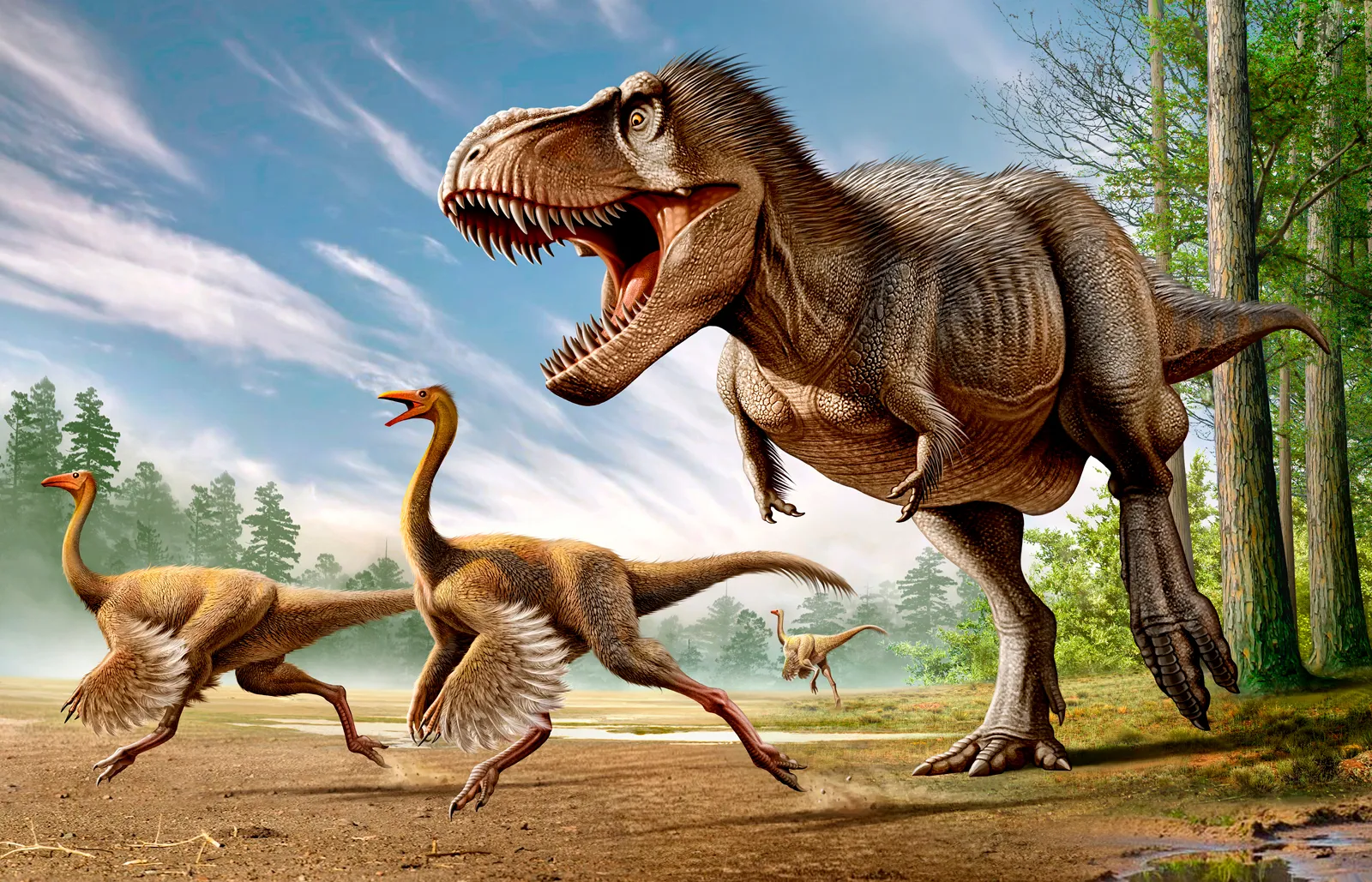
Their diets ranged from plant-eating giants with grinding teeth to sharp-toothed predators that swallowed chunks of meat whole.
Appearance:
Dinosaurs displayed remarkable variety—some had armor, some had feathers, some had smooth or scaly skin. Feathers were far more common than early scientists realized.
Size:
They ranged from tiny species smaller than chickens to enormous sauropods stretching more than 30 meters long.
Reproduction:
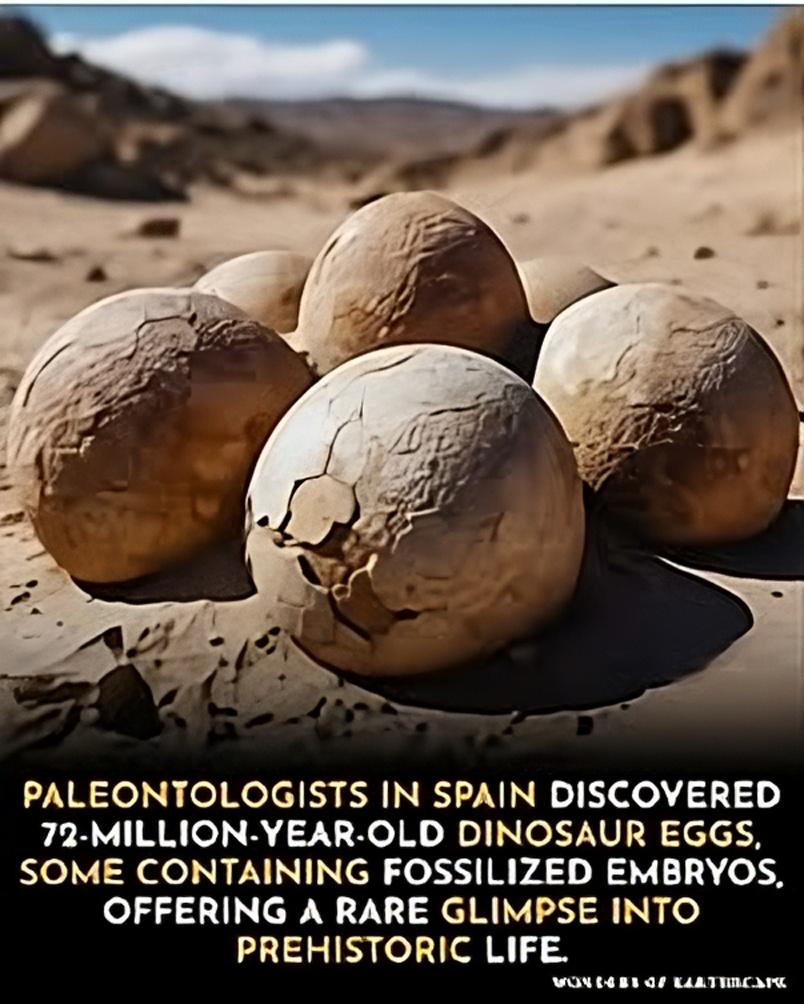
All dinosaurs laid eggs, and fossilized nests show that many species cared for their young.
Classification:
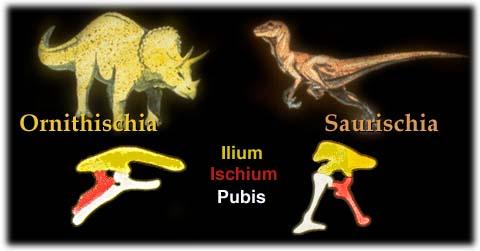
They fall into two major groups based on hip shape:
- Ornithischians (bird-hipped)
- Saurischians (lizard-hipped)
Beyond the Bones: Behavior & Lifestyle
Modern research challenges the old myth of dinosaurs as slow or cold-blooded. Many had elevated metabolisms, were highly active, and may have lived in social groups. Their senses—sight, hearing, and smell—were often highly developed. Even ideas like the “second brain” in species such as Stegosaurus have been replaced with better explanations, such as energy storage cavities.
A Lot Is Still Guesswork
It’s important to remember that much of what we know about dinosaurs is interpreted from incomplete fossils. Take Carnotaurus, for example. With its weak jaws and unusual skull structure, researchers believe it was poorly suited for taking down large prey—so many assume it hunted smaller animals. But without living specimens to observe, some details will always remain educated guesses.
Final Thoughts
Dinosaur science continues to evolve. Each new fossil discovery adds to a puzzle that may never be fully complete. Bones give us clues about weight, movement, muscles, behavior, and appearance—but much of what we “know” is still shaped by interpretation. That’s part of the magic: dinosaurs invite us to imagine ancient worlds while grounding our ideas in scientific evidence. Every fossil sparks new questions, new theories, and a deeper appreciation of the creatures that once ruled Earth.


- News & Current Affairs
- Business & Economy
- Finance & Money
- Education & Learning
- Technology & Innovation
- Science & Environment
- Health & Wellness
- Food & Drink
- Home, Garden & Lifestyle
- Travel & Tourism
- Fashion & Beauty
- Art & Culture
- Entertainment & Media
- Sports & Recreation
- Personal Growth & Lifestyle
- Careers & Work
- Tutorials & How-To Guides
- Real Estate & Property
- Automotive
- Family & Relationships
- Environment & Sustainability
- Law & Legal Matters
- Gaming & Esports
- Religion & Spirituality
- Community & Local Voices
- Miscellaneous

 Arabic
 French
 Spanish
 Portuguese
 Deutsch
 Turkish
 Dutch
Dutch
 Italiano
 Russian
 Romaian
 Portuguese (Brazil)
 Greek
Greek
