


Japanese Garden Ideas: Creating a Peaceful, Nature-Inspired Sanctuary
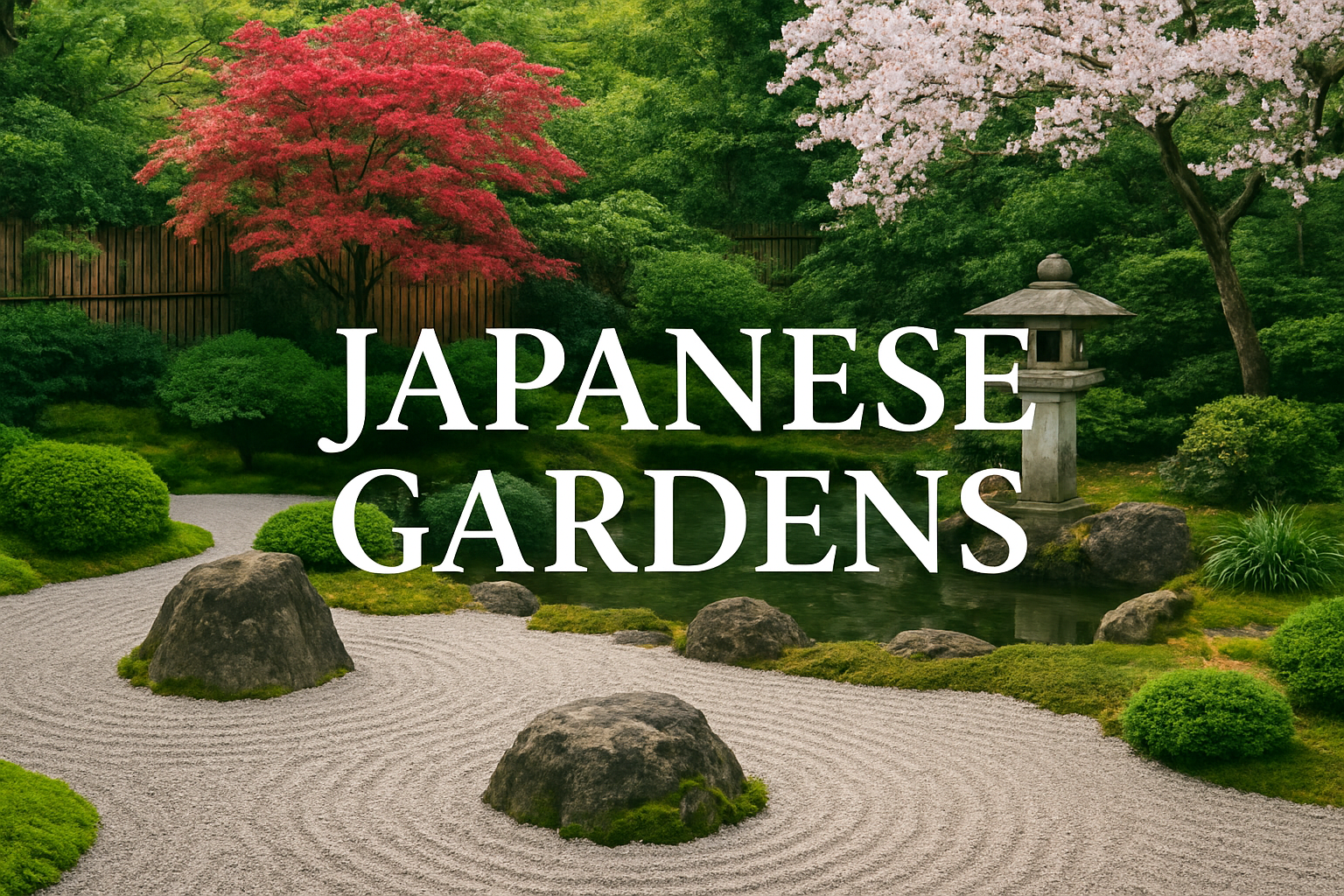
A Japanese garden is more than just a beautiful outdoor space — it is a calming sanctuary designed to encourage mindfulness, balance, and a deep connection with nature. With its use of rocks, water, plants, and carefully considered design principles, a Japanese garden blends simplicity and symbolism to create a peaceful retreat right at home.
Whether you admire the elegance of raked gravel, the tranquil sound of flowing water, or the quiet beauty of moss-covered stones, Japanese gardens offer endless inspiration. Below is a complete guide to understanding their types, essential elements, design principles, and how you can create one in your own space.
Types of Japanese Gardens
1. Stroll Garden (Kaiyu-shiki-teien)
Designed for wandering paths and peaceful exploration, stroll gardens feature curving walkways, ponds, waterfalls, and disappearing views that reveal new scenes as you move through the garden. Decorative bridges, stone lanterns, and sculptures add interest and spiritual meaning.

2. Dry Landscape Garden (Karesansui)
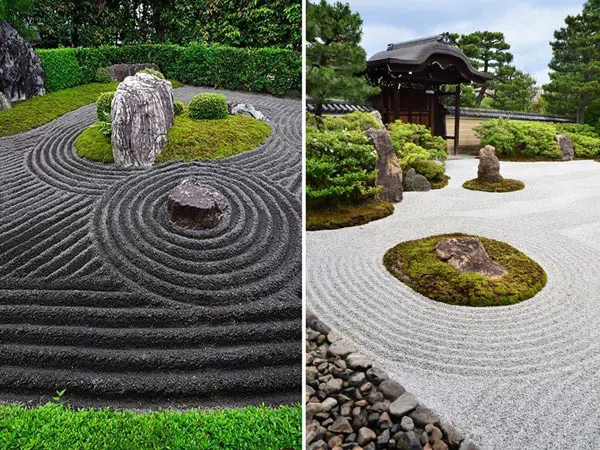
Also known as a Zen garden, the dry landscape garden uses stones, rock groupings, and raked gravel or sand to symbolize mountains, rivers, and islands. Minimalistic and contemplative, this style is often enclosed by walls or hedging for privacy.
3. Tea Garden (Roji / Chaniwa)
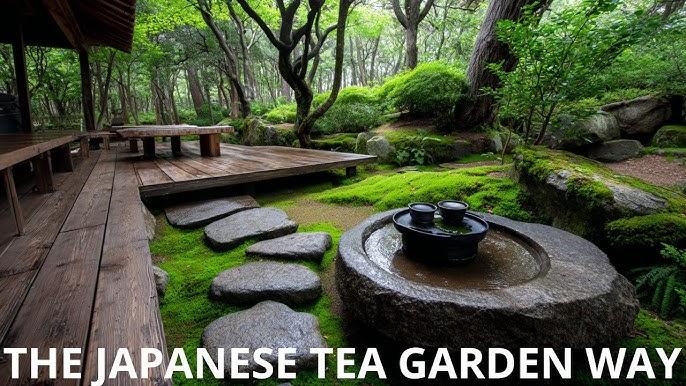
Built for the traditional Japanese tea ceremony, a tea garden embodies simplicity and purity. A rustic stepping-stone path leads to a wooden teahouse, where visitors cleanse their hands at a stone basin before entering. Moss, lanterns, and natural materials complete the peaceful atmosphere.
4. Courtyard Garden (Tsubo-niwa)
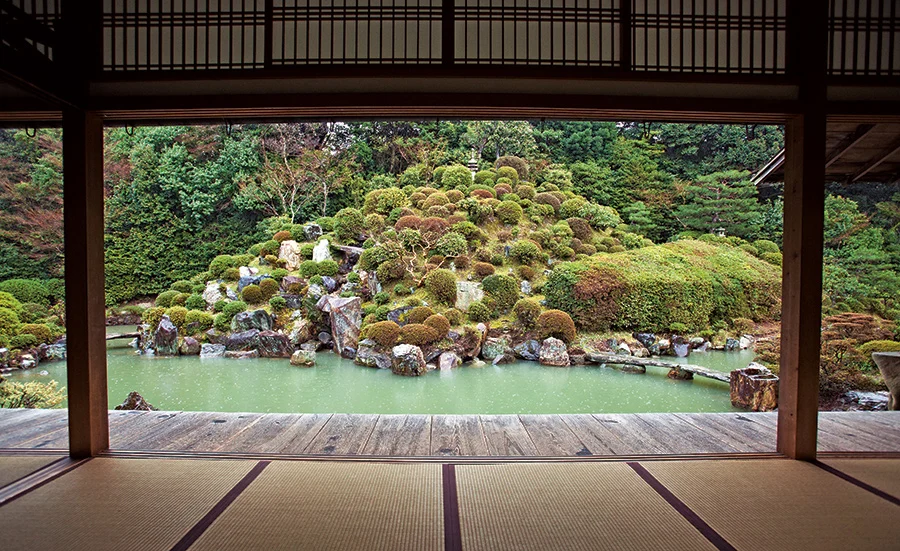
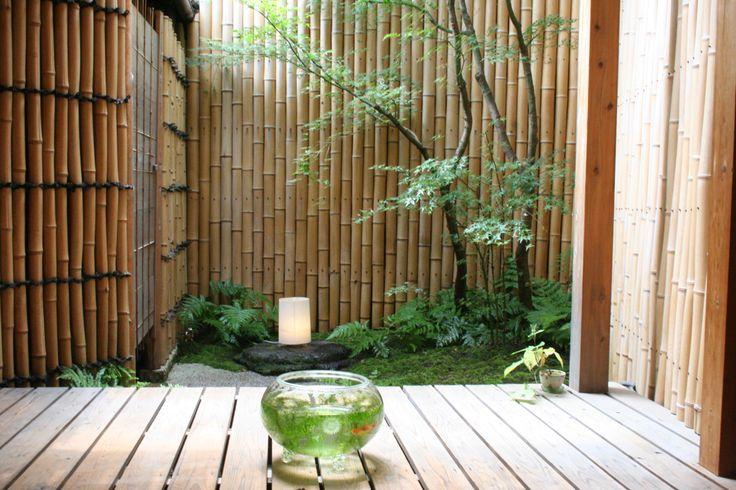
Small and serene, courtyard gardens are designed to be viewed from indoors. They make use of shade-loving plants, miniature landscapes, and subtle water features to bring tranquility into compact urban spaces.

5. Hill and Pond Garden (Tsukiyama)
This classic style features artificial hills, islands, and ponds meant to represent vast natural landscapes in miniature. Seasonal trees like cherry blossoms and Japanese maples bring the garden to life throughout the year.

Essential Elements of a Japanese Garden
Rocks, Gravel & Sand
Carefully placed stones anchor the landscape and symbolize mountains, shorelines, or islands. Gravel or sand is raked into flowing patterns to mimic water.

Water
Ponds, streams, waterfalls, and basins represent purity and renewal. Flowing water evokes movement while still water reflects the sky and surrounding landscape.
Paths, Bridges & Stairs
Paths guide visitors on a mindful journey. Wooden or stone bridges symbolize transitions, while steps mark progression through the space.

Lanterns & Statuary
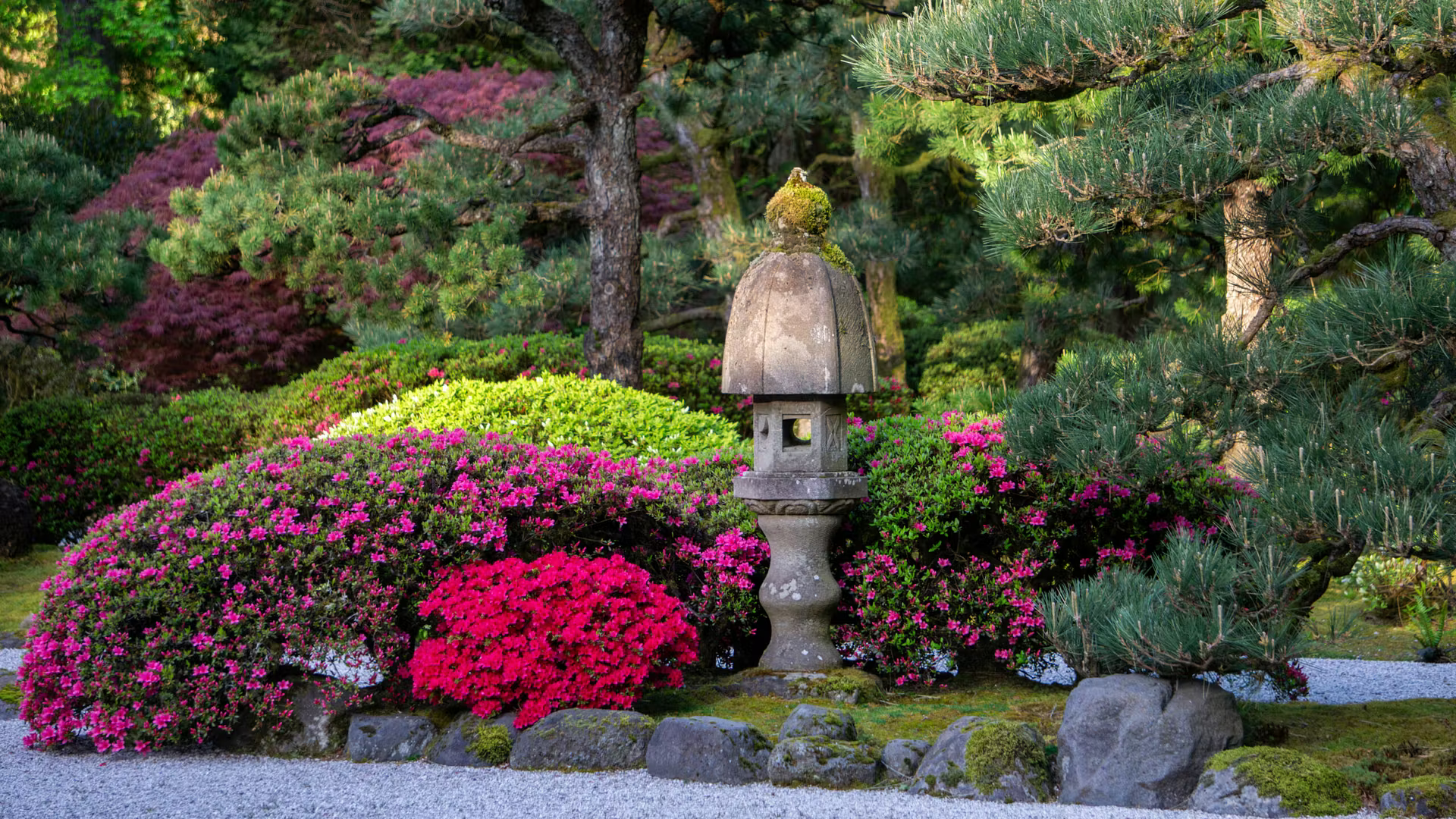
Stone lanterns serve as spiritual markers and focal points. Statues may represent protective spirits or figures from Buddhist and Shinto traditions.

Structures
Teahouses, arbors, gates, and pagodas bring architectural interest while maintaining harmony with the natural surroundings.

Screening
Bamboo fencing, stone walls, and clipped hedges provide privacy, frame views, and help define each garden area.
Plants
Plants are chosen for shape, texture, and seasonal beauty rather than bright color. Favorites include:
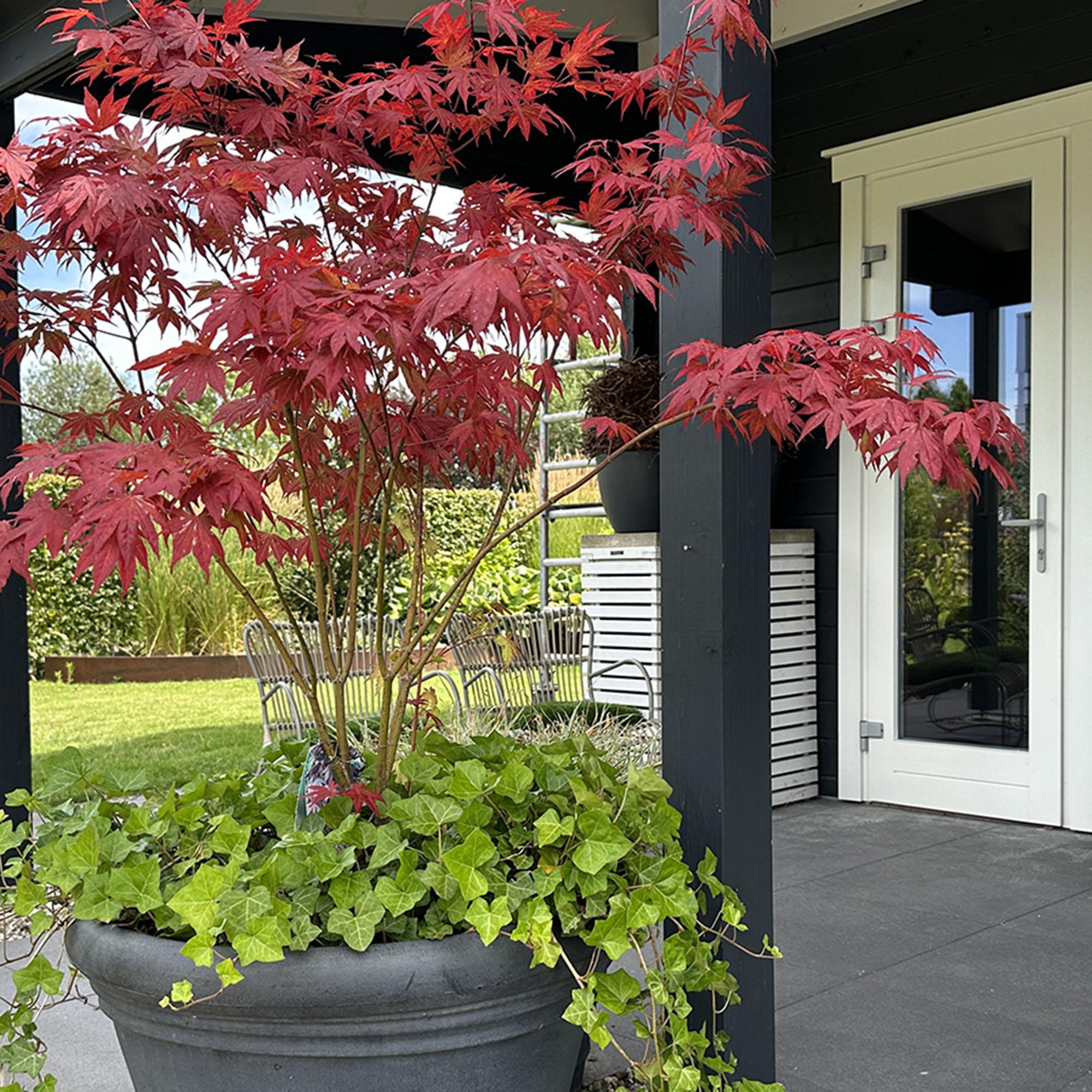
– Japanese maple
– Cherry blossom
– Pine
– Bamboo
– Wisteria
– Ferns
– Moss
– Ginkgo
Layering plants adds depth, while pruning maintains a natural, refined shape.
How to Create a Japanese Garden at Home
1. Choose the Right Spot
Evaluate light, space, soil, and how close the garden is to your home. Courtyard gardens work well beside windows, while stroll gardens suit larger spaces.
2. Gather Inspiration
Browse books, online images, and botanical gardens to define the aesthetic you want — whether that’s a Zen retreat or a lush tea garden.

3. Use Traditional Design Principles
Authenticity comes from following principles like simplicity, asymmetry, and natural flow.
4. Make a Sketch
Start with a rough layout of paths, rocks, water features, and plants. For complex designs, consult a landscape specialist.

5. Consider Scale
Large stones and trees fit spacious yards, while small basins or fountains are better for compact areas.

6. Use Local & Natural Materials
Choose rustic stones, natural wood, and organic shapes. This keeps the garden grounded in your region’s natural environment.
7. Add Year-Round Interest
– Spring: Cherry blossoms, wisteria, azaleas
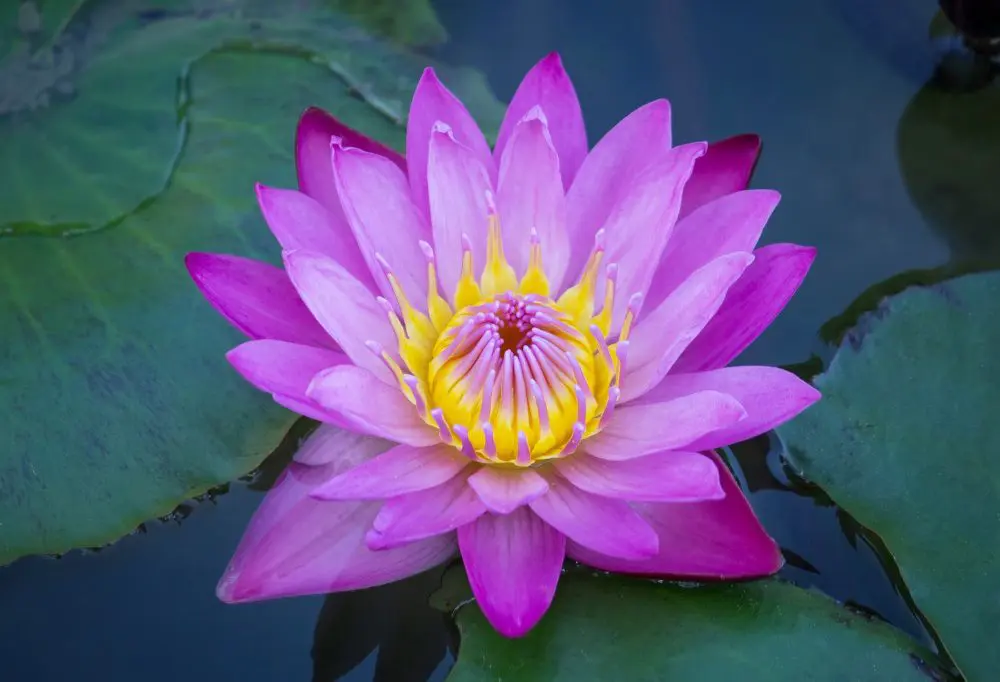
– Summer: Lotus, hydrangeas, Japanese iris
– Autumn: Japanese maples, dwarf ginkgo
– Winter: Evergreen bamboo, moss, conifers
8. Keep the Design Simple
Avoid clutter. Negative space is just as important as plants and features.
How to Maintain a Japanese Garden
Keep It Clean
Regularly remove leaves, debris, and dirt from stones and structures.
Weed Frequently
A tidy garden keeps the atmosphere peaceful and intentional.
Water Consistently
Ensure irrigation is functioning well, especially in summer.
Prune Gently
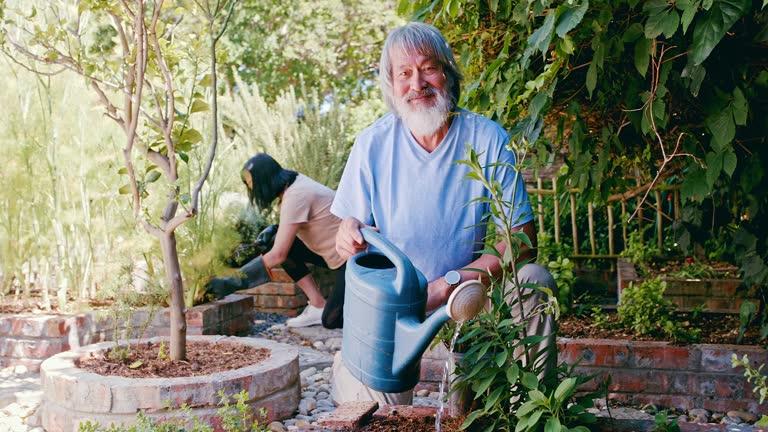
Maintain shape without forcing strict lines. Remove damaged growth and deadhead spent flowers.
Keep It Natural
Let moss grow, allow bamboo fencing to weather, and embrace the beauty of imperfection.

Maintain Water Features
Clean basins, ponds, and fountains to keep water clear and fresh.
Care for the Hardscape
Check stepping stones, pathways, and gravel patterns regularly, making repairs and raking as needed.
Final Thoughts
Creating a Japanese garden is an opportunity to design a space that nurtures peace, clarity, and connection with nature. Whether you’re drawn to the minimalist beauty of a Zen garden or the richness of a stroll garden, the key lies in simplicity, balance, and thoughtful placement of each element. With natural materials, seasonal plants, and mindful maintenance, you can transform your outdoor space into a serene retreat that inspires calm all year long.

- News & Current Affairs
- Business & Economy
- Finance & Money
- Education & Learning
- Technology & Innovation
- Science & Environment
- Health & Wellness
- Food & Drink
- Home, Garden & Lifestyle
- Travel & Tourism
- Fashion & Beauty
- Art & Culture
- Entertainment & Media
- Sports & Recreation
- Personal Growth & Lifestyle
- Careers & Work
- Tutorials & How-To Guides
- Real Estate & Property
- Automotive
- Family & Relationships
- Environment & Sustainability
- Law & Legal Matters
- Gaming & Esports
- Religion & Spirituality
- Community & Local Voices
- Miscellaneous

 Arabic
 French
 Spanish
 Portuguese
 Deutsch
 Turkish
 Dutch
Dutch
 Italiano
 Russian
 Romaian
 Portuguese (Brazil)
 Greek
Greek
