

The Evolution of Jewelry Making: From Ancient Craft to Modern Innovation

Jewelry making has evolved for thousands of years—shaped by culture, spirituality, technology, and human creativity. What began as simple adornment crafted from natural materials has transformed into a sophisticated artform blending tradition with cutting-edge innovation. Today, jewelry continues to express identity, status, personal meaning, and style in every era.
Prehistoric and Ancient Jewelry: Nature’s Earliest Adornments
Materials:
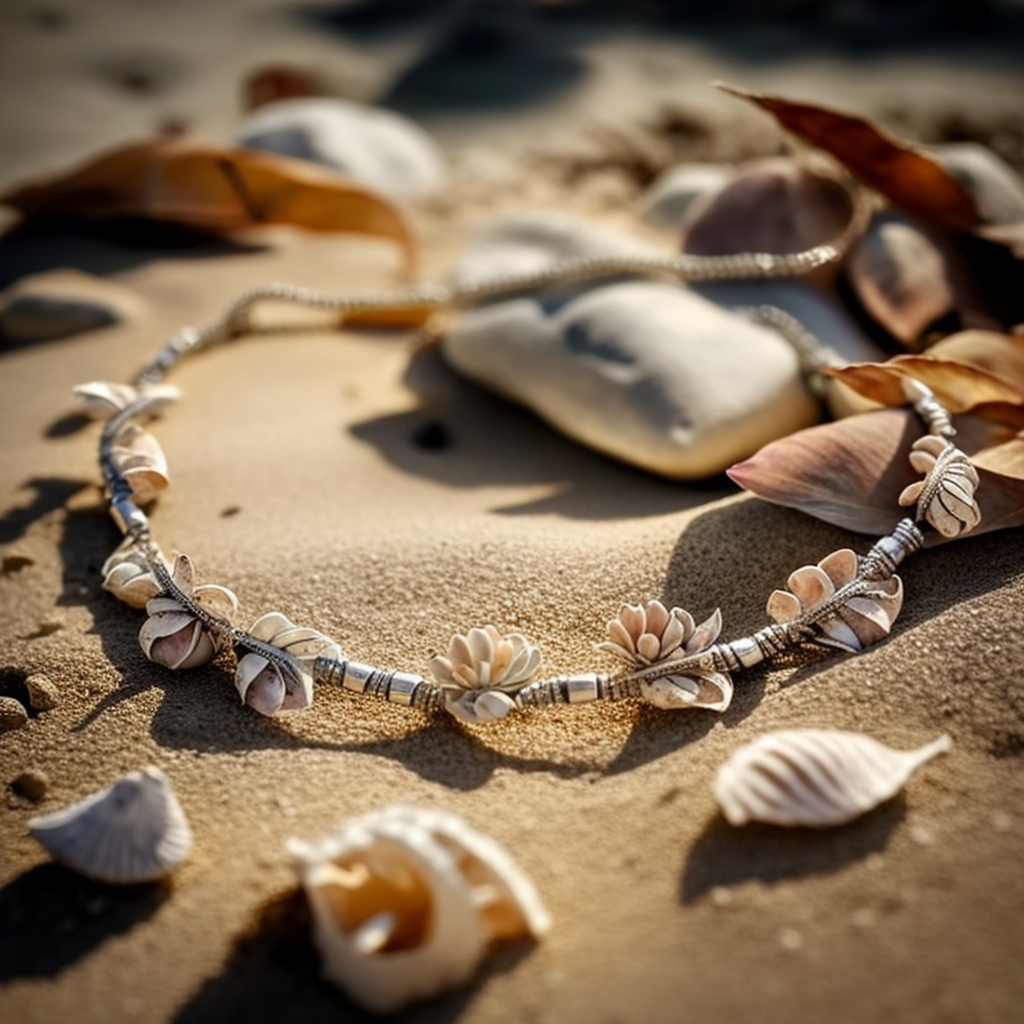
The earliest forms of jewelry date back more than 100,000 years, made from shells, bones, stones, and animal teeth. These were often drilled and strung to create primitive necklaces and bracelets.
Techniques:
Early methods included carving, drilling, and stringing—simple yet meaningful steps toward self-expression.
Cultural Significance:
These pieces were more than decoration. They served as amulets, status symbols, and tribal identifiers, reflecting beliefs about protection, belonging, and identity.
Jewelry in Ancient Civilizations: The Rise of Metalworking
Materials:
Around 7000 BCE, the discovery of metalworking revolutionized jewelry making. Civilizations such as the Sumerians, Egyptians, and Greeks began using gold, silver, copper, bronze, and precious stones like lapis lazuli, carnelian, and turquoise.

Techniques:
Ancient artisans introduced advanced techniques that shaped the future of jewelry making:
- Casting & Soldering – for constructing and joining metal elements
- Filigree & Granulation – creating delicate lace-like patterns
- Enameling – adding vibrant color through fused glass
- Gemstone Setting & Early Cutting – securing and shaping stones
Significance:
Jewelry became a symbol of wealth, power, and spiritual protection. In Egypt, pieces were buried with pharaohs as essential items for the afterlife.

Medieval to Renaissance Jewelry: Symbolism & Craftsmanship
Materials:
Precious metals like gold and silver dominated European jewelry. Gemstones such as sapphires, emeralds, rubies, and pearls were treasured both for beauty and their perceived mystical properties.
Techniques:
Enameling reached new heights, while gemstone cutting evolved from smooth cabochons to early faceting, enhancing brilliance and light reflection.
Significance:
Jewelry reflected social hierarchy and religious devotion. Rings, brooches, and ornate pendants became symbols of identity, rank, and faith.

The Industrial Revolution: Jewelry for the Masses
Materials:
With mass production, jewelry became accessible to more than just the elite. Artisans used metal alloys, imitation stones, and new materials alongside traditional precious metals.
The Edwardian era saw the rise of platinum, valued for its strength and delicate, lacy designs.
Techniques:
Automation transformed the industry. Later artistic movements brought bold new styles:
- Art Nouveau: flowing, nature-inspired forms
- Art Deco: geometric symmetry and vibrant colors
Significance:
Jewelry became a key element of fashion trends, evolving rapidly with each new age.

Contemporary Jewelry: Technology, Sustainability & Personal Expression
Materials:
Today’s designers embrace both traditional materials and modern alternatives such as plastics, ceramics, titanium, lab-grown diamonds, and recycled metals.
Techniques:
New technology has reshaped what’s possible:
- CAD (Computer-Aided Design)
- 3D Printing
- Laser Cutting & Engraving
These innovations allow for precision, customization, and incredibly complex designs.
Significance:
Modern jewelry emphasizes individualism, sustainable practices, and even smart features—blurring the line between jewelry, technology, and art.

Final Thought
Jewelry has always been more than ornamentation—it is a timeless language of culture, identity, and emotion. From ancient shells and stones to digitally designed masterpieces, each era adds its own story to the craft. As technology evolves, jewelry continues to reflect who we are, what we value, and the legacy we carry forward.