


Enhance Your Memory Naturally with Rosemary and Lifestyle changes

For thousands of years, rosemary has been treasured as a symbol of remembrance. Ancient healers believed this aromatic herb could uplift the spirit and strengthen the memory.
A preliminary study found that participants exposed to rosemary aromatherapy for just a few minutes experienced:
- Lower anxiety levels
- Increased alertness
- Faster performance in mental tasks, including mathematics
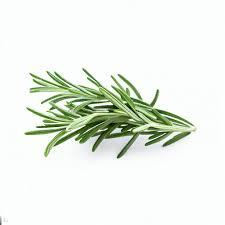
Here are simple ways to use rosemary for natural focus and clarity:
Stimulating Rosemary Spray for Concentration:
Mix 5–10 drops of rosemary essential oil with 2 cups of water in a spray bottle.
Shake well and spritz lightly into the air every hour to enhance focus and mental clarity.
Enjoy a Cup of Rosemary Tea
Add 1 teaspoon of chopped fresh rosemary to a cup of boiling water.
Steep for 10 minutes, sweeten with honey, and sip your way into improved alertness and cognitive support.

Fight Fatigue Naturally
Place a few drops of rosemary oil on a cotton ball or handkerchief. Hold it under your nose and inhale for 30–60 seconds (avoid direct skin contact).
Sniffing on rosemary itself also boosts memory. Repeat as needed to stay awake, alert, and energized.

You can even boost mental clarity by adding a few drops of rosemary essential oil in a diffuser that can create a comforting, herbal atmosphere.
9 Powerful Tips for a Natural Memory Boost
1. Maintain a Healthy Weight
A healthy weight supports both brain function and long-term memory.
Obesity is linked to structural changes in the frontal lobe and hippocampus, areas essential for memory, learning, and emotional balance. Excess weight also increases the risk of Alzheimer’s disease and cognitive decline.
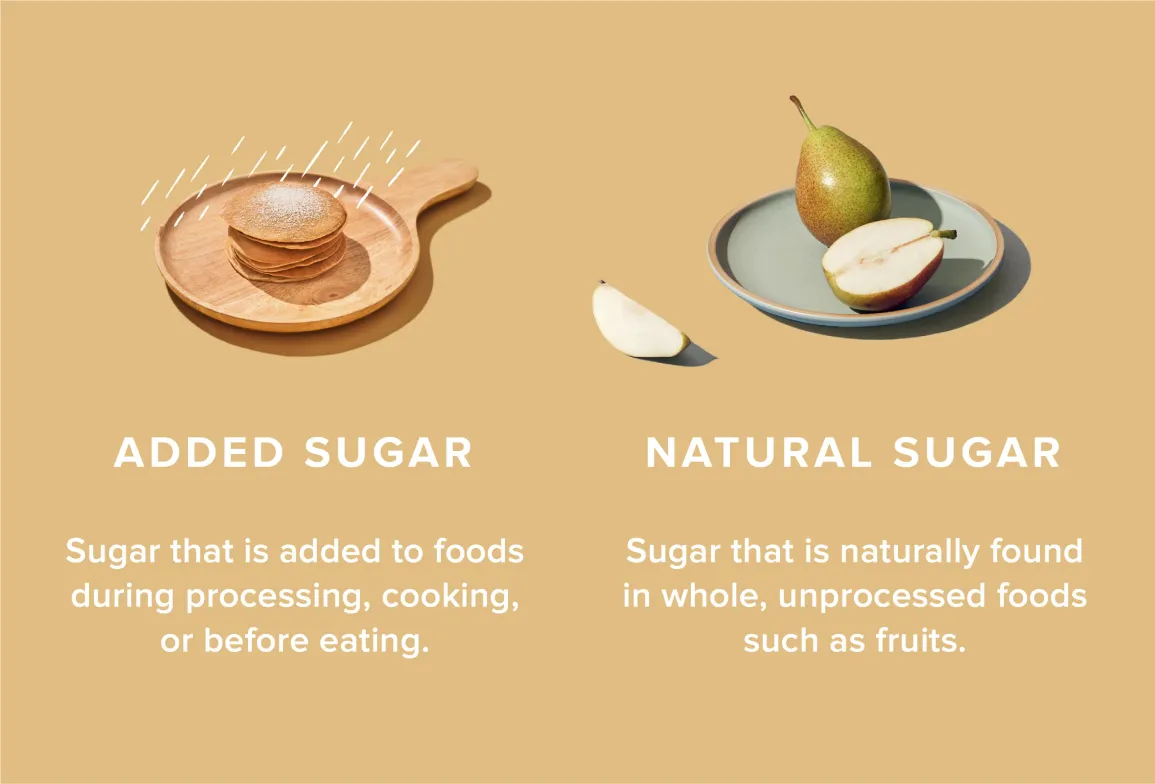
2. Eliminate Added Sugar
Too much sugar inflames the brain and slows memory formation.
Studies show high-sugar diets increase inflammatory markers in the hippocampus and may shrink brain volume. The positive news? This memory damage is reversible — reducing sugar intake can quickly improve clarity and focus.
3. Get Enough Sleep
Sleep is essential for memory consolidation, the process of transforming short-term memories into long-term storage. Adults need 7–9 hours each night to maintain sharp thinking, a strong immune system, improved concentration, and emotional resilience.
4. Limit Refined Carbohydrates
Refined carbs break down into sugar quickly, triggering inflammation and cognitive decline.
Research found daily consumption of sugary cereals was associated with poorer cognitive performance.
5. Eat Anti-Inflammatory Foods
Antioxidant-rich foods protect the brain from oxidative stress and inflammation.
Include:
- Leafy greens (spinach, kale, broccoli)
- Healthy fats (olive oil, avocado)
- Nuts (walnuts, almonds)
- Berries, cherries, citrus
- Turmeric
- Tomatoes and colourful peppers

These foods nourish brain cells and support long-term memory.
6. Exercise Regularly
Regular movement boosts memory by:
- Increasing oxygen flow to the brain
- Reducing inflammation
- Stimulating new neural pathways
- Strengthening stress resilience
- Releasing endorphins

Exercise supports both short-term recall and long-term cognitive health.
7. Build Healthy Relationships
Positive social connections protect the brain from cognitive decline.
Affection, laughter, and supportive interactions release oxytocin, a hormone linked to improved mood, memory, and mental performance.
8. Do Brain Teasers and Puzzles
Mental workouts such as puzzles, memory games, and brain teasers improve focus, problem-solving, and working memory. Regular practice strengthens recall and enhances overall cognitive agility.

9. Add Choline to Your Diet
Choline plays a key role in memory and brain cell communication.
Sources include:
- Eggs
- Leafy greens
- Nuts and seeds
- Animal-based foods
Studies show choline improves test performance and supports memory in older adults.
What Causes Memory Loss?
Understanding the underlying cause is the first step in improving memory naturally.
Depression
Depression changes how the brain processes information, leading to forgetfulness, confusion, and difficulty concentrating.

Vitamin B12 Deficiency
Low B12 can cause nerve damage, cognitive decline, and memory loss. Vegans and those with absorption problems often require supplementation.
Hypothyroidism
Low thyroid hormone disrupts neurotransmitters and slows brain function, causing confusion, forgetfulness, and difficulty focusing.
Alcohol Use
Alcohol impairs decision-making, learning, and memory. Heavy drinking may even cause permanent brain changes.
Lack of Sleep
Chronic sleep deprivation weakens memory consolidation and increases the risk of false memories.

Medications
Certain medications — especially antidepressants and anti-anxiety drugs — may impact focus, attention, and memory.
High Blood Pressure
Hypertension damages the brain’s blood vessels and affects the hippocampus, making it harder to learn and store new memories.

Obesity
Obesity significantly elevates the risk of dementia and Alzheimer’s disease, especially later in life.
Final Thoughts
Your memory is influenced by many factors — lifestyle, nutrition, hormones, emotions, and overall health. By identifying the root cause and supporting your brain through natural habits, you can sharpen your memory, improve clarity, and protect your cognitive health for years to come.
A mind full of clarity begins with the choices you make today — nourish your body, calm your mind, and your memory will follow.


- News & Current Affairs
- Business & Economy
- Finance & Money
- Education & Learning
- Technology & Innovation
- Science & Environment
- Health & Wellness
- Food & Drink
- Home, Garden & Lifestyle
- Travel & Tourism
- Fashion & Beauty
- Art & Culture
- Entertainment & Media
- Sports & Recreation
- Personal Growth & Lifestyle
- Careers & Work
- Tutorials & How-To Guides
- Real Estate & Property
- Automotive
- Family & Relationships
- Environment & Sustainability
- Law & Legal Matters
- Gaming & Esports
- Religion & Spirituality
- Community & Local Voices
- Miscellaneous

 English
 Arabic
 French
 Spanish
 Portuguese
 Deutsch
 Turkish
 Dutch
Dutch
 Italiano
 Russian
 Romaian
 Greek
Greek
