


Natural Remedies to Stop Snoring Effectively: A Complete Guide to Restful Nights

Discover 8 proven natural remedies to stop snoring effectively. Learn how to reduce snoring naturally through lifestyle changes, exercises, essential oils, and better sleep habits for peaceful nights.
Understanding Why Snoring Happens
Snoring affects millions of people worldwide, disturbing not only the snorer’s rest but also their partner’s. While often seen as a harmless annoyance, snoring can disrupt sleep quality, relationships, and overall health.
Snoring occurs when air cannot move freely through your nose and throat during sleep, causing the surrounding tissues to vibrate and create noise. The main causes include:
- Relaxed throat muscles
- Excess tissue in the throat
- Nasal congestion
- Anatomical variations in the mouth and airways
Snoring can range from mild and occasional to chronic and severe. In some cases, it may indicate a serious condition like obstructive sleep apnea (OSA). Identifying your triggers—such as sleep position, alcohol intake, or nasal issues—helps you choose the right natural remedy.
1. Change Your Sleep Position
Sleeping on your back allows your tongue and soft palate to collapse toward the throat, partially blocking airflow and causing snoring. Side sleeping keeps your airways open and reduces these vibrations.
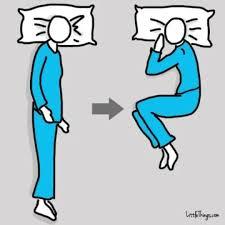
Tips to maintain side-sleeping:
- Use a body pillow for support
- Sew or tape a tennis ball to the back of your pajama top to prevent rolling over

- Elevate your head about 4 inches with a wedge pillow or bed risers
These simple changes improve airflow and can drastically reduce snoring naturally.
2. Maintain Healthy Sleep Habits
Poor sleep hygiene increases snoring by relaxing the muscles in your throat. Adults need 7–9 hours of quality sleep each night. Sleep deprivation deepens muscle relaxation, creating ideal conditions for snoring.
Natural sleep hygiene tips:
- Maintain a consistent bedtime routine
- Keep your bedroom cool (60–67°F), dark, and quiet
- Avoid screens and caffeine before bed

Quality sleep restores your body and minimizes snoring intensity.
3. Address Weight and Exercise
Excess weight—especially around the neck—narrows airways and increases snoring. Even small weight reductions can make a noticeable difference.
Focus on:
- A balanced diet rich in whole foods
- Reducing sugar and processed foods
- Regular exercise—at least 150 minutes of moderate activity per week
Physical activity not only helps with weight control but also strengthens throat and respiratory muscles, which play a key role in reducing snoring.

4. Practice Throat and Tongue Exercises
Oropharyngeal (throat) exercises strengthen the muscles that keep your airway open, reducing tissue vibration.
Try these daily:
- Tongue slide: Slowly slide your tongue backward along the roof of your mouth, then return to the starting position. Repeat several times.
- Tongue press: Press your tongue firmly against the roof of your mouth, hold for a few seconds, and release.
- Vowel sounds: Say the vowels — “A, E, I, O, U” — loudly and clearly for about three minutes. Repeat several times a day to strengthen throat muscles.
- Tongue curl: Curl your tongue backward toward your soft palate and hold briefly before relaxing.
- Jaw movement: Open your mouth wide and move your jaw to the right, hold for 30 seconds, then repeat on the left side.
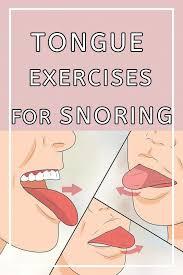
These exercises target the key areas that control airflow, helping to reduce the vibrations that cause snoring.
Cheek and Facial Exercises
Your facial muscles also play an important role in keeping your airways open.
- Lip pursing: Purse your lips tightly as if you’re about to whistle. Hold for several seconds, then relax.
- Cheek suction: Suck your cheeks inward between your teeth and hold for a few seconds. This strengthens the lateral throat muscles that support smoother breathing.
Perform these exercises twice a day — morning and evening — for the best results. Most people notice a significant improvement in snoring frequency and intensity within four to six weeks.
5. Optimize Nasal Breathing
Blocked nasal passages cause mouth breathing, a major contributor to snoring. Clearing congestion allows air to flow smoothly through the nose.
Natural nasal remedies:
- Take a warm shower before bed
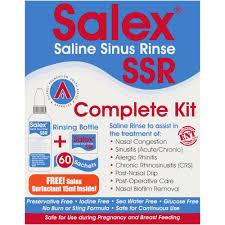
- Use a saline rinse or neti pot with distilled water
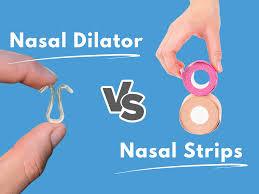
- Apply nasal strips or dilators for better airflow
For chronic allergies, reduce triggers with hypoallergenic bedding and HEPA air purifiers.
6. Use a Humidifier and Essential Oils
Dry air irritates nasal and throat tissues, leading to swelling and louder snoring. A humidifier adds moisture, soothing your airways.

Best essential oils for snoring:
- Peppermint oil – clears nasal passages

- Eucalyptus oil – reduces congestion
- Lavender oil – promotes relaxation

- Thyme oil – supports respiratory health
Use a diffuser or place a few drops near your pillow. Always dilute oils before topical use.
7. Avoid Alcohol and Sedatives
Alcohol relaxes throat muscles, increasing the risk of airway collapse. Even occasional drinking can trigger snoring.
Snoring prevention tips:
- Avoid alcohol 3–4 hours before bedtime
- Limit sedatives or sleep medications (consult your doctor first)
- Try natural sleep aids like chamomile tea, magnesium, or melatonin

8. Quit Smoking and Reduce Irritants
Smoking irritates the respiratory tract, causing inflammation and swelling that narrow airways. Even secondhand smoke can worsen snoring.
Natural solutions:
- Quit smoking or seek cessation support

- Keep your home smoke-free
- Avoid chemical cleaners, air fresheners, and perfumes
- Use natural cleaning products and ensure proper ventilation

When to Seek Professional Help
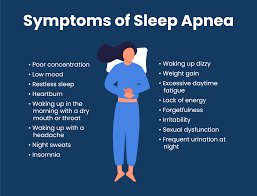
While natural remedies work for most mild to moderate snorers, some symptoms may signal a more serious issue:
Consult a doctor if you experience:
- Breathing pauses or gasping during sleep
- Extreme daytime fatigue
- Morning headaches
- Difficulty concentrating
These may indicate sleep apnea, which requires medical evaluation and treatment.
Frequently Asked Questions (FAQs)
Q: How long do natural remedies take to work?
Most people see improvements within 2–6 weeks. Positional changes work immediately, while exercises and weight management take longer.
Q: Can natural remedies completely stop snoring?
Yes—especially when snoring is caused by lifestyle or positional factors. Chronic or anatomical snoring may require medical help.
Q: Are throat exercises effective?
Yes. Studies confirm that oropharyngeal exercises significantly reduce snoring by strengthening throat muscles.
Q: Does sleep position really matter?
Absolutely. Side-sleeping can dramatically reduce snoring for many people. Combine it with other remedies for best results.
Q: Is snoring always dangerous?
Occasional snoring is normal, but chronic loud snoring could signal sleep apnea, which requires medical attention.
Final Thoughts: Embrace Natural Snoring Remedies for Better Sleep
Snoring doesn’t have to be a lifelong issue. By addressing its root causes through natural, non-invasive remedies, you can enjoy quieter nights and better health. From throat exercises and essential oils to simple lifestyle adjustments, small changes can make a big difference in your quality of sleep.
- News & Current Affairs
- Business & Economy
- Finance & Money
- Education & Learning
- Technology & Innovation
- Science & Environment
- Health & Wellness
- Food & Drink
- Home, Garden & Lifestyle
- Travel & Tourism
- Fashion & Beauty
- Art & Culture
- Entertainment & Media
- Sports & Recreation
- Personal Growth & Lifestyle
- Careers & Work
- Tutorials & How-To Guides
- Real Estate & Property
- Automotive
- Family & Relationships
- Environment & Sustainability
- Law & Legal Matters
- Gaming & Esports
- Religion & Spirituality
- Community & Local Voices
- Miscellaneous

 Arabic
 French
 Spanish
 Portuguese
 Deutsch
 Turkish
 Dutch
Dutch
 Italiano
 Russian
 Romaian
 Portuguese (Brazil)
 Greek
Greek
