


Nosebleed (Epistaxis):
What Causes It and How to Stop It Naturally
Ever had a nosebleed pop up out of nowhere? You’re definitely not alone. Nosebleeds — or epistaxis, if we’re being fancy — are super common and usually nothing to panic about. They can look dramatic (and messy!), but most of the time, they’re harmless and easy to manage at home.
Let’s talk about what causes them, how to stop one fast, and some simple ways to prevent them in the first place.
Why Nosebleeds Happen
The inside of your nose is lined with delicate blood vessels that can dry out or get irritated easily. The most common culprit? Dry air — especially during winter or when you’re running heaters or air conditioners all day. When the nasal lining dries out, it becomes crusty or cracked, making it more likely to bleed when you blow your nose, rub it, or even sneeze.
Other common triggers include:
-
Picking or rubbing your nose
-
Nose or facial injuries
-
Sinus or upper respiratory infections (from all that sneezing and blowing)
-
Allergies that irritate your nasal passages
-
Overuse of antihistamine or decongestant sprays
-
Blood-thinning medications like aspirin or warfarin
-
Breathing in strong chemicals or fumes
-
Recreational drugs that are inhaled
There are also a few less common causes, like high blood pressure, bleeding disorders, nasal polyps, pregnancy, or even nasal surgery — but those are far less frequent.

How to Stop a Nosebleed at Home
If you get a nosebleed, don’t freak out — just follow these easy steps:
-
Stay calm and breathe through your mouth.
-
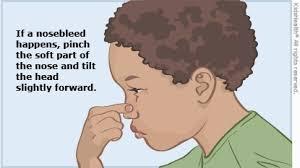
Sit up straight and lean forward slightly (this prevents blood from going down your throat).
-
Pinch your nostrils together — the soft part just below the bony bridge — and hold for about 10–15 minutes without peeking to check.
-
Use a tissue or damp washcloth to catch any blood.
-
Once it stops, avoid blowing or touching your nose for a few hours.
A cold compress over the bridge of your nose can also help constrict the blood vessels and slow the bleeding.

Easy Ways to Prevent Nosebleeds
You can do a lot to keep your nose healthy and bleed-free! Here are some tried-and-true prevention tips:
-
Keep your nasal passages moist. Use a saline spray or a homemade saline rinse two to three times a day.
-
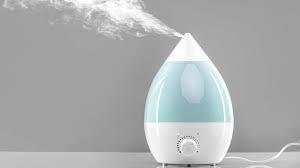
Add moisture to the air. Run a humidifier in your bedroom or living room — especially during dry seasons.
-
Apply a thin layer of ointment (like Vaseline or Ayr Gel) inside your nostrils with a cotton swab to lock in moisture.
-
Be gentle with your nose. Avoid blowing too hard or picking it.
-
Sneeze smart. Open your mouth when sneezing to release pressure and avoid irritation.
-
Watch your medications. Some pain relievers and blood thinners can increase bleeding — always talk to your doctor before making changes.
-
Manage allergies. If allergies are drying or irritating your nose, use treatments as directed and avoid overusing nasal sprays.
-
Quit smoking. Smoke dries and irritates your nasal lining.
-
Protect your face. If you play contact sports or work in risky environments, wear proper headgear.
And for parents — remind kids not to stick objects up their noses (yes, it happens!) and keep their nails trimmed to prevent accidental scratches.
When to See a Doctor
While most nosebleeds are harmless, you should get medical help if:
-
The bleeding doesn’t stop after 15–20 minutes
-
You lose more than a cup of blood
-
You have trouble breathing or feel dizzy
-
You’re vomiting blood
-
You’re on blood thinners or have a bleeding disorder
-
The nosebleed follows a serious injury
Bottom Line
Nosebleeds are common and, thankfully, easy to manage. Most stop with simple at-home care — a little pressure, patience, and moisture go a long way. Keeping your nasal passages hydrated, avoiding irritants, and treating allergies can drastically reduce how often you get them.
If you’re having frequent or severe nosebleeds, it’s always a good idea to check in with your doctor to rule out any underlying issues.
Take care of your nose — it does more work for you than you might realize!