


Obesity: Causes, Risks, and Natural Support for Healthy Weight Loss

Obesity is an increasingly serious global health concern, and even more alarming is the rising number of children affected by obesity. At its core, obesity is a chronic condition marked by excessive fat accumulation that places strain on nearly every system of the body. It is commonly defined as a Body Mass Index (BMI) of 30 or higher.
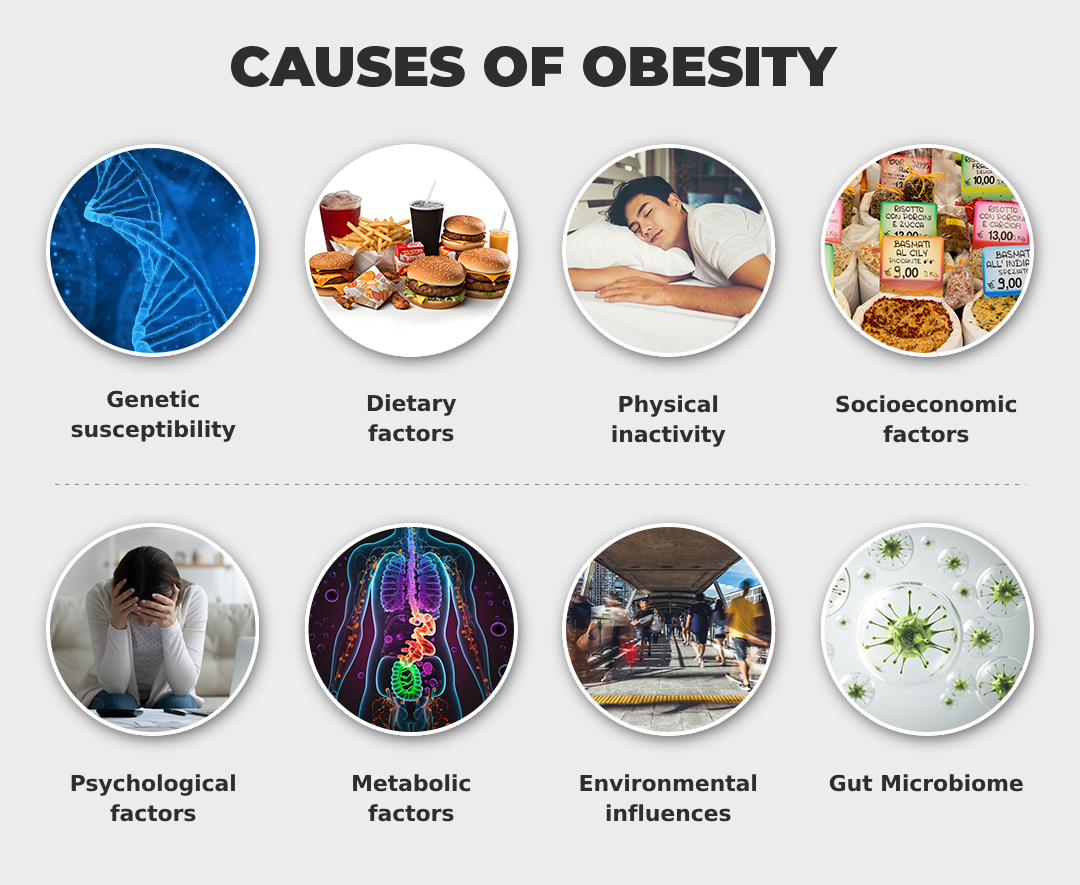
While hormones and genetics play a role, the most common causes remain poor diet and lack of physical activity. Modern lifestyles dominated by fast food, emotional eating, and inactivity have made weight gain easier than ever.
Main Causes of Obesity
Obesity develops from an imbalance between calories consumed and energy burned, influenced by several factors:
1. Dietary Habits
- Fast foods and junk foods
- Sugary drinks and refined carbohydrates
- Large portion sizes and processed meals
2. Physical Inactivity
- Sedentary jobs
- Excessive screen time
- Little structured exercise
Good movement options include jogging, brisk walking, aerobics, dancing, cycling, yoga, tai chi, gardening, and fitness classes.
3. Medical & Hormonal Factors
- Underactive thyroid
- PCOS (Polycystic ovary syndrome)
- Certain medications (antidepressants, steroids, beta blockers)
4. Genetics
-
Genetics account for about 40%–70% of obesity risk
-
Many genes (polygenic) influence appetite, metabolism, and fullness
-
Rare single-gene mutations (e.g. MC4R, LEP) can strongly affect weight
-
Lifestyle still matters, but genes shape how the body stores fat and responds to food
4. Psychological & Lifestyle Factors
- Emotional eating
- Food cravings
- Stress and lack of sleep
- Yo-yo dieting (which slows metabolism over time)
Health Risks of Obesity
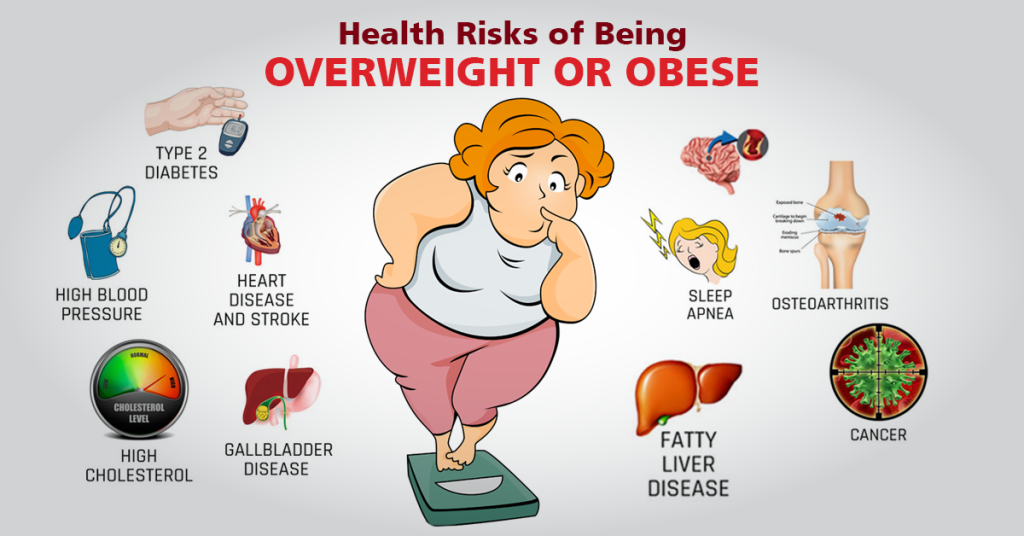
Obesity increases the risk of many serious and life-threatening conditions:
Cardiovascular & Metabolic Risks
- High blood pressure
- High cholesterol
- Heart disease, heart attack, stroke
- Type 2 diabetes
- Fatty liver disease
Musculoskeletal Problems
- Back pain and spinal issues
- Joint pain and arthritis
- Gout
- Muscle spasms and chronic pain
Respiratory Issues
- Snoring
- Sleep apnoea
- Reduced lung function
Digestive & Hormonal Problems
- Acid reflux and heartburn
- Gall bladder disease
- Hormonal imbalance
- Infertility and pregnancy complications
Circulatory & Bladder Problems
- Varicose veins and leg ulcers
- Bladder incontinence
Cancer Risk
Obesity is linked to cancers of the:
- Breast
- Colon
- Uterus
- Ovaries
- Prostate
Foods to Avoid
These foods increase cravings, blood sugar spikes, and fat storage:
- Fast foods and junk foods
- Sugar, sweets, pastries, and biscuits
- Ice cream and chocolate
- Carbonated and energy drinks
- Fried and fatty foods
- Processed and instant foods
- Refined carbohydrates
- Artificial sweeteners
- Salty snacks and crisps
- Alcohol and smoking
These foods promote binge eating and make weight loss harder.
Foods to Eat
A healthy diet should focus on whole, natural foods:
- Fresh fruit and vegetables
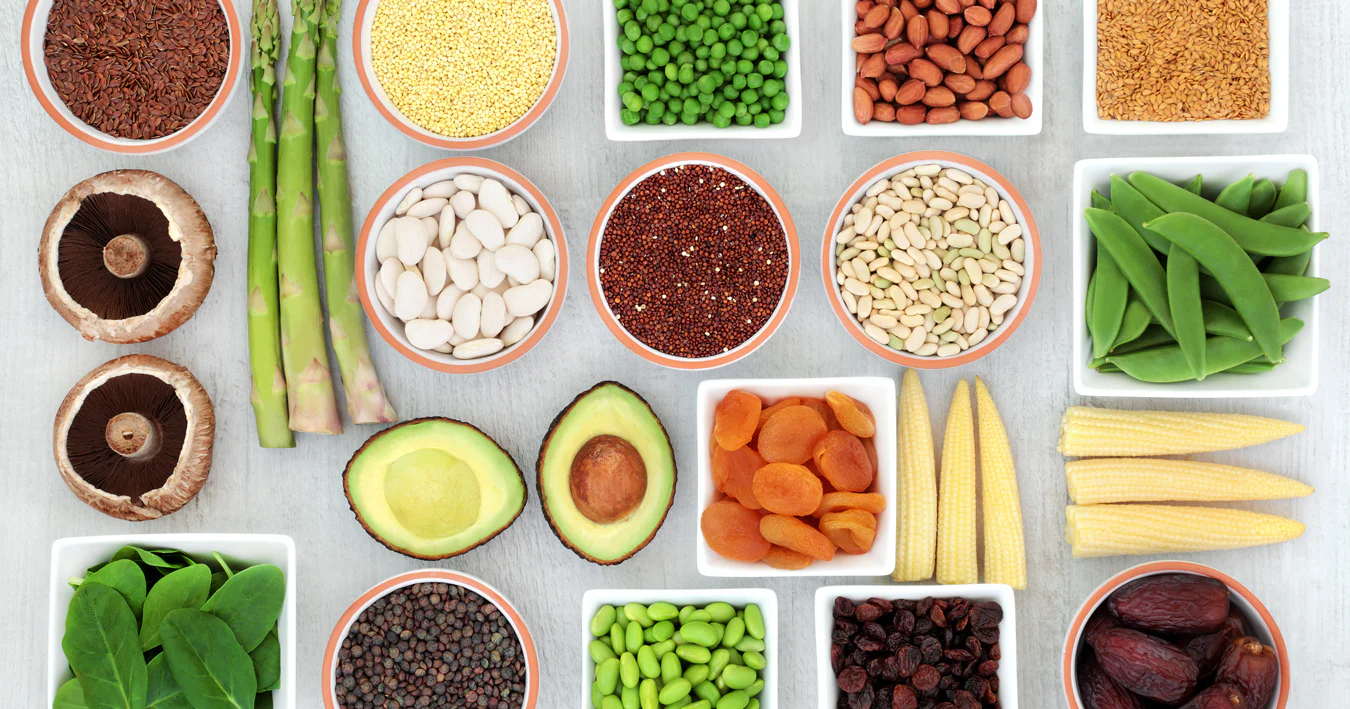
- Nuts and seeds
- Whole grains
- Lean protein
- Legumes
Healthy Snack Ideas
- Almonds, Brazil nuts, pecans, or hemp seeds
- Chickpeas with lemon juice and a pinch of rock salt
- Smoothies with blueberries, strawberries, papaya, apples
- Pears with carrots
- Beetroot with apple
- Raw cacao nibs for chocolate cravings
Daily Habits & Lifestyle Strategies
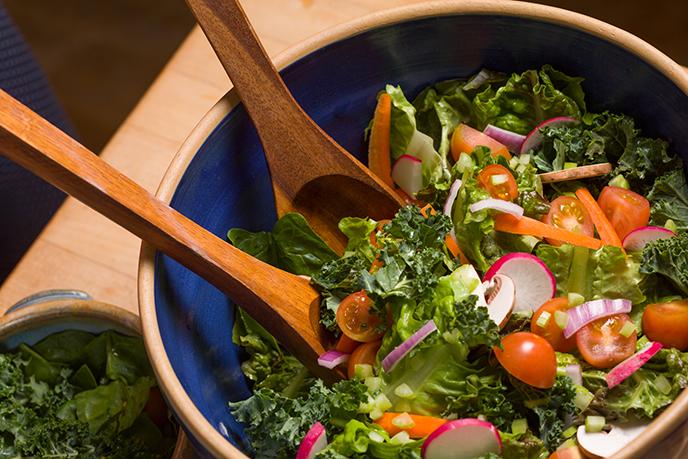
- Eat a large salad daily
- Eat small, regular meals during the day
- Grow herbs and greens like parsley, spinach, rocket, and kale
- Eat oats with plain yoghurt, seeds, and a touch of honey
- Drink ginger tea to boost metabolism
- Drink at least 8 glasses of water per day, 30 minutes before or after a meal, it helps to rehydrate and flush out toxins
- Avoid heavy meals at night
- Chew fennel seeds to aid digestion
- Aim for movement daily
- Work on mindset and motivation
- Replace negative thoughts with achievable goals
Natural & Nutritional Support
Common supportive supplements include:
- Vitamin B complex
- Vitamin C and D
- Coenzyme Q10
- Digestive enzymes
- Lecithin
- Flax oil
- Zinc, magnesium, and manganese
Garlic (fresh or capsule form) may support appetite control and fat metabolism.
Tissue salts (No. 1, 2, and 9) are traditionally used for metabolic balance.
Final Thoughts
Obesity is a complex, long-term condition influenced by diet, activity, genetics, hormones, and emotional health. There is no quick fix, but with steady lifestyle changes, balanced nutrition, and regular movement, lasting improvement is possible.
The key is consistency, not perfection. Small daily changes add up to powerful results. Most importantly, always consult a healthcare professional before beginning any weight-loss program, especially if you have medical conditions or take medication.
Your body can heal, it just needs the right support.


- News & Current Affairs
- Business & Economy
- Finance & Money
- Education & Learning
- Technology & Innovation
- Science & Environment
- Health & Wellness
- Food & Drink
- Home, Garden & Lifestyle
- Travel & Tourism
- Fashion & Beauty
- Art & Culture
- Entertainment & Media
- Sports & Recreation
- Personal Growth & Lifestyle
- Careers & Work
- Tutorials & How-To Guides
- Real Estate & Property
- Automotive
- Family & Relationships
- Environment & Sustainability
- Law & Legal Matters
- Gaming & Esports
- Religion & Spirituality
- Community & Local Voices
- Miscellaneous

 Arabic
 French
 Spanish
 Portuguese
 Deutsch
 Turkish
 Dutch
Dutch
 Italiano
 Russian
 Romaian
 Portuguese (Brazil)
 Greek
Greek
