


Tim Berners-Lee: The Man Who Gave the World the Web
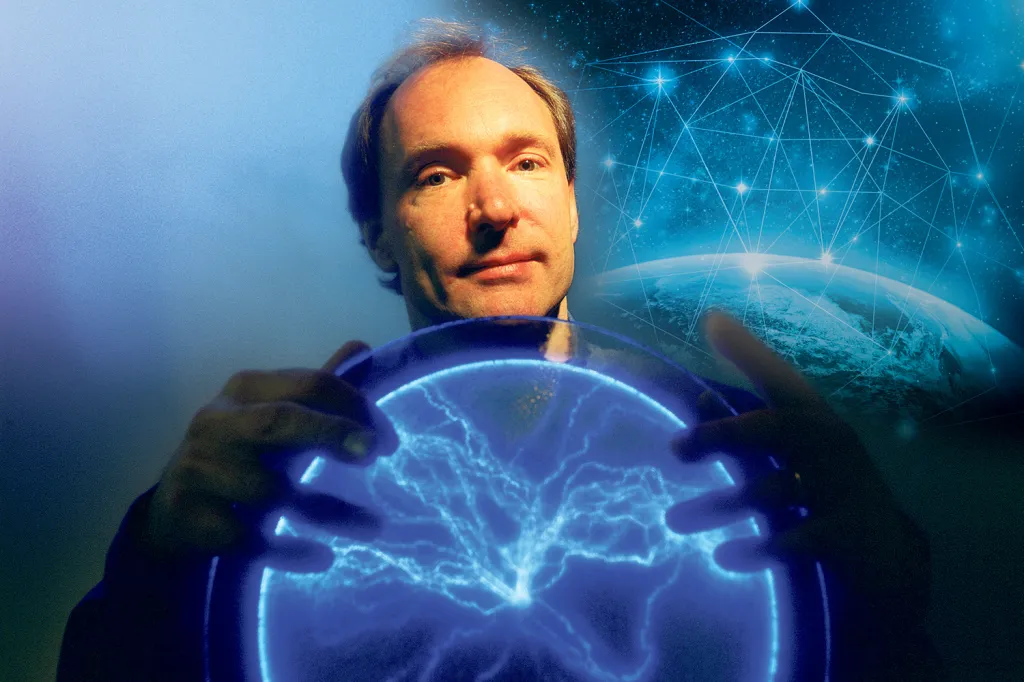
Sir Tim Berners-Lee (born 1955) is the British computer scientist who invented the World Wide Web in 1989 while working at CERN. By developing the core technologies, HTTP, HTML, and URIs and releasing them freely to the public, he transformed how humanity communicates, learns, and connects.
His decision not to patent the Web ensured it would remain open, decentralized, and accessible to everyone.
Early Life and Education
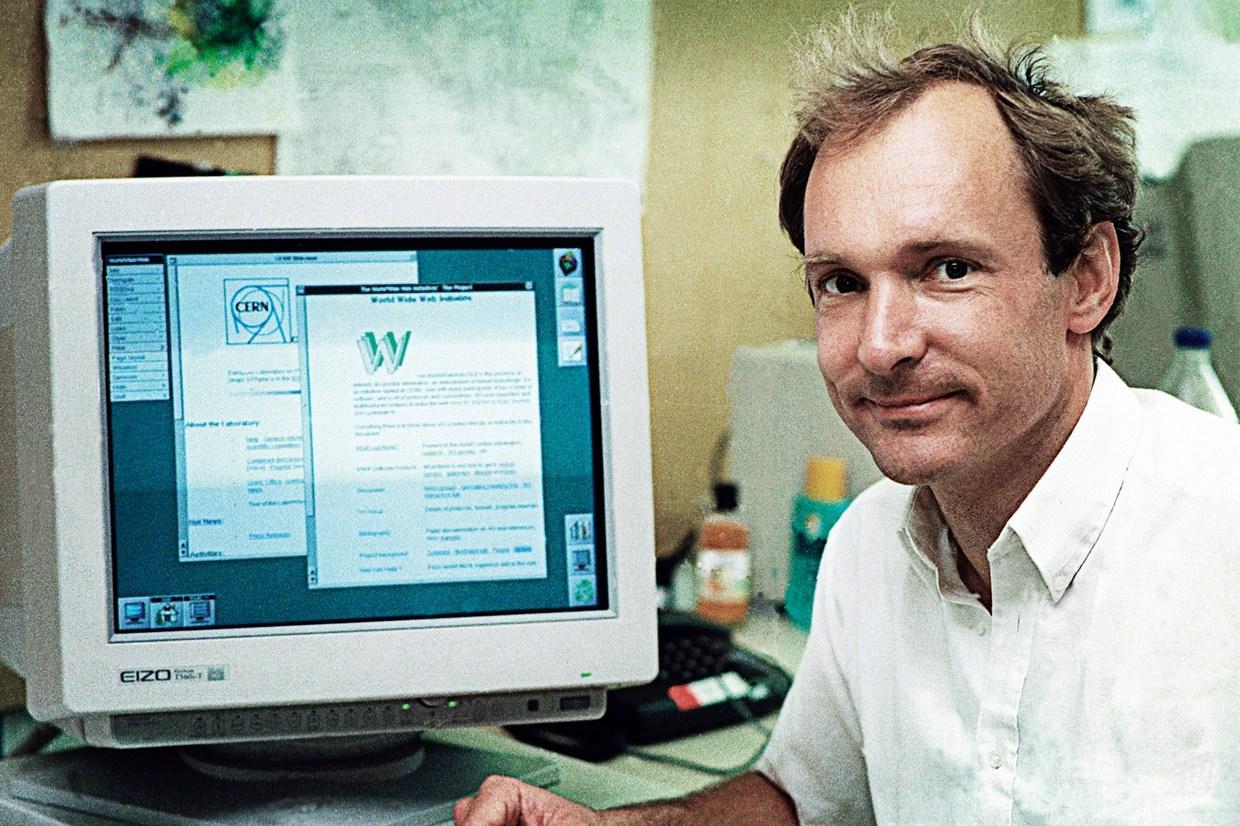
Born in London, Berners-Lee grew up in a household steeped in computing. His parents worked on the Ferranti Mark 1, one of the world’s earliest commercial computers. Surrounded by discussions of logic and programming from a young age, he developed a fascination with technology.
He graduated from Queen’s College, Oxford, in 1976 with a degree in physics. During his university years, he even built his own computer using spare parts, an early sign of the ingenuity that would later change the world.
The Birth of the World Wide Web (1989–1991)
While working as a contractor at CERN in Switzerland, Berners-Lee noticed a problem: scientists across the globe struggled to share information efficiently. Different systems couldn’t easily communicate with one another.
His solution was revolutionary yet elegantly simple:
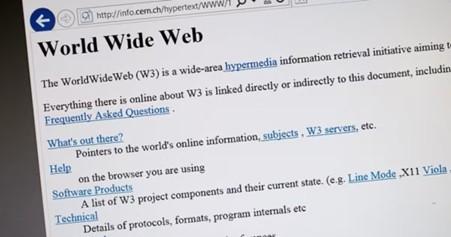
- HTTP (HyperText Transfer Protocol) – for communication between servers and browsers
- HTML (HyperText Markup Language) – for structuring web pages
- URIs (Uniform Resource Identifiers) – for identifying and locating resources online
He also created the first web browser and web server.
On August 6, 1991, the first website went live, marking the birth of the World Wide Web.
Champion of an Open Internet
In 1994, Berners-Lee founded the World Wide Web Consortium (W3C) at MIT to develop global web standards and ensure the Web remained open and interoperable.
Unlike many inventors, he refused to patent his creation. His belief was clear:
The Web should belong to everyone.
He later became a founding director of the World Wide Web Foundation, advocating for the web as a global public good and basic human right.
In 2012, during the London Olympics opening ceremony, he sent a message viewed by nearly a billion people:
“This is for everyone.”
Current Work and Data Rights
Berners-Lee continues to work on improving the Web. As co-founder and CTO of Inrupt, he supports the Solid project, which aims to give users greater control over their personal data online.
In an era of data breaches, misinformation, and centralized tech power, he remains a vocal advocate for digital privacy, transparency, and ethical internet governance.
Honors and Recognition
Sir Tim Berners-Lee’s contributions have earned global recognition:
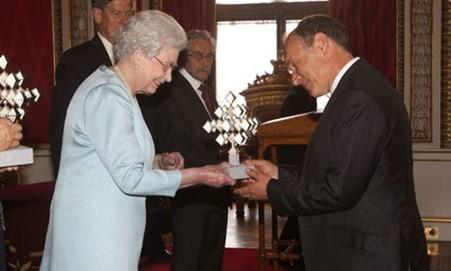
- Knighted by Queen Elizabeth II in 2004
- Recipient of the 2016 ACM A.M. Turing Award (often called “computing’s Nobel Prize”)
- Awarded the Order of Merit in the UK
- Named one of Time Magazine’s “100 Most Important People of the 20th Century”
He currently serves as a professor at both the University of Oxford and MIT.
Final Thoughts
Sir Tim Berners-Lee did more than invent a technology, he reshaped civilization. The World Wide Web revolutionized communication, education, commerce, media, and culture in just a few decades.
What makes his achievement even more extraordinary is his philosophy: openness over ownership, collaboration over control. By giving the Web away freely, he ensured that innovation could flourish across borders and generations.
In a digital age filled with challenges, his vision continues to remind us that technology should serve humanity, not the other way around.

- News & Current Affairs
- Business & Economy
- Finance & Money
- Education & Learning
- Technology & Innovation
- Science & Environment
- Health & Wellness
- Food & Drink
- Home, Garden & Lifestyle
- Travel & Tourism
- Fashion & Beauty
- Art & Culture
- Entertainment & Media
- Sports & Recreation
- Personal Growth & Lifestyle
- Careers & Work
- Tutorials & How-To Guides
- Real Estate & Property
- Automotive
- Family & Relationships
- Environment & Sustainability
- Law & Legal Matters
- Gaming & Esports
- Religion & Spirituality
- Community & Local Voices
- Miscellaneous

 Arabic
 French
 Spanish
 Portuguese
 Deutsch
 Turkish
 Dutch
Dutch
 Italiano
 Russian
 Romaian
 Portuguese (Brazil)
 Greek
Greek
