


Leonardo da Vinci: The Ultimate Renaissance Man
Early Life and Apprenticeship
Leonardo was born on April 15, 1452, the son of a notary, Ser Piero, and a peasant woman named Caterina. Because he was born out of wedlock, Leonardo did not receive a classical university education, but this may have been a blessing in disguise. Free from rigid academic traditions, he pursued knowledge through observation, experimentation, and drawing.
At around age 14, his father apprenticed him to the famous Florentine artist Andrea del Verrocchio. There, Leonardo mastered painting, sculpture, mechanics, and design. His talent was so extraordinary that when he painted an angel in Verrocchio’s Baptism of Christ, legend says his master never painted again.
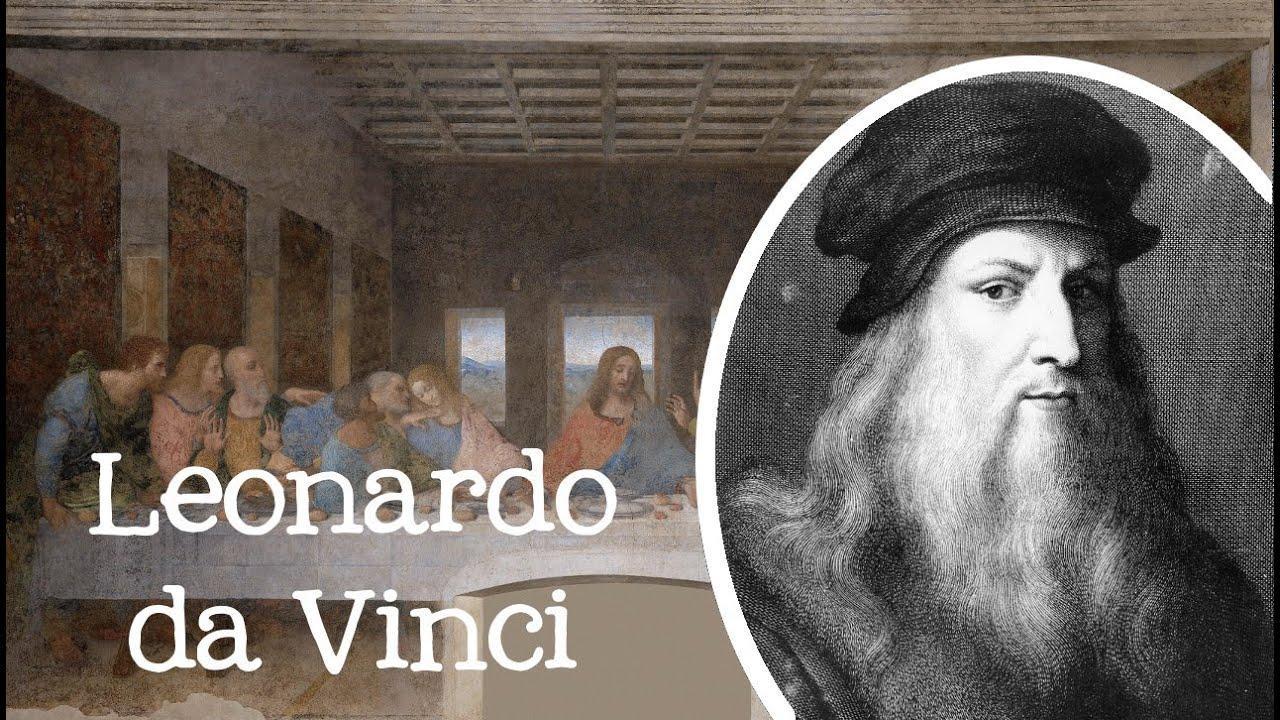
His masterpieces such as The Mona Lisa and The Last Supper made him immortal, but his notebooks reveal an even greater legacy: a mind centuries ahead of its time.
Milan: Art, Science, and Invention
In 1482, Leonardo moved to Milan to serve Duke Ludovico Sforza. Over the next 17 years, he worked as an artist, engineer, architect, and court designer.
During this period, he created:
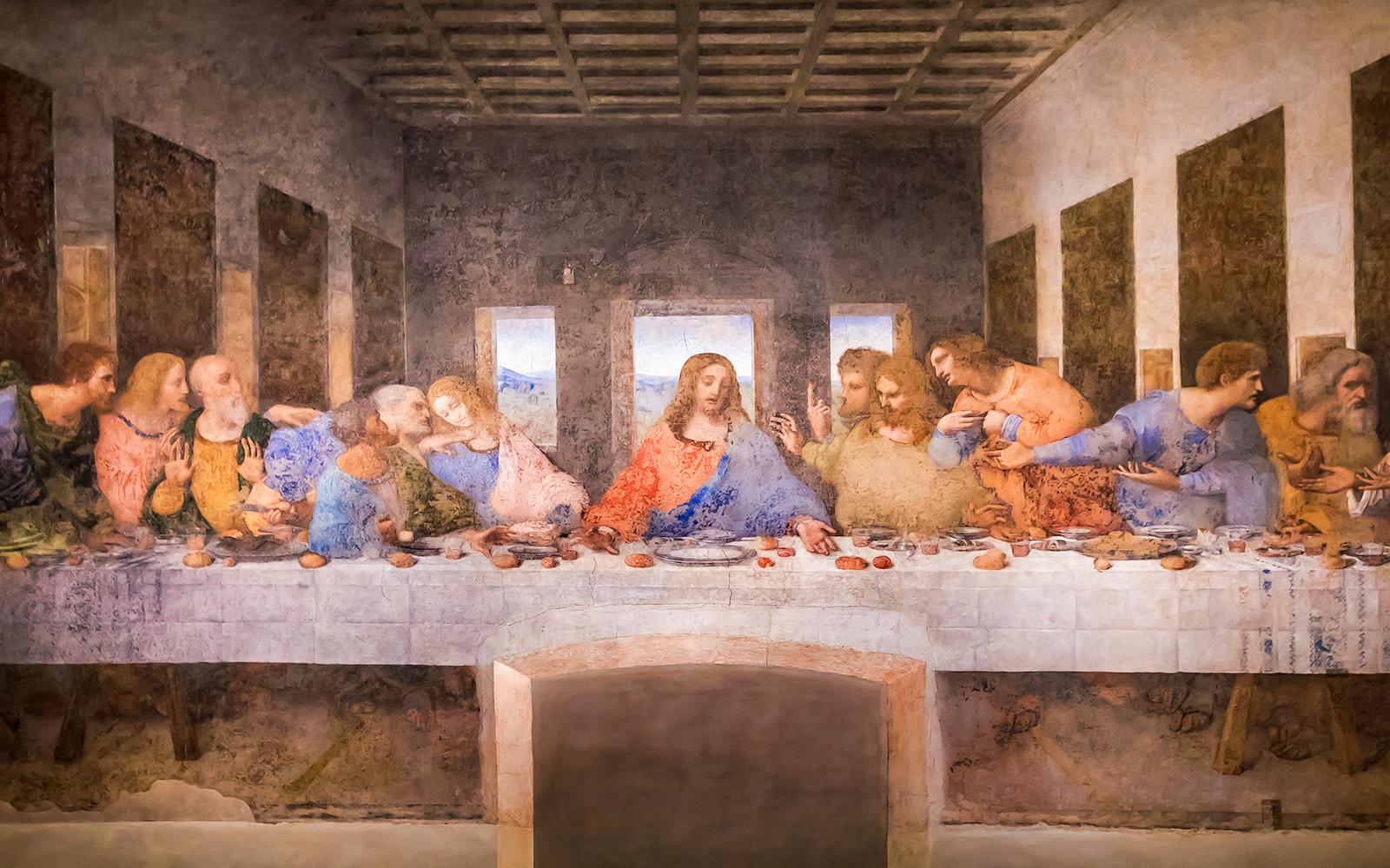
- The Last Supper – one of the most famous paintings in history
- The Virgin of the Rocks
- Designs for a massive bronze horse statue (never completed)
A Mind Centuries Ahead of Its Time
Leonardo’s notebooks contain over 7,000 pages of sketches and ideas covering:
- Anatomy
- Engineering
- Flight
- Hydraulics
- Optics
- Botany
- Geology
- Astronomy
He also began his groundbreaking studies of human anatomy, performing dissections and producing the most accurate anatomical drawings of his time.
Return to Florence and the Mona Lisa
After political upheaval in Milan, Leonardo returned to Florence around 1500. There, he began work on what would become the most famous portrait in history: the Mona Lisa.
Her mysterious smile, soft shadows (sfumato technique), and psychological depth changed portrait painting forever.
During this time, Leonardo also competed with Michelangelo for a major mural commission, though neither artist finished their work.

Later Years in Rome and France
Leonardo later worked in Rome for Pope Leo X, continuing his scientific research and anatomical studies. However, restrictions on dissections limited his progress.
In 1516, King Francis I of France invited Leonardo to live at his court, giving him the title Premier Painter, Engineer, and Architect of the King. Leonardo spent his final years in a manor near the royal château at Amboise, continuing to draw, study nature, and teach.
He died on May 2, 1519, at the age of 67. Legend says King Francis held his head as he passed.
Final Thoughts
Leonardo da Vinci was not just a painter or inventor, he was a force of human curiosity. He asked questions no one else dared to ask and imagined technologies hundreds of years before they became possible. He believed knowledge should come from experience, not just books. To Leonardo, art and science were inseparable, both were ways to understand the laws of nature.
More than five centuries later, his work continues to inspire artists, scientists, engineers, and dreamers. Leonardo reminds us that the greatest discoveries begin with wonder, and that the human mind has no limits when guided by curiosity.
He truly was the ultimate Renaissance Man.

- News & Current Affairs
- Business & Economy
- Finance & Money
- Education & Learning
- Technology & Innovation
- Science & Environment
- Health & Wellness
- Food & Drink
- Home, Garden & Lifestyle
- Travel & Tourism
- Fashion & Beauty
- Art & Culture
- Entertainment & Media
- Sports & Recreation
- Personal Growth & Lifestyle
- Careers & Work
- Tutorials & How-To Guides
- Real Estate & Property
- Automotive
- Family & Relationships
- Environment & Sustainability
- Law & Legal Matters
- Gaming & Esports
- Religion & Spirituality
- Community & Local Voices
- Miscellaneous

 English
 Arabic
 French
 Spanish
 Portuguese
 Deutsch
 Turkish
 Dutch
Dutch
 Italiano
 Russian
 Portuguese (Brazil)
 Greek
Greek
