


The New Seven Wonders of the World: A Modern Celebration of Human Achievement

With only one of the original Seven Wonders of the Ancient World still standing, the Great Pyramid of Giza, a Swiss foundation launched a global initiative at the turn of the 21st century to recognize new marvels of human history.
A Global Vote for Global Wonders
In 2001, a worldwide public vote began to select the New Seven Wonders of the World, celebrating extraordinary sites that continue to inspire awe today. More than 150 monumental sites were considered. The final selection was reviewed by a panel of respected experts, including former UNESCO Director-General Federico Mayor, before the winners were announced.
After years of international participation and debate, the final list - now known as the Modern Seven Wonders of the World, was officially revealed on July 7, 2007.
These sites were chosen not only for their architectural brilliance, but also for their historical, cultural, and symbolic importance to humanity.
The New Seven Wonders
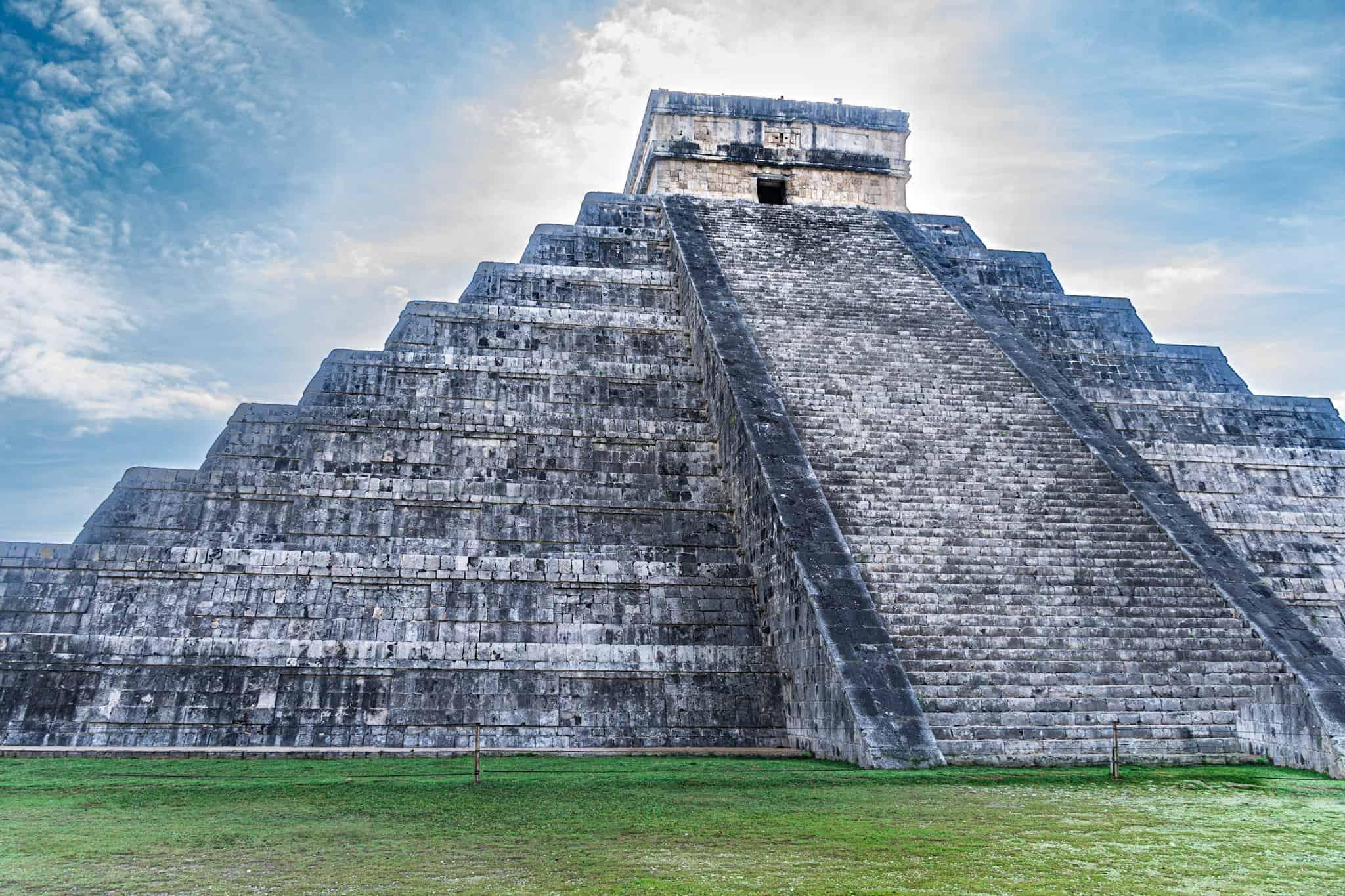
Chichén Itzá (Mexico)
One of the most significant Mayan archaeological sites, Chichén Itzá flourished between the Late Classic and Postclassic periods. Its most famous structure, the Temple of Kukulcán (El Castillo), demonstrates astonishing astronomical precision. During the spring equinox, sunlight creates the illusion of a feathered serpent descending the pyramid’s steps.
The site also includes the Temple of the Warriors, the Caracol observatory, and the Sacred Cenote, where offerings were made. Influences from the Toltec civilization are clearly visible, highlighting cultural exchange in ancient Mesoamerica. Chichén Itzá has been a UNESCO World Heritage Site since 1988.
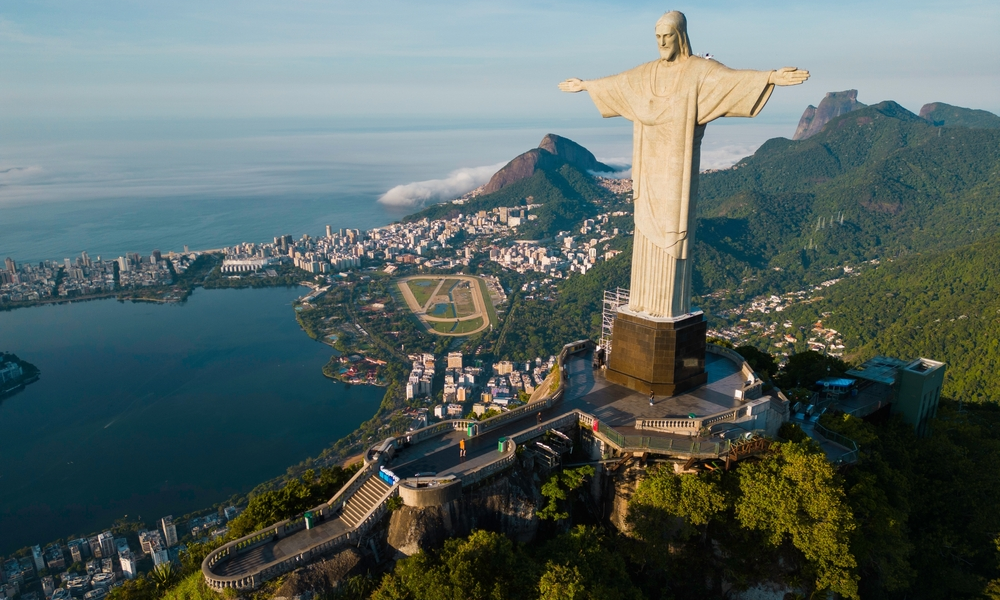
Christ the Redeemer (Brazil)
Overlooking Rio de Janeiro, Christ the Redeemer is one of the most recognizable statues in the world. Built between 1922 and 1931 to commemorate Brazil’s independence centenary, the statue stands nearly 100 feet tall, with arms stretching 92 feet wide.
Designed by a French-Polish sculptor and Brazilian and French engineers, it sits atop Corcovado Mountain in a national park. Although the statue itself is not individually listed by UNESCO, the city of Rio de Janeiro is a World Heritage Site. Christ the Redeemer is the most recently built of the New Seven Wonders.
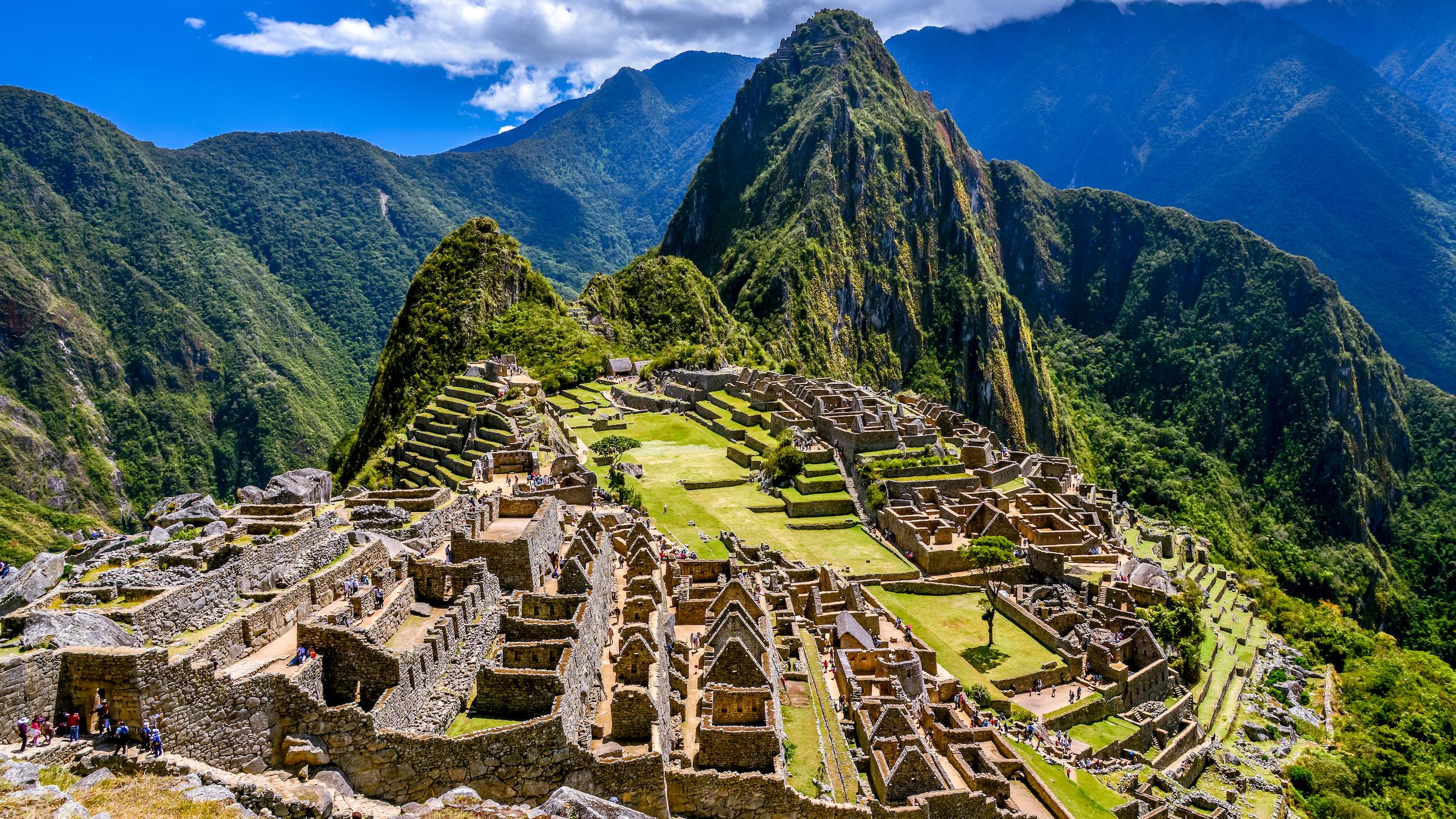
Machu Picchu (Peru)
Hidden high in the Andes Mountains at nearly 8,000 feet, Machu Picchu is an extraordinary Inca city built in the 15th century, likely for Emperor Pachacuti. Abandoned soon after its construction and unknown to Europeans for centuries, it was brought to global attention in 1911.
The site contains around 200 structures, carefully integrated into the rugged mountain landscape. Its stonework, road systems, and terraces demonstrate remarkable engineering skill. Today, Machu Picchu is one of the world’s most visited archaeological sites and a symbol of Inca ingenuity.
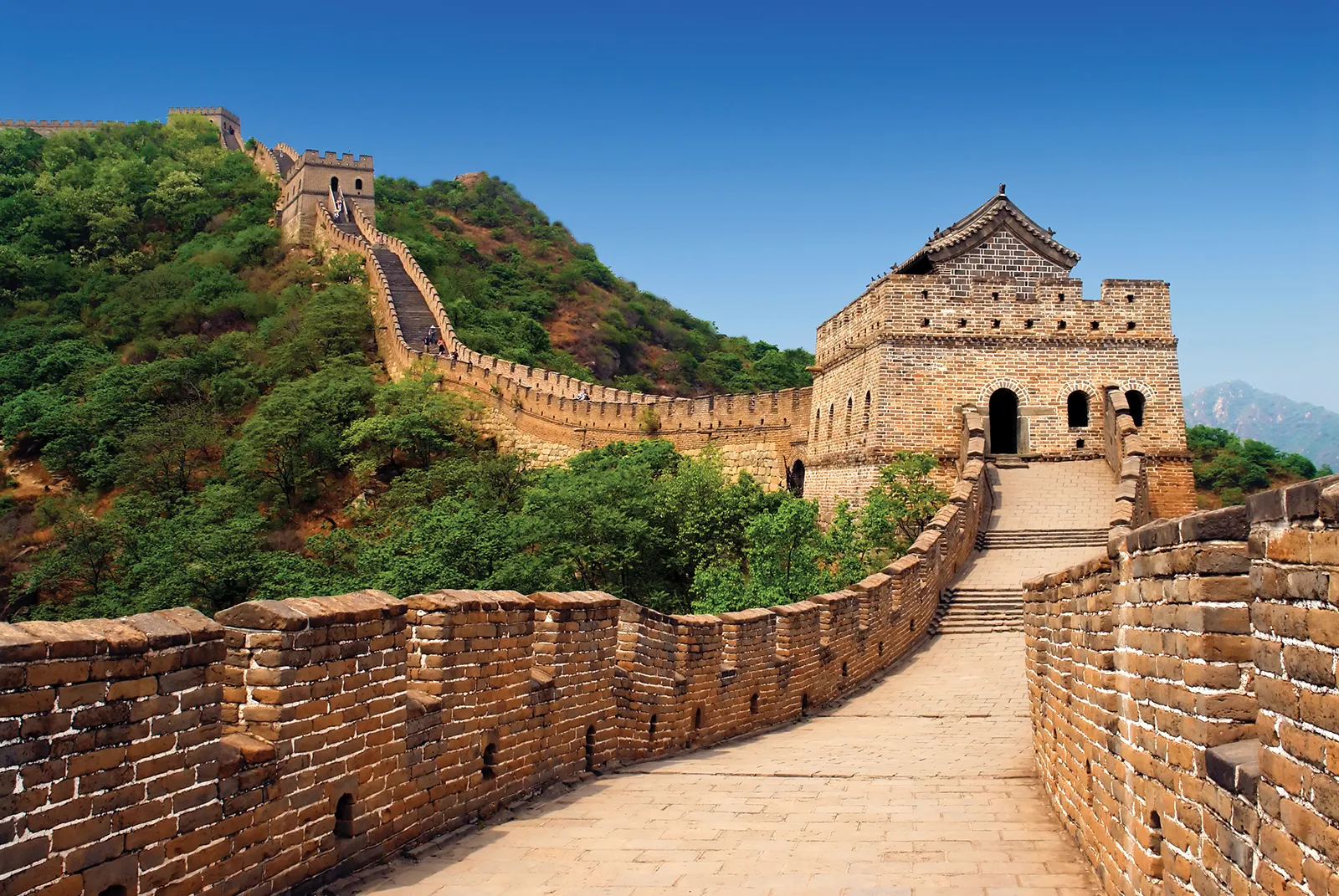
The Great Wall of China (China)
Stretching over 21,000 kilometres, the Great Wall is not a single structure but a vast network of walls built over many centuries. Construction began as early as the 7th century BCE, with the most well-preserved sections dating to the Ming Dynasty.
Built to defend against northern invasions, the wall also helped control trade and movement. Made from stone, brick, earth, and natural terrain, it remains one of the most ambitious military engineering projects ever attempted and a powerful symbol of Chinese history.
Petra (Jordan)
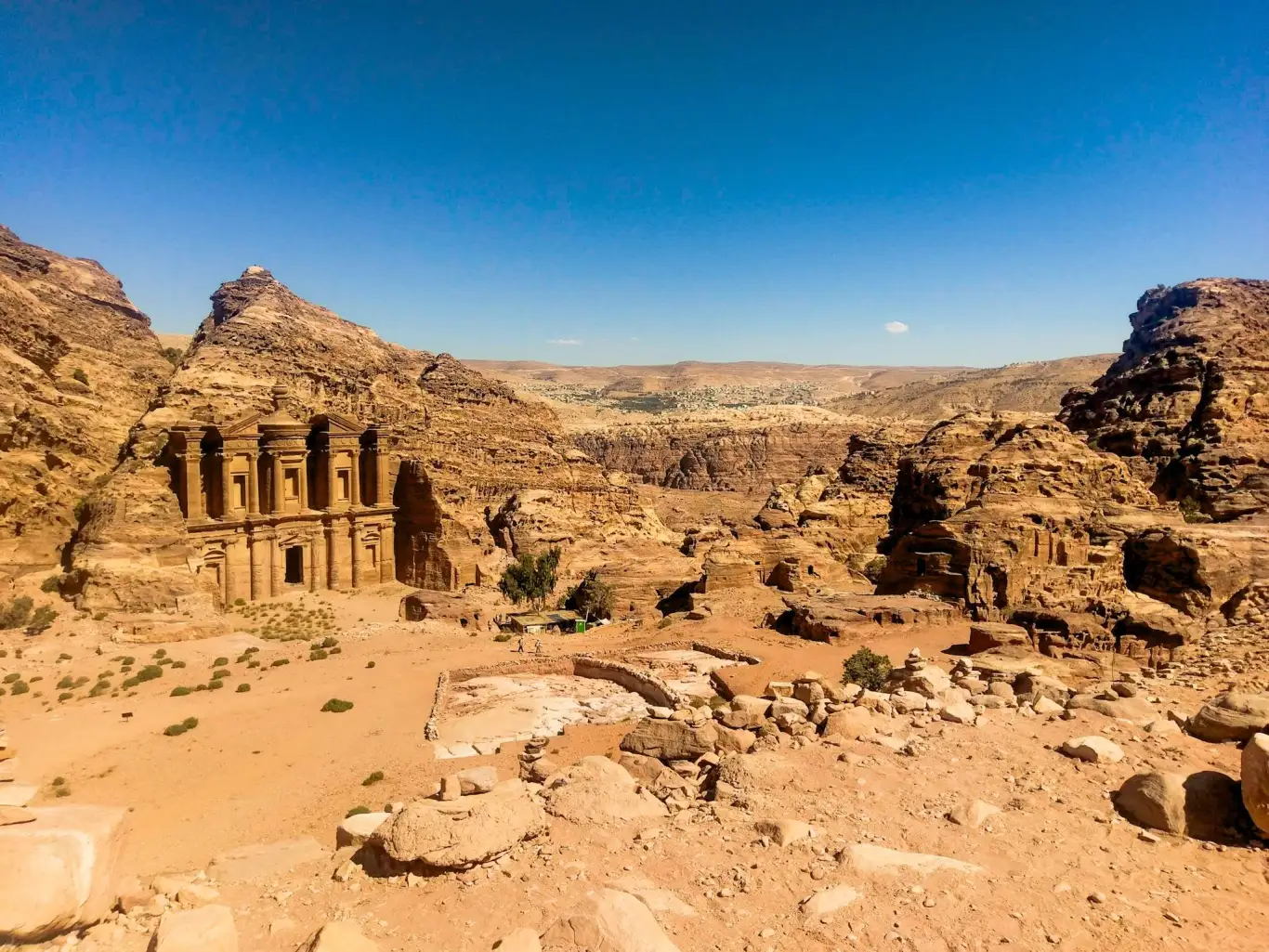
Carved directly into rose-red cliffs, Petra was the capital of the ancient Nabataean Kingdom and a vital hub on major trade routes. Founded as early as the 6th century BCE, the city flourished until Roman conquest and later earthquakes led to its decline.
Rediscovered by Swiss explorer Johann Ludwig Burckhardt in 1812, Petra is famed for structures like Al-Khazneh (The Treasury). Its blend of natural beauty and human craftsmanship makes it one of the most visually striking wonders in the world.
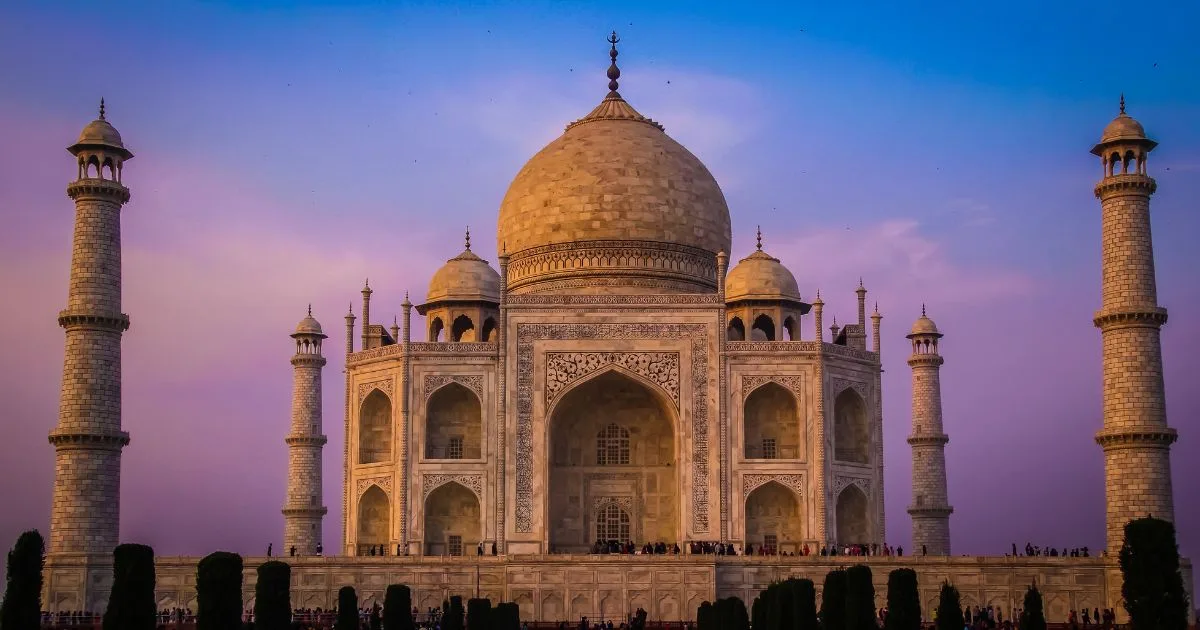
Taj Mahal (India)
The Taj Mahal is a masterpiece of Mughal architecture, built by Emperor Shah Jahan in memory of his wife Mumtaz Mahal. Completed in 1648 after 17 years of construction, the white marble mausoleum is celebrated for its perfect symmetry, intricate carvings, and serene gardens.
When Shah Jahan died, he was buried beside his wife, with his tomb slightly offset, the only break in the monument’s flawless balance. Today, the Taj Mahal stands as a global symbol of love, peace, and architectural perfection.
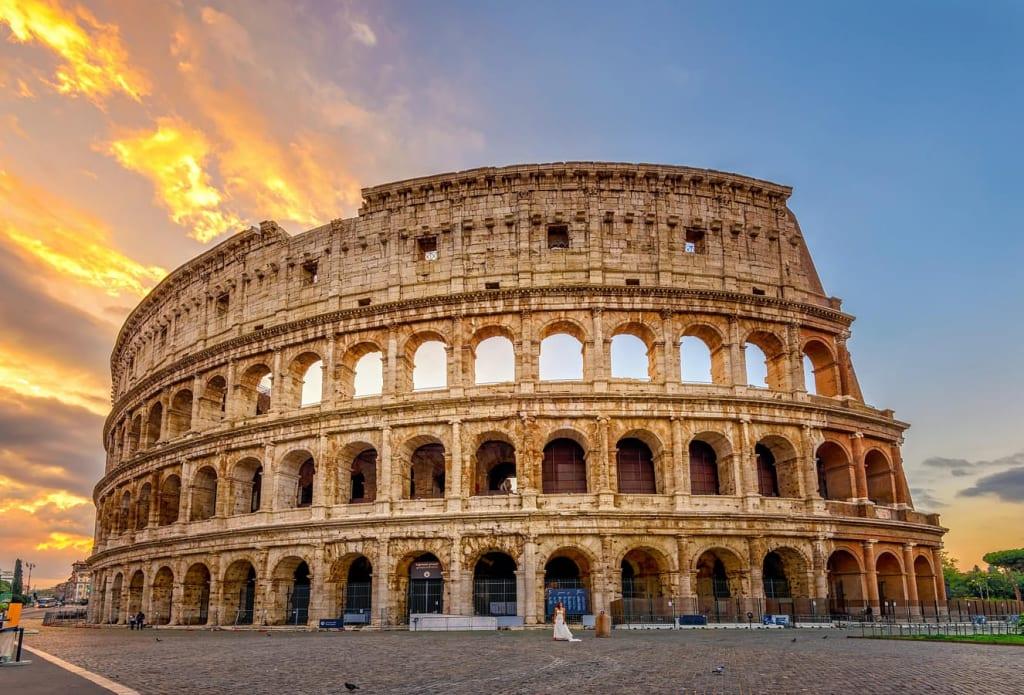
The Colosseum (Italy)
Rising above the ruins of ancient Rome, the Colosseum - also known as the Flavian Amphitheatre, was begun by Emperor Vespasian in 72 AD and completed by Emperor Titus.
Capable of holding up to 80,000 spectators, it hosted gladiator contests, animal hunts, reenactments of battles, and public spectacles. Its complex system of arches, underground chambers, and engineering innovations reflects the immense power and sophistication of the Roman Empire.
Final Thoughts
The New Seven Wonders of the World remind us that human creativity, ambition, and craftsmanship span continents and centuries. From ancient cities carved into mountains to monumental structures built to honour faith, power, and love, these sites connect us to our shared global heritage.
In a world where many historic landmarks face threats from time, conflict, and climate, initiatives like this help raise awareness of the importance of preserving cultural heritage. It is fitting that we also recognize the International Day for Monuments and Sites, celebrated every year on 18 April, honouring the world’s irreplaceable historical treasures.


- News & Current Affairs
- Business & Economy
- Finance & Money
- Education & Learning
- Technology & Innovation
- Science & Environment
- Health & Wellness
- Food & Drink
- Home, Garden & Lifestyle
- Travel & Tourism
- Fashion & Beauty
- Art & Culture
- Entertainment & Media
- Sports & Recreation
- Personal Growth & Lifestyle
- Careers & Work
- Tutorials & How-To Guides
- Real Estate & Property
- Automotive
- Family & Relationships
- Environment & Sustainability
- Law & Legal Matters
- Gaming & Esports
- Religion & Spirituality
- Community & Local Voices
- Miscellaneous

 Arabic
 French
 Spanish
 Portuguese
 Deutsch
 Turkish
 Dutch
Dutch
 Italiano
 Russian
 Romaian
 Portuguese (Brazil)
 Greek
Greek
