


Hyperthyroidism: Symptoms, Causes, Natural Support and Treatment Options

Hyperthyroidism is a condition caused by the overactivity of the thyroid gland, leading to the production of excessive thyroid hormones. These hormones play a vital role in regulating metabolism, the process by which the body converts food into energy. When hormone levels are too high, the body’s systems speed up, often resulting in a wide range of physical and emotional symptoms.
Symptoms of Hyperthyroidism
Metabolic Symptoms
- Unexplained weight loss
- Increased appetite
- Excessive sweating
- Heat intolerance
Heart-Related Symptoms
- Rapid or pounding heartbeat (palpitations)
- Irregular heart rhythm
Neurological and Mood Symptoms
- Anxiety, nervousness, irritability
- Fatigue and restlessness
- Difficulty concentrating
- Hand tremors
- Sleep disturbances
Physical Changes
- Goiter (swelling at the front of the neck)
- Frequent bowel movements or diarrhea
- Thinning hair and skin
- Brittle nails
- Changes in menstrual cycles
Eye Symptoms (especially in Graves’ disease)
- Redness or irritation
- Bulging eyes
- Light sensitivity

Causes and Risk Factors
The most common cause of hyperthyroidism is Graves’ disease, an autoimmune disorder in which the immune system overstimulates the thyroid. Other contributing factors include:

- Thyroiditis: Inflammation of the thyroid gland
- Excess iodine intake: From diet or certain medications

- Risk factors: Family history, autoimmune conditions, recent pregnancy, being female, and age over 60
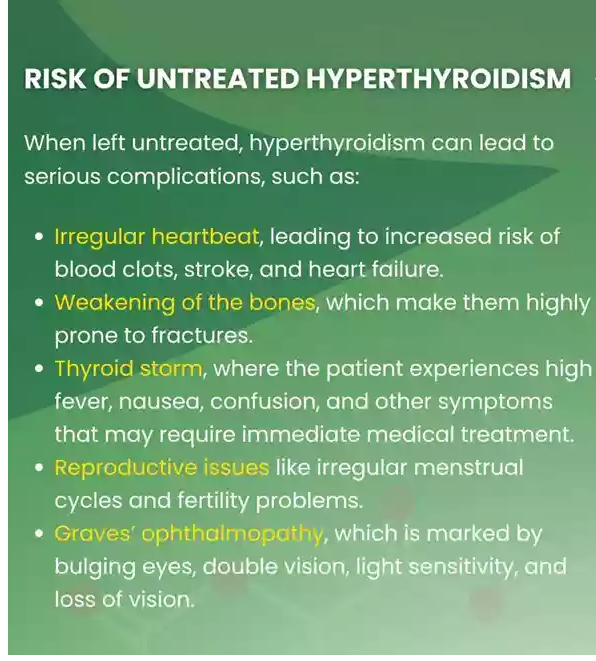
Possible Complications
If left untreated, hyperthyroidism can lead to serious health concerns, including:
- Osteoporosis (weak and brittle bones)
- Heart conditions such as atrial fibrillation and heart failure
- Thyroid storm (a rare but life-threatening complication)
- Vision problems related to Graves’ ophthalmopathy
Conventional Treatment Options
Medical treatment is essential to control hormone levels and prevent complications. Common approaches include:
- Anti-thyroid medications to reduce hormone production
- Radioactive iodine therapy to shrink or destroy overactive thyroid tissue
- Surgery (thyroidectomy) to remove part or all of the thyroid gland

Lifestyle and Support Strategies
Holistic approaches can complement medical treatment and improve quality of life when used responsibly.
Stress Management
Chronic stress may worsen symptoms. Helpful practices include mindfulness meditation, deep breathing exercises, yoga, and Tai Chi.
Rest and Sleep
Because hyperthyroidism increases metabolic demands, adequate rest is essential. Aim for 7–9 hours of quality sleep each night.

Gentle Exercise
Low-impact activities such as walking, swimming, or yoga help maintain muscle strength, support mood, and reduce stress without overloading the heart.
Avoid Smoking
Smoking is linked to the development and worsening of thyroid eye disease and may increase the risk of symptom recurrence after treatment.
Dietary Considerations for Hyperthyroidism
A balanced, whole-food diet can support overall health, although diet alone cannot cure the condition.
Beneficial Nutrients and Foods
Selenium – Supports hormone conversion and immune health
Sources: Brazil nuts, sunflower seeds, salmon, tuna, mushrooms

Zinc – Aids energy metabolism and immune function
Sources: Beef, chickpeas, pumpkin seeds, cashews
Omega-3 Fatty Acids – Help reduce inflammation and support heart and mood health
Sources: Fatty fish, flaxseeds, walnuts
Calcium and Vitamin D – Important for bone health
Sources: Fortified dairy, fatty fish, sunlight exposure

Probiotics – Promote gut and immune system balance
Sources: Yogurt, kefir, fermented vegetables
Foods and Substances to Limit or Avoid
- Iodine-rich foods: Seaweed, kelp, iodized salt, excessive seafood, dairy products,egg yolks
- Caffeine: Coffee, tea, energy drinks, chocolate, colas
- Alcohol and sugary foods
- Refined carbohydrates and processed foods
- Certain herbs: Ashwagandha may stimulate thyroid activity and should be avoided
- Soy and gluten: May trigger inflammation in sensitive individuals
Herbal Supplements (Use With Caution)
Some herbs are traditionally used for symptom support, but they should only be taken under professional guidance:
- Bugleweed (Gypsywort): May help reduce mild thyroid overactivity
- Lemon Balm: Supports calmness and may ease anxiety and sleep issues

- Motherwort: Traditionally used to soothe palpitations and nervous tension
- Lavender Essential Oil: Reduce feelings of anxiety, supports calmness, nervousness and sleeplessness

- Tissue Salts: All 12 tissue salts (such as Combin 12) may be taken up to three times daily, as advised by a practitioner
While natural remedies can support overall health and symptom management, hyperthyroidism requires professional medical diagnosis and treatment.
Always consult a healthcare provider before starting any complementary or alternative therapies.
Final Thoughts
Hyperthyroidism is a complex condition that affects the entire body, particularly the heart, bones, and nervous system. While lifestyle changes, nutrition, and holistic approaches can help support wellbeing and manage symptoms, medical treatment and regular monitoring are essential. Thyroid function should be determined in consultation with your healthcare provider, taking into account your symptoms, risk factors, age, and overall medical history. All supplements and dietary changes should also be discussed.
A balanced, informed approach offers the best path toward long-term health and stability.


- News & Current Affairs
- Business & Economy
- Finance & Money
- Education & Learning
- Technology & Innovation
- Science & Environment
- Health & Wellness
- Food & Drink
- Home, Garden & Lifestyle
- Travel & Tourism
- Fashion & Beauty
- Art & Culture
- Entertainment & Media
- Sports & Recreation
- Personal Growth & Lifestyle
- Careers & Work
- Tutorials & How-To Guides
- Real Estate & Property
- Automotive
- Family & Relationships
- Environment & Sustainability
- Law & Legal Matters
- Gaming & Esports
- Religion & Spirituality
- Community & Local Voices
- Miscellaneous

 Arabic
 French
 Spanish
 Portuguese
 Deutsch
 Turkish
 Dutch
Dutch
 Italiano
 Russian
 Romaian
 Portuguese (Brazil)
 Greek
Greek
