


How Light Travels
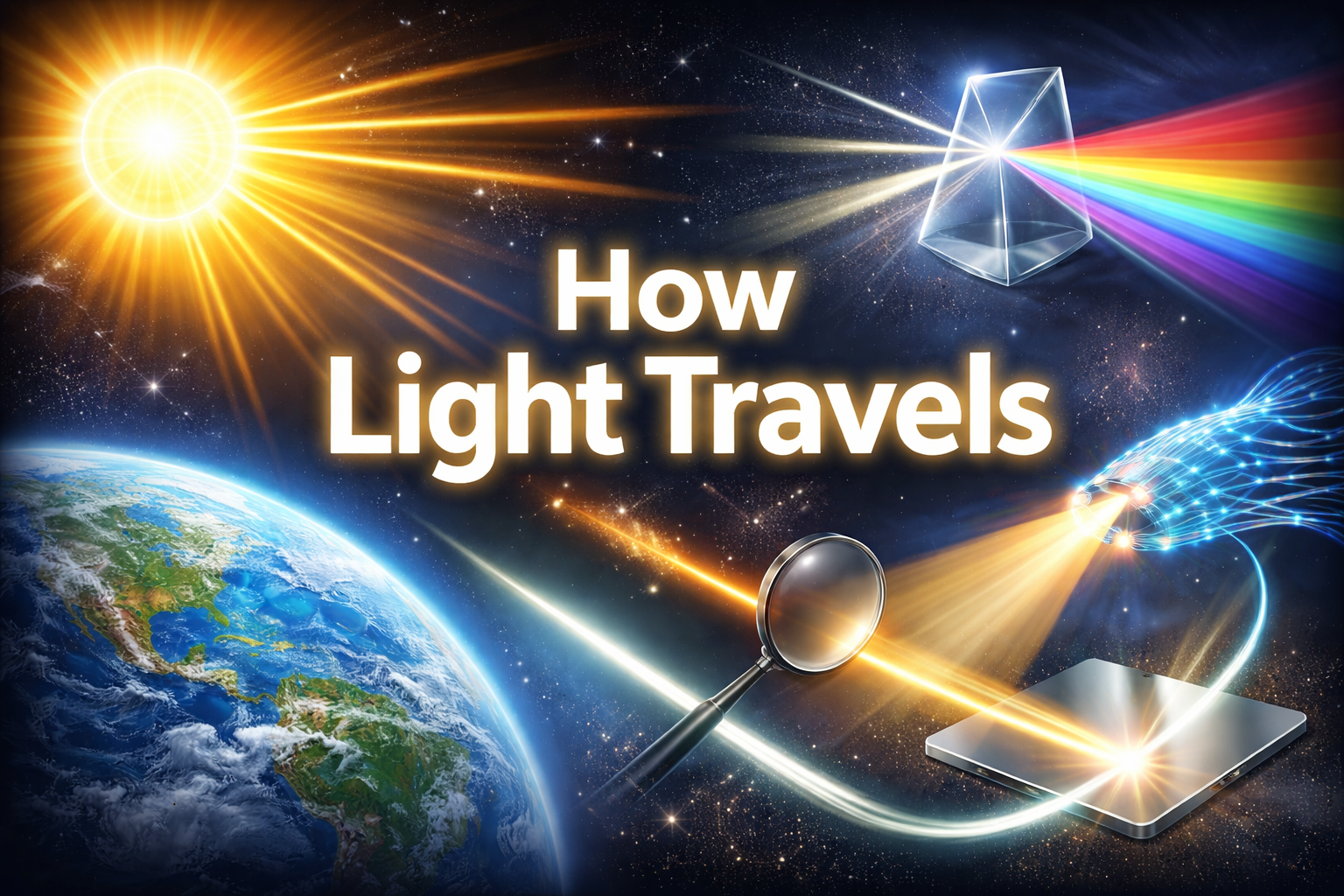
Light is one of the most fascinating forces in our universe. It is a form of electromagnetic radiation that allows us to see the world around us, and even the distant stars beyond our planet. Unlike sound, light does not need air or any material medium to travel. It moves freely through empty space, making it possible for sunlight to reach Earth across millions of kilometres of vacuum.
Light travels in the form of waves, each with its own wavelength. The small portion of these waves that our eyes can detect is known as visible light. Almost all the light and energy that reaches Earth comes from the Sun, which produces energy through a continuous thermonuclear reaction—similar in principle to a massive hydrogen bomb, but safely contained within the Sun’s core.
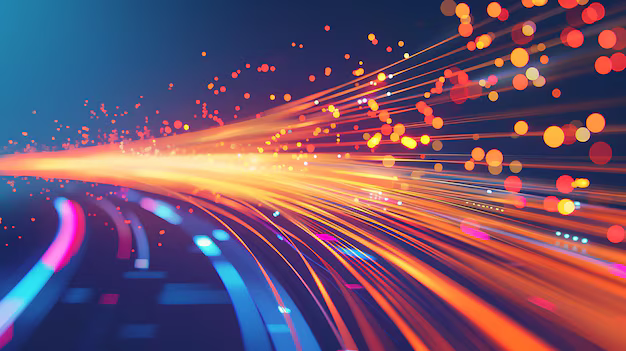
Although light normally travels in straight lines, it can be guided around curves and angles using modern technology such as optical fibres. These fibres are made from extremely clear, thin strands of glass. Their outer surfaces are specially treated to reflect light inward, allowing light entering one end to bounce along the curves of the fibre and emerge at the other end. This principle is the backbone of modern internet and communication systems.
In a vacuum, light travels at an incredible speed of about 300,000 kilometres per second, the fastest speed in the universe. However, when light passes through materials such as water or glass, it slows down and may change direction.
How Light Interacts with Matter
When light encounters objects, several things can happen:
- Reflection: Light bounces off surfaces, as seen in mirrors.
- Absorption: Light is taken in by a material and converted into heat; darker objects absorb more light.
- Transmission: Occurs when light passes straight through a substance, like sunlight shining through a clear window
- Refraction: Light bends when it moves from one medium to another, such as from air into water, due to a change in speed.
- Scattering: Happens when light is deflected in many different directions, example = dust
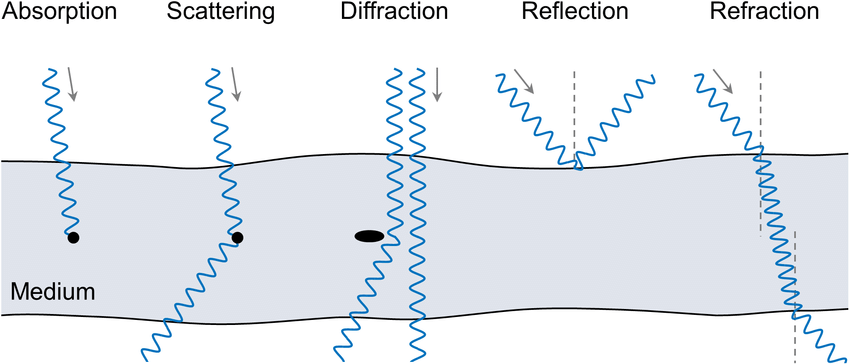
These interactions explain everyday phenomena, from shadows and rainbows to the way lenses and glasses work.
Final Thoughts
Light streams out from its sources in straight lines, travels at astonishing speed, and crosses vast, empty spaces with ease. It only slows down or changes direction when it meets matter, where it can reflect, bend, or be absorbed. From sunlight warming our planet to fibre-optic cables carrying information across the globe, light plays a vital role in both nature and technology, and continues to illuminate our understanding of the universe.


- News & Current Affairs
- Business & Economy
- Finance & Money
- Education & Learning
- Technology & Innovation
- Science & Environment
- Health & Wellness
- Food & Drink
- Home, Garden & Lifestyle
- Travel & Tourism
- Fashion & Beauty
- Art & Culture
- Entertainment & Media
- Sports & Recreation
- Personal Growth & Lifestyle
- Careers & Work
- Tutorials & How-To Guides
- Real Estate & Property
- Automotive
- Family & Relationships
- Environment & Sustainability
- Law & Legal Matters
- Gaming & Esports
- Religion & Spirituality
- Community & Local Voices
- Miscellaneous

 English
 Arabic
 French
 Spanish
 Portuguese
 Deutsch
 Turkish
 Dutch
Dutch
 Russian
 Romaian
 Portuguese (Brazil)
 Greek
Greek
