


In today’s industrialised world, truly clean air has become a luxury rather than a given. With pollution, synthetic building materials, paints, and cleaning products surrounding us, the quality of the air inside our homes often goes unnoticed. This is where indoor plants quietly but powerfully make a difference.
Improved Air Quality
Indoor plants help remove toxins from the air caused by pollution, household chemicals, paints, and cleaning agents. These toxins are known as volatile organic compounds (VOCs) and include substances like formaldehyde, benzene, and ammonia. Studies show that VOC levels indoors can be up to 10 times higher than outdoors.
While one indoor plant may offer a modest improvement, adding more plants significantly enhances air purification. Plants absorb carbon dioxide, release oxygen, and naturally filter harmful substances, contributing to fresher, healthier air throughout your home.
Wellbeing Benefits
The positive effects of indoor plants on wellbeing are well documented. Plants create a calming and uplifting atmosphere that improves mood, focus, and productivity. Unlike many lifestyle changes, when it comes to plants, more really is more.
- One plant has a small impact
- Five plants can improve wellbeing by up to 60%
- Ten plants can deliver maximum mental and emotional benefits
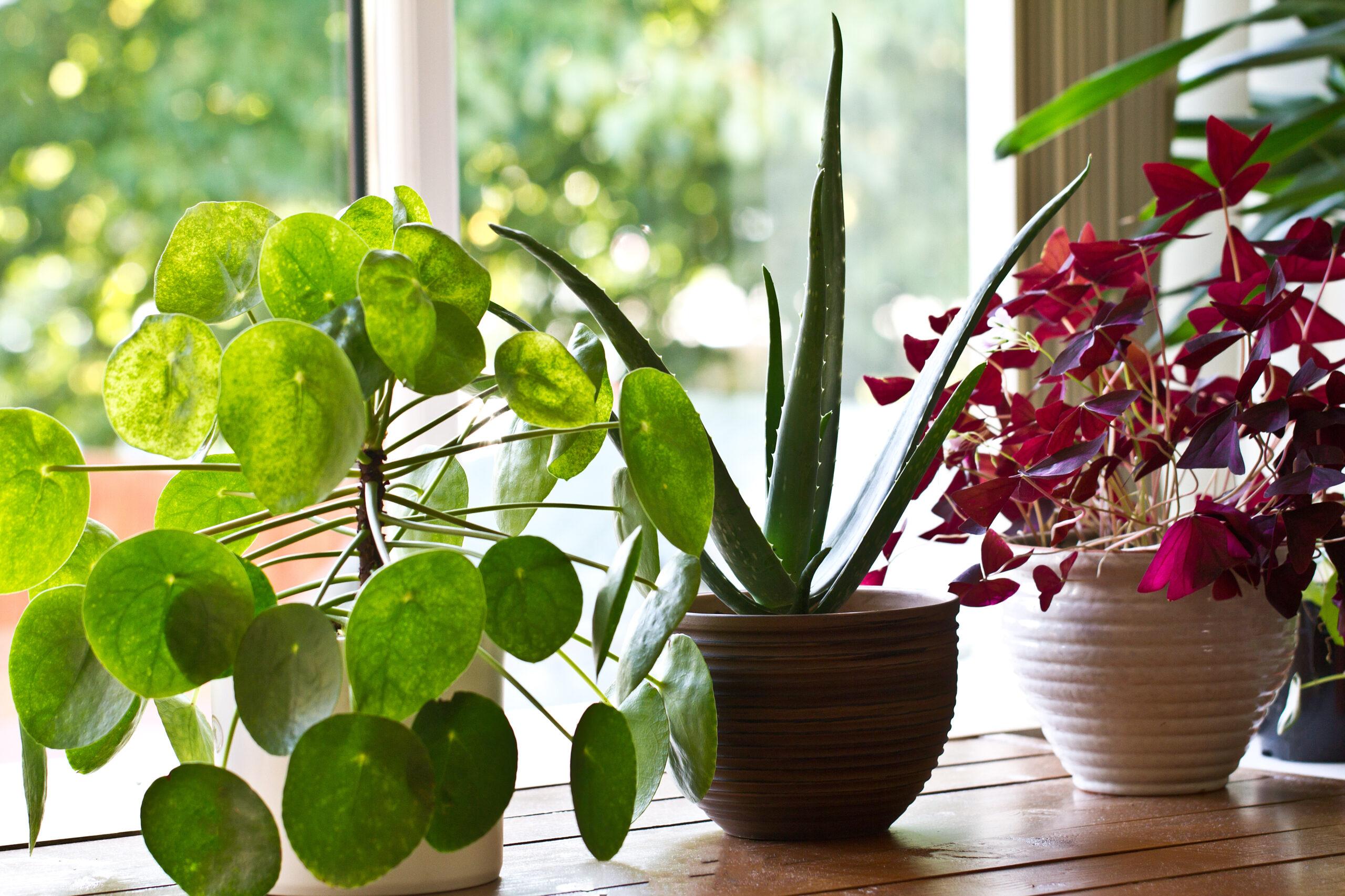
Variety also matters. A mix of plant sizes, textures, and species adds visual interest while further enhancing psychological benefits.
How Many Plants Do You Need?
Different rooms have different needs, so spreading plants throughout your home is more effective than clustering them in one area. These guidelines are based on medium-sized plants of around 30 cm in height.
As a general rule:
- Larger leaves and stronger root systems offer greater benefits
- Even one tall or leafy plant can positively impact a room
- Around five plants per room is ideal for noticeable improvements

Physical Health Benefits
Indoor plants support physical wellbeing in several ways:
- Purify the Air: Absorb CO₂, release oxygen, and filter harmful VOCs
- Increase Humidity: Release moisture into dry indoor air
- Reduce Illness Symptoms: Help ease coughs, headaches, dizziness, and allergy irritation
- Aid Recovery: Studies show patients recover faster and experience less pain when surrounded by plants
- Lower Noise Levels: Leaves help absorb sound, improving indoor acoustics
Mental & Emotional Benefits
Beyond physical health, plants nurture the mind:
- Reduce Stress & Anxiety: Create a soothing, peaceful environment
- Boost Mood: Increase happiness, positivity, and emotional balance
- Improve Focus & Productivity: Enhance creativity, memory, and concentration—especially in workspaces
- Provide Purpose: Caring for plants fosters connection, responsibility, and satisfaction

Workplace & Environmental Benefits
Indoor plants are not just decorative; they are functional:
- Increase staff morale and productivity
- Improve the overall aesthetic and perceived quality of a space
- Reduce airborne dust levels
- Create healthier, more welcoming environments
Popular Indoor Plants for South African Homes
South Africa’s climate supports a wide variety of indoor plants, many of them low-maintenance:
- Spekboom (Portulacaria afra): Indigenous, drought-tolerant, excellent carbon sequestration
- Aloe Vera (Aloe barbadensis): Easy care, healing gel, thrives in bright light
- Pothos (Devil’s Ivy): Trailing vine, great air purifier, perfect for hanging baskets
- Snake Plant (Sansevieria): Extremely hardy, tolerates low light, releases oxygen at night

- Peace Lily (Spathiphyllum): Elegant white blooms, loves humidity, powerful air purifier
- Spider Plant (Chlorophytum comosum): Remove carbon monoxide and formaldehyde from the air while boosting oxygen levels
- Jasmine (Jasminum species): Promotes relaxation, improves sleep quality, reduce stress and anxiety
- English Ivy (Hedera helix): Reducing airborne mould and allergens, well suited for damp or humid areas
- Bamboo Palm (Chamaedorea seifrizii): Adds moisture to dry indoor air and creates a fresh, tropical feel.
- Dracaena (Dracaena species): Neutralising indoor chemicals, especially formaldehyde released from furniture, carpets, and cleaning products.

Final Thoughts
Indoor plants are far more than decorative accents. They are living, breathing contributors to healthier air, calmer minds, and more vibrant living spaces. Whether you start with one plant or create a lush indoor sanctuary, every addition brings you closer to a healthier, happier home.
Incorporating plants into your daily environment is a simple, natural remedy—one that aligns beautifully with holistic living and long-term wellbeing 🌱