


The History of Carpets

Carpets have been woven into human history for thousands of years, serving not only as practical household items but also as powerful symbols of culture, status, and artistic expression. From simple woven mats used by nomadic tribes to today’s mass-produced wall-to-wall flooring, the story of carpets reflects humanity’s creativity, innovation, and evolving lifestyles.
Ancient Origins: From Survival to Art
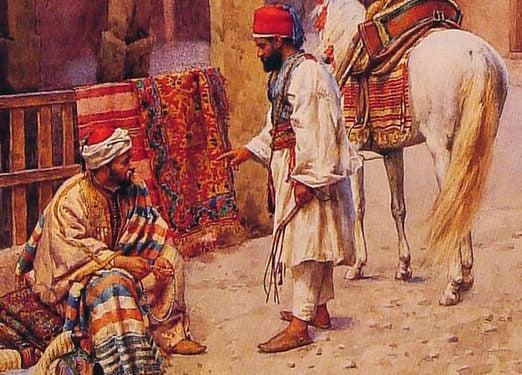
The earliest carpets emerged around 3000 BCE, when nomadic tribes in Central Asia and the Middle East used woven wool and animal hair mats for warmth, insulation, and protection from harsh climates. These early creations were functional, yet they laid the foundation for one of the world’s most enduring art forms.
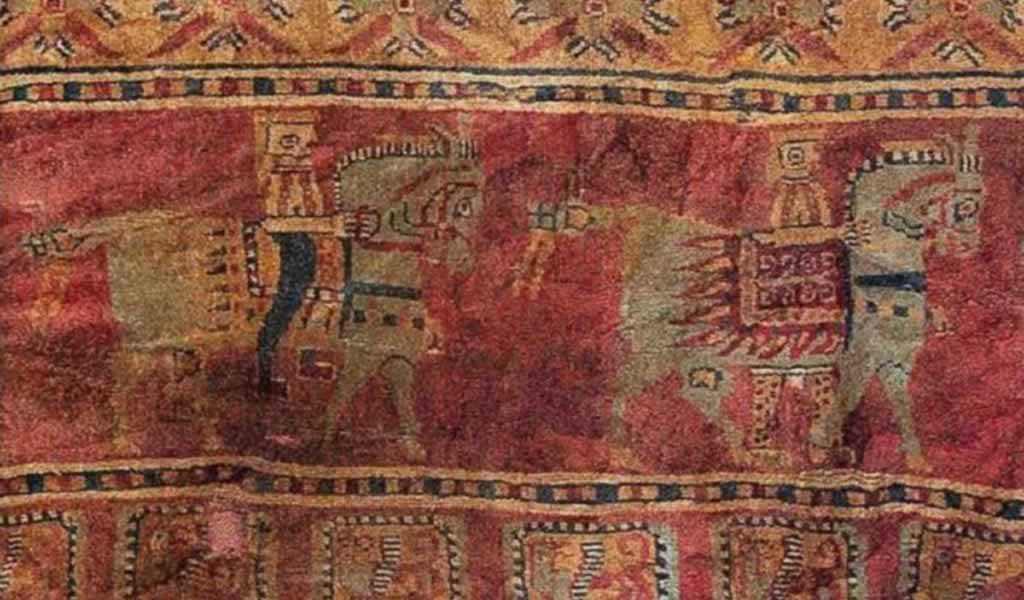
The oldest surviving carpet, the Pazyryk Carpet, dates back to the 5th century BCE. Discovered in a frozen burial mound in Siberia, it reveals extraordinary craftsmanship, featuring intricate knotting and detailed motifs of horses and mythical creatures. Its sophistication proves that carpet-making had already reached an advanced level thousands of years ago.
Persian Mastery and Cultural Significance
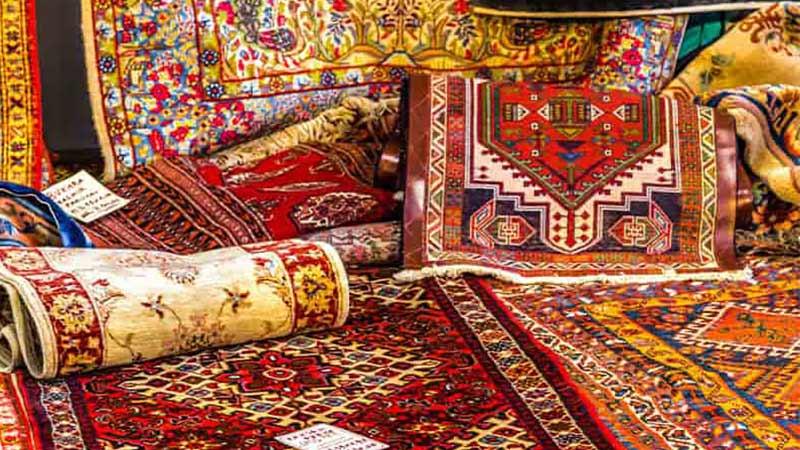
By the 5th century BCE, carpets in ancient Persia (modern-day Iran) had evolved into true works of art. Persian weavers elevated carpet-making into a refined craft, embedding symbolism, folklore, and status into every design. These carpets were prized possessions, often used in palaces, religious ceremonies, and diplomatic exchanges, setting global standards for quality and beauty.
Carpets Reach Medieval Europe
Carpets entered Europe largely through the Crusades (11th–12th centuries), when returning knights brought Oriental rugs home. Initially rare and luxurious, carpets were displayed on tables or hung on walls rather than placed on floors.
By the 14th century, carpet production expanded in Flanders, making wool and cotton carpets more affordable and accessible beyond royal courts. This marked the beginning of Europe’s own carpet-making traditions.
The Industrial Revolution: Carpets for the Masses
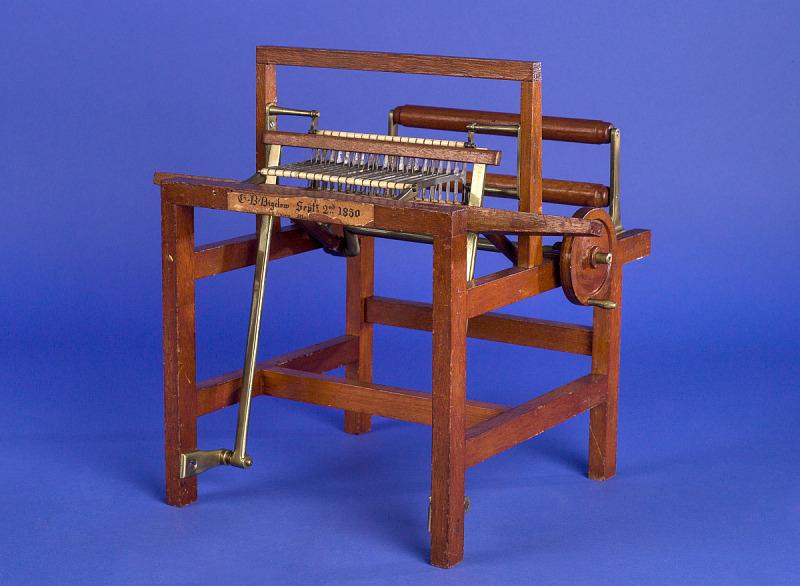
The carpet industry transformed dramatically in the 19th century. In 1839, inventor Erastus Bigelow introduced the power loom, revolutionizing production by increasing speed, scale, and affordability. Carpet manufacturing expanded rapidly in Europe and the United States, with the first American carpet mill opening in Philadelphia in 1791.
The Modern Era: Innovation and Accessibility
The 20th century ushered in groundbreaking changes. In the early 1900s, tufting technology—originating in Dalton, Georgia—made carpet production faster and more cost-effective. This innovation paved the way for widespread wall-to-wall carpeting.
The introduction of synthetic fibers such as nylon (1947) and polyester (1965) further transformed the industry. Carpets became more durable, stain-resistant, and affordable, making them a standard feature in homes, offices, hotels, and public spaces.
Carpets Today: Tradition Meets Technology
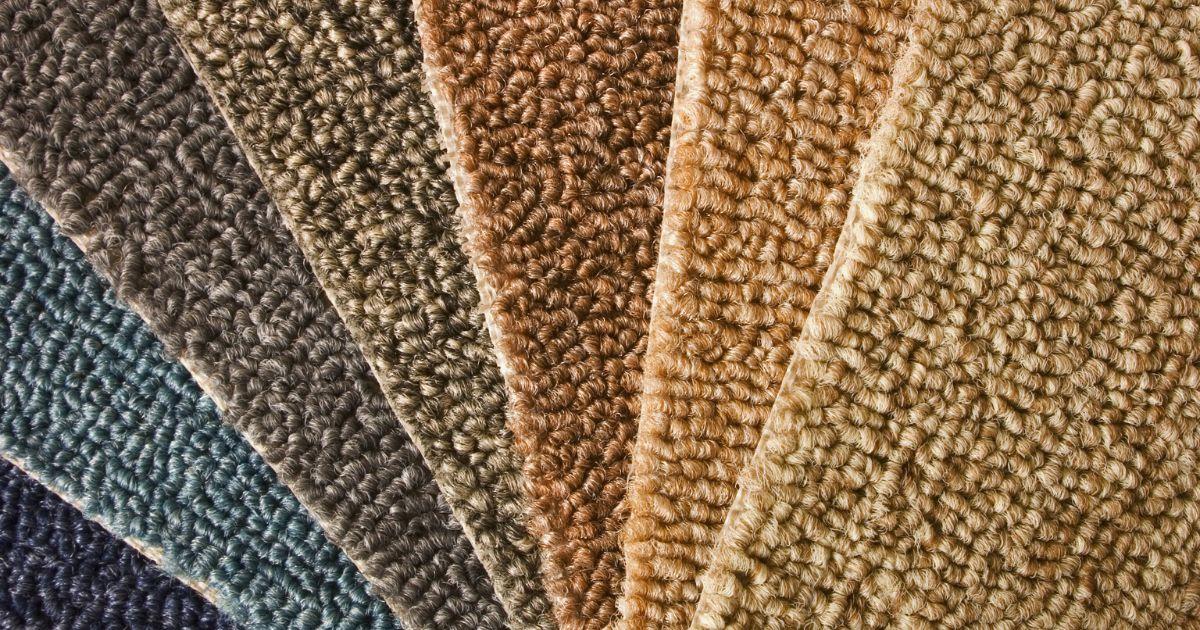
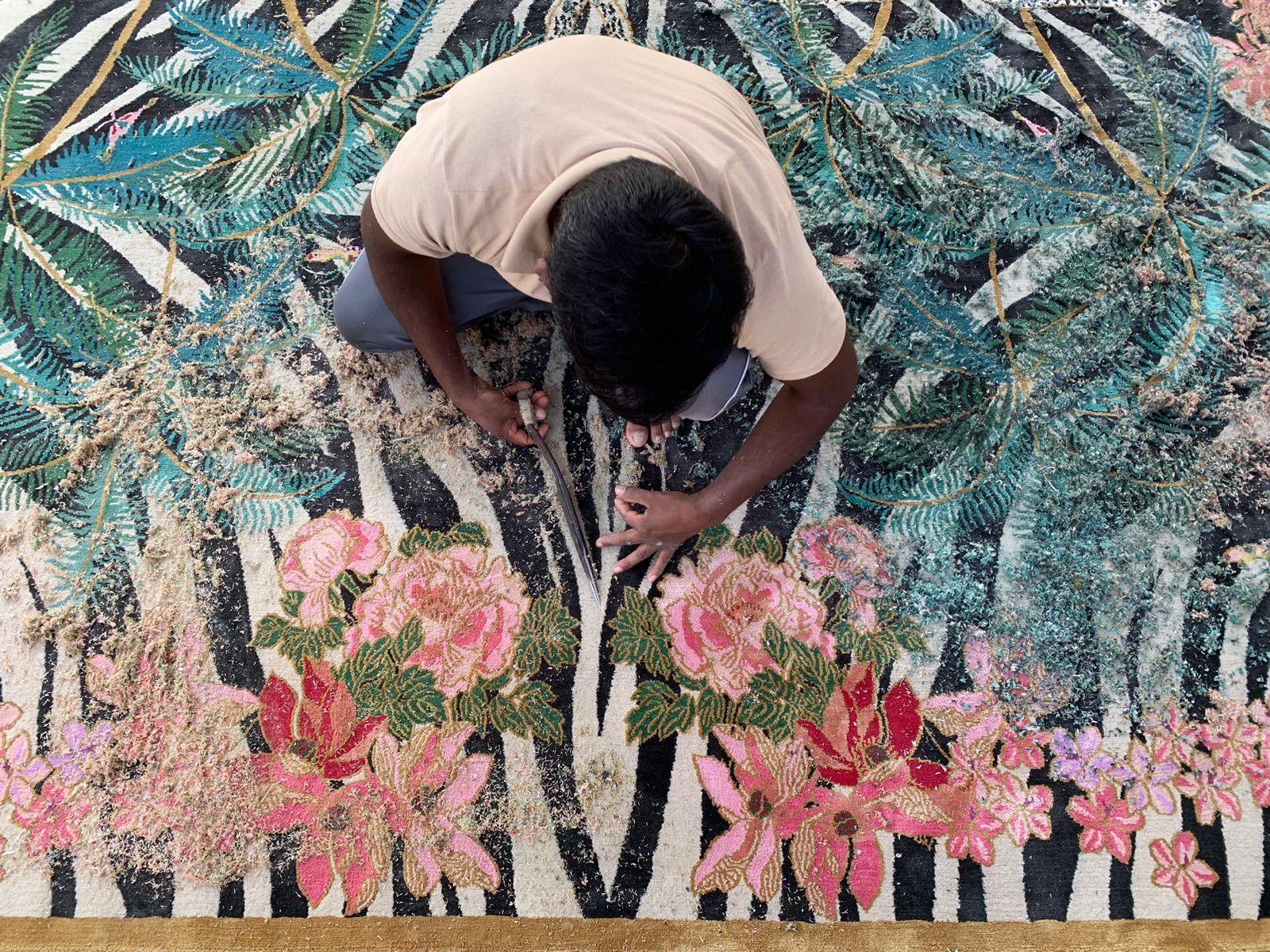
Today’s carpet industry blends centuries-old craftsmanship with modern technology. Hand-knotted carpets are still cherished as luxury art pieces, while machine-made carpets dominate the global market. Sustainability is now a major focus, with manufacturers adopting recycled materials, natural dyes, and eco-friendly production methods. Custom designs, jute runners, and performance carpets continue to shape modern interiors.
Final Thoughts
The history of carpets is a remarkable journey from necessity to artistry, from nomadic survival tools to globally traded design statements. Across cultures and centuries, carpets have reflected human values, creativity, and technological progress. Whether hand-knotted or machine-made, traditional or contemporary, carpets remain an enduring symbol of comfort, beauty, and cultural heritage—woven into the fabric of everyday life.


- News & Current Affairs
- Business & Economy
- Finance & Money
- Education & Learning
- Technology & Innovation
- Science & Environment
- Health & Wellness
- Food & Drink
- Home, Garden & Lifestyle
- Travel & Tourism
- Fashion & Beauty
- Art & Culture
- Entertainment & Media
- Sports & Recreation
- Personal Growth & Lifestyle
- Careers & Work
- Tutorials & How-To Guides
- Real Estate & Property
- Automotive
- Family & Relationships
- Environment & Sustainability
- Law & Legal Matters
- Gaming & Esports
- Religion & Spirituality
- Community & Local Voices
- Miscellaneous

 Arabic
 French
 Spanish
 Portuguese
 Deutsch
 Turkish
 Dutch
Dutch
 Italiano
 Russian
 Romaian
 Portuguese (Brazil)
 Greek
Greek
