


Growing Aloes: A Practical Guide for Healthy, Thriving Plants
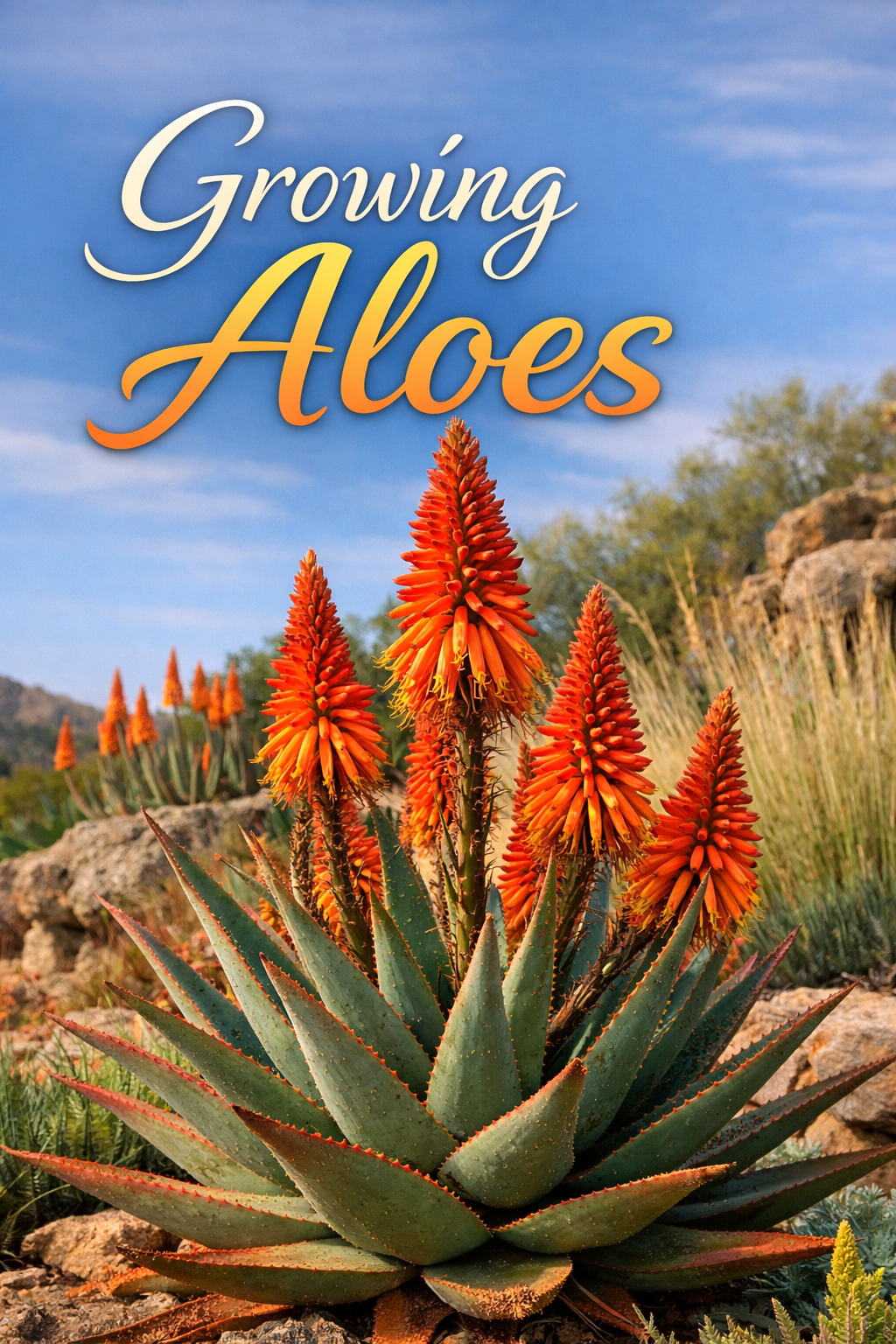
Aloes are among the most rewarding plants to grow in South African gardens. Hardy, water-wise, and strikingly beautiful, they thrive especially well in hot, dry regions. With the right plant selection and growing conditions, aloes can flourish for decades, providing year-round structure and spectacular winter colour.
That said, not all aloes are created equal. Some tolerate frost and cold far better than others, while certain species struggle in areas with heavy summer rainfall. Choosing the right aloe for your climate is the key to success.
Choosing the Right Position
Aloes love sunlight. For best growth and flowering, plant them in an open, sunny position where they receive several hours of direct sun each day.
Equally important is excellent drainage. Aloes are highly susceptible to root rot if left standing in water. Avoid planting them near wet areas, downpipes, or poorly drained ground.
Ideal planting sites include:
- Sloping ground
- Raised beds
- Rockeries
- Well-drained garden beds in full sun

Soil Requirements
Aloes grow best in fertile, loamy soil that drains freely. If your soil is heavy or clay-based, improve it before planting by mixing in well-decomposed compost. This not only adds nutrients but also improves soil structure and drainage.
Creating a Stunning Aloe Display
Aloes work beautifully as feature plants, particularly in rockeries and dry gardens. For visual impact, combine:
- Tall aloes
- Medium-height varieties
- Small, compact species
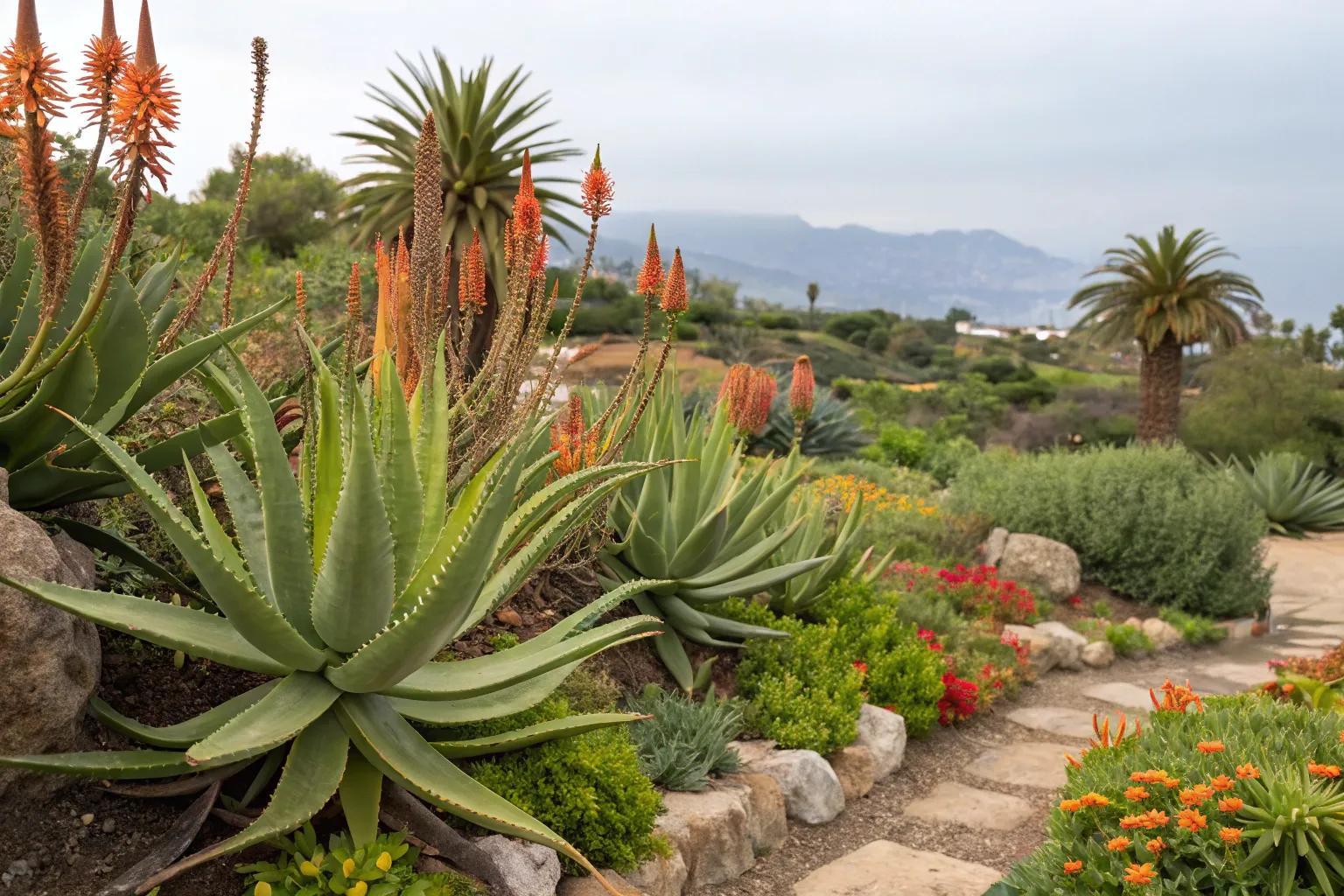
Choose a mix of plants that flower at different times of the year to enjoy colour across all seasons.
Easy and Adaptable Aloe Varieties
- Small-growing species:
Guinea fowl aloe (Aloe aristata), Variegated aloe (Aloe variegata) - Medium to large species:
Coral aloe (Aloe striata), Cooper’s aloe (Aloe cooperi), Spire aloe (Aloe cryptopoda), Wicken’s aloe (Aloe wickensii) - Tall-growing species:
Tree aloe (Aloe arborescens), Candelabra aloe (Aloe candelabrum), Bitter aloe (Aloe ferox)

Watering Aloes Correctly
Although aloes are succulents, they do require water during their active growing season.
Watering needs vary depending on where the species originates:
- Summer rainfall species should be watered in summer and kept dry in winter.
- Winter rainfall species require the opposite treatment.
- Arid-region aloes need very little water, especially in summer.
- High-rainfall aloes, such as Aloe thompsoniae from the Mpumalanga escarpment, enjoy more moisture during summer.

The best time to water is early morning, unless frost is a risk—then water later in the day once plants have warmed up.
💡 Tip: Group aloes with similar watering needs together to make care easier and more effective.
Feeding and Mulching
If your soil is poor, feed aloes by:
- Working in well-decomposed compost before planting
- Applying a light organic mulch around plants
Avoid heavy fertilisers—aloes prefer modest feeding and excellent drainage.
Transplanting Aloes
When transplanting:
- Cover only the roots with soil
- Never bury leaves or stems, as they will rot and cause plant failure
Handle plants carefully to avoid damaging fleshy leaves and roots.
Propagating Aloes
Aloes can be propagated in several ways:
Offsets
Many rosette-forming aloes produce young side plants at the base. These can be carefully removed and replanted once they have roots.
Stem Cuttings
Bushy species like Aloe arborescens can be propagated using stem cuttings taken from spring to autumn.

Seeds
Aloes can also be grown from seed, although flowering may take 3–5 years.

Flowering Times
Most aloes flower in:
- June–July (winter)
- December–January (summer)
Some species bloom at other times, so planting a mix ensures colour throughout the year.
Pests and Diseases to Watch For
Aloes are tough but not immune to problems:
- White scale: Tiny insects on leaf surfaces — treat with a suitable insecticide
- Aloe rust: Black fungal spots on leaves — treat with fungicide

- Snout beetles: Larvae tunnel into crowns causing collapse — treat with systemic insecticide
- Aloe cancer (galls): Caused by aloe mites — remove and burn infected parts; treat with miticides
Early detection and prompt treatment are essential.
General Care Tips
- Stake tall aloes while they establish to prevent wind damage
- Prune shrubby or climbing aloes if they outgrow their space
- Water potted aloes under roof overhangs every 2–3 weeks, as they often miss rainfall
Final Thoughts
Aloes are outstanding garden plants, especially during winter when many other plants are dormant. With the right species selection, good drainage, and proper care, they will reward you with dramatic foliage, bold architectural form, and vibrant flowers year after year.
Whether planted in rockeries, containers, or open garden beds, aloes offer beauty, resilience, and low-maintenance appeal—making them a must-have for water-wise and sunny gardens.


- News & Current Affairs
- Business & Economy
- Finance & Money
- Education & Learning
- Technology & Innovation
- Science & Environment
- Health & Wellness
- Food & Drink
- Home, Garden & Lifestyle
- Travel & Tourism
- Fashion & Beauty
- Art & Culture
- Entertainment & Media
- Sports & Recreation
- Personal Growth & Lifestyle
- Careers & Work
- Tutorials & How-To Guides
- Real Estate & Property
- Automotive
- Family & Relationships
- Environment & Sustainability
- Law & Legal Matters
- Gaming & Esports
- Religion & Spirituality
- Community & Local Voices
- Miscellaneous

 English
 Arabic
 French
 Spanish
 Portuguese
 Deutsch
 Turkish
 Dutch
Dutch
 Italiano
 Russian
 Romaian
 Greek
Greek
