


Massage Therapy: Techniques, Benefits and How You Can Use It at Home

Have you ever noticed how instinctively you rub your temples when you have a headache, or place a hand on your stomach when it aches? Humans naturally reach for touch as a source of comfort and relief. Throughout history, nearly every culture has used massage as part of healing traditions, and today, its benefits are supported by both experience and science.
How Massage Therapy Works
Massage therapists use a combination of hands, fingers, elbows, forearms, and sometimes tools to stretch, compress, and manipulate soft tissues. By manipulating soft tissues, massage therapists use targeted techniques to relax the body, calm the mind, and promote healing from the inside out.
These actions stimulate the nervous system, lowering stress hormones while increasing “feel-good” chemicals like serotonin and dopamine. The result is a natural shift into a state of relaxation, healing, and balance.
Choosing the Right Massage Therapist
If you're considering professional massage therapy, take time to find a therapist you feel comfortable with. Here’s what you should ask:
- Training and qualifications
- Years of experience
- Types of massage they practice
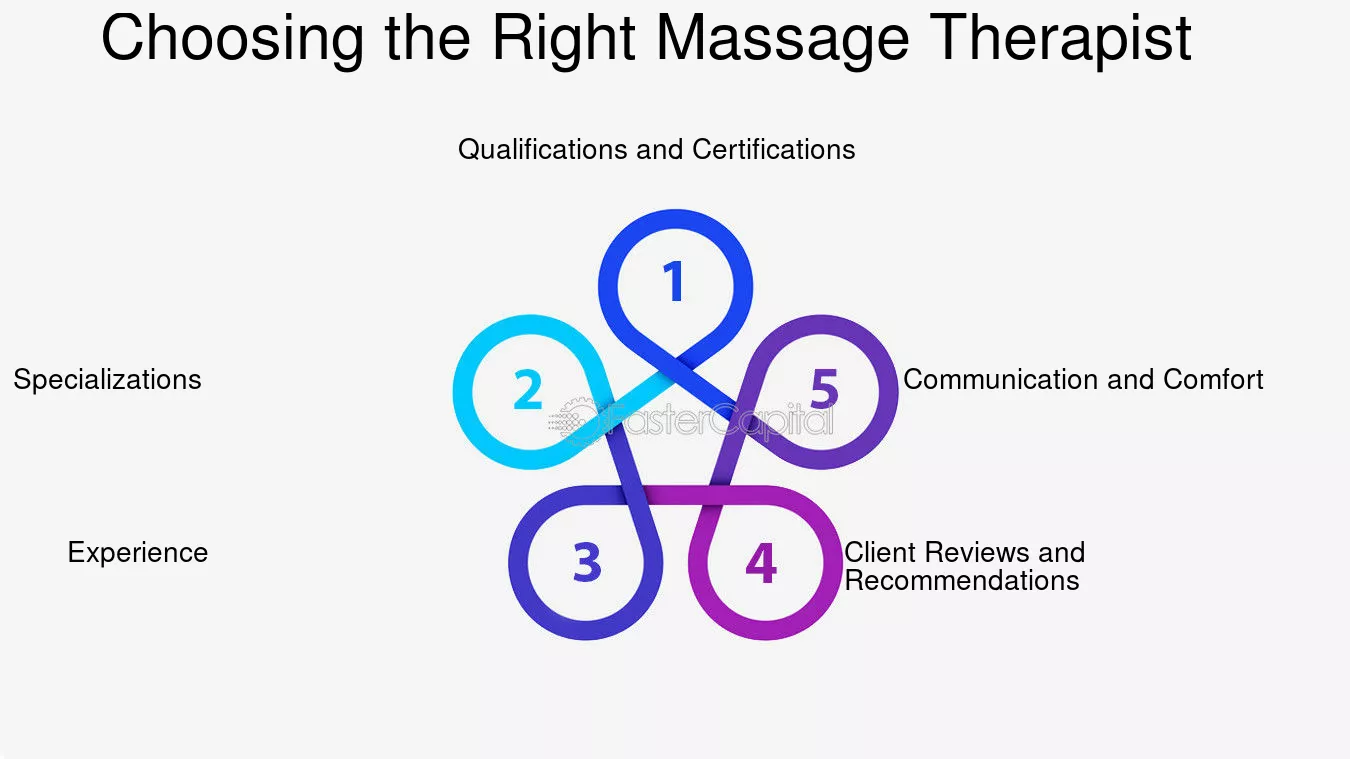
A good therapist will ask about your medical history, pain areas, symptoms, limitations, and daily habits. They may also perform an evaluation to determine how much pressure is safe and comfortable for you.
Popular Types of Massage Therapy
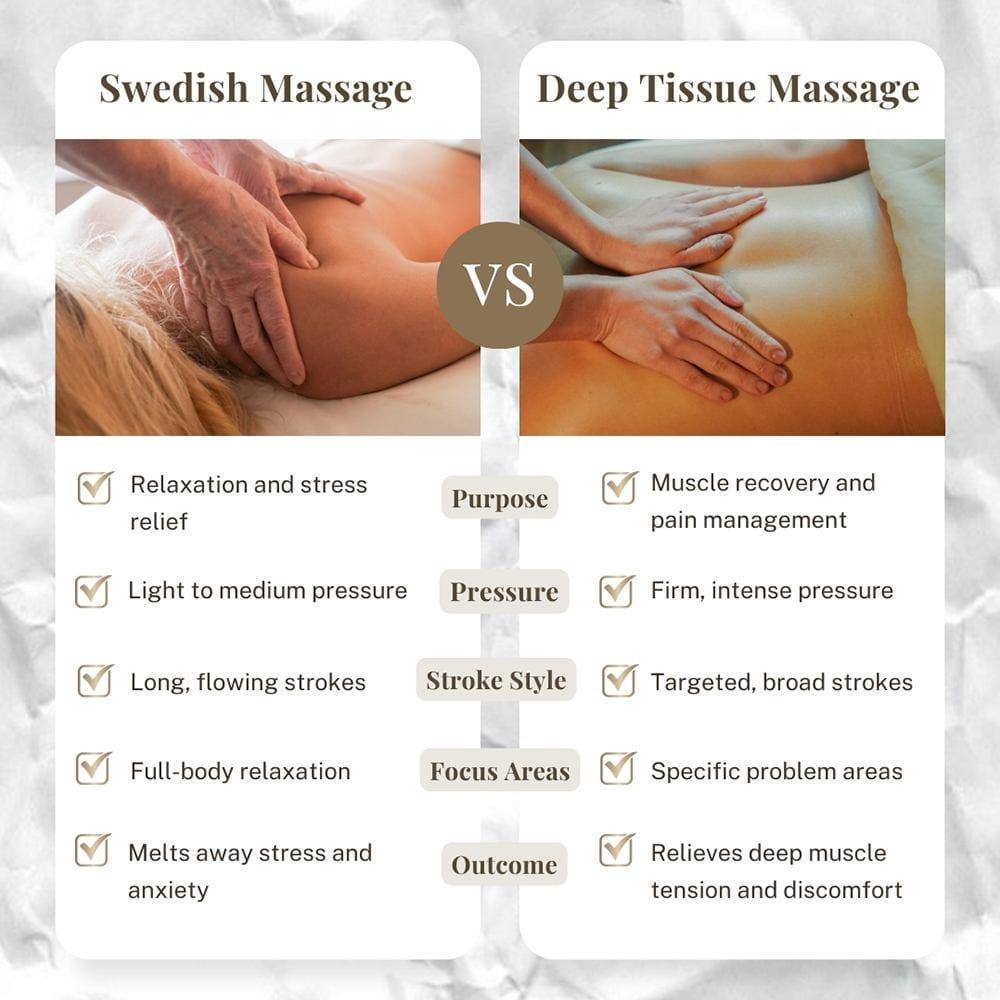
1. Swedish Massage
A gentle, flowing technique designed to relax the entire body while improving circulation. Perfect for stress relief and first-time massage clients.
2. Deep Tissue Massage
Targets deeper muscle layers to release chronic tension, knots, and long-standing stiffness. Ideal for people with persistent muscle pain.
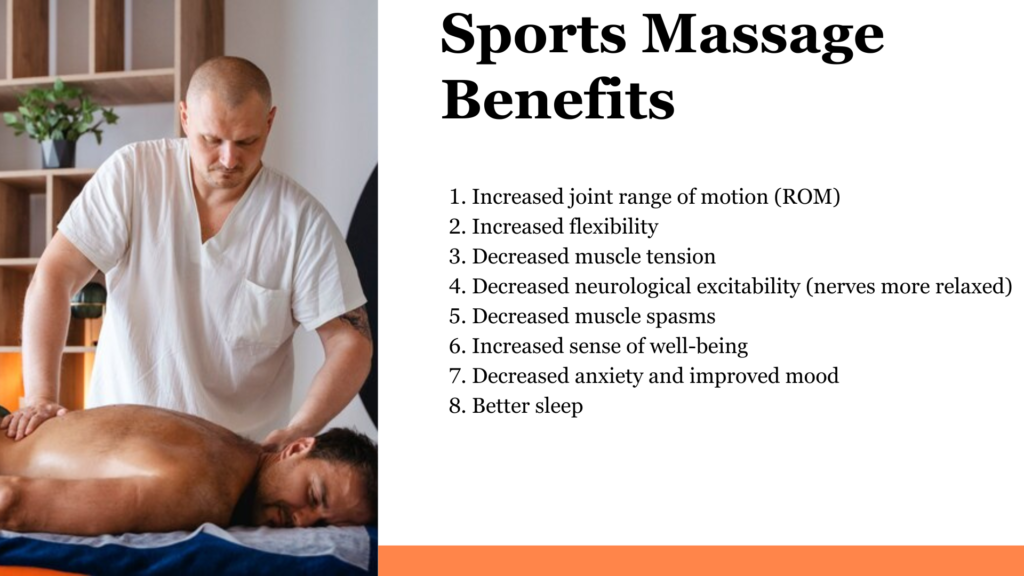
3. Sports Massage
Created for active individuals, this massage helps prevent injuries, ease soreness, and improve athletic performance.
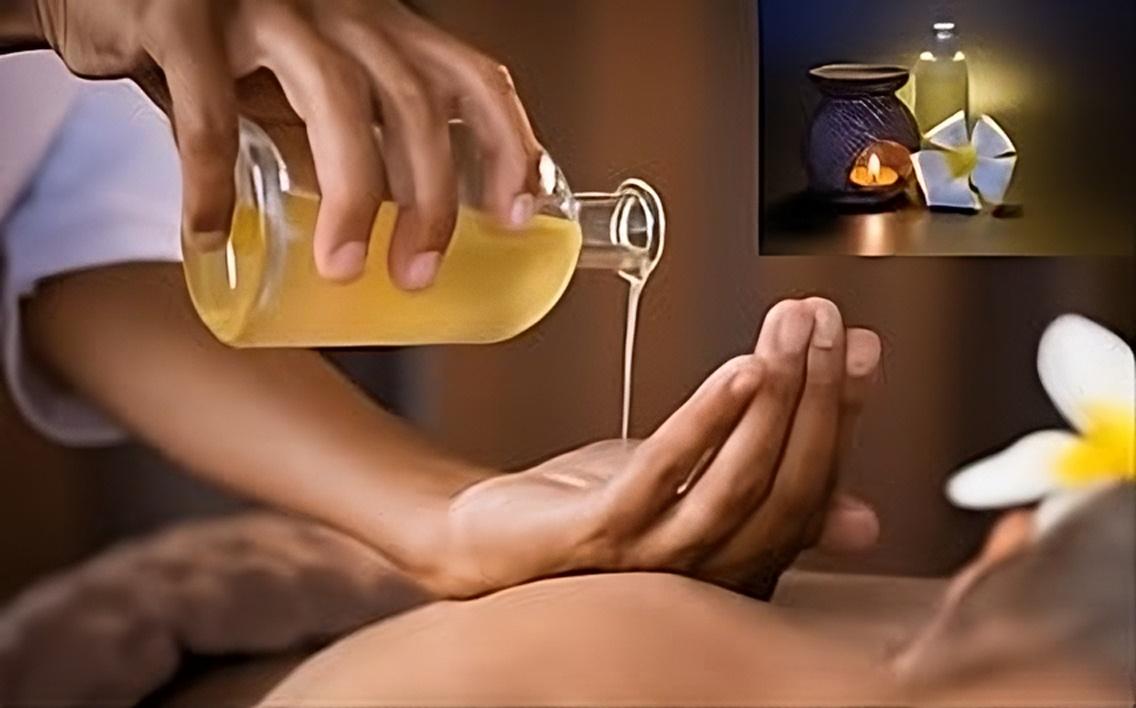
4. Aromatherapy Massage
Combines massage with essential oils to balance both mind and body, supporting emotional healing and relaxation.
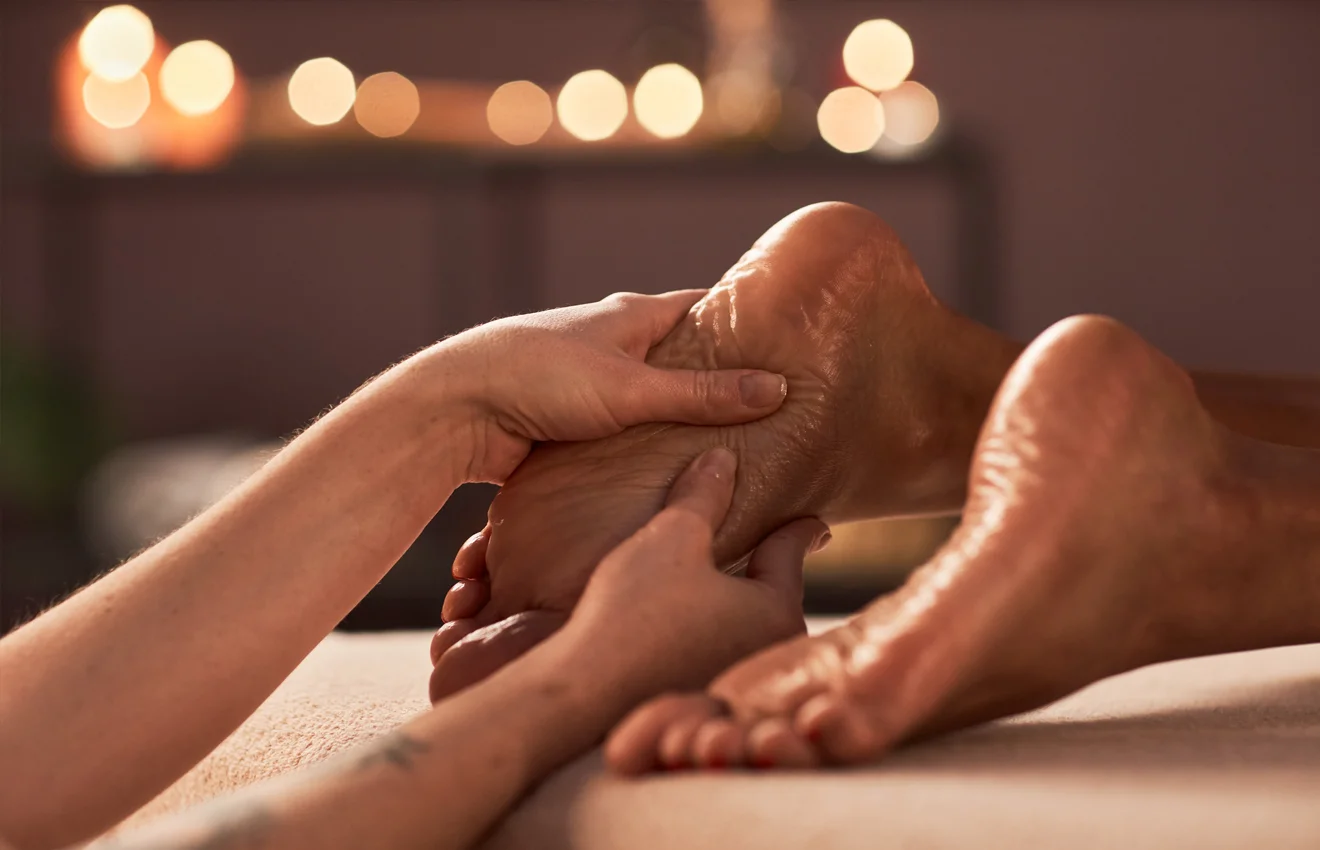
5. Reflexology
Uses pressure points on the feet and hands that correspond with different organs and systems, helping to restore energetic balance.
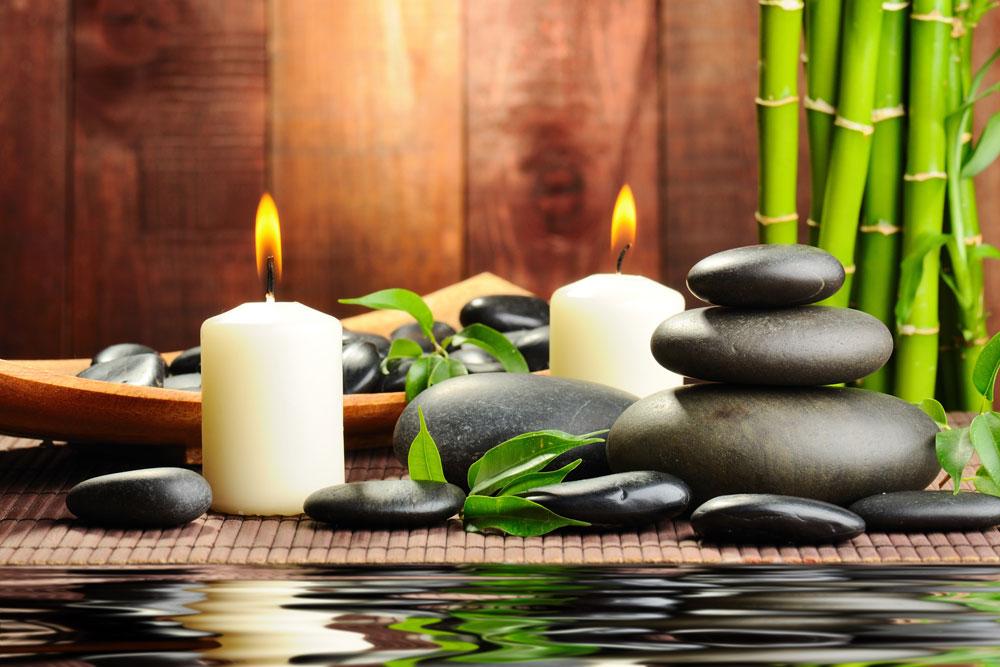
6. Hot Stone Massage
Warm, smooth stones are placed on the body and used during massage strokes to melt away tension and deliver deep warmth to tired muscles.
Why Massage Makes Us Feel Better
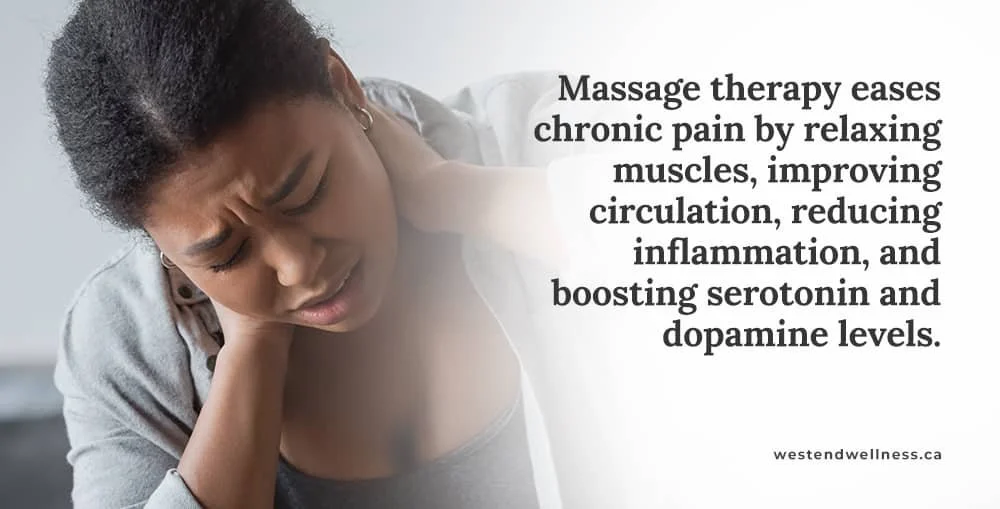
Most people agree that massage therapy is deeply relaxing—but its effects go far beyond that peaceful feeling. Massage relief:
- Reduce muscle tension
- Lessen stress and anxiety
- Provide pain relief, including chronic back and neck pain
- Improve circulation
- Increase joint mobility
- Reduce swelling and inflammation
- Support emotional wellbeing and mild depression
Why does massage work so well? Several theories offer insight:
1. Blocking Pain Signals
Gentle pressure may interrupt pain messages traveling to the brain.
2. Releasing “Feel-Good” Chemicals
Massage encourages the body to release endorphins and serotonin the feel good hormones.

3. Improving Body Mechanics
By loosening tight muscles, massage may help realign natural posture and movement patterns. Whatever the exact reason—or combination of reasons—massage therapy remains a valuable tool for relaxation, healing, and maintaining overall wellness when performed by a trained professional.
Self-Massage Techniques You Can Try at Home
While nothing replaces a skilled therapist, self-massage can help release tension, soothe sore muscles, and melt away stress.
Before You Begin
- Choose a quiet place.
- Make sure the room isn’t too hot or cold.
- A bath or shower beforehand helps relax the muscles.
- Sit comfortably.
- Use a little sweet almond oil to help your fingers glide smoothly.
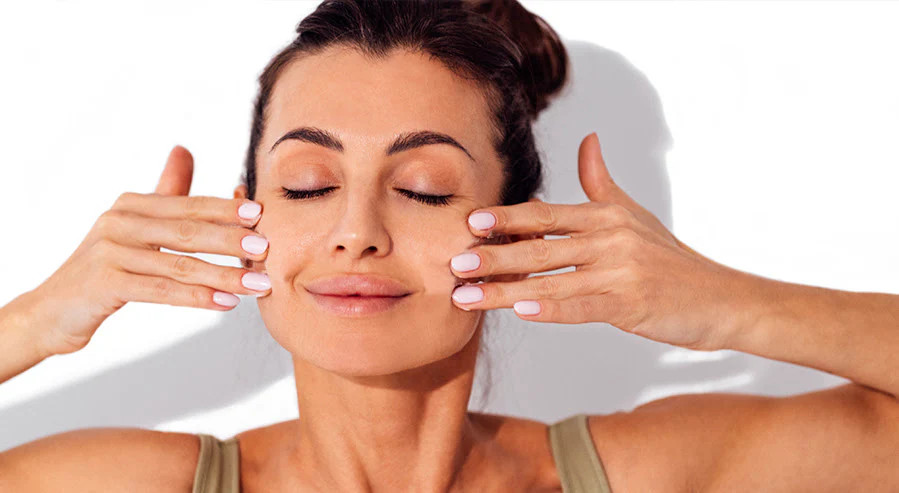
1. Facial Tension Release
- Dip the tips of your index, middle, and ring fingers into almond oil.
- Make tiny, slow circles along your jawline, moving upward toward your temples.
- Massage around your cheekbones, then move toward your ears.
- With eyes closed, trace gentle circles along the bony ridge above your eyes.
- Move up the forehead, working from the center outward until reaching the hairline.
- Repeat as needed.
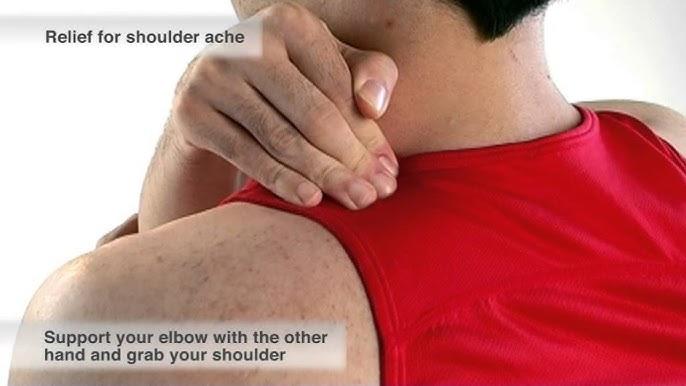
2. De-Stress Your Shoulders
- With oiled fingertips, reach your right hand to the area between your left shoulder and neck.
- Support your right arm with your left hand at the elbow.
- Firmly squeeze and knead the muscle near the collarbone bump.
- Massage for 1–2 minutes, then switch sides.
3. Soothe and Stretch Your Hands
- Use your thumb and index finger to gently squeeze the fleshy areas between your fingers.
- Roll each finger from knuckle to tip and give a light stretch outward.
- Massage your palm using slow, firm circular motions.
- Repeat on the other hand.
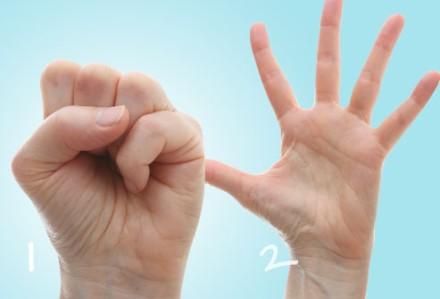
- Finish with this sequence:
- Make a tight fist for 5 seconds
- Release and stretch fingers wide for 5 seconds
- Shake both hands loosely
4. Ease Lower Back Tension
- Stand and place your thumbs on either side of your lumbar vertebrae, at your lower spine
- Press into the muscles on either side—not the vertebrae.
- Make small circular motions, moving slowly upward an inch at a time.
- Continue as high as you can reach, then work downward.
- If you find a sore spot, use lighter pressure but don’t skip it.
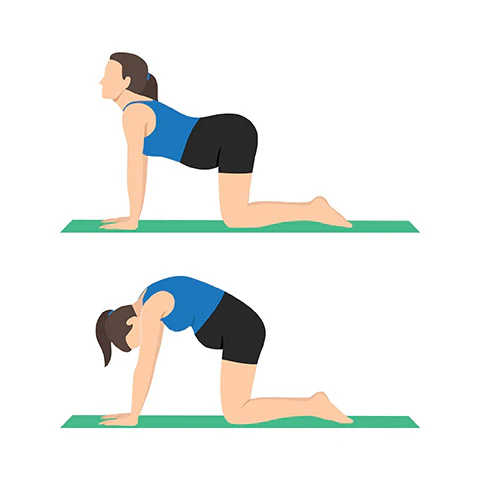
- Finish by arching your lower back slightly, then flexing forward, followed by a slow deep breath.
Helpful Massage Tips
- Keep nails short and smooth for comfortable self-massage.
- Communicate openly with your massage therapist—never endure pain or discomfort.
- Always consult a healthcare provider first if you:
- Are pregnant
- Have chronic pain
- Have heart disease, circulatory issues, or high blood pressure
- Have a severe sprain, open wounds, skin infections, or contagious conditions
Final Thoughts
Massage therapy beautifully blends instinct, tradition, and science. Whether you schedule regular sessions with a trained therapist or simply practice small self-massage techniques at home, touch can be a powerful way to ease tension and support overall wellbeing. It encourages relaxation, helps restore balance, and reminds the body that it’s safe to release stress. A few mindful minutes of massage each day can make a meaningful difference in how you feel—physically, mentally, and emotionally.

- News & Current Affairs
- Business & Economy
- Finance & Money
- Education & Learning
- Technology & Innovation
- Science & Environment
- Health & Wellness
- Food & Drink
- Home, Garden & Lifestyle
- Travel & Tourism
- Fashion & Beauty
- Art & Culture
- Entertainment & Media
- Sports & Recreation
- Personal Growth & Lifestyle
- Careers & Work
- Tutorials & How-To Guides
- Real Estate & Property
- Automotive
- Family & Relationships
- Environment & Sustainability
- Law & Legal Matters
- Gaming & Esports
- Religion & Spirituality
- Community & Local Voices
- Miscellaneous

 English
 Arabic
 French
 Spanish
 Deutsch
 Turkish
 Dutch
Dutch
 Italiano
 Russian
 Romaian
 Portuguese (Brazil)
 Greek
Greek
