


How Cuts and Grazes Heal Themselves: The Amazing Four-Stage Process

Our bodies are incredible healing machines. Every time you get a small cut or graze, your skin launches a finely tuned repair process to protect you and rebuild itself. Most minor wounds heal within just a few days, but behind the scenes, a lot is happening.
Here’s a simple breakdown of how your body fixes itself, step by step.
1. Hemostasis: Stopping the Bleeding
The moment your skin is broken, your body acts fast to plug the gap.
- Blood vessels constrict to reduce bleeding.
- Platelets rush to the site and clump together.
- A protein called fibrin forms a mesh that seals the wound.
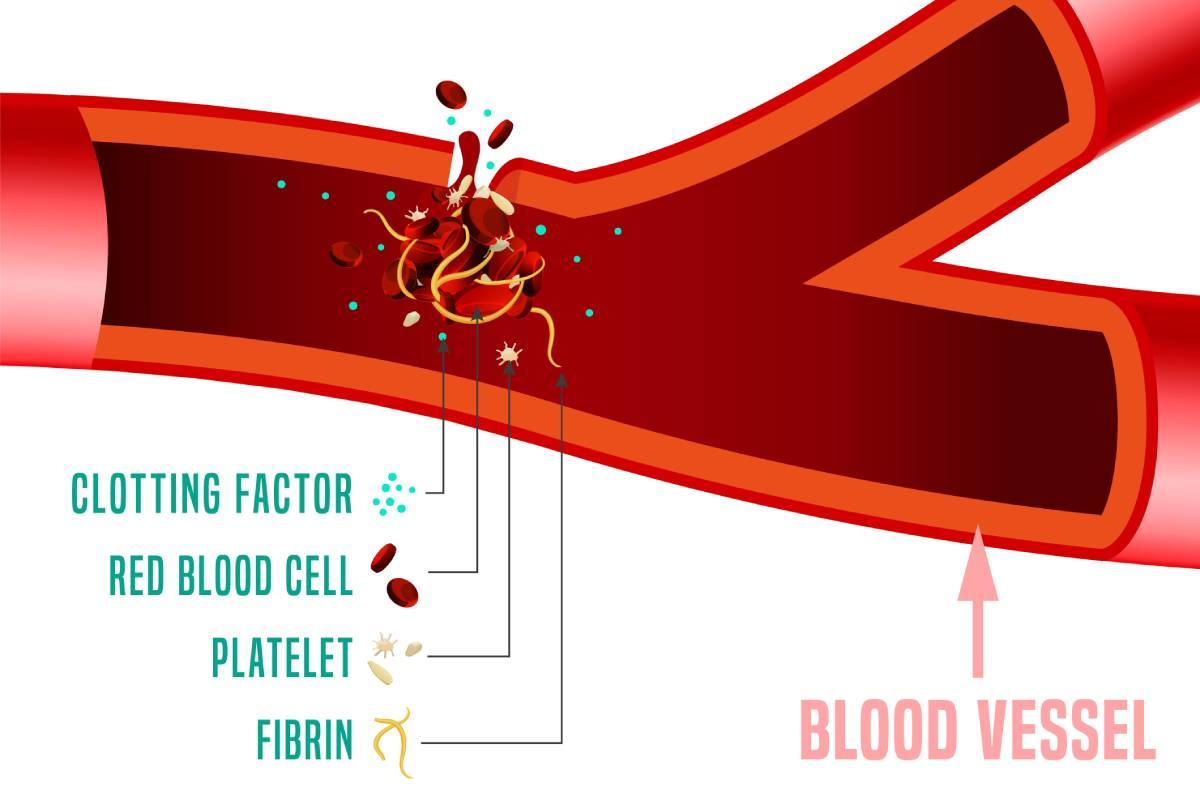
This dries into a protective scab, nature’s built-in bandage, keeping germs out while healing begins underneath.
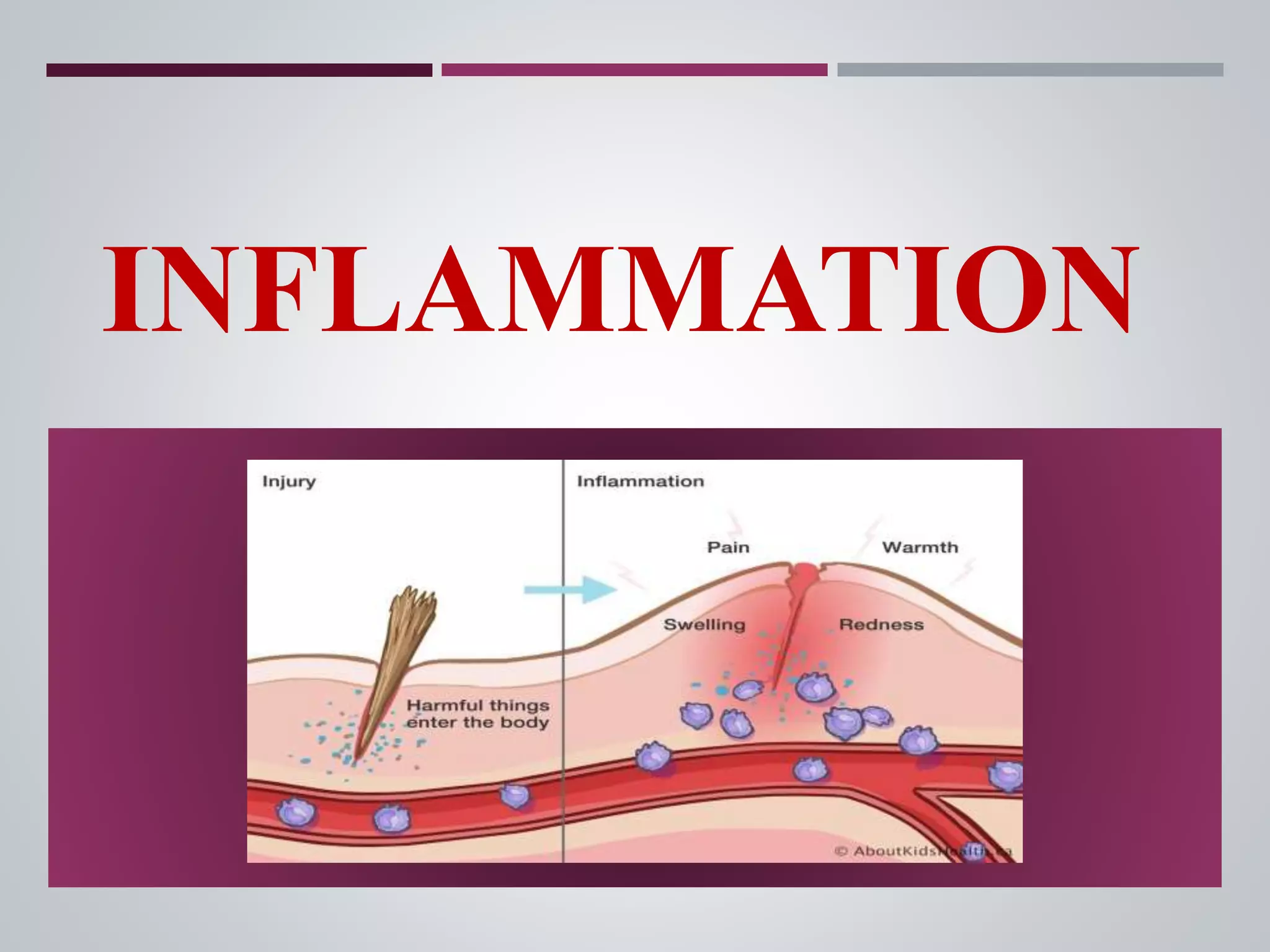
2. Inflammation: Cleaning and Defending
Once the bleeding stops, your body turns its focus to cleaning the area.
- Blood vessels widen to bring in white blood cells.
- These cells remove bacteria, dirt, and dead tissue.
- You may notice redness, swelling, warmth, or tenderness — all normal signs that your body is working hard to protect you.
3. Proliferation: Building New Tissue
Now the real rebuilding begins.
- New skin cells multiply and slowly cover the wound.
- Fibroblasts produce collagen — a strong protein that pulls the wound edges together.
- Tiny new capillaries form to bring oxygen and nutrients to the healing tissue.
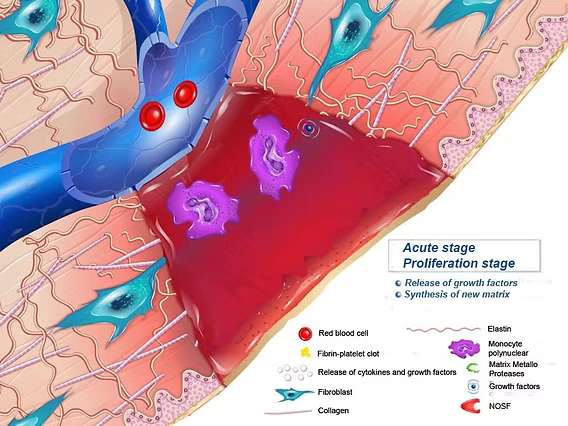
This creates fresh, healthy tissue beneath the scab.
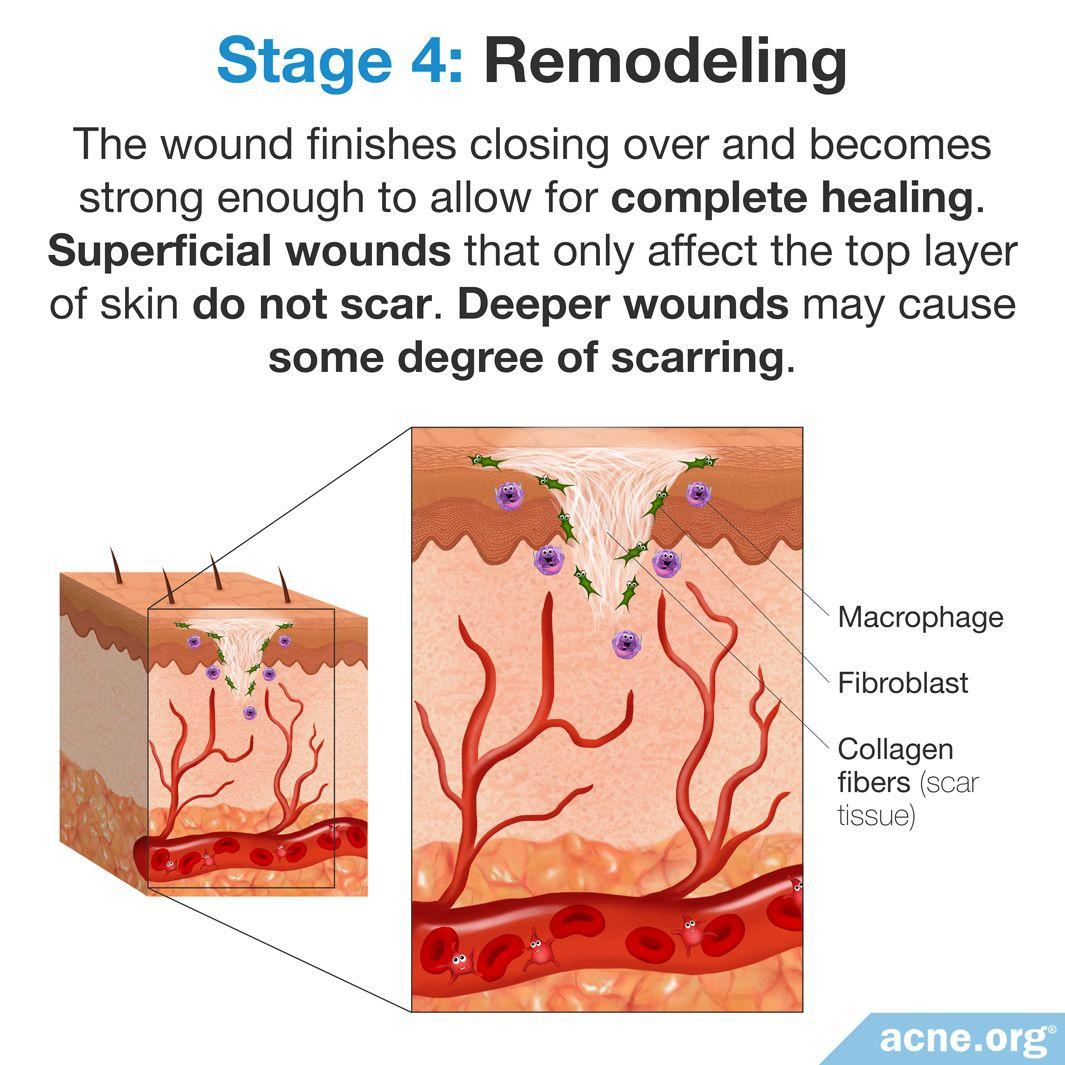
4. Maturation or Remodeling: Strengthening and Refining
Even after a wound looks healed on the outside, your body continues its repair work.
- The new collagen is reorganized and strengthened.
- Over months (sometimes years), the repaired area becomes more flexible and smoother.
- Scars may fade but usually never disappear completely.
What Happens to the Scab?
The scab stays in place as long as your body needs protection.
Underneath it, new skin forms quietly.
When the healing is complete, the scab dries out and naturally falls off, revealing newly repaired skin.
Why Scars Form
Scars are made mostly from collagen. Since this collagen is laid down quickly to close the wound, it looks and feels different from normal skin.
Good wound care helps reduce scarring, including:
- Keeping the wound clean and covered
- Avoiding picking the scab
- Moisturizing gently once the scab is gone
- Protecting the healing area from sunlight
Final Thoughts
Cut or graze your skin, and your body immediately springs into action. From clotting and cleaning to rebuilding and refining, every stage plays a crucial role in restoring the protective barrier that keeps you safe. By understanding how wounds heal — and supporting the process with simple care — you help your body do what it’s already designed to do beautifully.

- News & Current Affairs
- Business & Economy
- Finance & Money
- Education & Learning
- Technology & Innovation
- Science & Environment
- Health & Wellness
- Food & Drink
- Home, Garden & Lifestyle
- Travel & Tourism
- Fashion & Beauty
- Art & Culture
- Entertainment & Media
- Sports & Recreation
- Personal Growth & Lifestyle
- Careers & Work
- Tutorials & How-To Guides
- Real Estate & Property
- Automotive
- Family & Relationships
- Environment & Sustainability
- Law & Legal Matters
- Gaming & Esports
- Religion & Spirituality
- Community & Local Voices
- Miscellaneous

 English
 Arabic
 French
 Spanish
 Portuguese
 Deutsch
 Turkish
 Dutch
Dutch
 Italiano
 Romaian
 Portuguese (Brazil)
 Greek
Greek
