


What Is a Formal Garden? Key Elements, Timeless Design & How to Use It Today

When someone asks, “What is a formal garden?”, a few classic images usually spring to mind:
- Straight paths and clipped hedges
- Elegant topiary and stone statues
- Geometric layouts repeated in perfect symmetry
- Neatly edged lawns with plants confined to their spaces
And yes—those are all part of it. But a true formal garden is much more than a set of straight lines and tidy corners. It’s a design style rooted in structure, balance, and order. It expresses the human desire to shape nature into something harmonious, controlled, and deeply pleasing to the eye.
Whether you dream of a full Renaissance-inspired layout or just want a touch of formality in your home garden, understanding the foundational elements will guide you to a garden space with timeless appeal.
Key Characteristics of a Formal Garden
1. Structure & Symmetry
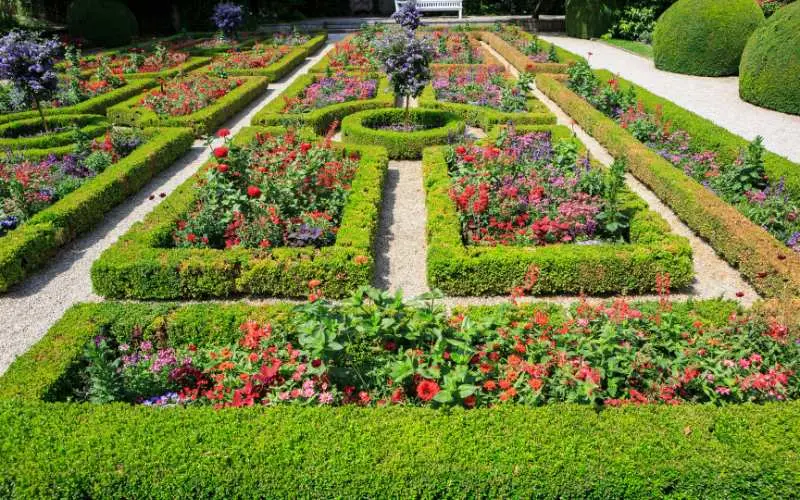
Structure is the backbone of formal garden design. Many historic formal gardens were created to be viewed from above—from balconies, terraces, or upper storey windows. This elevated perspective highlighted the layout’s precision, giving it the look of a woven tapestry or painting.
Symmetry plays a major role: mirrored plantings, balanced pathways, and a central axis that guides the eye directly to a focal point.
2. Geometric Shapes
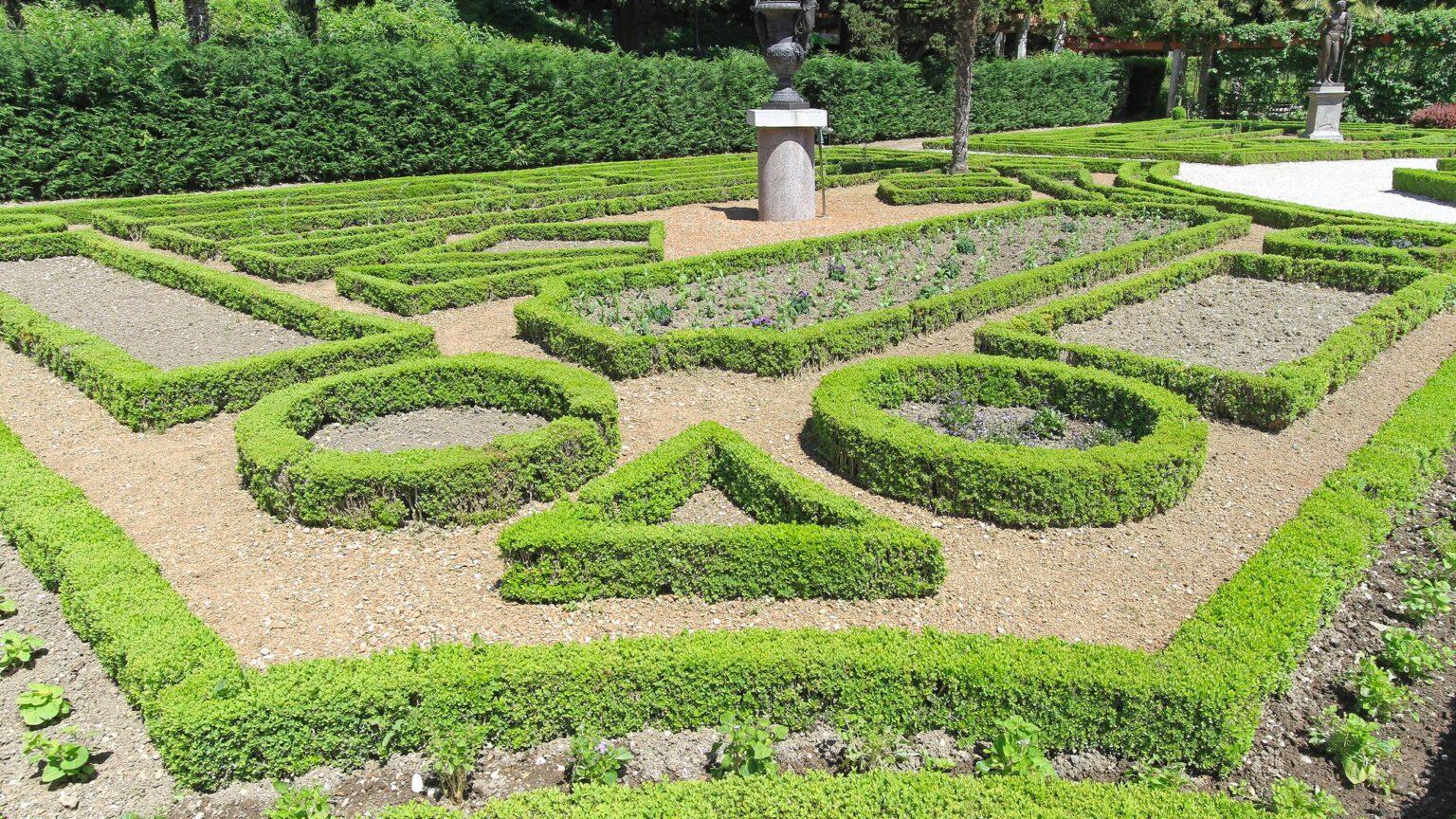
Geometry defines a formal garden’s personality. Squares, rectangles, circles, and straight lines are used to shape the beds, lawns, and paths. While rectangles offer crisp order, circles soften the space and provide perfect visual balance.
Parterres—ornate, swirling, clipped box hedges—became iconic during the Italian Renaissance and remain one of the most recognisable symbols of formal design.
3. Evergreen Dominance
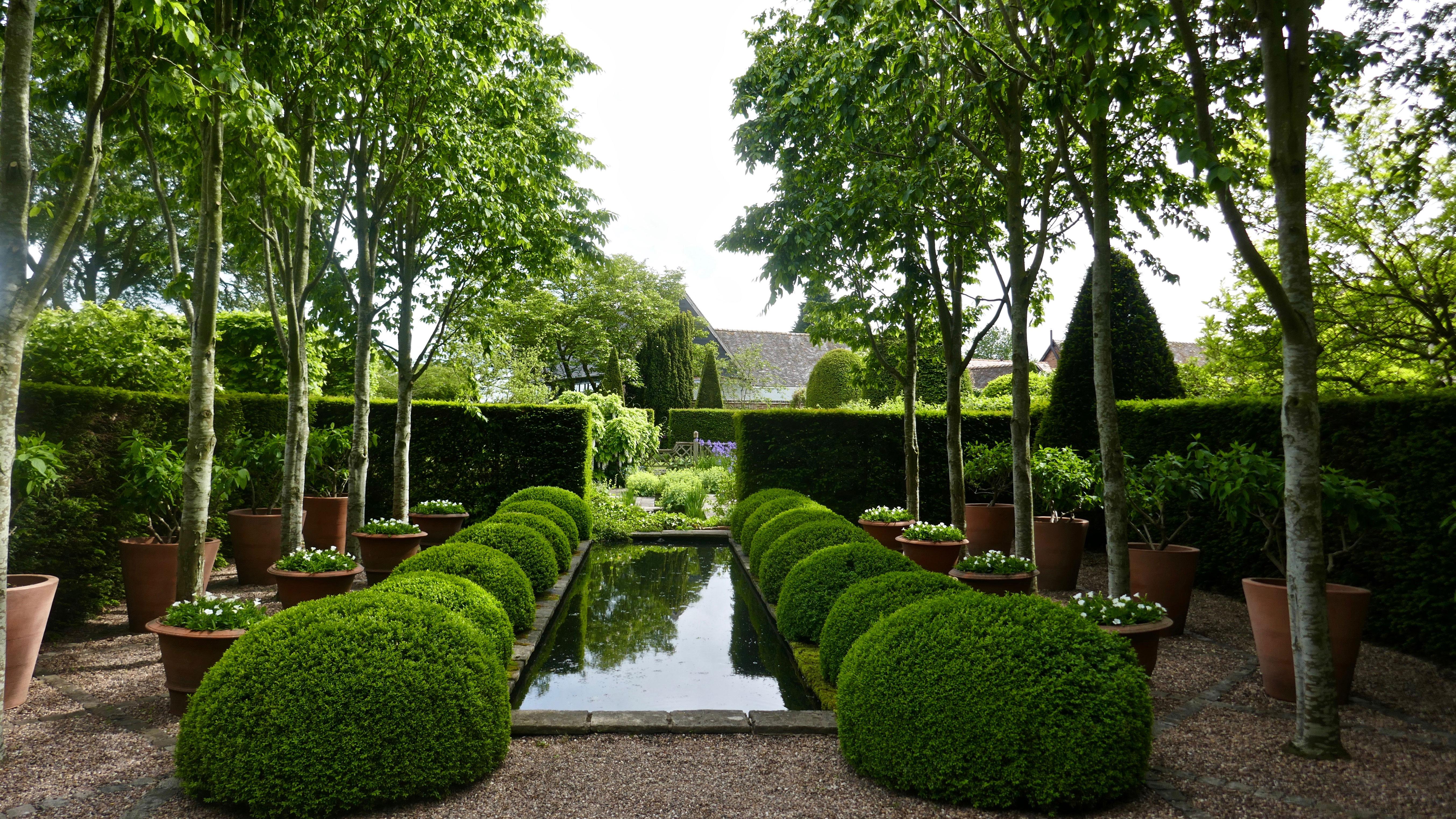
Evergreen plants provide year-round structure. From boxwood hedges to yew topiaries, these plants don’t lose their shape or colour with the seasons. They are ideal for edging, borders, knot gardens, and the general “bones” of the design. Flowers may be included, but evergreen foliage is the star.
4. Repetition
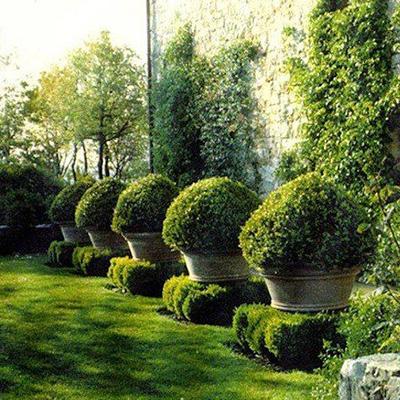
Repetition ties the entire space together. Repeated shrubs, patterns, or shapes create rhythm and unity. In smaller gardens, repetition also gives the illusion of more space—one of the formal style’s clever visual tricks.
Additional Elements Found in Formal Gardens
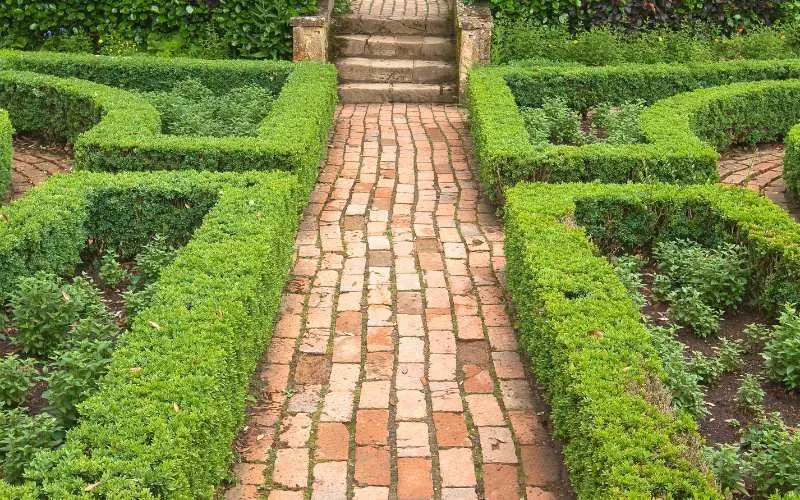
Pathways
Paths are always part of the design—even if only implied. The main path typically follows the central axis, anchoring the symmetry. Cross paths can divide the garden into quadrants, or more intricate pathways may create a network of geometric patterns.
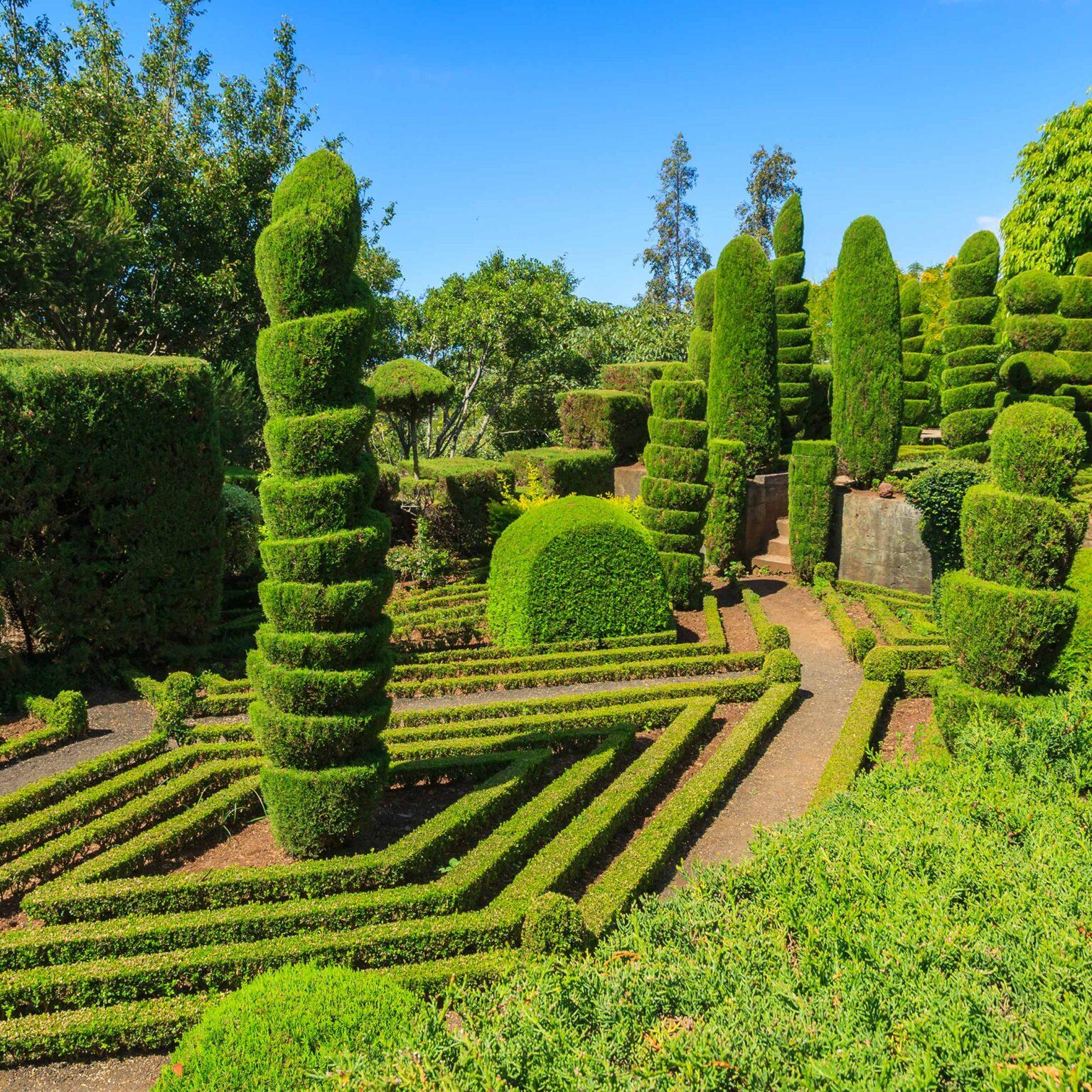
Topiary
Topiary is a beloved hallmark of formal gardens. While many shapes are clean and geometric, whimsical pieces aren’t off-limits. A clipped peacock or spiral adds personality without undoing the garden’s formality—as long as it’s used sparingly.
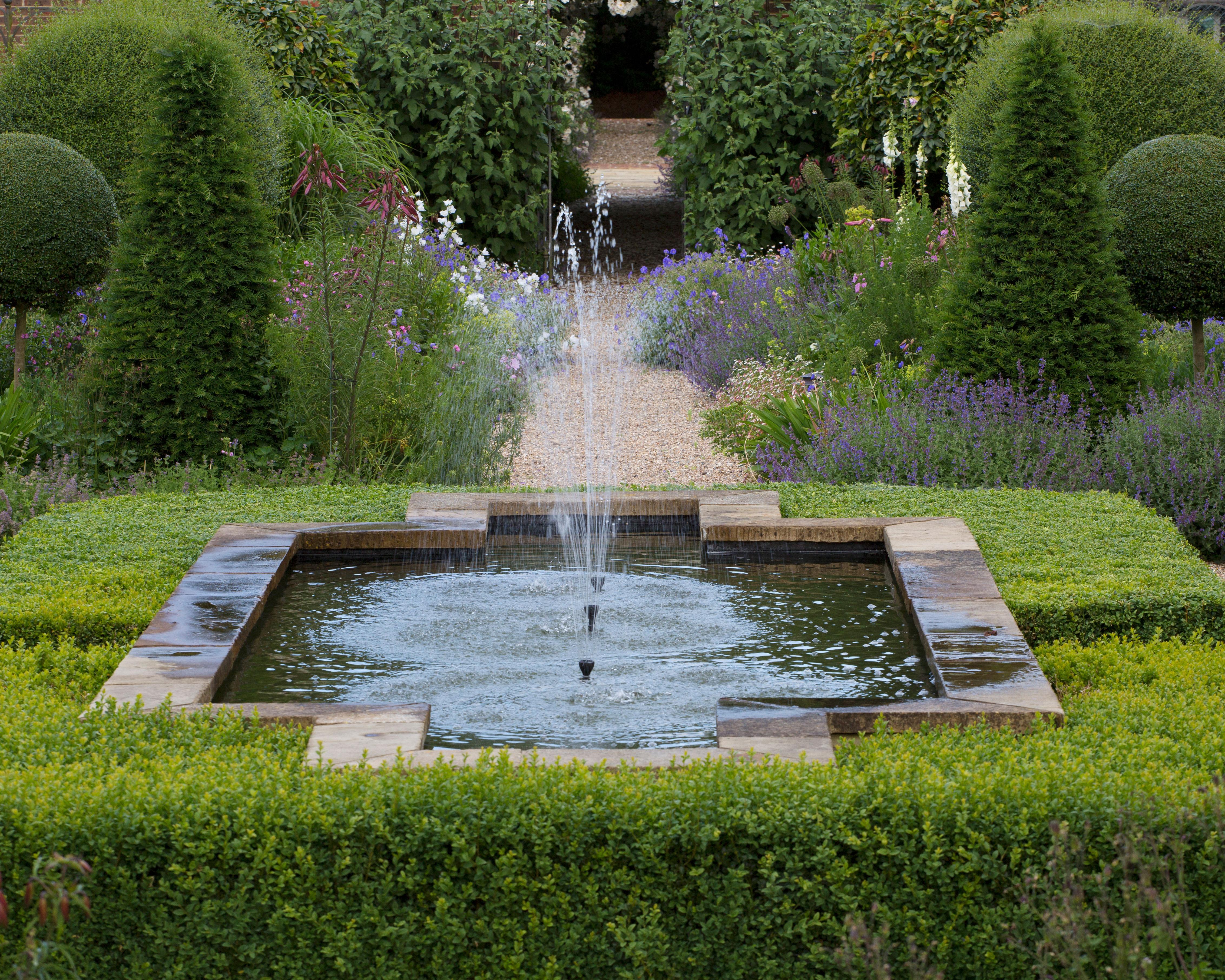
Water Features
From rectangular reflecting pools to narrow rills, water has always been essential. Historically, enclosed gardens used water for cooling and irrigation, but today it also acts as a serene focal point. Fountains, ponds, and linear channels all fit beautifully.
Flowers
While some formal gardens avoid flowers altogether, many benefit from a restrained palette. Keep colours simple—white, soft pink, or a single accent shade. Shrubs and perennials chosen for their structure work best. Bulbs can be displayed neatly in symmetrical pots.
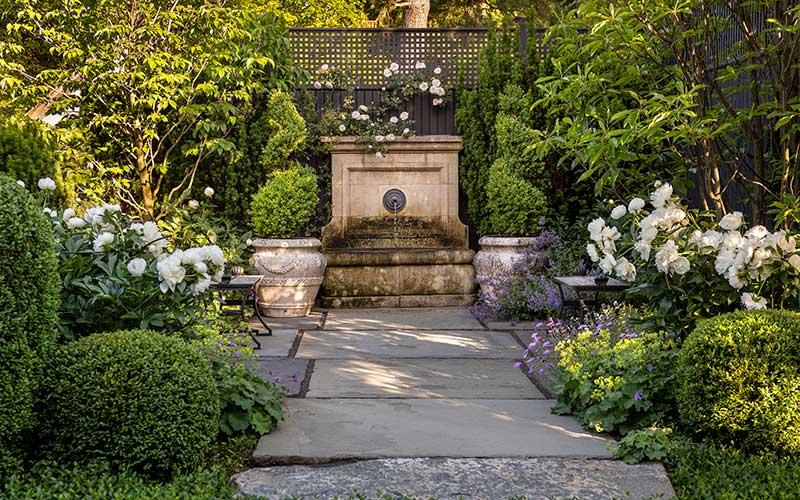
Structures & Statues
Pergolas, arbours, urns, benches, and classical sculptures are common features. Place them thoughtfully: one urn at the end of a clipped hedge path is powerful; five scattered around a small space? Not so much. Less is always more in formal design.
And yes—garden gnomes are allowed, if they reflect your personality. A spark of fun never ruins good design.
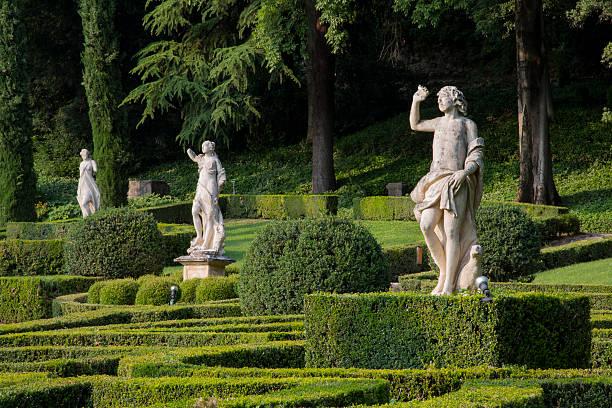
Formal gardens have lasted thousands of years, from ancient Persia to Renaissance Italy to modern-day urban courtyards. Their appeal lies in their elegance, clarity, and sense of calm.
You don’t need a palace or sprawling estate to enjoy this style. Formal design adapts beautifully to modern life:
- A small front garden with low variegated hedging
- Four clipped topiary cones marking the corners
- A sundial or pot as a central focal point
- Evergreen ground covers ensuring year-round neatness
Final Thoughts
Formal gardens prove that structure and beauty can work hand in hand. They offer a timeless aesthetic, a sense of order in a chaotic world, and a framework that can be adapted to fit nearly any space. Whether you want a grand parterre or simply a hint of clipped symmetry in your modern garden, the principles of formal design give you a strong foundation to build on.
With evergreens for structure, symmetry for balance, and geometry for clarity, your garden can become a living work of art—one that brings joy year-round.

- News & Current Affairs
- Business & Economy
- Finance & Money
- Education & Learning
- Technology & Innovation
- Science & Environment
- Health & Wellness
- Food & Drink
- Home, Garden & Lifestyle
- Travel & Tourism
- Fashion & Beauty
- Art & Culture
- Entertainment & Media
- Sports & Recreation
- Personal Growth & Lifestyle
- Careers & Work
- Tutorials & How-To Guides
- Real Estate & Property
- Automotive
- Family & Relationships
- Environment & Sustainability
- Law & Legal Matters
- Gaming & Esports
- Religion & Spirituality
- Community & Local Voices
- Miscellaneous

 English
 Arabic
 French
 Spanish
 Portuguese
 Turkish
 Dutch
Dutch
 Italiano
 Russian
 Romaian
 Portuguese (Brazil)
 Greek
Greek
