


Natural Healing Baths

For generations, our parents and grandparents have praised the soothing comfort of soaking in a warm tub infused with Epsom salts. Today, natural bath rituals remain one of the simplest ways to ease tension, nourish the skin, and slow down a busy mind. With the right combination of salts, oils, and herbs, an ordinary bath becomes a deeply healing, calming experience.
Mineral salts gently soften the skin, bath oils offer luxurious moisture, and herbs can both relax and uplift—depending on what your body needs.
Types of Healing Baths
Soften With Salts
Making your own bath salts is quick, and easy.
Epsom Salt Bath
Add about 1½ cups of Epsom salt to warm water. Ideal for relaxing muscles and easing aches. Soak for 15 minutes.
Sea Salt Bath
Sea salt supports the skin’s natural balance. Add ¼ cup to your tub and soak for 15–20 minutes.
Salt with Essential Oil/Oils
Add 15–30 drops of your favourite essential oil to 2 cups of sea salt or Epsom salt. Mix well and store in a glass jar.
Soothing Salt Blend:
- 1 cup sea salt
- 1 cup Epsom salt
- 10 drops lavender essential oil
- 2 tablespoons dried lavender flowers
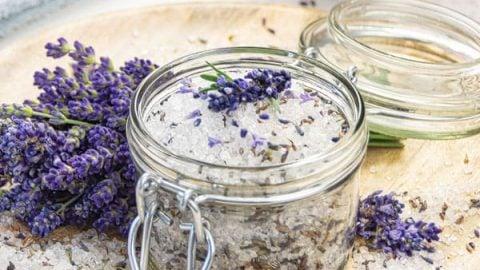
Combine ingredients and keep in a jar. Add ¼ cup to your bath as the tub fills, swirling the water to help dissolve the salts evenly.
Bath Oils for Soft, Hydrated Skin
Bath oils are especially useful for dry skin or winter itch.
Add 1–2 teaspoons of avocado, jojoba, or castor oil to the bathwater, along with a few drops of your favourite essential oil.
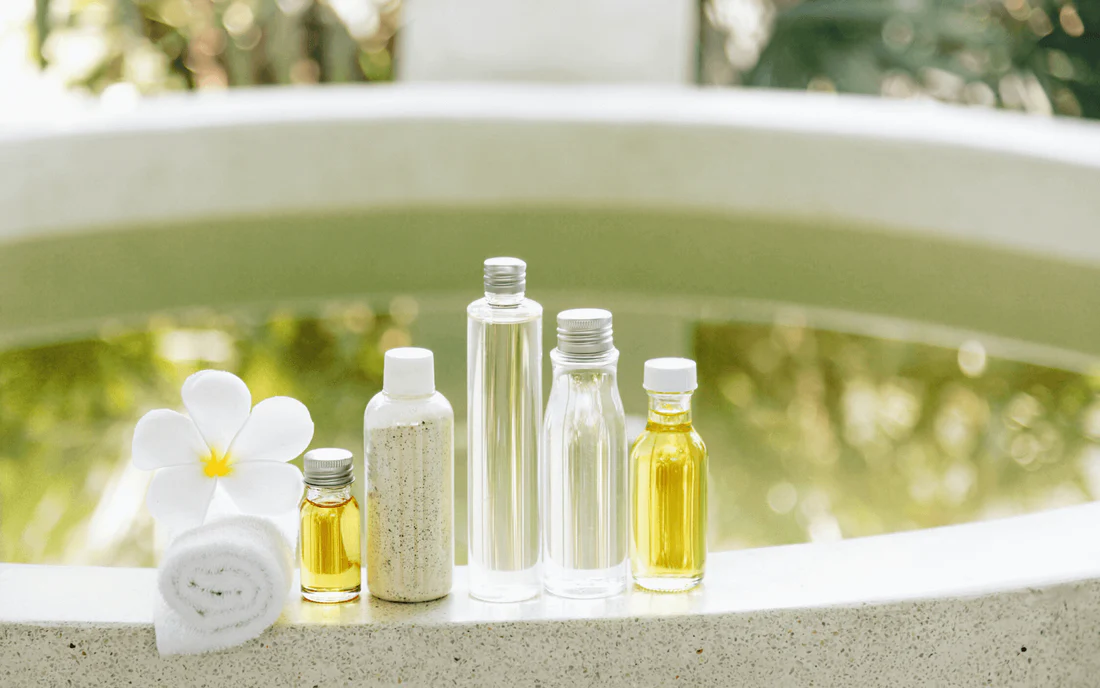
Tip: Oils make the tub slippery, so take care when stepping out of the tub.
Herbal Blends: Nature’s Aroma Therapy
Herbs add gentle fragrance and therapeutic benefits to your soak.
Herbal Baths
- Chamomile: Brew a strong tea, strain, and add to your bath for a calming, anti-spasmodic effect.
- Nettle: Infuse fresh or dried nettle leaves for 10 minutes, then pour into the bath to help soothe itchy or inflamed skin.
Additional Herbs to Try:
- Dried chamomile flowers (soothing, calming)
- Dried lavender (relaxing, aromatic)
- Dried rose buds or petals (comforting, softening)
Experiment with your own herbal combinations to suit your mood and needs.
If you don’t mind having loose fresh or dried herbs floating in your bath, you can add them directly to the water. Simply let the warm water run first so the heat can draw out the herbal oils and aromas, infusing the bath with their natural benefits. Once the herbs have steeped into the water, adjust the temperature by running the cold tap until the bath is perfectly comfortable for soaking.
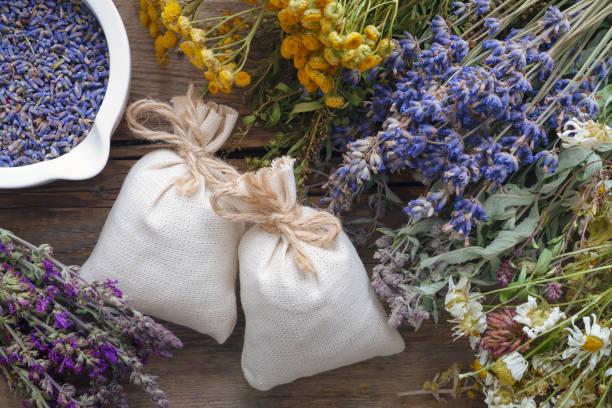
If you prefer to avoid loose herbs floating in your bath, and the cleanup that comes with them, simply place your fresh or dried herbs in a muslin bag or a handkerchief. This keeps everything contained and prevents herbs from clogging the drain. Hang the bag under the warm-water tap and let the heat and steam release the natural oils, creating a gentle herbal infusion as your bath fills.
Oatmeal Bath
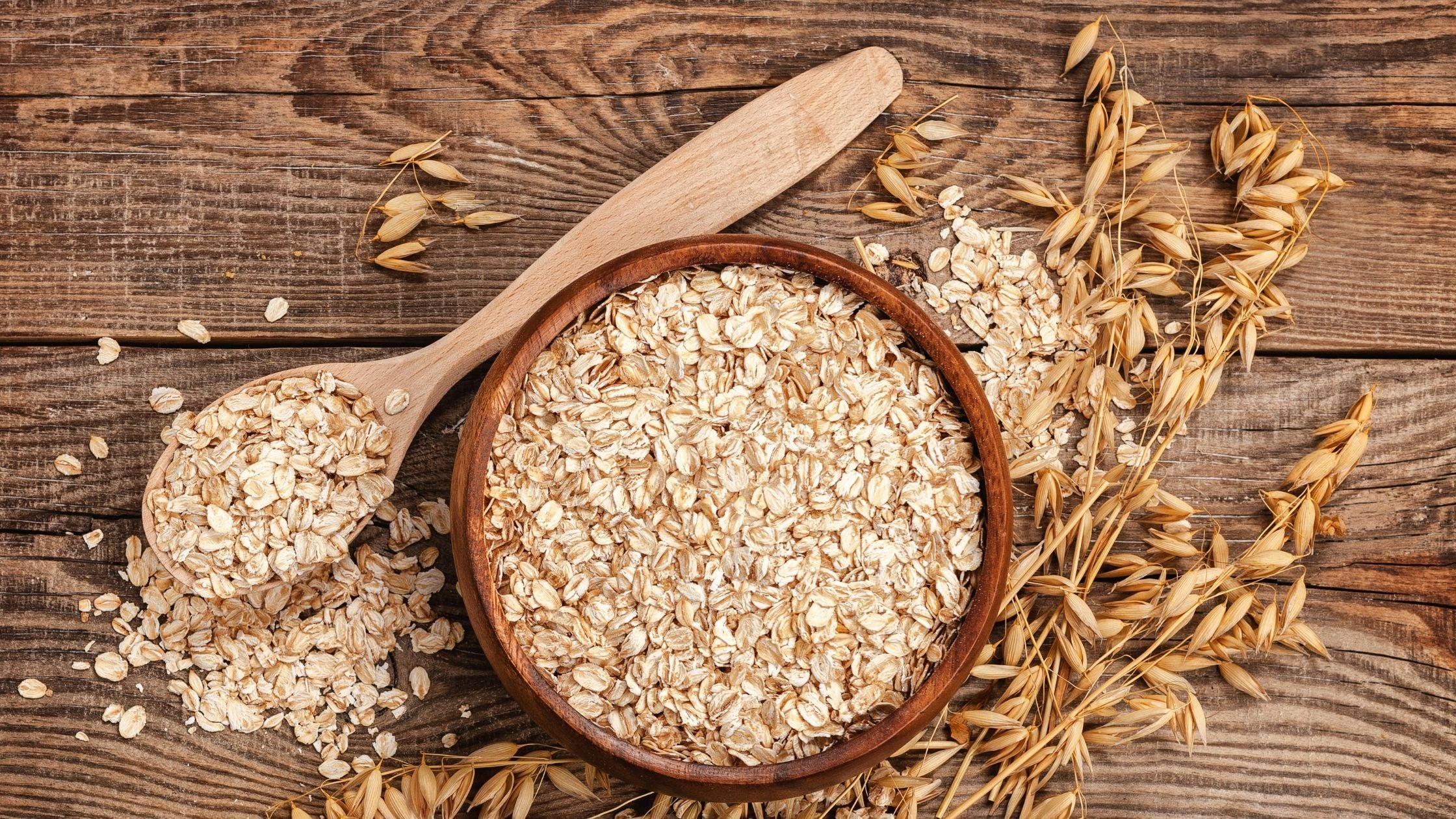
Colloidal oatmeal softens dry, irritated skin—excellent for eczema or winter dryness. Place a couple handfuls in a muslin bag and let warm water run through it.
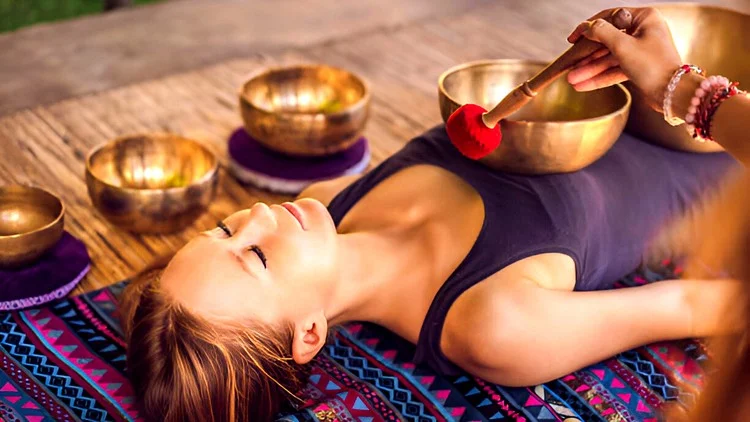
Sound Baths
A non-water “bath” using sound vibrations from bowls or instruments to quiet the mind and promote inner peace.
This work by guiding you into deep relaxation, helping to naturally lower your heart rate and blood pressure. Many people who attend sound baths report feeling calmer, lighter, and more balanced afterward, with noticeable improvements in mood, tension, fatigue, and even sleep quality.
So what makes sound baths so effective? It’s all about the gentle, rhythmic vibrations from instruments like singing bowls, chimes, and gongs. These frequencies can help calm the nervous system, ease the mind, and reduce stress hormones such as cortisol. As your body relaxes, it taps into its own healing and restorative responses, creating a sense of harmony from the inside out.
Tips for a More Healing Experience
- Set the Mood: Dim the lights, light a candle, and play calming music.
- Set an Intention: Decide what you need—relaxation, grounding, or relief from stress.
- Breathe Deeply: Focus on slow, rhythmic breaths as you soak.
- After the Bath: After soaking, gently pat your skin dry and apply a moisturizer, especially after salt-based baths.
Final Thoughts
A healing bath is more than simply sitting in warm water, it’s a ritual of self-care, restoration, and connection to the natural world. Whether you choose salts, herbs, oils, or soothing sound, each bath becomes a mindful moment to unwind, release tension, and nurture your body. A small, simple practice that can bring big comfort—something our grandparents knew well, and something still so relevant today.

- News & Current Affairs
- Business & Economy
- Finance & Money
- Education & Learning
- Technology & Innovation
- Science & Environment
- Health & Wellness
- Food & Drink
- Home, Garden & Lifestyle
- Travel & Tourism
- Fashion & Beauty
- Art & Culture
- Entertainment & Media
- Sports & Recreation
- Personal Growth & Lifestyle
- Careers & Work
- Tutorials & How-To Guides
- Real Estate & Property
- Automotive
- Family & Relationships
- Environment & Sustainability
- Law & Legal Matters
- Gaming & Esports
- Religion & Spirituality
- Community & Local Voices
- Miscellaneous

 English
 Arabic
 French
 Portuguese
 Deutsch
 Turkish
 Dutch
Dutch
 Italiano
 Russian
 Romaian
 Portuguese (Brazil)
 Greek
Greek
