


The 4 P’s of Motivation + The Top 3 Motivational Drivers Explained

Staying motivated isn’t always easy. When life gets busy or challenges pile up, it helps to return to a simple, grounded framework. Over time, I developed what I now call the 4 P’s of Personal Motivation—a quick self-check that brings clarity when I feel stuck.
Alongside these, understanding the three major types of human motivation—material, social and ideological—reveals why people do what they do and how to inspire action more effectively.
🔥 The 4 P’s of Personal Motivation
These four pillars create a powerful internal compass:
1. Purpose
Your “why.” The deeper meaning behind your actions. When purpose is clear, motivation becomes more natural and sustainable.
2. Passion
Energy, excitement and emotional connection. Passion fuels creativity, commitment, and the desire to keep going when things get tough.
3. Practice
The daily habits and consistent actions that build momentum. Practice keeps motivation grounded in reality.
4. Proficiency
The skills and competence you gain over time. Mastery builds confidence—and confidence strengthens motivation.
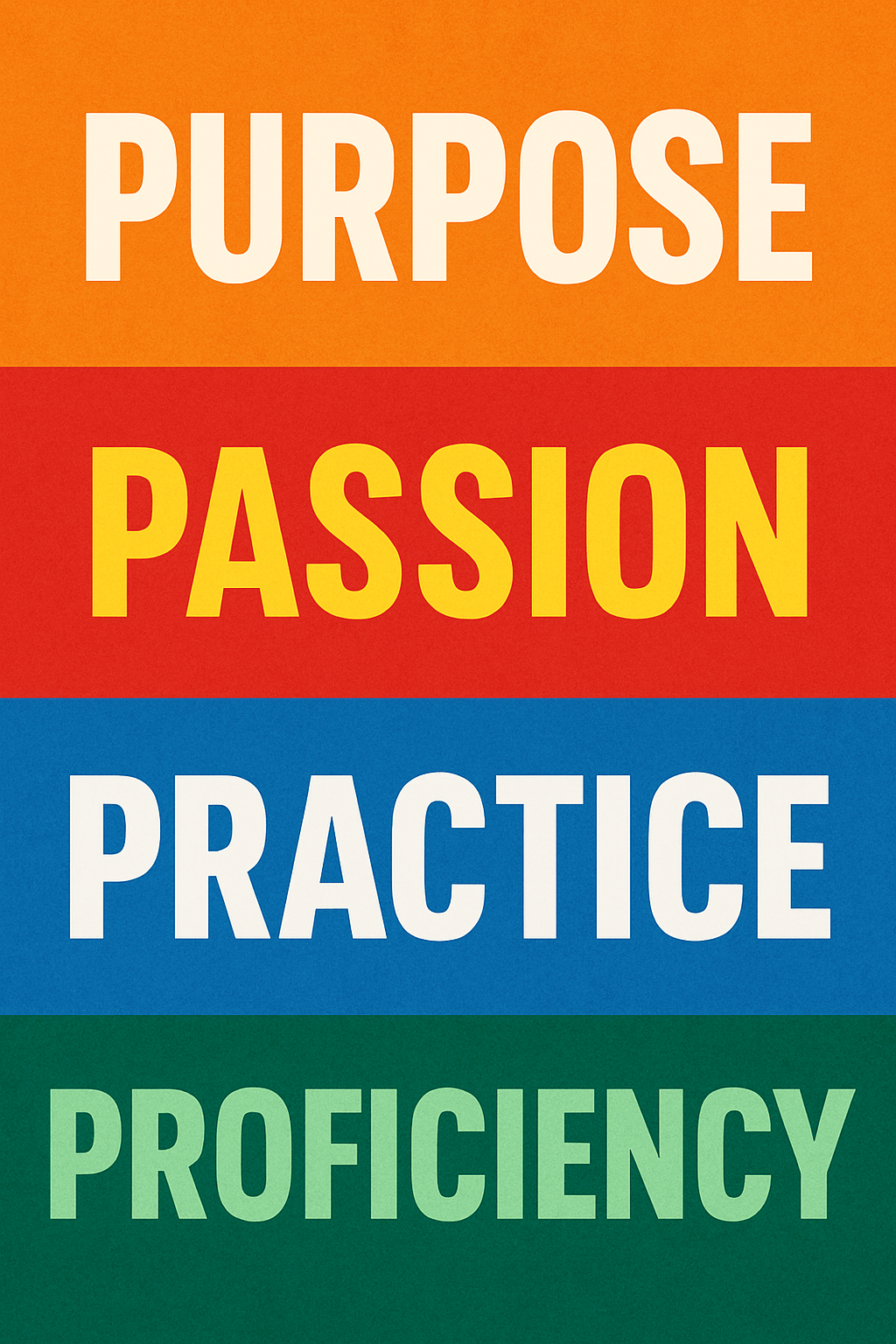
Together, the 4 P’s form a simple but effective way to realign and refocus any time you feel off track.
⭐ The Top 3 Motivations: Material, Social and Ideological
Psychologists and behavioural economists often group motivations into three broad categories. Understanding these helps you influence others ethically—and understand your own choices more clearly.
💰 1. Material Motivations
Material motivation is the most straightforward: money, discounts, rewards, perks, or anything with clear financial value.
Examples include:
- Salary or bonuses
- Coupons and discounts
- Free products or services
- Insider information that leads to financial benefit
Material incentives are transparent: “Do X and get Y.” Because of this clarity, they can be the most ethical form of persuasion—no hidden agendas, no emotional manipulation.
But there's a catch:
Above a basic income level, material rewards lose power. People become more influenced by social and ideological factors. And if material incentives are designed poorly (like cut-throat commission structures), they can damage trust and teamwork.
Key considerations:
- Timing matters — a delayed larger reward can be more motivating than an immediate small one.
- Transparency matters — people must understand the value exchange.
- Balance matters — too much emphasis on money can harm social motivation.
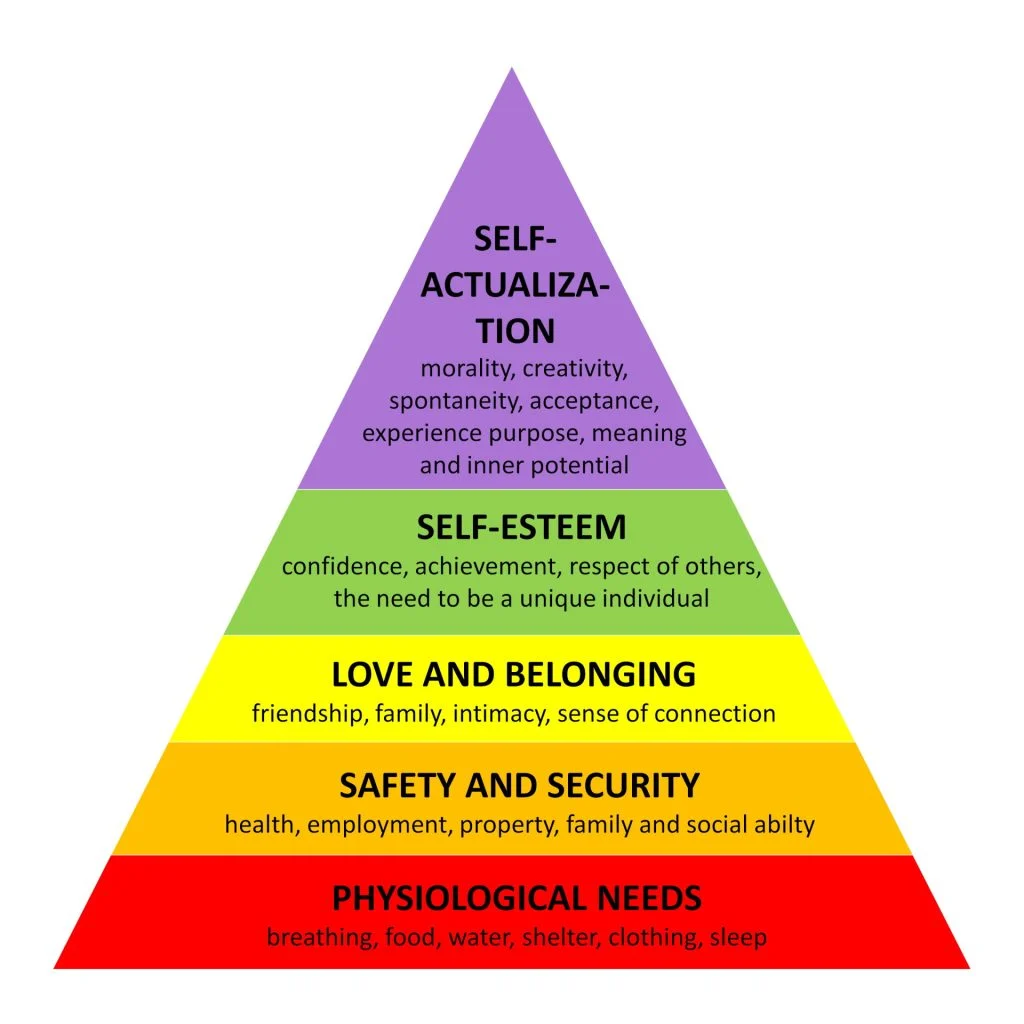
Material motivations sit at the base of Maslow’s Hierarchy of Needs—they help us survive. But they aren’t enough to help us thrive.
👥 2. Social Motivations
Humans are pack animals—we crave belonging, approval, and social connection. Social motivations include:
- Identity
- Belonging
- Relationships
- Sex and attraction
- Public achievement
- Self-esteem
- Politics, authority and influence
- Fame
- Community and group membership
Luxury goods, for example, are driven far more by social meaning than material value. A flower bouquet is socially powerful; handing someone a $100 bill with a note… not so much.
Social Motivations Operate at Three Levels:
- You — Self-image, confidence, self-esteem
- You + Family — Intimate relationships, loyalty, identity
- You + Groups — Social circles, communities, workplaces, tribes
If you want to influence a social group, you need to create social value: make members feel seen, supported, and connected. Influence grows when you strengthen relationships and contribute to the group identity.

🌱 3. Ideological Motivations
Ideological motivation is the most powerful—and the most unpredictable. It’s driven by:
- Deeply held beliefs
- Personal values
- Worldviews
- Identity-level commitments
- Purpose-driven missions
Founders are classic examples. Many entrepreneurs work 70+ hour weeks for little pay because they believe in a dream bigger than any paycheck. Employees may not share that ideology—hence the friction.
Why Ideological Motivation Is Complicated
- People rarely change their core beliefs.
- It’s difficult (and often unethical) to manipulate ideological commitment.
- Ideology is deeply tied to identity, culture, and personal history.
Instead of trying to convert people, seek out those who already believe what you believe.
Advertisers are experts at this—animal lovers respond best to pet-related messaging; athletes respond to sport-driven communities.
Two Predictable Ideology Challenges:
- Startup founders make difficult clients.
Their ideological passion can overshadow practical expectations. - Handing a business to the next generation is often rocky.
The founders’ ideology doesn’t always transfer—and material realities clash with inherited ideals.
The good news? Today’s digital world makes it easier than ever to gather like-minded people, build trust, and nurture an ideology-driven community.
🎯 Why These Motivations Matter
Understanding the 4 P’s of personal motivation helps you strengthen your internal drive.
Understanding the big 3 motivations—material, social, ideological—helps you understand the world around you and motivate others more effectively.
When you combine the two frameworks, you get a powerful toolkit to:
- Build better habits
- Lead people more ethically
- Strengthen relationships
- Make clear decisions
- Inspire teams
- Influence behaviour with integrity
Motivation is complex—but once you understand its pillars, it becomes far easier to work with rather than against.
Final Motivational Thought
When you understand what drives you—your purpose, your passion, your daily practice and your growing proficiency—you take back control of your momentum. And when you recognise the motivations that move people—material, social and ideological—you navigate the world with clarity instead of confusion. Motivation isn’t a mystery; it’s a map. The more clearly you read it, the further you can go with confidence, intention and joy.


- News & Current Affairs
- Business & Economy
- Finance & Money
- Education & Learning
- Technology & Innovation
- Science & Environment
- Health & Wellness
- Food & Drink
- Home, Garden & Lifestyle
- Travel & Tourism
- Fashion & Beauty
- Art & Culture
- Entertainment & Media
- Sports & Recreation
- Personal Growth & Lifestyle
- Careers & Work
- Tutorials & How-To Guides
- Real Estate & Property
- Automotive
- Family & Relationships
- Environment & Sustainability
- Law & Legal Matters
- Gaming & Esports
- Religion & Spirituality
- Community & Local Voices
- Miscellaneous

 English
 Arabic
 French
 Spanish
 Portuguese
 Deutsch
 Turkish
 Dutch
Dutch
 Russian
 Romaian
 Portuguese (Brazil)
 Greek
Greek
