


How and When to Use Epsom Salt in Your Garden (Complete Guide)
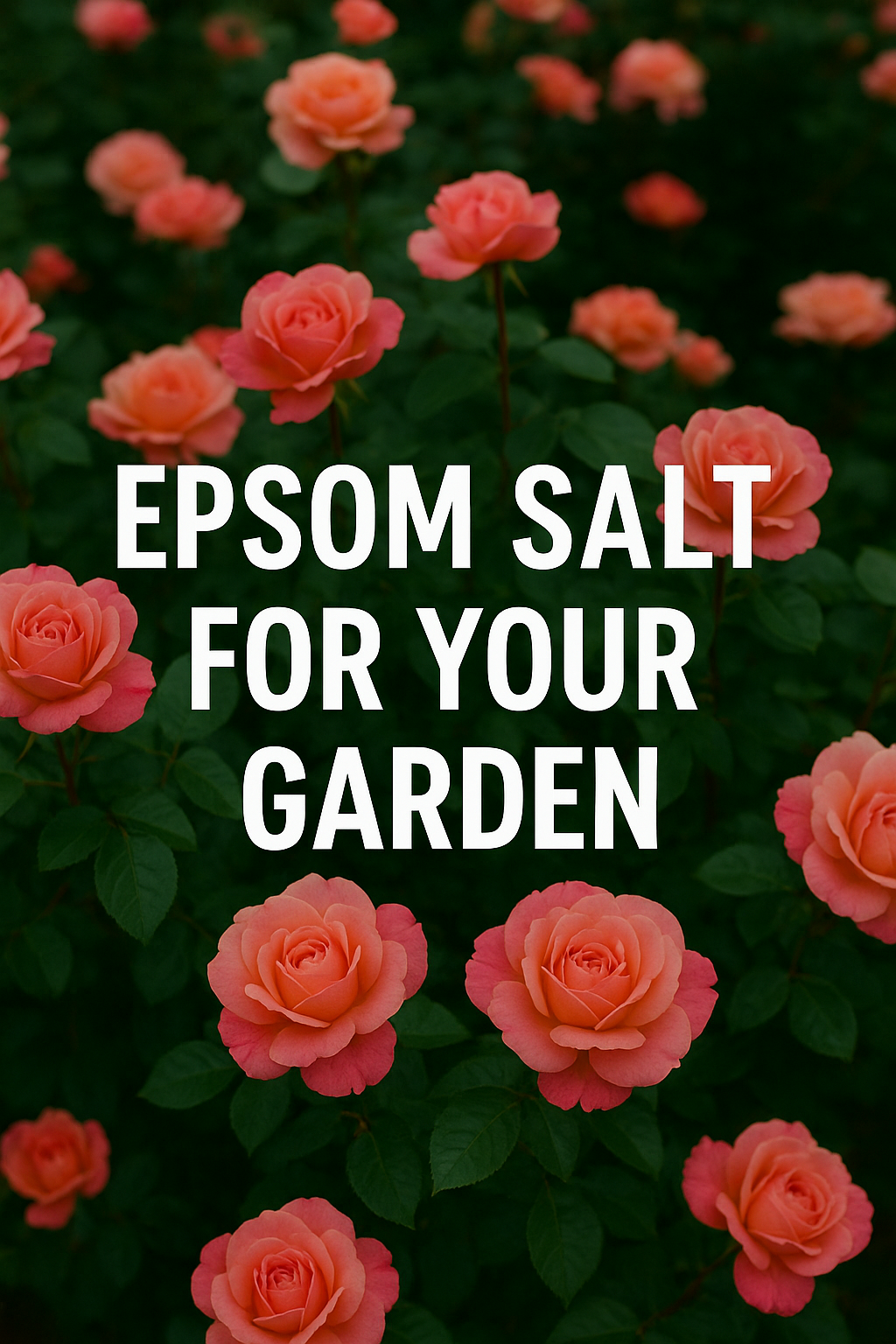
Epsom salt—known scientifically as magnesium sulfate—has long been praised by gardeners for its ability to revive tired plants, boost growth, deepen leaf colour, and encourage abundant blooms. But how exactly does Epsom salt work, and when is it the right choice for your garden?
In this guide, we’re breaking down everything you need to know about using Epsom salt in gardening:
✔ What it is
✔ When your plants need it
✔ How to apply it
✔ Which plants benefit the most
Whether you’re fighting magnesium-deficient soil or simply looking to give your garden a natural nutrient boost, these tips will help you get the best results.
What Is Epsom Salt? (And Why Plants Love It)
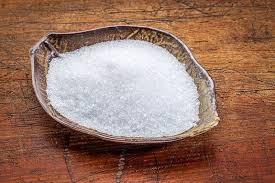
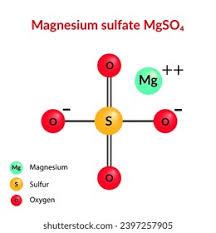
Epsom salt is a naturally occurring mineral made up of magnesium, sulfur, and oxygen—all essential for plant health. Unlike table salt (sodium chloride), it does not harm soil or plants when used correctly.
Why Epsom Salt Works
- Magnesium boosts chlorophyll production, helping plants convert sunlight into energy. It also activates enzymes needed for strong growth.
- Sulfur supports amino acid, vitamin, and protein formation while helping plants make better use of nutrients like nitrogen and phosphorus.
Magnesium is easily washed out of soil in areas with heavy rainfall—making periodic supplementation especially helpful in such regions.
When to Use Epsom Salt in Your Garden
Using Epsom salt is not about applying it everywhere “just in case.” Too much magnesium can disrupt nutrient balance. Instead, look for signs that your plants actually need it
Recognizing Magnesium Deficiency
Common symptoms include:
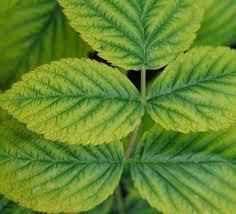
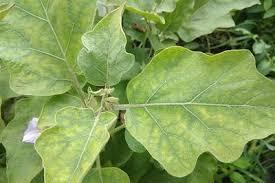
- Interveinal chlorosis: yellowing leaves with green veins
- Leaf curling (usually upward)
- Reduced flowering or poor fruit production
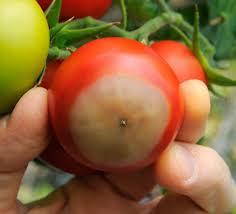
These symptoms start on the lower leaves and move upward as deficiency worsens.
If you notice these signs—or a soil test reveals low magnesium—Epsom salt may be just what your plants need.
Key Growth Stages for Epsom Salt Application
Timing matters. Here’s when Epsom salt makes the biggest impact:
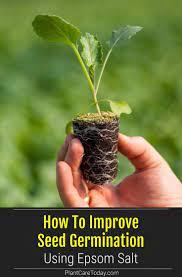
1. Seeding & Germination
A light sprinkle in the soil or pre-soaking seeds in an Epsom salt solution can improve:
- germination rates
- cell strength
- early nutrient uptake
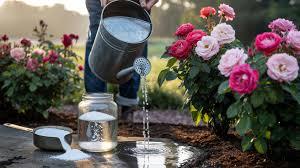
2. Flowering Stage
As plants shift energy toward blooms, magnesium helps:
- increase chlorophyll
- boost energy production
- support healthier, more vibrant flowers
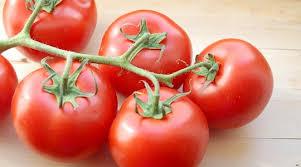
3. Fruit Setting Stage
Especially for tomatoes and peppers, magnesium is linked to:
- stronger fruit development
- improved flavour
- larger harvests
How to Use Epsom Salt on Plants (3 Effective Methods)
Here’s how to apply Epsom salt correctly for the best results.
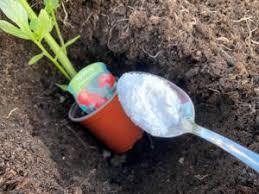
1. Soil Application
Perfect for boosting magnesium levels directly at the root zone.
How to apply:
- Use 1 tablespoon of Epsom salt per gallon of soil (or per plant for established beds).
- Sprinkle around the base or mix into new soil.
- Water well to help absorption.
- Repeat monthly during the growing season.
2. Foliar Spray
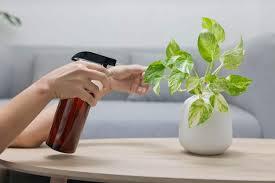
This delivers magnesium straight through the leaves—ideal for quick correction of visible deficiency.
How to make the spray:
- Dissolve 2 tablespoons of Epsom salt in 1 gallon of water.
- Spray leaves (top and underside).
- Apply in the early morning or late afternoon to avoid leaf burn.
- Repeat every 2 weeks until symptoms improve.
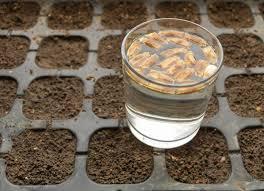
3. Seed Soaking
Great for giving seedlings a stronger start.
How to soak seeds:
- Mix 1 tablespoon of Epsom salt into 1 gallon of water.
- Soak seeds for 12–24 hours.
- Plant directly—no rinsing needed.
Plants That Benefit Most From Epsom Salt
Certain plants are naturally heavy magnesium feeders and often respond beautifully to Epsom salt:
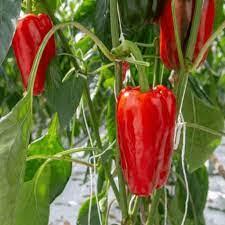
1. Tomatoes & Peppers
Prone to magnesium deficiency
→ Epsom salt helps prevent yellowing leaves and boosts fruit size and quality.
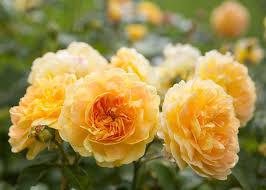
2. Roses
Rose gardeners swear by it.
→ Improves colour, bloom size, and nutrient uptake, especially in alkaline soils.
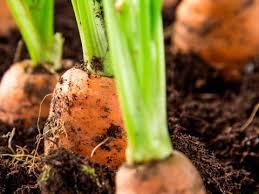
3. Potatoes & Carrots
Root vegetables thrive with extra magnesium
→ Promotes stronger, healthier root development.
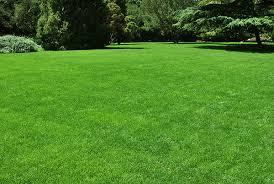
4. Lawns
If your lawn is pale, thin, or stressed
→ Magnesium supports greener, thicker grass.
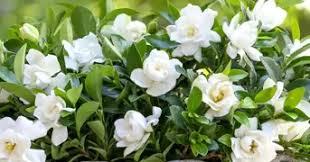
5. Gardenias & Azaleas
These acid-loving shrubs benefit from the sulfur content
→ Helps slightly lower soil pH and strengthen growth.
Final Thoughts:
Don’t Overuse Epsom Salt
As with any supplement, moderation is key. Excess magnesium can interfere with calcium and potassium uptake, leading to new problems.
For best results:
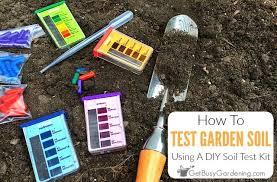
Always start with a soil test, if possible.
Apply only when your plants show signs of deficiency or are known magnesium feeders.
Used correctly, Epsom salt can transform plant health—leading to lusher foliage, stronger roots, bigger blooms, and tastier vegetables.

- News & Current Affairs
- Business & Economy
- Finance & Money
- Education & Learning
- Technology & Innovation
- Science & Environment
- Health & Wellness
- Food & Drink
- Home, Garden & Lifestyle
- Travel & Tourism
- Fashion & Beauty
- Art & Culture
- Entertainment & Media
- Sports & Recreation
- Personal Growth & Lifestyle
- Careers & Work
- Tutorials & How-To Guides
- Real Estate & Property
- Automotive
- Family & Relationships
- Environment & Sustainability
- Law & Legal Matters
- Gaming & Esports
- Religion & Spirituality
- Community & Local Voices
- Miscellaneous

 English
 Arabic
 French
 Spanish
 Portuguese
 Turkish
 Dutch
Dutch
 Italiano
 Russian
 Romaian
 Portuguese (Brazil)
 Greek
Greek
