


At-Home Tips to Treat Anaemia Naturally

Feeling unusually tired or lightheaded lately? You might be dealing with anaemia — a common and treatable blood disorder. The good news is that in many cases, small changes in diet, rest, and lifestyle can make a big difference.
Let’s explore some at-home tips to help manage anaemia naturally and support your body’s ability to produce healthy red blood cells.
Understanding Anaemia
Anaemia is the single most common blood disorder in the world. It happens when your body doesn’t have enough red blood cells — or when those cells don’t work as they should or an inherited abnormality.
This can result from several causes, including:
- Iron or vitamin deficiencies
- Pregnancy
- Chronic kidney disease
- Bone marrow disorders
- Leaky heart valves
Depending on the cause, treatments can range from simple dietary changes and supplements to more advanced medical care like blood transfusions or medications.
🥦 At-Home Tips for Treating Anaemia
1. Eat a Nutrient-Rich, Iron-Boosting Diet
If your anaemia is caused by low iron or vitamin levels, a well-balanced diet can go a long way. While supplements may help, your first line of defense should be nutrient-packed foods.
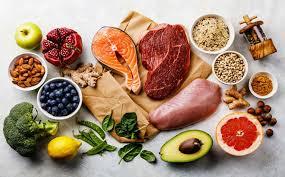
A healthy anaemia-friendly diet includes:
- Whole grains: oats, fortified cereals, enriched pasta
- Animal protein: chicken, beef, pork, fish
- Nuts & seeds: almonds, pistachios, sesame seeds
- Beans & legumes: lentils, soybeans, chickpeas
- Iron-rich fruits & vegetables: spinach, broccoli, peas, collard greens, raisins, strawberries, tomatoes
2. Pair Foods for Better Iron Absorption
Did you know that how you combine foods affects how well your body absorbs iron?
The American Red Cross recommends pairing iron-rich foods with those high in vitamin C. For example:
- Fish with a squeeze of lemon juice
- Enriched pasta topped with tomato or marinara sauce
- A spinach salad with strawberries or citrus

Also, research shows that cooking in cast-iron skillets increases the iron content of your food — a simple, natural boost supported by studies from the Journal of the American Dietetic Association.
3. Limit Foods That Block Iron Absorption
Certain foods and drinks can make it harder for your body to absorb iron. Try to avoid or limit:
- Milk and high-calcium dairy products (ice cream, butter, cow’s milk)
- Foods and drinks high in tannins, such as pomegranate, coffee, black tea, dark chocolate, and red wine


Tip: You don’t have to give them up completely — just wait a few hours after eating an iron-rich meal before enjoying them. That way, the tannins will not interfere too much with iron absorption.
4. Rest and Listen to Your Body
Anaemia often causes fatigue, weakness, dizziness, or even an irregular heartbeat. Getting enough rest and allowing your body to recover is an essential part of treatment.
Be kind to yourself:
- Get 7–9 hours of sleep per night
- Take short breaks throughout the day
- Don’t push yourself when symptoms flare up
Your body heals better when it’s well-rested.

5. Try Gentle, Anaemia-Friendly Exercises
Exercise helps boost circulation and overall health — but with anaemia, moderation is key. A hematologist can guide you on what’s safe based on your energy levels and type of anaemia.
Some low-impact exercises to consider:
- Aerobics: walking, swimming, dancing, or cycling
- Resistance training: light squats, planks, or lunges
- Mind-body workouts: yoga, Pilates, or tai chi

Stop immediately if you feel dizzy, shortness of breath, or experience chest pain.
6. Manage Stress Mindfully
Stress can make anaemia symptoms worse by affecting sleep, appetite, and energy levels. Incorporate simple habits to keep stress under control, such as:
- Taking deep breaths or counting to ten before reacting
- Writing in a journal
- Reading or listening to calming music
- Going for a peaceful walk outdoors

Remember, a calm mind supports a healthier body.
Final Thoughts
While anaemia can feel draining, it’s a condition that responds well to mindful care. A balanced diet, proper rest, and stress management can all help support your recovery. Combine these at-home practices with regular medical checkups — and you’ll be well on your way to feeling more energetic and strong.
- News & Current Affairs
- Business & Economy
- Finance & Money
- Education & Learning
- Technology & Innovation
- Science & Environment
- Health & Wellness
- Food & Drink
- Home, Garden & Lifestyle
- Travel & Tourism
- Fashion & Beauty
- Art & Culture
- Entertainment & Media
- Sports & Recreation
- Personal Growth & Lifestyle
- Careers & Work
- Tutorials & How-To Guides
- Real Estate & Property
- Automotive
- Family & Relationships
- Environment & Sustainability
- Law & Legal Matters
- Gaming & Esports
- Religion & Spirituality
- Community & Local Voices
- Miscellaneous

 English
 Arabic
 French
 Spanish
 Portuguese
 Turkish
 Dutch
Dutch
 Italiano
 Russian
 Romaian
 Portuguese (Brazil)
 Greek
Greek
