


From Open Fires to Induction Hobs: The Fascinating Evolution of Cooking Appliances
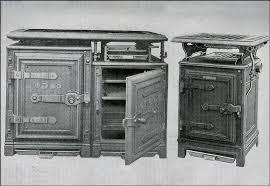
Discover how cooking appliances evolved from open fires and wood-burning stoves to modern-day gas, electric, and induction cookers. A fascinating journey through kitchen history!
How It All Began: Cooking Over an Open Fire
Cooking has come a long way — from smoky open fires to sleek induction hobs that heat your food in seconds!
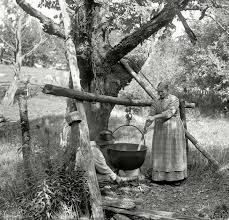
In the early days, before stoves were even imagined, cooking meant working over an open flame. Large metal cauldrons hung above the fire, filling homes with smoke and heat. It wasn’t the most comfortable experience, but it was the beginning of culinary innovation.
To reduce smoke and control heat better, people started building enclosed chambers for their fires. These early “stoves” had holes on top for pots to sit directly above the flames — a major step up from cooking in cauldrons.
The First Ovens: Brick, Tile, and Ingenuity
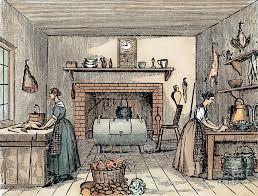
Did you know the first written record of an oven dates back to 1490 in Alsace, France? It was made entirely from brick and tile — even the flue! These ovens were designed for baking and cooking, and for centuries they remained the heart of the home.

The Iron Age of Cooking
By the 1700s, things really started heating up. Around 1728, cast iron ovens began to be mass-produced. Then came Count Rumford (Benjamin Thompson) in the 1800s, who designed the famous Rumford Stove. It featured one fire source that could heat multiple pots at once — an incredible innovation for large kitchens.
Although the Rumford stove was too big for most homes, it inspired smaller, more practical designs that soon followed.
As technology advanced, chimneys, flue pipes, and iron gratings were added to stoves, making them cleaner and more efficient.
The Coal Revolution
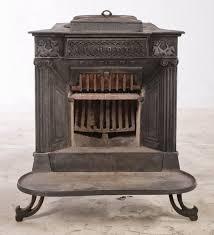
In 1833, Jordan Mott invented the first practical coal oven. It was made of heavy cast iron and featured proper ventilation to burn coal efficiently. This marked a huge step forward in both heat control and durability.
The Rise of Gas Cooking
The first experimental gas stove was developed in 1802 by Zachäus Winzler, a German inventor. However, his and other early designs remained isolated experiments and never reached widespread use at the time.
Next came gas stoves — a true game changer. James Sharp, a British inventor, patented the first gas oven in 1826, and by the 1920s, gas ovens had become a kitchen staple.
Enamel coatings were added in the 1910s, making them much easier to clean — and far more attractive in the kitchen.
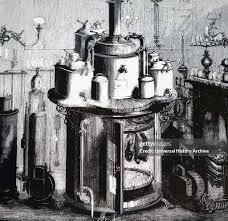
However, gas stoves didn’t become widespread until city gas lines were installed in most homes.
The Electric Era
Electric cooking arrived in the 1890s, but it took a few decades before electricity was common enough for electric stoves to take off.
By the late 1920s and early 1930s, electric stoves started to rival gas ones. One of the biggest improvements was the resistor heating coil — still seen in modern hotplates today.
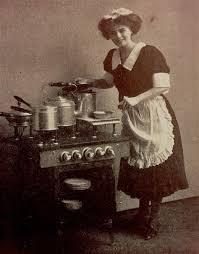

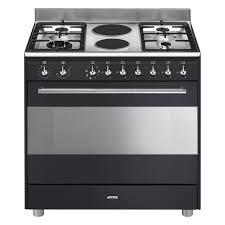
Gas and electric stove
In today’s time, both gas and electric stoves remain incredibly popular. Gas is often favored for its immediate heat, precise temperature control, and reliability during power outages — a huge advantage in regions where load shedding is common.
On the other hand, electric stoves, especially modern induction models, are appreciated for their ease of cleaning, energy efficiency, and consistent baking temperatures.
Welcome to the Age of Induction Cooking
Fast forward to today, and the newest innovation is induction cooking — sleek, safe, and incredibly efficient.
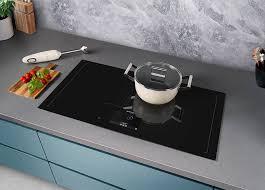
Unlike other cooking methods that heat up a coil or flame, induction works by creating an electromagnetic field that heats your pot or pan directly. The result? Faster cooking, precise temperature control, and lower energy use.
Even better — the cooktop itself stays cool to the touch, greatly reducing burn risk. That’s why brands like Smeg and Miele now offer advanced induction hobs that combine performance with safety and style.
Cooking Through the Ages in South Africa
In “olden days” South Africa, cooking evolved from traditional open-fire techniques used by indigenous peoples to imported wood and coal stoves during colonial times.
Before the Stove
Before modern appliances arrived, meals were cooked using:
- Three-stone fires – simple setups using stones to balance pots above the flame.
- Clay pots and calabashes – perfect for slow-cooked stews.
- Open-fire grilling – the early version of the South African braai!
- Potjiekos – a one-pot dish cooked over open fires by Voortrekkers in cast-iron, three-legged pots.
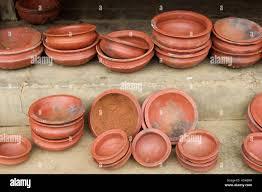
The Wood and Coal Stove Era
By the 19th century, wood and coal stoves became essential in many homes. Heavy cast-iron ranges like the Dover and Queen Anne became household staples, used for everything from baking bread to heating the kitchen.
Charcoal stoves and the iconic AGA cookers later followed, offering even greater convenience. The AGA, first introduced locally in the 1940s, started as a coal-fired model before evolving into oil and gas versions.
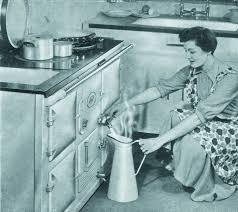
Transition to Modern Times
By the 20th century, South African kitchens embraced modernity:
- Gas stoves offered clean, consistent heat.
- Electric stoves, introduced by brands like Defy in the 1930s, made cooking simpler than ever.
Final Thoughts
From the smoky hearths of ancient kitchens to today’s efficient induction cookers, our cooking journey tells a story of progress, creativity, and comfort. Whether you’re boiling on a gas flame, baking in an electric oven, or simmering on an induction hob — every meal is a celebration of how far we’ve come.

- News & Current Affairs
- Business & Economy
- Finance & Money
- Education & Learning
- Technology & Innovation
- Science & Environment
- Health & Wellness
- Food & Drink
- Home, Garden & Lifestyle
- Travel & Tourism
- Fashion & Beauty
- Art & Culture
- Entertainment & Media
- Sports & Recreation
- Personal Growth & Lifestyle
- Careers & Work
- Tutorials & How-To Guides
- Real Estate & Property
- Automotive
- Family & Relationships
- Environment & Sustainability
- Law & Legal Matters
- Gaming & Esports
- Religion & Spirituality
- Community & Local Voices
- Miscellaneous

 English
 Arabic
 French
 Spanish
 Portuguese
 Deutsch
 Turkish
 Dutch
Dutch
 Russian
 Romaian
 Portuguese (Brazil)
 Greek
Greek
