


History of the kettle
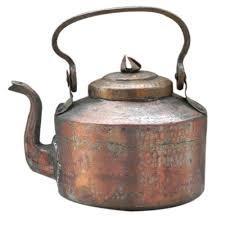
Ancient Beginnings
In ancient China, travelers and soldiers boiled water to remove impurities and enhance its flavor. By accident, they discovered that adding green tea leaves to the boiling water produced a pleasant and refreshing taste — giving birth to the beloved tradition of tea.
Meanwhile, in Europe, nomads and warriors also boiled water, but they added wheat grains for flavor. This simple practice eventually led to the development of malt beer, one of the earliest brewed beverages in history.
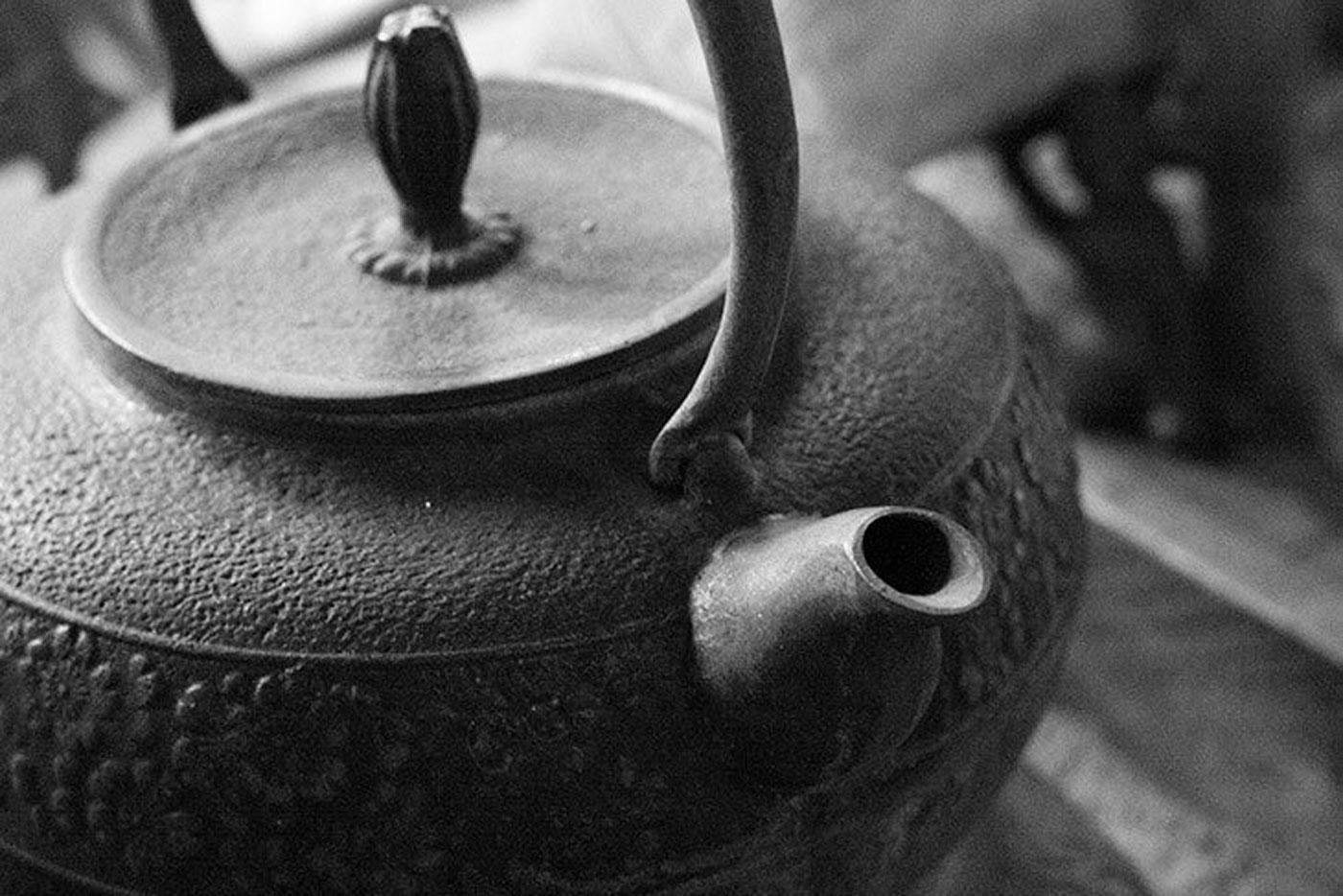
Early Kettles Around the World
In North America, cowboys used tea kettles to brew coffee over open fires. These kettles were made from heat-conductive materials such as copper.
In contrast, the Chinese preferred porcelain for their kettles, teapots, and cups — prized for its beauty and heat resistance. Over time, kettles became an essential household item and a popular trade good.
Between 3500 and 2000 BC, the people of Mesopotamia used bronze kettles decorated with ornate spouts, showing that even early utilitarian tools were also works of art.
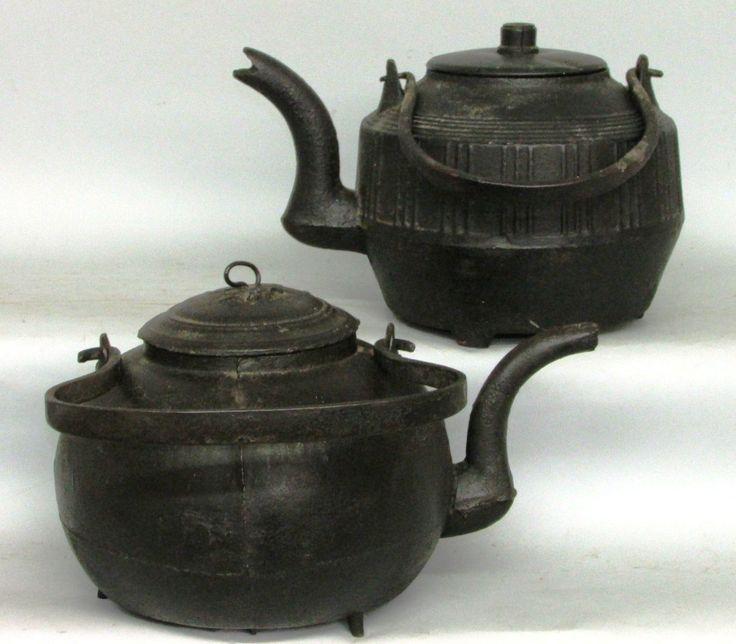
Before the 19th century, iron kettles were common. These sturdy vessels could be placed directly on open flames, making them perfect for early cooking and heating.
The Electric Kettle
Early Designs
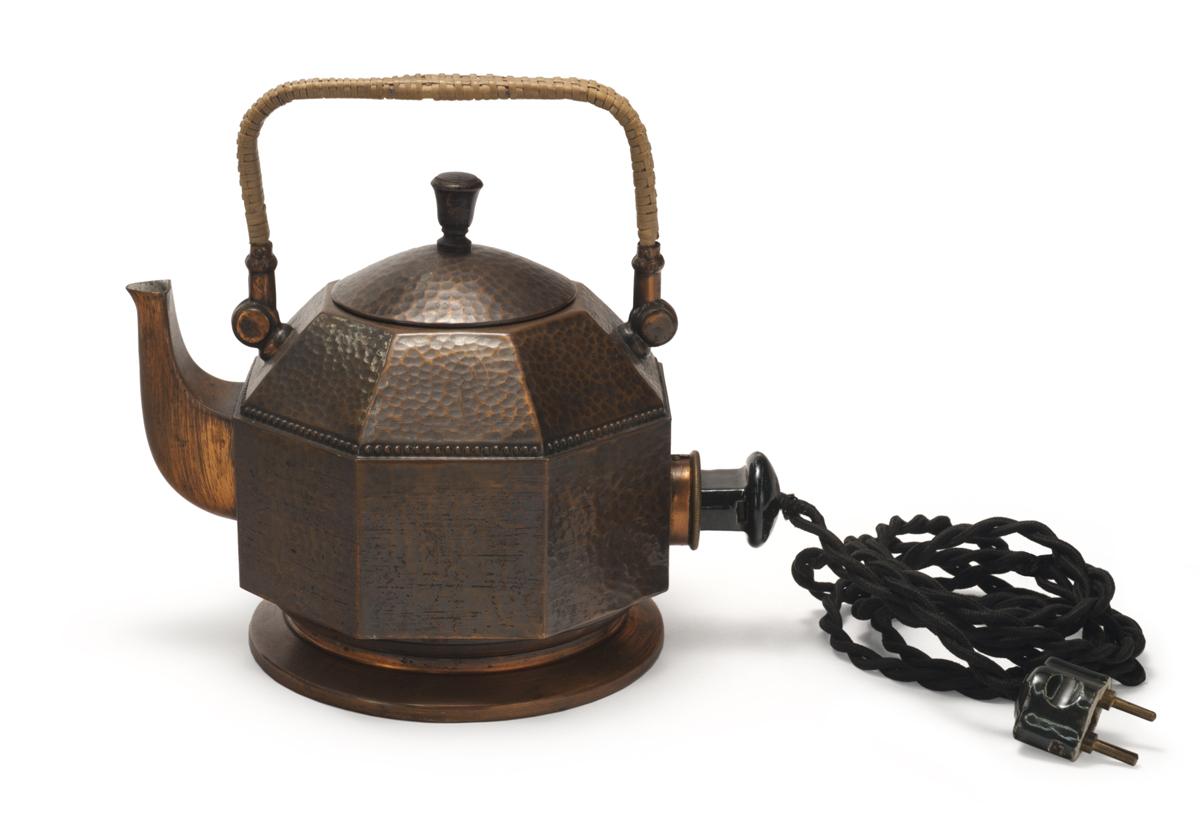
The first electric kettle was developed in 1891 by the Carpenter Electrical Company in the United States. However, it took about 12 minutes to boil water because the heating elements were housed in separate chambers.
In 1922, the Swan Company revolutionized the design by sealing the heating element inside a metal tube and placing it directly in the water chamber. This innovation made boiling much faster and inspired widespread production of electric kettles.
The Rise of Automatic Kettles
By 1956, Russell Hobbs introduced the first automatic electric kettle. This breakthrough design turned itself off when the water reached boiling point — a feature that remains standard today. Continued innovation led to the production of plastic-bodied kettles, which were lighter, more affordable, and energy efficient.
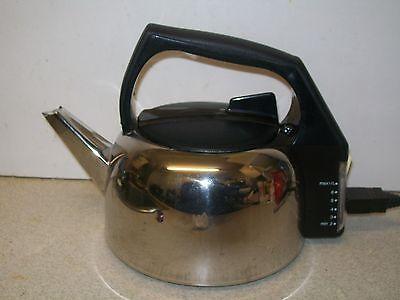
Stovetop Kettles
The stovetop kettle is one of the most recognizable types. Early versions were lidless and filled through the spout, but modern designs include a handle, lid, and spout — often with a steam whistle to signal when the water has boiled. The whistle works by directing steam through a small chamber, where pressure builds and creates vibrations that produce the familiar high-pitched sound.
Modern whistling kettles are typically made of stainless steel, which is lightweight, durable, and resistant to cracks and corrosion. Other materials, such as aluminum, iron, copper, ceramic, and polished chrome, are also used. Because kettles are enclosed, they reduce heat loss and boil water quickly, making them a staple in every kitchen.
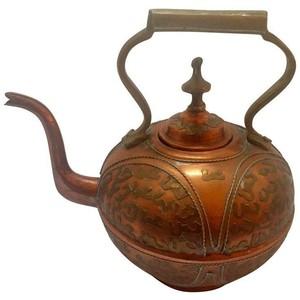
In the Kitchen Today
From ancient bronze vessels to sleek electric and whistling kettles, this humble appliance has traveled through centuries of innovation. Whether used for brewing tea, making coffee, or simply boiling water, the kettle remains a timeless symbol of warmth, hospitality, and everyday comfort.

- News & Current Affairs
- Business & Economy
- Finance & Money
- Education & Learning
- Technology & Innovation
- Science & Environment
- Health & Wellness
- Food & Drink
- Home, Garden & Lifestyle
- Travel & Tourism
- Fashion & Beauty
- Art & Culture
- Entertainment & Media
- Sports & Recreation
- Personal Growth & Lifestyle
- Careers & Work
- Tutorials & How-To Guides
- Real Estate & Property
- Automotive
- Family & Relationships
- Environment & Sustainability
- Law & Legal Matters
- Gaming & Esports
- Religion & Spirituality
- Community & Local Voices
- Miscellaneous

 English
 Arabic
 French
 Spanish
 Portuguese
 Turkish
 Dutch
Dutch
 Italiano
 Russian
 Romaian
 Portuguese (Brazil)
 Greek
Greek
