


Lavender (Lavandula angustifolia): Uses, Health Benefits, Safety & Precautions

Lavender is a beautifully fragrant herb prized for centuries for its calming, anti-inflammatory, and antimicrobial properties. Native to the Mediterranean and parts of northern Africa, it is widely used today in aromatherapy, natural medicine, skincare, and cosmetics. Its essential oil is distilled from the flower spikes and valued for both therapeutic and beauty applications.
Active Compounds & Nutrients
- Main Compounds: Linalool and linalyl acetate (anti-inflammatory, antiseptic)
- Other Components: Tannins, anthocyanins, sugars, phytosterols
- Minerals: Small amounts of iron
Uses
- Aromatherapy: Add 3–5 drops of lavender oil to a diffuser for relaxation and better sleep.
- Massage & Topical Use: Dilute in a carrier oil (coconut, jojoba, or almond) and apply to temples, sore muscles, or insect bites.
- Lavender Tea: Steep dried buds in hot water for 15–20 minutes to support digestion and relaxation.
- Skin Care: Mix into lotions or creams for acne-prone or irritated skin.
- Hair Care: Massage diluted oil into the scalp to promote circulation and hair strength.
Health Benefits
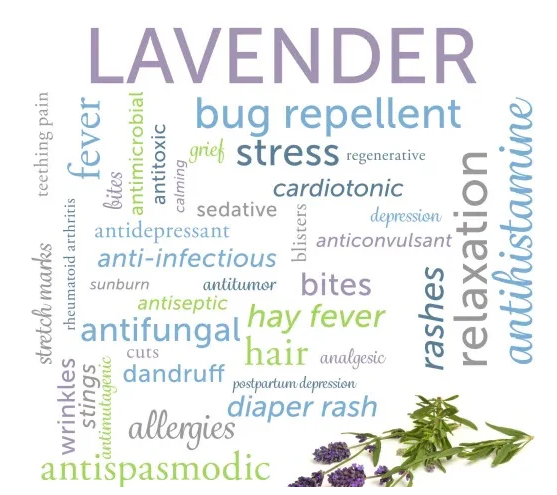
Reduces Stress & Anxiety
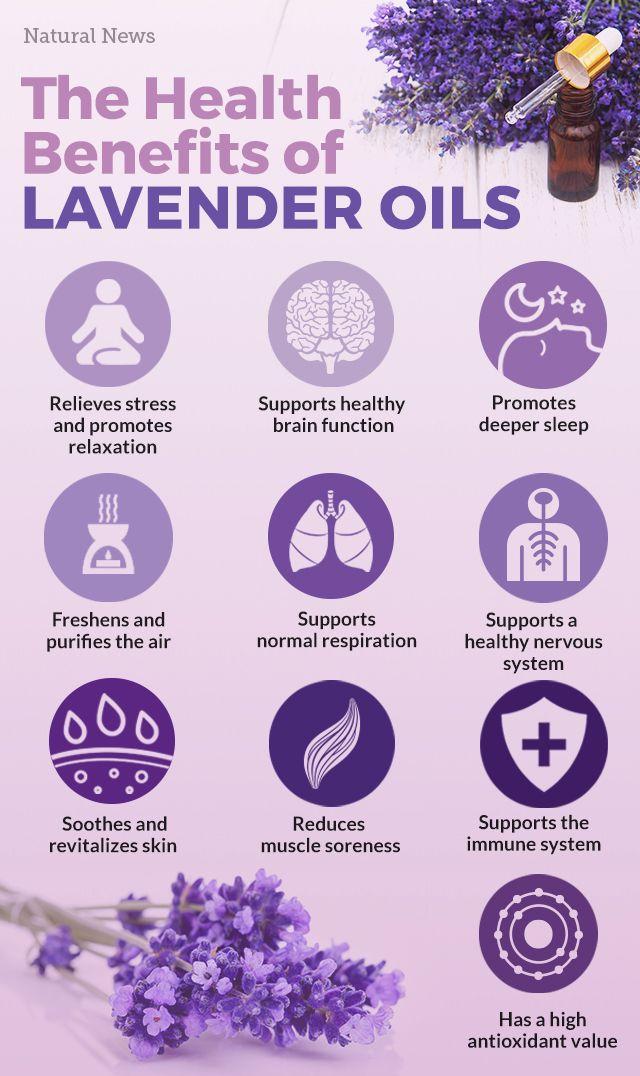
Lavender is best known for its relaxing effect on the nervous system. Research suggests inhaling lavender oil can lower anxiety levels, reduce blood pressure, and improve overall emotional balance.
Improves Sleep Quality
Lavender is commonly used for insomnia and restless sleep. Aromatherapy with lavender has been shown to help people fall asleep faster and experience deeper, more restorative sleep.
Soothes Skin Conditions
Thanks to its antimicrobial and antiseptic qualities, lavender is often used for acne, eczema, minor infections, and irritated skin.
Promotes Wound Healing
Lavender oil may speed up healing by stimulating collagen production and reducing inflammation and scarring.
Relieves Pain
It acts as a mild natural analgesic and may help with headaches, migraines, muscle pain, joint discomfort, and menstrual cramps.
Supports Respiratory Health
Lavender vapor may ease coughs, colds, congestion, and mild asthma symptoms by calming airways and reducing inflammation.
May Encourage Hair Growth
Studies suggest lavender oil, when blended with other essential oils, may support hair regrowth in conditions such as alopecia.
May Ease PMS Symptoms
Aromatherapy with lavender has shown promise in reducing bloating, pain, anxiety, and mood changes related to PMS.
⚠ Safety & Precautions
- Always dilute essential oil before applying to skin.
- Do not ingest essential oil unless under medical supervision.
- Perform a patch test before topical use.
- Consult a doctor if pregnant, breastfeeding, or using on children.
- Lavender oil may have mild hormone-like effects and should be used cautiously in young boys.
- Possible side effects include mild headache, constipation, or appetite changes (rare).
Final Thoughts
Lavender is one of the most versatile herbs in natural health, offering benefits for sleep, stress, skin, pain relief, and emotional well-being. Whether used as tea, oil, or fragrance, it remains a gentle and powerful plant ally. While research continues to explore its full medicinal potential, lavender is already a trusted favorite in homes, spas, and natural remedies worldwide. Used wisely and safely, it can be a soothing addition to everyday wellness routines.

- News & Current Affairs
- Business & Economy
- Finance & Money
- Education & Learning
- Technology & Innovation
- Science & Environment
- Health & Wellness
- Food & Drink
- Home, Garden & Lifestyle
- Travel & Tourism
- Fashion & Beauty
- Art & Culture
- Entertainment & Media
- Sports & Recreation
- Personal Growth & Lifestyle
- Careers & Work
- Tutorials & How-To Guides
- Real Estate & Property
- Automotive
- Family & Relationships
- Environment & Sustainability
- Law & Legal Matters
- Gaming & Esports
- Religion & Spirituality
- Community & Local Voices
- Miscellaneous

 English
 Arabic
 French
 Spanish
 Portuguese
 Deutsch
 Turkish
 Dutch
Dutch
 Italiano
 Romaian
 Portuguese (Brazil)
 Greek
Greek
