


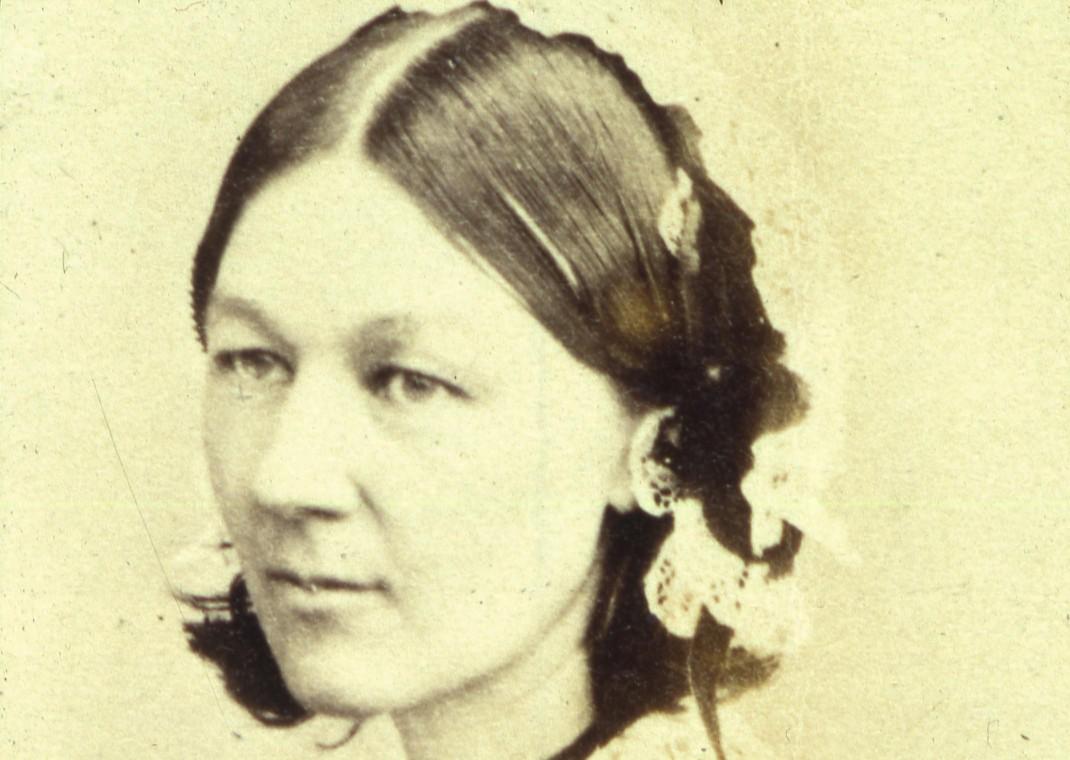
Florence Nightingale (12 May 1820 – 13 August 1910) was a British social reformer, statistician, and the founder of modern nursing. Known worldwide as “The Lady with the Lamp,” she rose to prominence during the Crimean War, where her reforms dramatically reduced soldier mortality rates. But her true legacy extends far beyond the battlefield, she revolutionized sanitation, professionalized nursing, and pioneered the use of statistics in medicine.
Early Life and a Calling
Florence Nightingale was born on May 12, 1820, in Florence, Italy, to a wealthy British family. Named after her birthplace, she was expected to marry and live a conventional upper-class life.
Instead, she felt what she described as a divine calling to serve others. Despite family opposition, she pursued training in nursing at the Kaiserswerth Institute in Germany, gaining practical medical experience at a time when nursing was not considered a respectable profession.
The Crimean War: “The Lady with the Lamp”
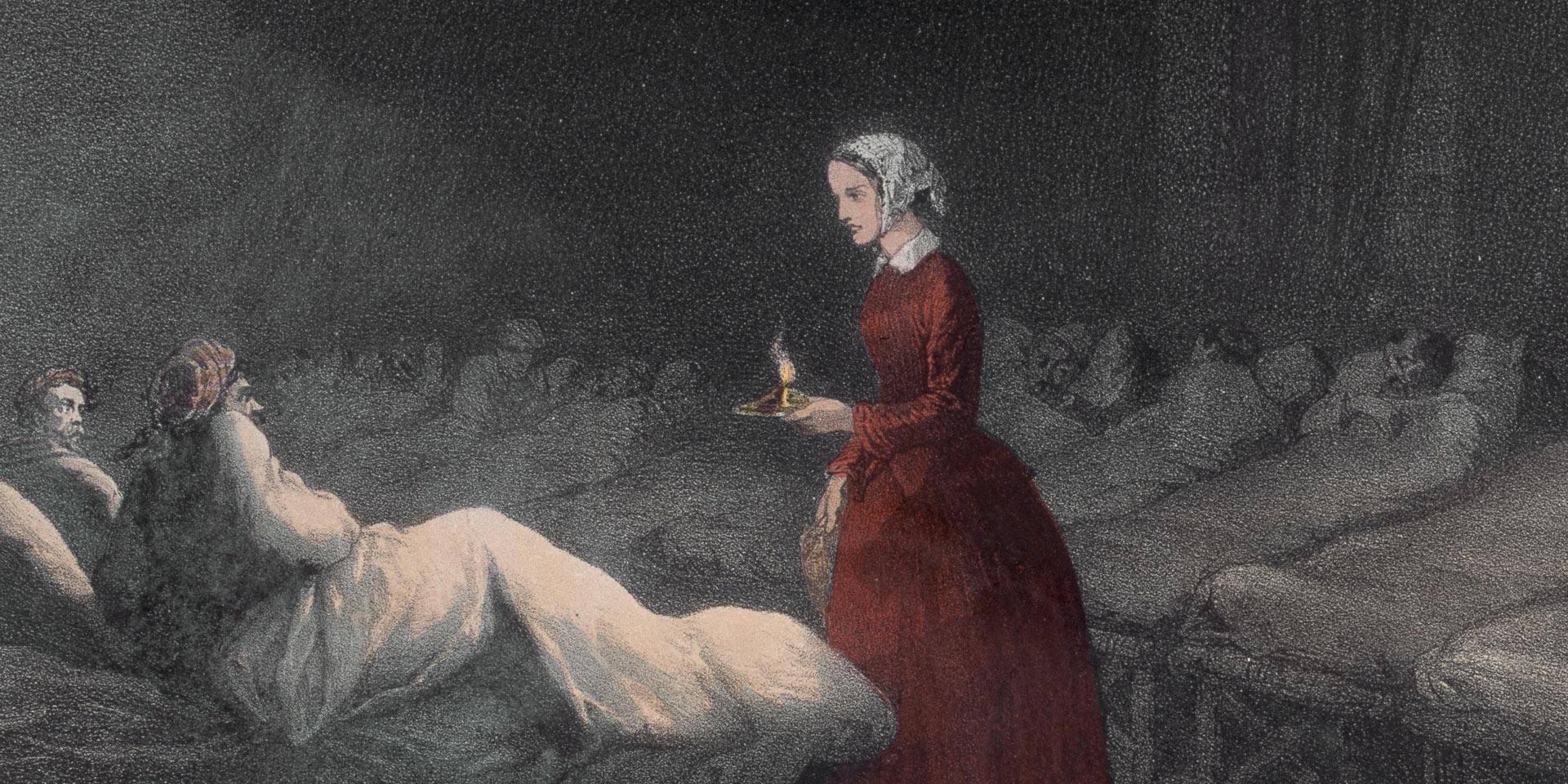
In 1854, during the Crimean War, Nightingale was sent to manage nursing care for British soldiers at the military hospital in Scutari (modern-day Istanbul).
What she found shocked her:
- Overcrowded wards
- Filthy conditions
- Poor ventilation
- Contaminated water
- Widespread disease
Most soldiers were not dying from battle wounds, but from preventable infections like cholera, typhus, and dysentery.
Nightingale implemented sweeping sanitation reforms:
- Thorough cleaning of wards
- Improved ventilation
- Access to clean water
- Better nutrition and hygiene practices
Mortality rates dropped dramatically.
Her nightly rounds carrying a lamp to check on wounded soldiers earned her the enduring nickname “The Lady with the Lamp.”
A Pioneer of Data and Statistics
Florence Nightingale was not only compassionate, she was analytical. With a strong background in mathematics, she collected and studied data on hospital mortality rates.
She created innovative visual tools, including the polar area diagram, to demonstrate that poor sanitation not combat injuries, was the primary cause of death.
Her statistical work:
- Influenced military healthcare reform
- Advanced public health policy
- Laid foundations for evidence-based medicine
She became the first woman elected to the Royal Statistical Society.
Founding Modern Nursing
In 1860, Nightingale established the Nightingale Training School for Nurses at St. Thomas’ Hospital in London, the world’s first secular, scientifically based nursing school.
Her curriculum emphasized:
- Hygiene and sanitation
- Practical hospital training
- Discipline and professionalism
- Compassionate patient care
Graduates of her program spread her methods worldwide, transforming nursing into a respected, skilled profession.
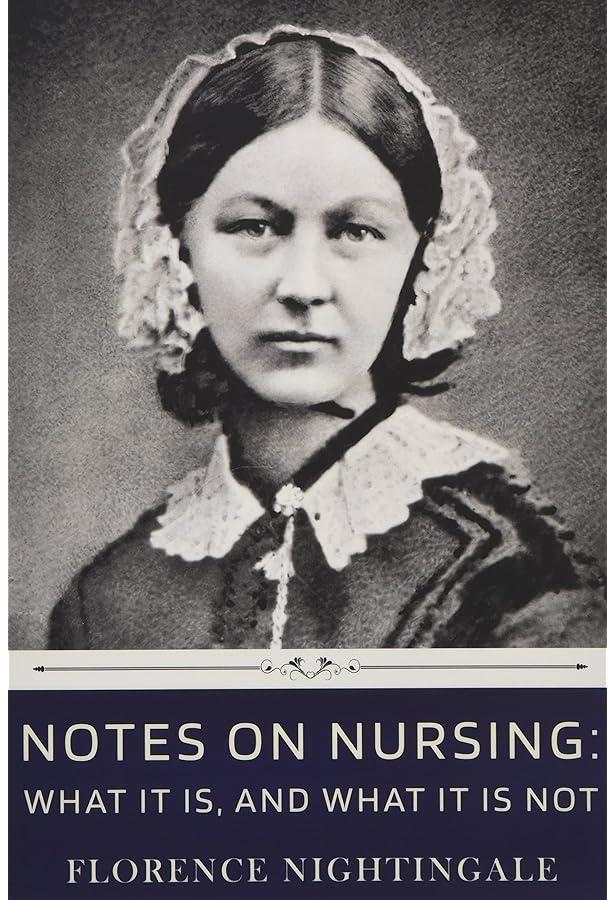
Her book, Notes on Nursing: What It Is, and What It Is Not (1859), became a foundational text and remains influential today.
Later Years and Ongoing Reform
Though often bedridden due to chronic illness in her later life, Nightingale continued to influence healthcare policy, hospital design, and public health especially in India.
She advocated for:
- Clean water systems
- Improved hospital architecture
- Public health reform
- Better medical record-keeping
Her work extended far beyond the battlefield into global health reform.
Legacy
Florence Nightingale died on August 13, 1910, at age 90.
Her impact endures:
- May 12 (her birthday) is celebrated as International Nurses Day
- The Florence Nightingale Medal honors exceptional nurses worldwide
- Modern infection control, sanitation standards, and nursing education trace back to her principles
Final Thoughts
Florence Nightingale did more than care for the sick, she redefined healthcare itself. By combining compassion with scientific rigor, she proved that cleanliness, data, and disciplined training could save lives.
Her legacy reminds us that true reform requires both heart and intellect. In an era before antibiotics or modern medicine, she showed that thoughtful systems, careful observation, and humane care could transform survival rates.
More than a nurse, Florence Nightingale was a visionary whose influence still shapes hospitals and healthcare systems around the world.