


Anaphylaxis: Recognising the Signs and Acting Fast
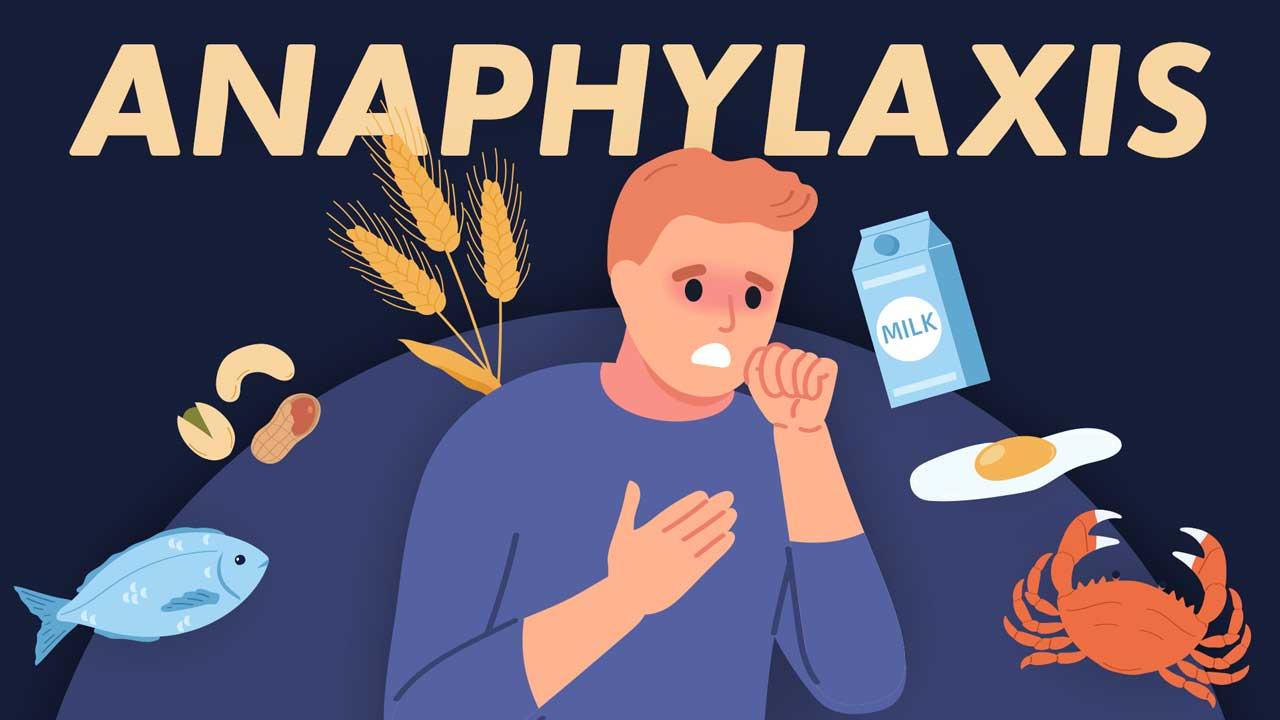
Anaphylaxis is a severe, life-threatening allergic reaction that requires immediate medical treatment. It can happen within minutes of exposure to an allergen and may rapidly progress to anaphylactic shock.
When someone with an allergy is exposed to a trigger, their immune system overreacts and releases a flood of chemicals like histamine. This causes widespread inflammation and can affect multiple body systems at once, including the skin, lungs, heart, and digestive system.
The blood pressure drops dangerously low, reducing blood flow to vital organs. Airways may swell, making breathing difficult or impossible. This is a medical emergency requiring immediate epinephrine and emergency care.
When it comes to anaphylaxis, every second counts.
Stages of Anaphylaxis
Anaphylaxis can progress quickly and may move through stages:
Stage 1: Mild
- Skin rash or redness
- Itching or hives
Stage 2: Moderate
- Widespread hives
- Swelling of lips or tongue
- Increasing discomfort
Stage 3: Severe (Anaphylactic Shock)
- Difficulty breathing
- Extensive swelling
- Weak pulse
- Dizziness or fainting
Stage 4: Life-Threatening
- Loss of consciousness
- Inability to breathe
- Dangerous drop in blood pressure
- Cardiac arrest
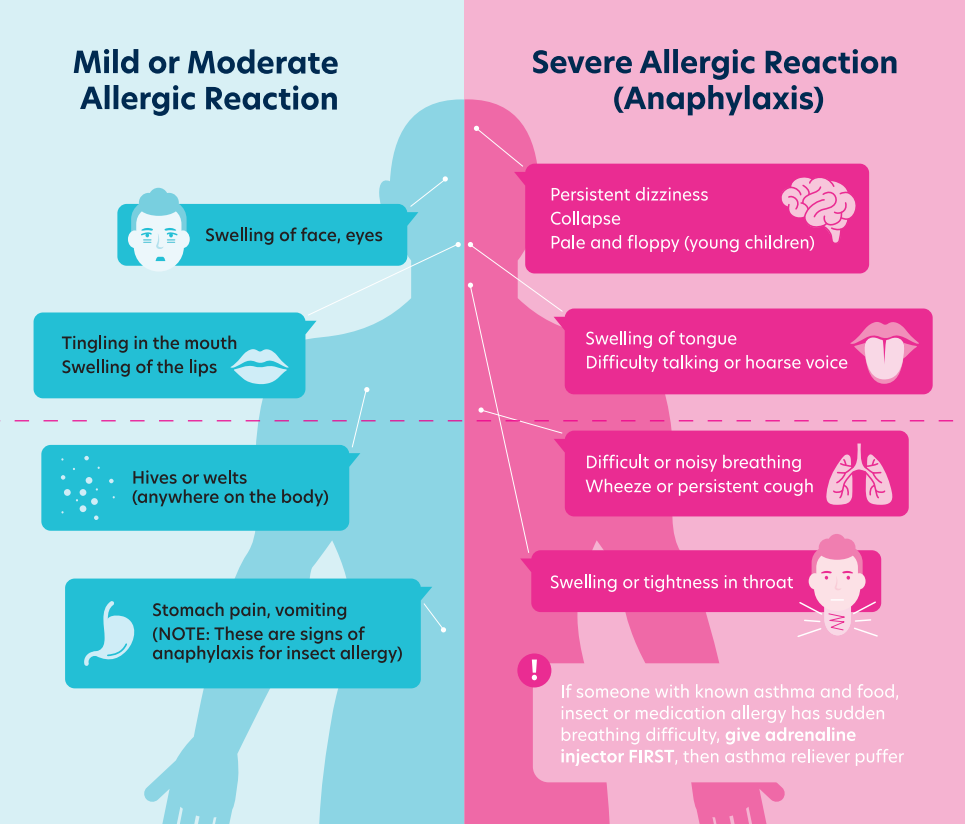
Immediate treatment is critical at any severe stage.
Key Symptoms of Anaphylaxis
Symptoms often involve multiple body systems:
Respiratory
- Shortness of breath
- Wheezing
- Throat tightness
- Hoarseness
- Persistent cough
Skin
- Hives
- Flushing
- Swelling of lips, tongue, face or eyes
Cardiovascular
- Rapid or weak pulse
- Light-headedness
- Sudden drop in blood pressure
- Fainting
Gastrointestinal
- Nausea
- Vomiting
- Diarrhea
- Abdominal cramps
Other Signs
- Feeling of doom or dread
- Confusion
- Unconsciousness
Immediate Treatment Steps
If someone shows signs of anaphylaxis:
- Use an epinephrine auto-injector immediately (inject into the outer thigh). Trained individuals may use injectable adrenaline and a syringe (access to EpiPens is often restricted because of high costs and unreliable availability).
- Call emergency services immediately, even if symptoms improve.
- Lay the person flat unless breathing is difficult (then allow them to sit upright).
- If unconscious, place them on their side and ensure the airway is open.
- If symptoms persist after 5–10 minutes and a second injector is available, administer another dose.
- Begin CPR if necessary.
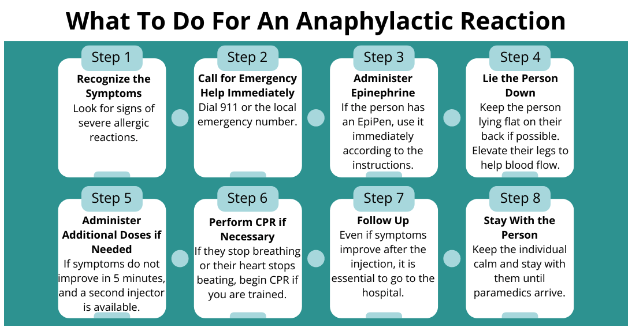
Even if the person improves, medical observation is necessary due to the risk of biphasic anaphylaxis (a second wave of symptoms hours later).
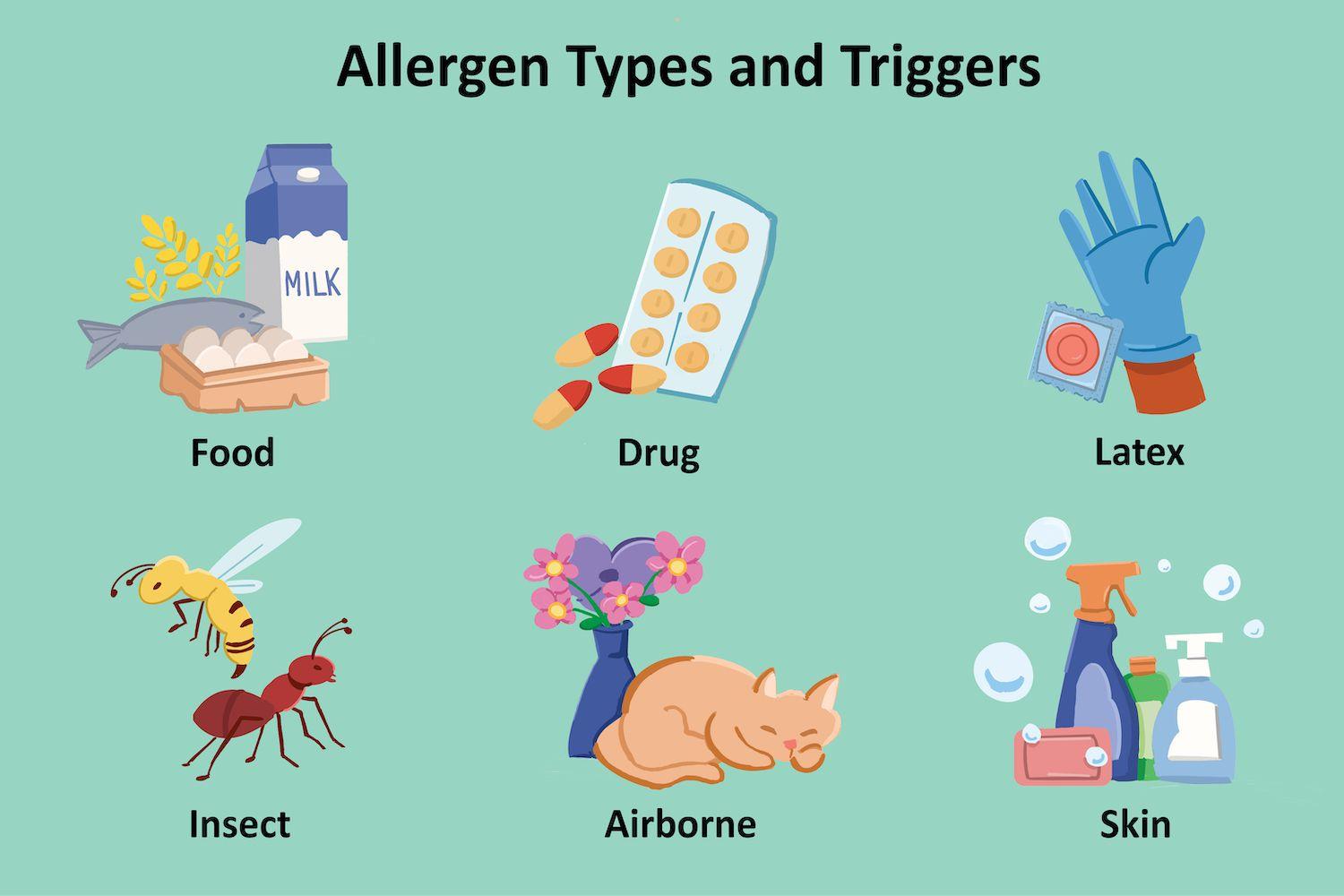
Common Triggers
Foods
- Peanuts
- Tree nuts
- Milk
- Eggs
- Shellfish
- Fish
- Soy
- Wheat
- Sesame
Insect Stings
- Bees
- Wasps
- Hornets
- Yellow jackets
Medications
- Penicillin
- NSAIDs
- Certain contrast dyes
Other
- Latex
Anyone with asthma or a previous severe allergic reaction is at higher risk.
Prevention Tips
While anaphylaxis cannot always be prevented, you can reduce risk by:
- Carefully reading food labels
- Informing restaurants about allergies
- Avoiding cross-contamination
- Wearing medical alert identification
- Carrying epinephrine at all times
- Informing schools and caregivers of children’s allergies
- Avoiding barefoot walking outdoors if allergic to insect stings
- Not drinking from open cans outdoors
Parents should ensure children understand their allergy and know how to use their injector.
When to Seek Emergency Care
Always seek immediate medical help if symptoms suggest anaphylaxis. Severe allergic reactions can escalate quickly and become fatal without treatment.
If an epinephrine auto-injector is unavailable, trained individuals may use injectable adrenaline and a syringe, but emergency services must still be contacted immediately.
Final Thoughts
Anaphylaxis is unpredictable and can become life-threatening within minutes. Recognising the early signs, acting quickly with epinephrine, and calling emergency services can save a life.
If you or your child has severe allergies, preparedness is key. Always carry epinephrine, educate those around you, and never ignore symptoms, even if they seem mild at first.
In an emergency, act first and seek help immediately.

- News & Current Affairs
- Business & Economy
- Finance & Money
- Education & Learning
- Technology & Innovation
- Science & Environment
- Health & Wellness
- Food & Drink
- Home, Garden & Lifestyle
- Travel & Tourism
- Fashion & Beauty
- Art & Culture
- Entertainment & Media
- Sports & Recreation
- Personal Growth & Lifestyle
- Careers & Work
- Tutorials & How-To Guides
- Real Estate & Property
- Automotive
- Family & Relationships
- Environment & Sustainability
- Law & Legal Matters
- Gaming & Esports
- Religion & Spirituality
- Community & Local Voices
- Miscellaneous

 English
 Arabic
 French
 Spanish
 Portuguese
 Turkish
 Dutch
Dutch
 Italiano
 Russian
 Romaian
 Portuguese (Brazil)
 Greek
Greek
