


Galileo Galilei: Father of Modern Science
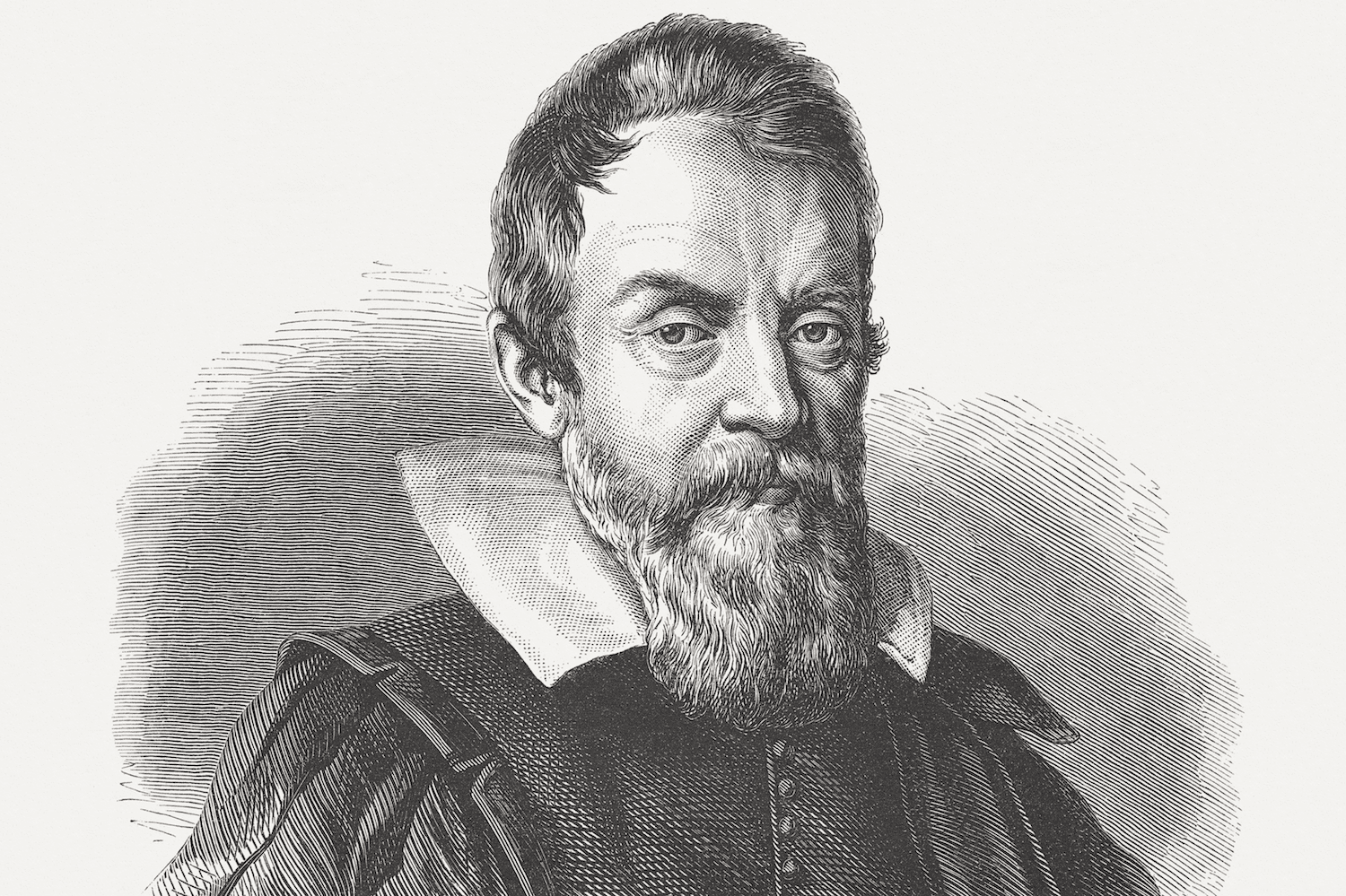
Galileo Galilei (1564–1642) is widely regarded as the father of modern science. An Italian polymath, he transformed how humans understand the universe by combining careful observation, experimentation, and mathematics. His discoveries in astronomy and physics reshaped scientific thought and challenged long-held beliefs about Earth’s place in the cosmos.
Yet Galileo’s commitment to truth also brought him into conflict with the Catholic Church. His support of heliocentrism, the idea that Earth orbits the Sun, ultimately led to his trial for heresy and years of house arrest. His life remains a powerful story of courage, curiosity, and intellectual revolution.
Early Life and Education
Galileo was born on February 15, 1564, in Pisa, Italy, into a family that valued learning and music. His father, Vincenzo Galilei, was a respected musician and theorist who encouraged independent thinking.
Galileo initially studied medicine at the University of Pisa, but soon shifted his focus to mathematics and philosophy. Fascinated by motion and measurement, he began performing experiments that challenged traditional Aristotelian physics. One of his earliest discoveries involved the motion of pendulums, which he found moved at a constant rhythm regardless of their swing size.
Scientific Breakthroughs
Revolutionizing Astronomy
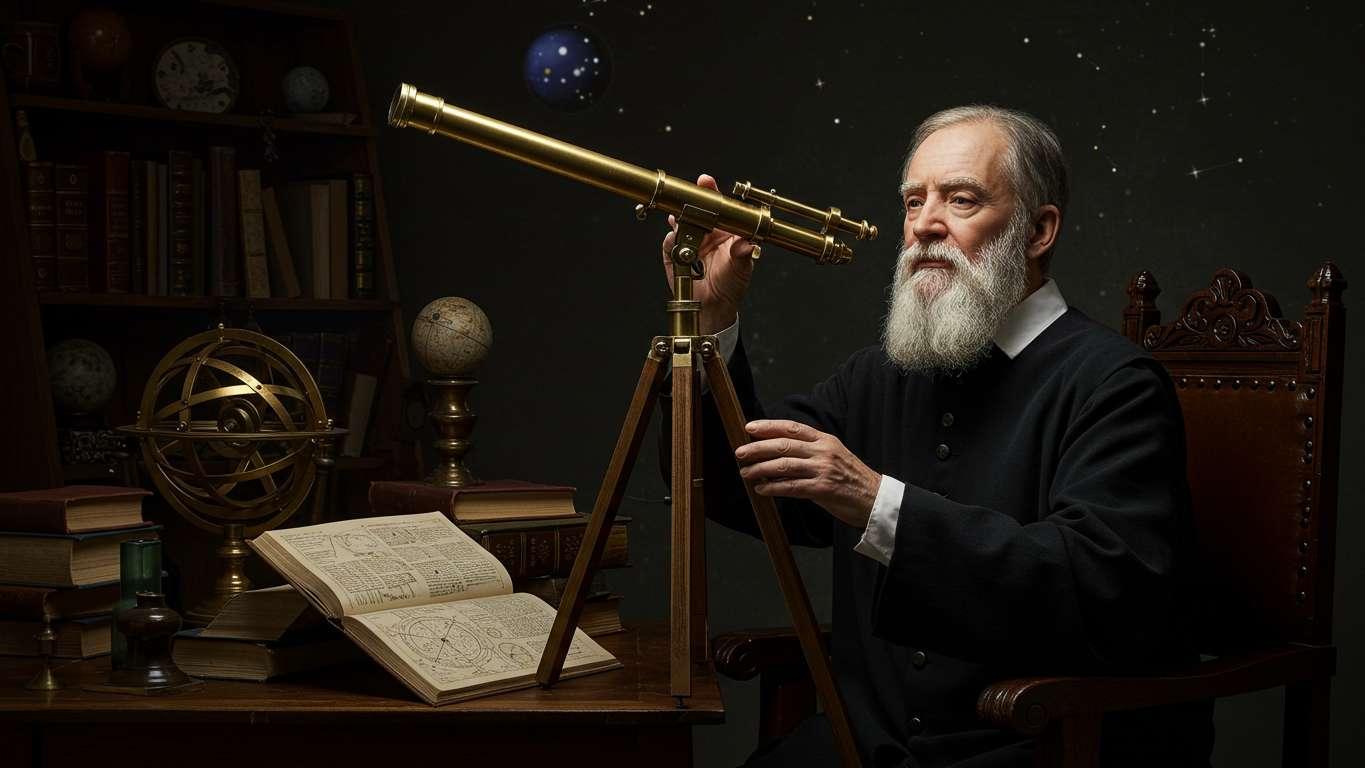
In 1609, Galileo improved upon a Dutch telescope design and created an instrument capable of magnifying objects up to 30 times. With it, he made extraordinary observations:
- Discovered the four largest moons of Jupiter
- Observed the phases of Venus
- Identified mountains and craters on the Moon
- Studied sunspots and the rotation of the Sun
- Revealed countless stars in the Milky Way
These discoveries contradicted the idea that all heavenly bodies revolved around Earth and that the heavens were perfect and unchanging.
Physics and Invention
Galileo also made lasting contributions to physics. He:
- Formulated early laws of motion
- Studied falling bodies and acceleration
- Established the principle of inertia
- Described the parabolic path of projectiles
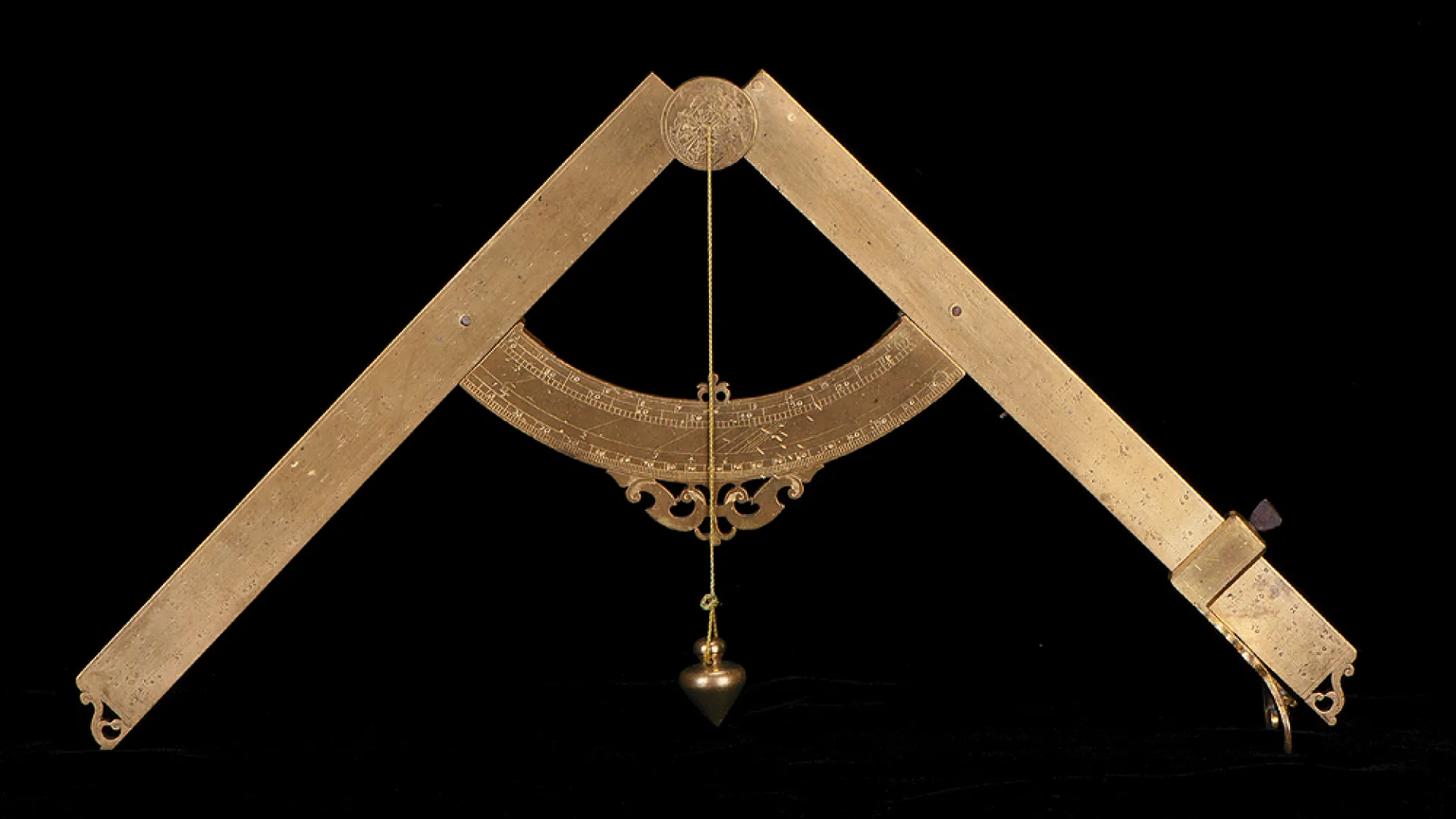
He invented and improved several tools, including:
- The military compass
- An early thermoscope (ancestor of the thermometer)
- Optical instruments that advanced astronomy and biology
Conflict with the Church
Galileo’s observations supported Copernicus’s heliocentric theory, which placed the Sun at the center of the solar system. This directly challenged the Church-endorsed geocentric model.
In 1616, the Church warned Galileo not to publicly promote heliocentrism. Despite this, he published Dialogue Concerning the Two Chief World Systems in 1632, presenting arguments for both Earth-centered and Sun-centered models. His defense of heliocentrism was clear.
In 1633, Galileo was tried by the Roman Inquisition and found “vehemently suspect of heresy.” Forced to recant, he was sentenced to house arrest for life, spending his final years in Arcetri near Florence.
Final Years and Death
Despite failing eyesight and confinement, Galileo continued to write and conduct research. His final major work summarized decades of experiments on motion and laid groundwork for Isaac Newton’s laws of physics.
Galileo died on January 8, 1642, at the age of 77.
Legacy
Galileo’s influence reaches far beyond his lifetime:
- He pioneered experimental physics
- Advanced observational astronomy
- Strengthened the scientific method
- Proved that evidence, not tradition, should guide understanding
In later centuries, the Church acknowledged mistakes in its treatment of Galileo, and his works were eventually removed from banned lists.
Today, Galileo is remembered as a symbol of intellectual bravery and the transition from medieval thinking to modern science.
Final Thoughts
Galileo Galilei changed humanity’s view of the universe. He showed that truth could be discovered through observation and experiment rather than unquestioned authority. Though punished for challenging accepted beliefs, his ideas endured, and shaped the future of science forever.
His life reminds us that progress often begins with the courage to look through a lens and question what we see.


- News & Current Affairs
- Business & Economy
- Finance & Money
- Education & Learning
- Technology & Innovation
- Science & Environment
- Health & Wellness
- Food & Drink
- Home, Garden & Lifestyle
- Travel & Tourism
- Fashion & Beauty
- Art & Culture
- Entertainment & Media
- Sports & Recreation
- Personal Growth & Lifestyle
- Careers & Work
- Tutorials & How-To Guides
- Real Estate & Property
- Automotive
- Family & Relationships
- Environment & Sustainability
- Law & Legal Matters
- Gaming & Esports
- Religion & Spirituality
- Community & Local Voices
- Miscellaneous

 English
 Arabic
 French
 Spanish
 Portuguese
 Turkish
 Dutch
Dutch
 Italiano
 Russian
 Romaian
 Portuguese (Brazil)
 Greek
Greek
