


Abdominal Aortic Aneurysm (AAA): What You Need to Know

An abdominal aortic aneurysm (AAA) is a bulge or swelling in the lower part of your aorta, the main blood vessel that carries oxygen-rich blood from your heart to the rest of your body.
Your aorta is normally strong and flexible, but things like aging, smoking, high blood pressure, and other health conditions can weaken its wall. When that happens, the weakened area can start to balloon outward.
Doctors usually diagnose an AAA when the aorta becomes about 50% wider than normal, often around 3 centimeters or more. The bigger the aneurysm grows, the more dangerous it becomes.
Most AAAs develop slowly and silently. Many people don’t know they have one until it becomes large or ruptures, which is a life-threatening emergency.

Why Is AAA Dangerous?
The bigger an aneurysm grows, the higher the risk of rupture (bursting). A rupture can cause massive internal bleeding and can be fatal without immediate treatment.
- AAAs larger than 5.5 cm in males
- AAAs larger than 5.0 cm in females
are considered at significantly higher risk.
A ruptured AAA is a medical emergency. Call emergency services immediately if there is sudden, severe abdominal or lower back pain.
How Common Is AAA?
- Occurs in about 1–2% of males over age 65
- Four times more common in males
- Risk doubles with each decade after age 50
- Around 75% of all aortic aneurysms occur in the abdomen
- Females who develop AAAs may have a higher rupture risk at smaller sizes
Smoking history greatly increases risk.
Symptoms of Abdominal Aortic Aneurysm
Most AAAs cause no symptoms until they become large or rupture.
If symptoms occur, they may include:
- Deep, constant pain in the abdomen or lower back
- Pain in the groin, pelvis, or legs
- A pulsating feeling near the belly button
Signs of Rupture (Emergency)
- Sudden, severe abdominal or back pain
- Rapid heartbeat
- Dizziness or fainting
- Low blood pressure
- Shortness of breath
- Clammy, sweaty or pale skin
- Nausea or vomiting
Seek emergency care immediately if these occur.
Causes & Risk Factors
AAA develops due to weakness in the aortic wall. Contributing factors include:
- Smoking or history of tobacco use
- High blood pressure (hypertension)
- High cholesterol
- Atherosclerosis (plaque buildup)
- Advanced age
- Male sex at birth
- Family history of AAA
- Connective tissue disorders
- Chronic inflammation
- Genetic factors

About 10–20% of people with a first-degree relative who had an AAA may also develop one.
How Is AAA Diagnosed?
Since most AAAs have no symptoms, they are often discovered during imaging tests for other conditions.
Diagnostic tools include:
- Abdominal ultrasound

- CT angiogram (CTA)
- MRI
- Echocardiogram (in some cases)
Screening Recommendations
An ultrasound screening is often recommended for:
- Males aged 65+ with a history of smoking
- Individuals with a family history of AAA
Early detection can be lifesaving.
Treatment Options
Treatment depends primarily on the aneurysm’s size and growth rate.
1. Surveillance (Monitoring)
Small aneurysms (below surgical threshold) are monitored regularly with imaging every 6–12 months.
Management includes:
- Smoking cessation
- Blood pressure control
- Cholesterol management
- Heart-healthy diet
- Regular exercise
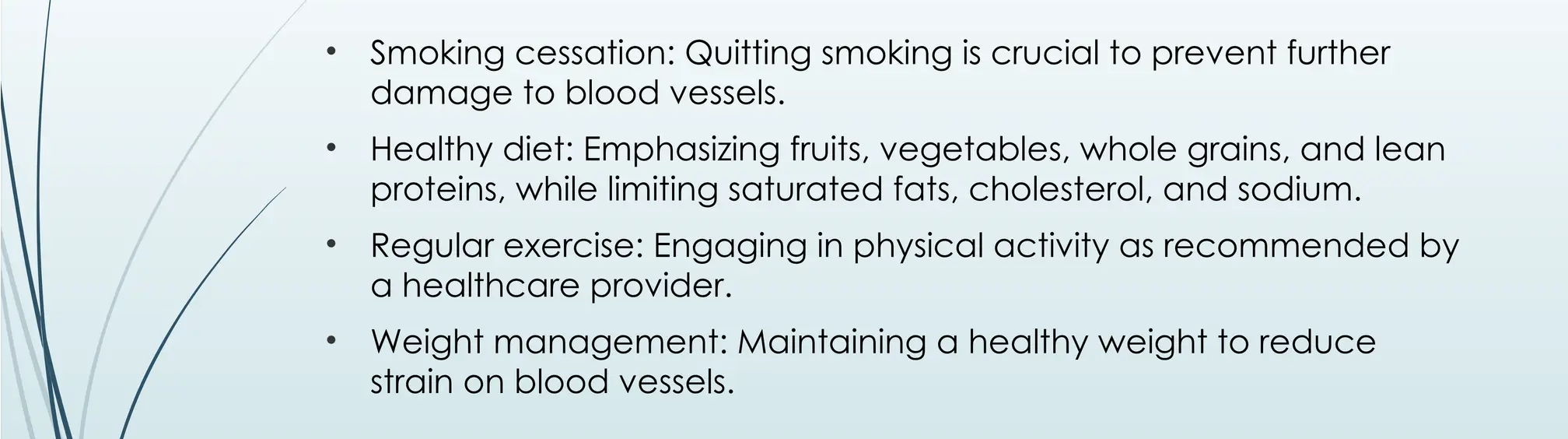
Lifestyle changes do not shrink the aneurysm but may slow its growth.
2. Surgery
Surgery may be recommended if:
- The aneurysm reaches high-risk size
- It is growing rapidly
- It causes symptoms
- It has ruptured
There are two main surgical options:
Open Surgical Repair
The damaged section of the aorta is replaced with a synthetic graft.
Endovascular Aneurysm Repair (EVAR)
A minimally invasive procedure where a stent graft is placed inside the aorta to reinforce it.

EVAR often offers quicker recovery and lower short-term risk, but requires lifelong imaging follow-up.
Ruptured AAAs require immediate emergency surgery.
Possible Complications
If untreated, AAA can lead to:
- Rupture and severe internal bleeding
- Organ damage
- Death
- Complications after repair such as endoleak
Regular follow-ups are essential, especially after EVAR.
Living With AAA
If diagnosed:
- Attend all follow-up appointments
- Take medications as prescribed
- Report new symptoms immediately
- Maintain heart-healthy habits
- Ask about antibiotics before certain procedures if you’ve had repair surgery
Emergency care is required for any signs of rupture.
Heart-Healthy Eating
Heart-healthy, anti-inflammatory way of eating can really help protect your blood vessels and reduce strain on your aorta. Most doctors recommend something similar to the Mediterranean or DASH diet.
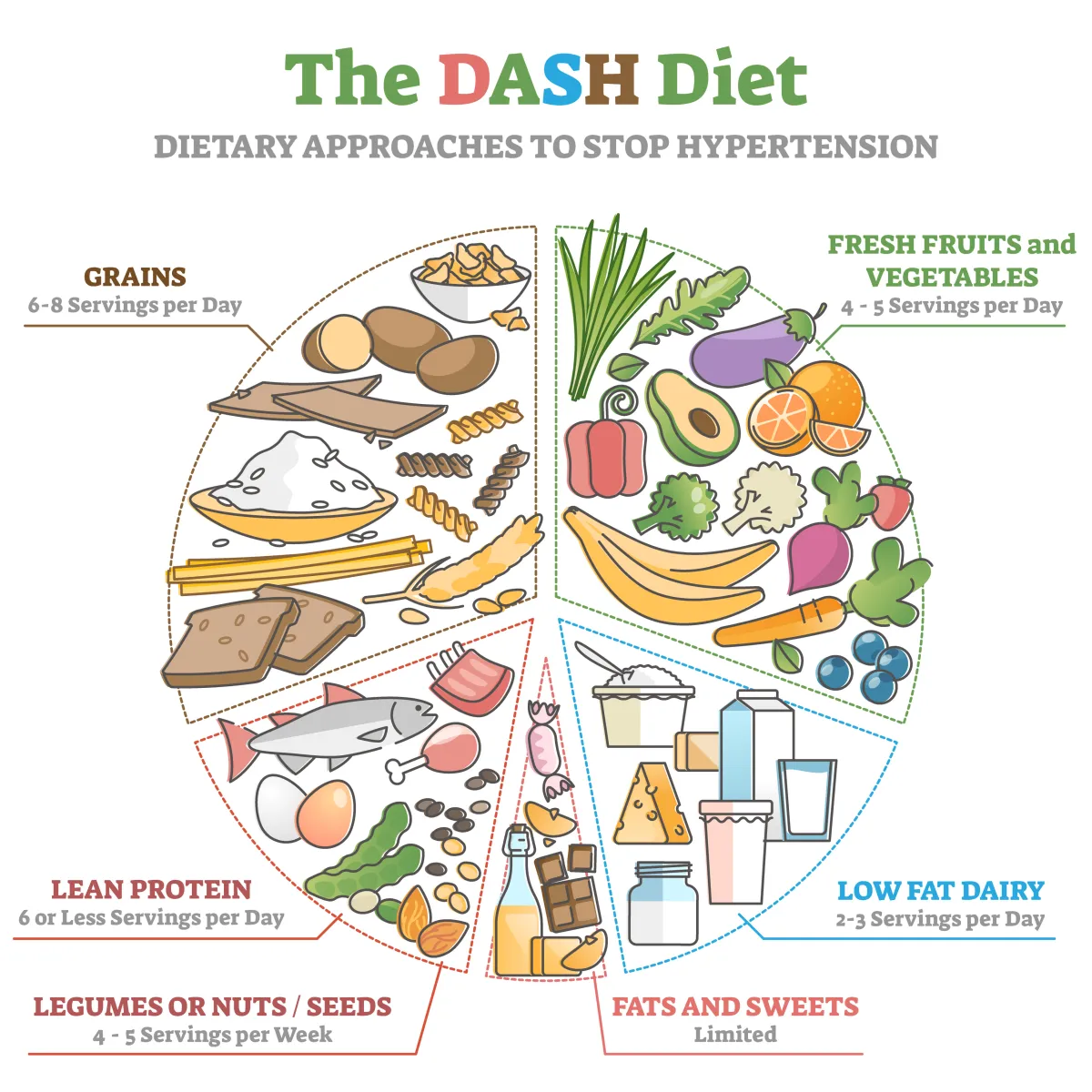
That means focusing on:
- Plenty of fruits and vegetables (especially apples, pears, citrus, and bananas)
- Lean proteins like fish, poultry, beans, and legumes
- Whole grains for fiber to help control cholesterol
- Healthy fats like olive oil instead of butter
At the same time, it’s important to:
- Cut back on salt to help control blood pressure
- Limit saturated fats and completely avoid trans fats
- Avoid processed foods and red meat
- Maintain a healthy weight
- Reduce alcohol and completely avoid smoking, since smoking directly weakens the aorta
In simple terms: eat fresh, whole foods, protect your heart, and avoid anything that increases pressure or inflammation in your blood vessels.
Final Thoughts
Abdominal aortic aneurysm is often silent but potentially deadly. Early detection through screening, especially in high-risk individuals, can prevent rupture and save lives.
If you have risk factors, particularly a history of smoking or a family history of AAA speak to your healthcare provider about screening. Managing cardiovascular health is your strongest defense.
Recognising symptoms and acting quickly in an emergency can make the difference between life and death.

- News & Current Affairs
- Business & Economy
- Finance & Money
- Education & Learning
- Technology & Innovation
- Science & Environment
- Health & Wellness
- Food & Drink
- Home, Garden & Lifestyle
- Travel & Tourism
- Fashion & Beauty
- Art & Culture
- Entertainment & Media
- Sports & Recreation
- Personal Growth & Lifestyle
- Careers & Work
- Tutorials & How-To Guides
- Real Estate & Property
- Automotive
- Family & Relationships
- Environment & Sustainability
- Law & Legal Matters
- Gaming & Esports
- Religion & Spirituality
- Community & Local Voices
- Miscellaneous

 English
 Arabic
 Spanish
 Portuguese
 Deutsch
 Turkish
 Dutch
Dutch
 Italiano
 Russian
 Romaian
 Portuguese (Brazil)
 Greek
Greek
