

Acute Respiratory Distress Syndrome (ARDS): Understanding a Serious Lung Condition

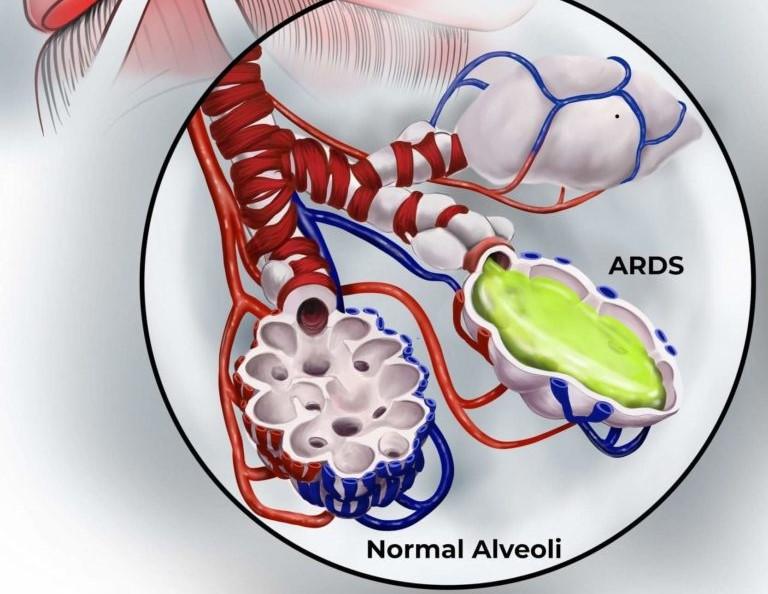
Acute Respiratory Distress Syndrome (ARDS) is a severe and life-threatening condition that occurs when the lungs suddenly become inflamed and filled with fluid. This fluid collects in the tiny air sacs of the lungs, known as alveoli, which are responsible for allowing oxygen to pass into the bloodstream.
When these air sacs fill with fluid, the lungs cannot supply enough oxygen to the body. As a result, vital organs may not receive the oxygen they need to function properly. ARDS often develops quickly, usually within hours or days after a severe illness, injury, or infection, and most patients require treatment in an intensive care unit (ICU).
What Happens in ARDS?
Under normal conditions, the alveoli in the lungs remain dry and elastic so that oxygen can easily pass into the bloodstream. In ARDS, severe inflammation damages the protective membranes of these air sacs, allowing fluid to leak inside.
This fluid buildup prevents the lungs from expanding properly and significantly reduces oxygen levels in the blood. Because of this, the body’s organs, including the brain, heart, and kidneys, may begin to suffer from oxygen deprivation.
Symptoms of ARDS
The symptoms of ARDS can appear suddenly and become severe very quickly. The most common symptom is severe difficulty breathing.
Other symptoms may include:
- Severe shortness of breath
- Rapid, labored breathing
- Persistent cough
- Chest discomfort or tightness
- Fast heart rate
- Extreme fatigue or weakness
- Confusion or difficulty concentrating
- Bluish skin, lips, or fingernails (due to low oxygen levels)
Because ARDS is a medical emergency, immediate medical care is essential if these symptoms appear.
Common Causes of ARDS
ARDS usually develops as a complication of another serious illness or injury. The most common causes include:
- Sepsis (a widespread infection in the bloodstream)
- Severe pneumonia
- COVID-19 infection
- Major injuries, especially to the chest or head
- Inhaling harmful substances, such as smoke, chemicals, or vomit
- Near drowning
- Severe burns
- Pancreatitis (inflammation of the pancreas)
- Massive blood transfusions

These conditions can trigger intense inflammation in the lungs, which leads to fluid buildup and respiratory failure.
Risk Factors
Certain factors can increase the likelihood of developing ARDS. These include:
- Severe infections such as pneumonia or sepsis
- Smoking or long-term tobacco use
- Alcohol abuse
- Drug use
- Chronic lung disease
- Metabolic syndrome
- Severe trauma or injury
ARDS most commonly affects people who are already critically ill or hospitalized for another condition.
Complications of ARDS
Because ARDS is such a severe illness, it can lead to additional complications during hospitalization.
These may include:
- Blood clots due to long periods of immobility
- Collapsed lung (pneumothorax) caused by pressure from ventilators
- Secondary infections related to breathing tubes and hospital care
- Lung scarring (pulmonary fibrosis) that makes breathing more difficult

These complications can prolong recovery and affect long-term health.
Long-Term Effects for Survivors
Thanks to advances in medical care, more people are surviving ARDS today. However, recovery can take time, and some survivors experience lasting effects.
Possible long-term impacts include:
- Persistent breathing difficulties
- Reduced lung capacity
- Chronic fatigue
- Muscle weakness from prolonged hospitalization
- Memory or concentration problems
- Depression or emotional distress
Many patients gradually regain lung function over months or years, but some may require oxygen therapy during recovery.
How ARDS Is Treated
There is currently no specific medication that cures ARDS. Treatment focuses on supporting breathing and treating the underlying cause.
Most patients are treated in an intensive care unit (ICU) and may require:
- Oxygen therapy
- Mechanical ventilation (a breathing machine)

- Medications to treat infections
- Careful fluid management
- Nutritional support
Early and aggressive treatment can improve survival and reduce complications.
When to Seek Medical Help
ARDS is a medical emergency that requires immediate hospital care. If someone experiences sudden and severe breathing problems, especially after a serious infection, injury, or illness, emergency medical attention is critical.
Early treatment can save lives.
Final Thoughts
Understanding the causes, symptoms, and risk factors can help people recognize the warning signs early. Prompt medical care and advances in critical care medicine have improved survival rates, but ARDS remains a life-threatening condition that requires immediate attention.
Protecting lung health, managing infections early, and seeking medical help for severe symptoms are essential steps in reducing risks and improving outcomes.