


Understanding Hemophilia: Causes, Complications, Treatment and Daily Management
Hemophilia is a rare genetic bleeding disorder where the blood doesn’t clot properly due to a lack of essential clotting proteins (factors). This means even minor injuries can lead to prolonged bleeding, while severe cases may cause dangerous internal bleeding, especially in joints like the knees, ankles, and elbows.
How Blood Clotting Works
When a person bleeds, the body naturally responds by pooling blood cells together to form a clot. This process involves special proteins called clotting factors, which work alongside platelets to stop the bleeding.
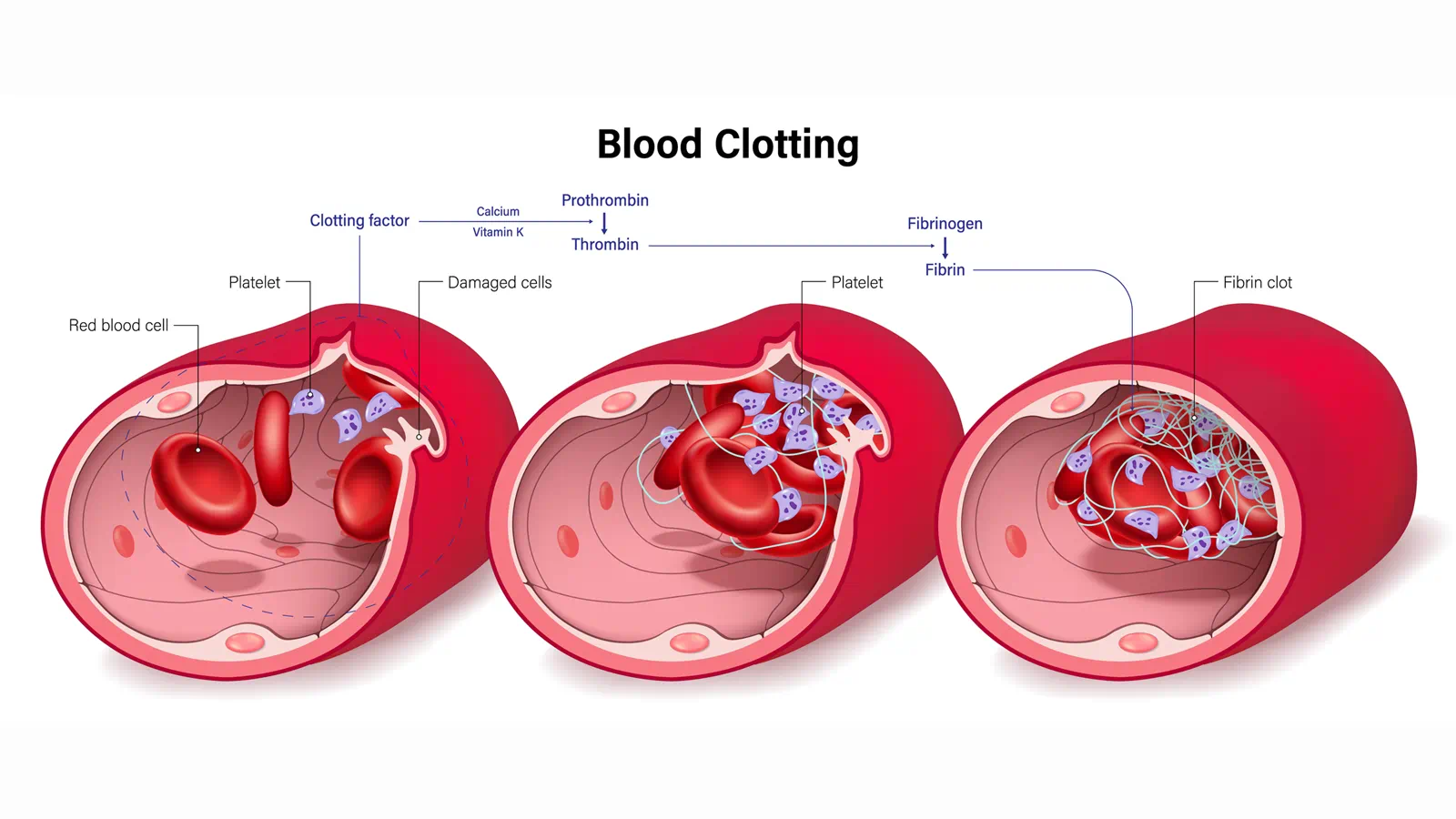
In people with hemophilia, one of these clotting factors is either missing or present in very low levels. As a result, bleeding lasts longer than usual and can sometimes occur internally without obvious injury.
Types of Hemophilia
Congenital Hemophilia (Inherited)
Most cases of hemophilia are inherited, meaning a person is born with the condition. This is known as congenital hemophilia and is classified based on which clotting factor is deficient:
- Hemophilia A: Caused by low levels of clotting factor VIII (the most common type)
- Hemophilia B: Caused by low levels of clotting factor IX
Acquired Hemophilia
In rare cases, hemophilia can develop later in life. This is called acquired hemophilia and occurs when the immune system mistakenly attacks the body’s clotting factors.
It may be linked to:
- Pregnancy
- Autoimmune diseases
- Cancer
- Conditions like multiple sclerosis
- Certain drug reactions
How Hemophilia Is Inherited
Hemophilia is typically passed down through families via the X chromosome.
- Females have two X chromosomes (XX), while males have one X and one Y chromosome (XY).
- If a mother carries the faulty gene, she can pass it to her son.
- Because males only have one X chromosome, they are more likely to develop hemophilia.
- Females are usually carriers and may not show symptoms, although some can experience mild bleeding issues.
Risk Factors
The biggest risk factor for hemophilia is a family history of the disorder. Due to its genetic pattern, males are far more likely to be affected than females.
Complications
If not properly managed, hemophilia can lead to serious complications, including:
1. Internal Bleeding
Bleeding deep, muscles can cause swelling, pain, and pressure on nerves, leading to numbness or discomfort. In severe cases, it can be life-threatening.
2. Bleeding in the Throat or Neck
This can interfere with breathing and requires urgent medical attention.
3. Joint Damage (Hemophilic Arthropathy)
Repeated bleeding into joints can cause:
- Severe pain
- Swelling
- Long-term damage such as arthritis
4. Intracranial hemorrhage
This is a serious and life-threatening condition involving bleeding within the brain. It can lead to symptoms such as severe headaches, vomiting, extreme tiredness, seizures, and even paralysis.
5. Pseudotumors
A rare complications where large, blood-filled swellings (hematomas) form in muscles or around bones. These growths require careful monitoring to prevent further damage and complications.
6. Infections
There is a small risk of infections like hepatitis C from blood-derived treatments, although modern screening has made this very rare.
7. Treatment Reactions
Some individuals may develop an immune response to clotting factor treatments. This reduces the effectiveness of therapy and can make management more challenging.
Signs and Symptoms
Symptoms vary depending on severity but may include:
- Prolonged bleeding after cuts, surgery, or dental work
- Frequent nosebleeds or large bruises
- Joint pain, swelling, and stiffness (due to internal bleeding)
- Blood in urine or stool
- In severe cases, spontaneous bleeding without injury
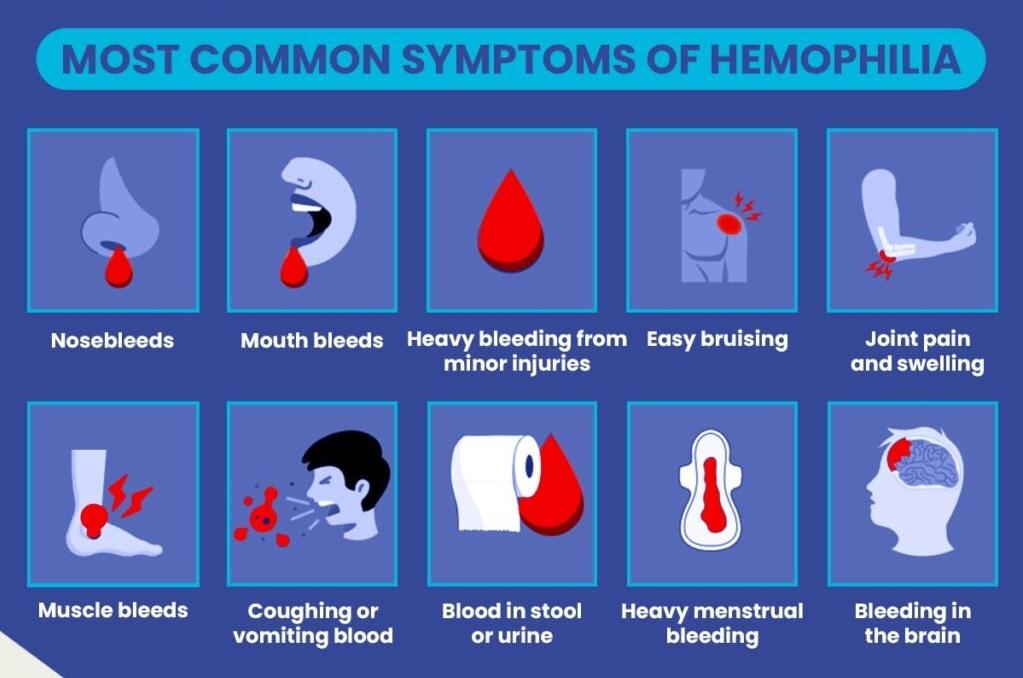
⚠️ Emergency warning: Seek urgent care if there are signs of brain bleeding, uncontrollable bleeding, or painful swollen joints.
Medical Treatment Options
Treatment focuses on replacing missing clotting factors and preventing bleeding episodes:
- Replacement Therapy: Regular IV infusions of clotting factors
- Prophylactic Therapy: Ongoing treatment to prevent bleeding
- On-Demand Therapy: Used during active bleeding episodes
- Newer Treatments:
- Emicizumab (Hemlibra) for Hemophilia A
- Gene therapies like Hemgenix (Type B) and Roctavian (Type A)
- Other Medications: Desmopressin (for mild cases) and antifibrinolytics
Daily Management
Living with hemophilia requires careful lifestyle adjustments:
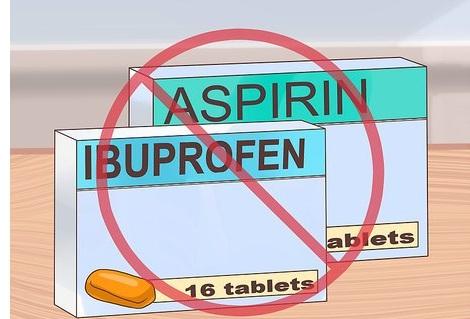
- Avoid blood-thinning medications like aspirin or ibuprofen
- Maintain excellent dental hygiene
- Wear a medical alert bracelet
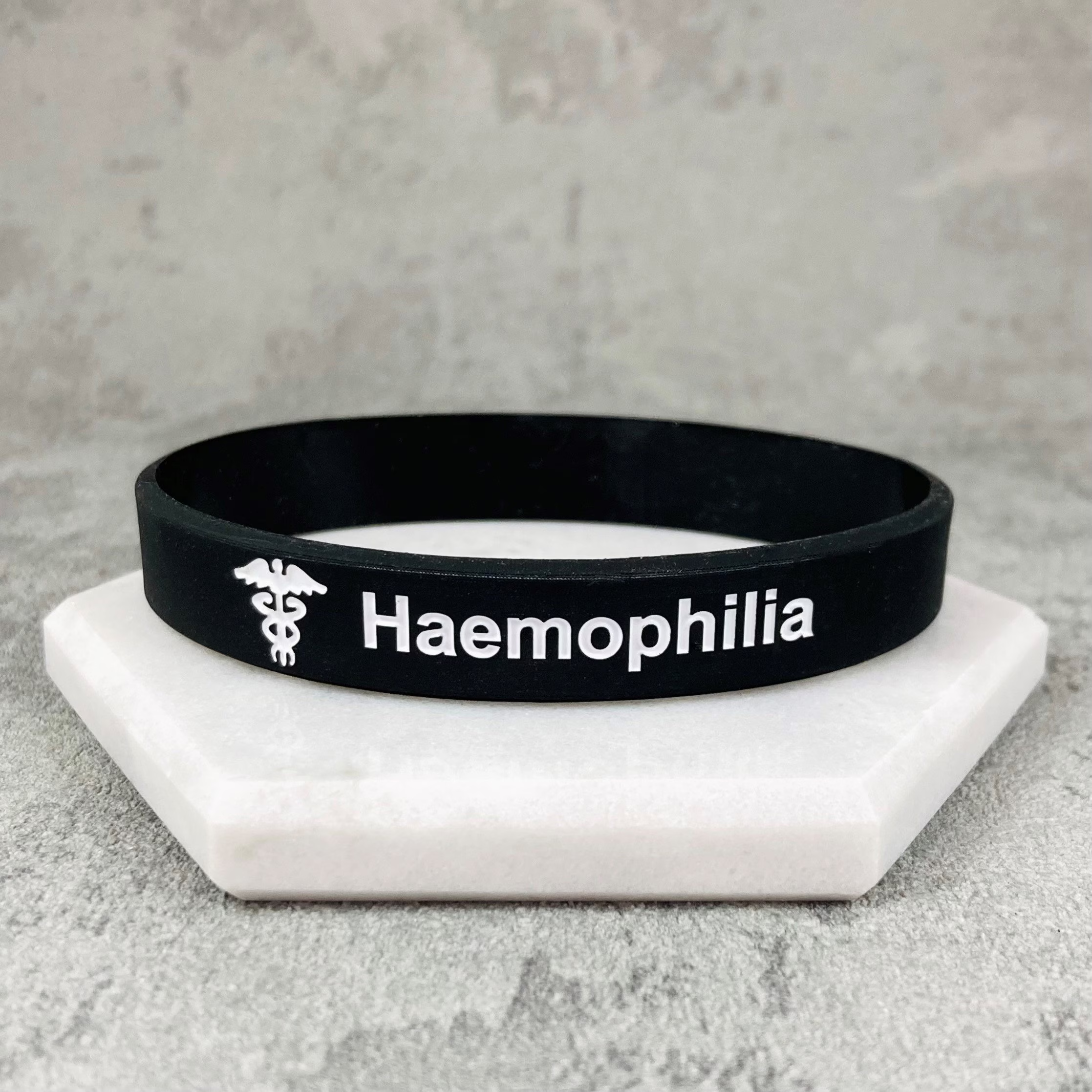
- Make the home safer (especially for children)
Lifestyle & Natural Support (Complementary Only)
While there’s no natural cure, supportive habits can improve quality of life:
- Safe Exercise: Swimming, walking, and cycling help strengthen muscles and protect joints
- Weight Management: Reduces pressure on joints and lowers bleeding risk
- Diet Awareness: Avoid supplements that thin blood (e.g., garlic, ginger, ginkgo) unless approved by a doctor
- Iron Rich Foods: Enjoy iron rich foods (liver, lean red meat, poultry, beans, lentils, and fortified cereals
- Leafy Greens: Spinach, broccoli, kale, vitamin K-rich foods
- First Aid: Use the R.I.C.E method (Rest, Ice, Compression, Elevation) for minor injuries

Final Thoughts
Hemophilia is a lifelong condition, but with modern treatments and proper care, many people live full, active lives. Early diagnosis, consistent treatment, and safe lifestyle choices are key to preventing complications. By staying informed and proactive, individuals with hemophilia can effectively manage their condition and maintain a good quality of life.

- News & Current Affairs
- Business & Economy
- Finance & Money
- Education & Learning
- Technology & Innovation
- Science & Environment
- Health & Wellness
- Food & Drink
- Home, Garden & Lifestyle
- Travel & Tourism
- Fashion & Beauty
- Art & Culture
- Entertainment & Media
- Sports & Recreation
- Personal Growth & Lifestyle
- Careers & Work
- Tutorials & How-To Guides
- Real Estate & Property
- Automotive
- Family & Relationships
- Environment & Sustainability
- Law & Legal Matters
- Gaming & Esports
- Religion & Spirituality
- Community & Local Voices
- Miscellaneous

 English
 Arabic
 French
 Spanish
 Portuguese
 Deutsch
 Turkish
 Dutch
Dutch
 Italiano
 Romaian
 Portuguese (Brazil)
 Greek
Greek
