


The Evolution of the Microscope: From Simple Lenses to Seeing Atoms

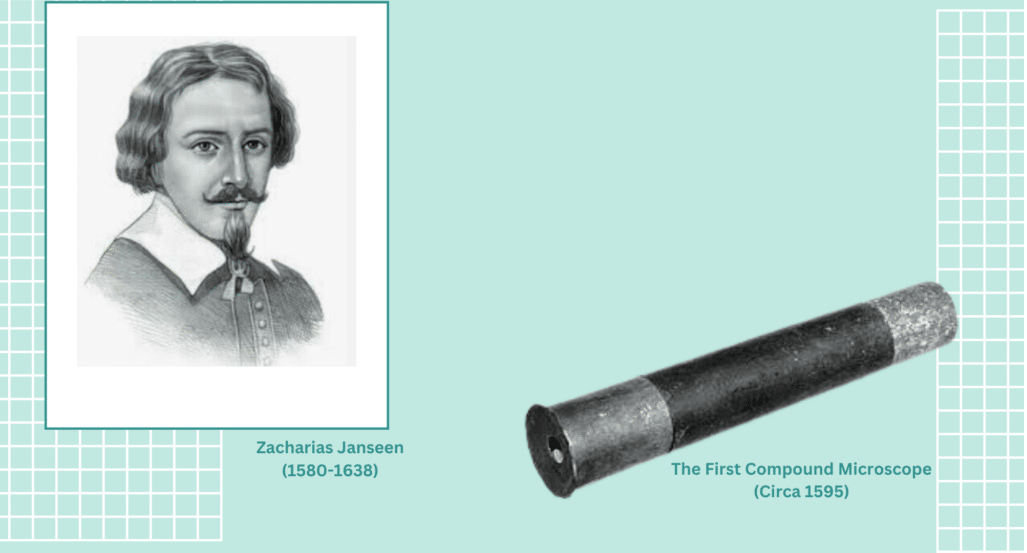
Hans and Zacharias Janssen
The microscope is one of the most important scientific inventions, revealing a world too small for the human eye to see. Its story begins around 1590, when two Dutch spectacle-makers, Hans and Zacharias Janssen, made a surprising discovery. By placing lenses inside a tube, they found that nearby objects appeared much larger. This simple idea became the first compound microscope.
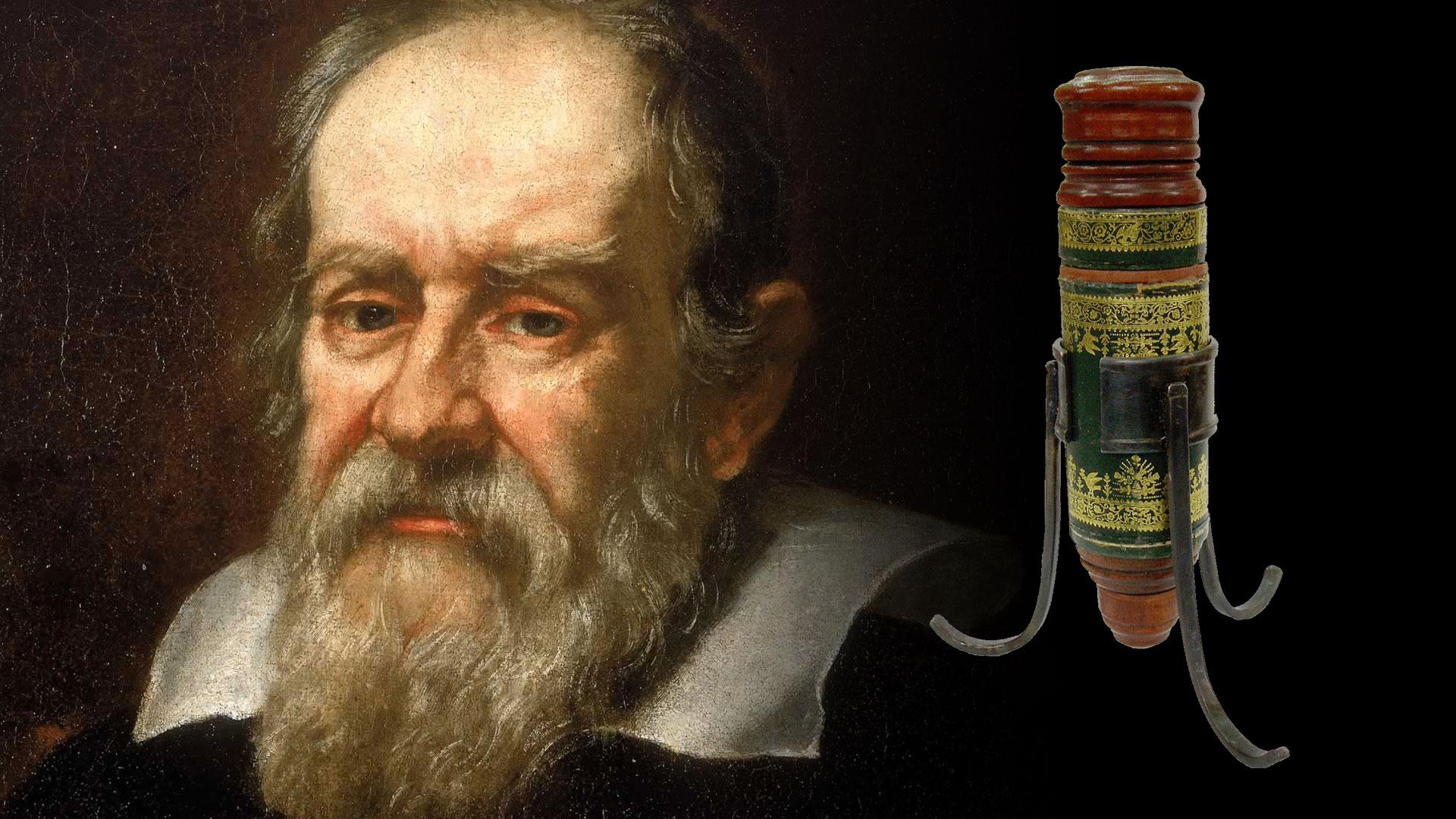
Galileo Galilei
Over time, other scientists improved and expanded on this invention. In 1609, Galileo Galilei created his own version of a microscope, calling it the occhiolino, meaning “little eye.” His work helped bring more attention to this new way of observing the world.
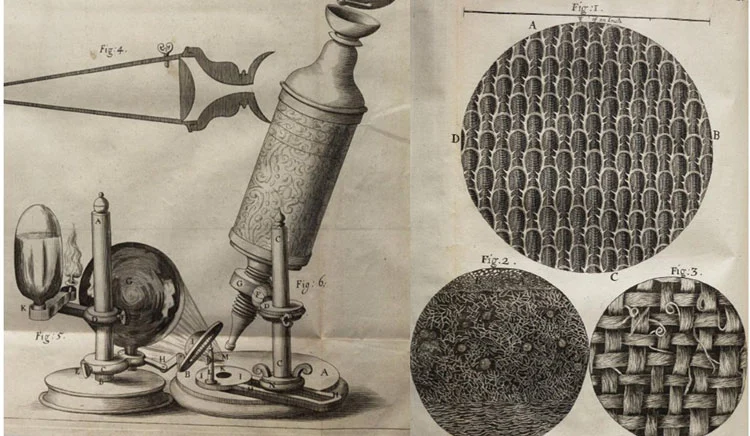
Robert Hooke
A major breakthrough came in 1665, when English scientist Robert Hooke used an improved compound microscope to study a thin slice of cork. He discovered tiny box-like structures, which he named “cells”, a term still used in biology today.
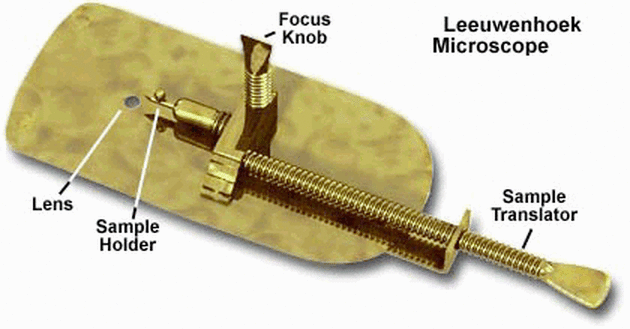
Antonie van Leeuwenhoek
In the 1670s, Dutch scientist Antonie van Leeuwenhoek took microscopy to a whole new level. Instead of using multiple lenses, he designed powerful single-lens microscopes that could magnify objects up to 270 times. With these, he became the first person to observe microscopic life, including bacteria, yeast, and red blood cells. His discoveries revealed an entirely new, invisible world.
Over the centuries, this simple instrument transformed into one of the most powerful tools in science.
In the 18th century, inventors focused on improving design and usability. Around 1710, Louis Joblot created a portable screw-barrel microscope, making it easier to study small specimens.
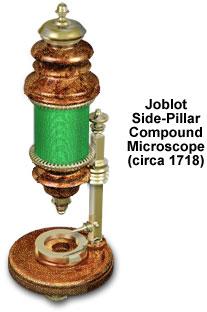
In the 1720s, Edward Culpeper introduced a more stable tripod-based microscope with improved lighting using a concave mirror. Later, in the 1760s, solar microscopes used sunlight to project magnified images, allowing groups of people to observe specimens at once.
By 1791, the idea of the achromatic lens was introduced, helping to reduce colour distortion.
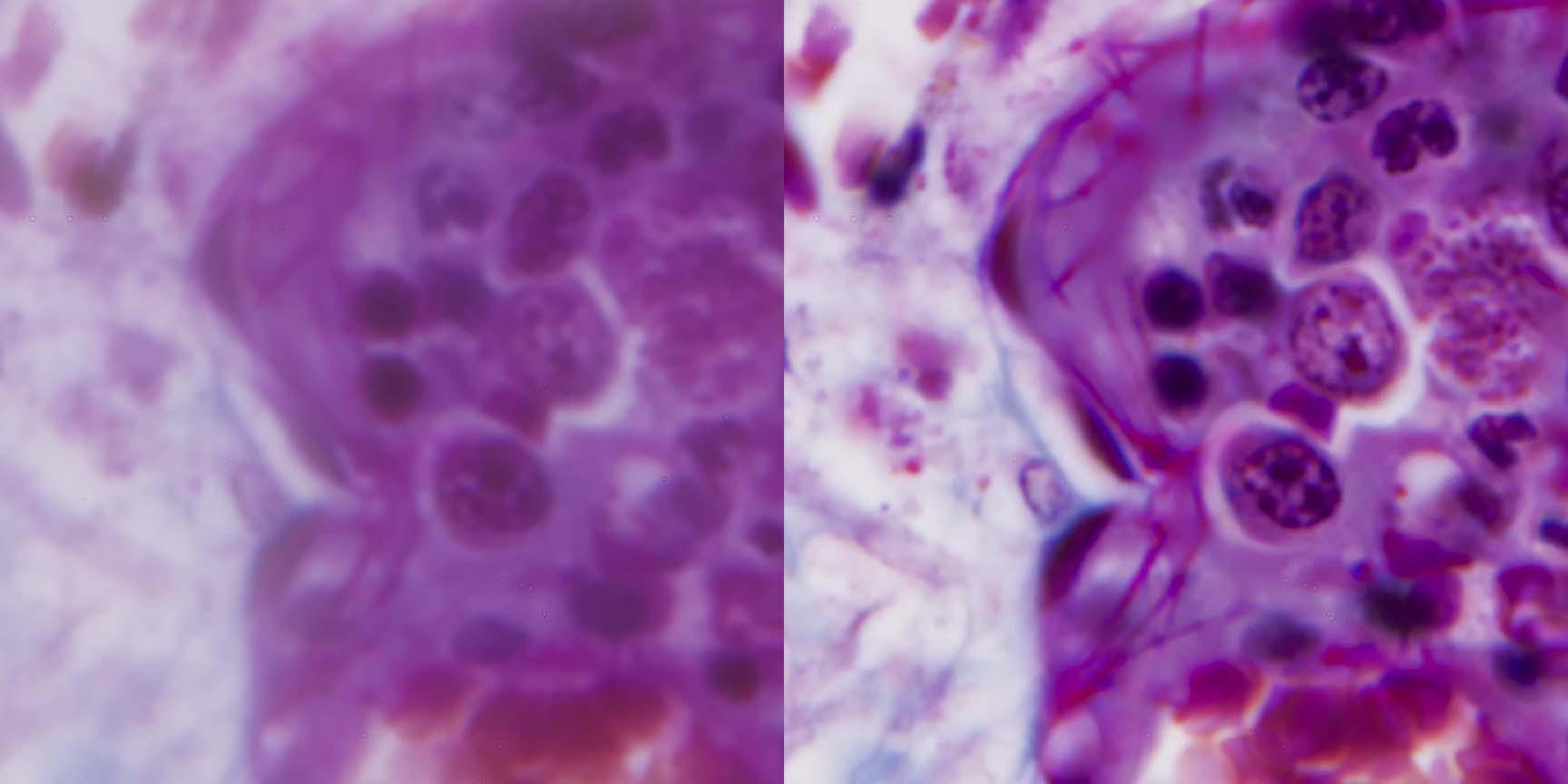
The 19th century brought major improvements in image quality. In 1830, Joseph Jackson Lister discovered that combining lenses in a precise way could reduce distortions and produce clearer images.
Later, Ernst Abbe developed important theories linking light and resolution, leading to more advanced lenses and the apochromatic system, which greatly improved colour accuracy and sharpness. A powerful partnership was formed between Ernst Abbe, a physicist, and Carl Zeiss, a skilled instrument maker. Together, they combined scientific theory with expert craftsmanship, leading to a revolution in optical science.
Carl Zeiss brought precision and experience in building high-quality microscopes, while Ernst Abbe applied mathematical and physical principles to improve their design. This collaboration led to the creation of microscopes that were far more accurate and reliable than anything before.
Abbe developed important theories, including the Abbe sine condition, which helped explain how lenses form clear images. His work laid the foundation for modern optical design, influencing not only microscopes but also cameras and other optical instruments.
Their partnership also led to the establishment of the Carl Zeiss Foundation, one of the first organizations to focus on both scientific progress and social responsibility, supporting research and improving working conditions.

In the 20th century, microscopy entered a revolutionary phase. Scientists moved beyond light and began using electrons to achieve far greater magnification.
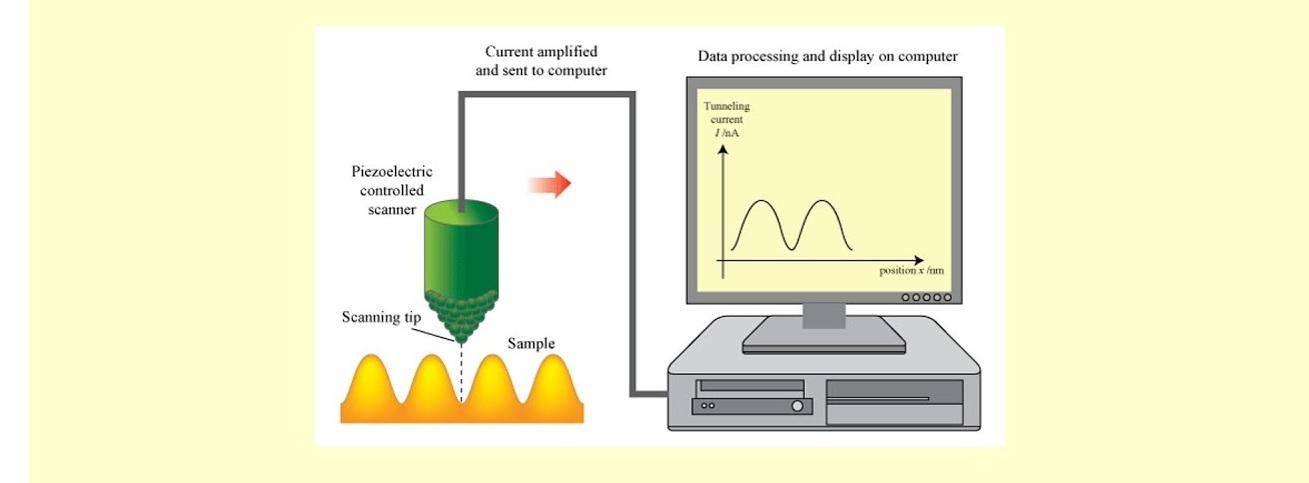
In 1931, Max Knoll and Ernst Ruska invented the transmission electron microscope (TEM), capable of magnifying objects up to a million times. Soon after, the scanning electron microscope (SEM) allowed scientists to create detailed, three-dimensional images of surfaces. Other innovations, like the phase-contrast microscope, made it possible to study living cells without staining them, while confocal microscopy enabled clear, layered images of specimens. By 1981, the invention of the scanning tunneling microscope (STM) allowed scientists to observe individual atoms for the first time.
In the 21st century, microscopes have become even more advanced and accessible. New technologies, such as the scanning helium microscope, allow scientists to study delicate materials without damage. Portable digital microscopes are now widely used in industries and education. Even more impressive are super-resolution techniques, like STED microscopy, which break the traditional limits of light and reveal details at an incredibly small scale.

Final Thoughts
The invention of the microscope changed science forever. It is a story of human curiosity and innovation. What began as a simple experiment with lenses led to the discovery of cells, microorganisms, and the building blocks of life itself. Today, microscopes continue to play a vital role in medicine, biology, and technology, proving that even the smallest discoveries can have the biggest impact.

- News & Current Affairs
- Business & Economy
- Finance & Money
- Education & Learning
- Technology & Innovation
- Science & Environment
- Health & Wellness
- Food & Drink
- Home, Garden & Lifestyle
- Travel & Tourism
- Fashion & Beauty
- Art & Culture
- Entertainment & Media
- Sports & Recreation
- Personal Growth & Lifestyle
- Careers & Work
- Tutorials & How-To Guides
- Real Estate & Property
- Automotive
- Family & Relationships
- Environment & Sustainability
- Law & Legal Matters
- Gaming & Esports
- Religion & Spirituality
- Community & Local Voices
- Miscellaneous

 English
 Arabic
 French
 Spanish
 Portuguese
 Deutsch
 Turkish
 Dutch
 Italiano
 Russian
 Portuguese (Brazil)
 Greek
