


Exercise During Pregnancy: Staying Fit, Calm, and Healthy

Pregnancy places demands on both your body and mind, and regular exercise combined with relaxation techniques can help you maintain your health and emotional balance throughout pregnancy, during labour, and beyond.
When done safely, exercise prepares your body for the physical changes of pregnancy and the work of childbirth. It also helps you feel more in control at a time when your body is changing rapidly.
Always consult your doctor or midwife before starting or continuing an exercise routine during pregnancy.
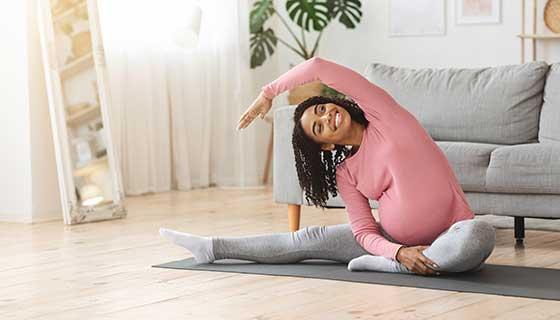
Why Exercise Is Beneficial During Pregnancy
Regular, appropriate exercise can:
- Improve heart and lung fitness
- Boost circulation and posture
- Reduce the risk of gestational diabetes
- Help manage healthy weight gain
- Improve sleep quality
- Reduce digestive discomfort
- Ease muscle aches and cramps
- Strengthen core and pelvic muscles
- Improve mood and reduce stress through natural endorphins
- Support body confidence and emotional wellbeing
- Help you regain fitness faster after birth
- Support a healthier pregnancy and a easier birth
- Increase energy levels for caring for your baby
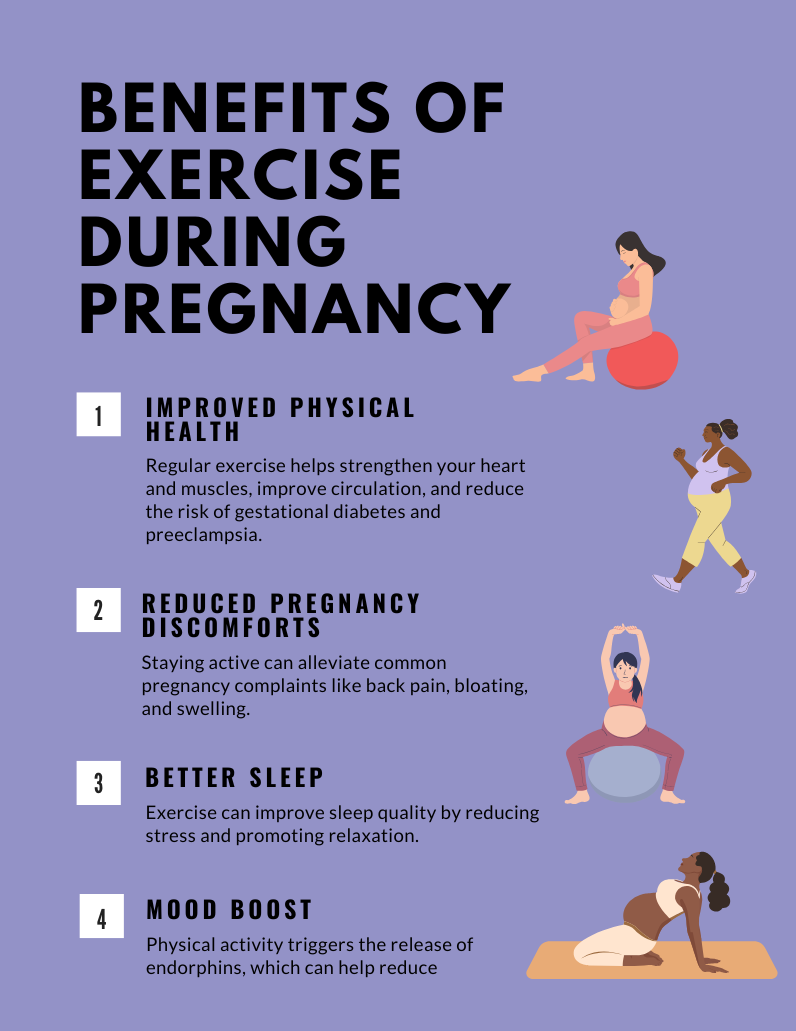
Exercise also triggers the release of serotonin, dopamine, and endorphins, which help balance mood swings and promote a positive outlook.
Safe and Recommended Exercises
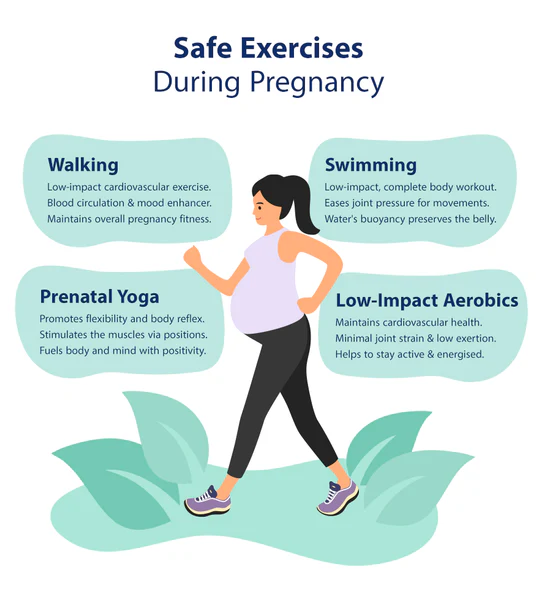
- Walking: Gentle and low impact
- Swimming & water aerobics: Supports your weight and reduces joint strain
- Stationary cycling: Lower risk of falling
- Prenatal yoga or Pilates: Improves flexibility, strength, and breathing
- Light strength training: Safe if you exercised before pregnancy
- Pelvic floor (Kegel) exercises: Strengthen bladder and uterine support muscles
Exercise Guidelines & Precautions
Intensity & Breathing
Use your heart rate to guide how hard you exercise. Gym machines, chest monitors, or fitness watches can help you track your pulse. In late pregnancy, shortness of breath is normal because your resting heart rate increases by about 15–20 beats per minute. When exercising, keep your breathing steady and never hold your breath, as this can cause dizziness and or fainting.
Duration of Exercise
Most healthy pregnant women are advised to aim for: 150 minutes of moderate-intensity exercise per week
This can be divided into 30 minutes a day or shorter sessions of 10–15 minutes.
Moderate intensity means:
- You can talk comfortably while exercising
- You should not be able to sing
- Always include a 5–15 minute warm-up and cool-down.
- Warm up with gentle movement like walking or cycling, then stretch slowly.
- Cool down by stretching each muscle group, and finish with light toning and deep breathing to relax your body.
What to Avoid
- Contact sports
- High-risk activities for falling(skiing, horseback riding)
- Scuba diving
- High-impact aerobics
- Exercises that is heavy on the joints
- Lying flat on your back after the first trimester, as it may reduce blood flow to you and your baby.
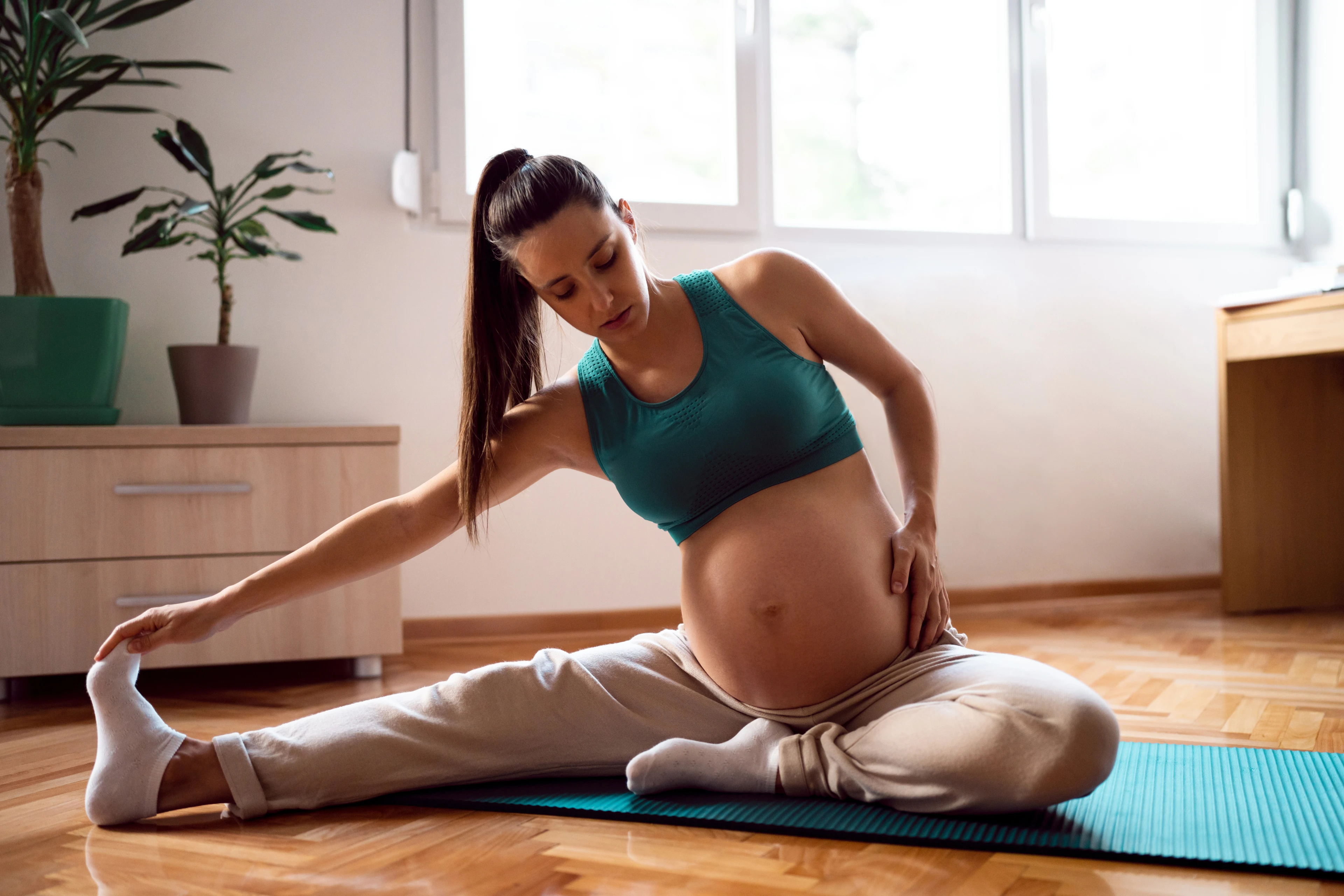
Stretching & Posture
Pregnancy hormones (especially relaxin) loosen joints, making them more flexible but also more prone to injury.
- Stretch gently before and after exercise
- Avoid overstretching
- Maintain good posture
- Be mindful of your changing centre of gravity, as you will be carrying extra weight in the front and it can make you feel unbalanced.
Nutrition & Hydration for Exercise
- Eat a light meal with complex carbohydrates (whole grains, rice, potatoes) 30–60 minutes before exercise
- Sip water before, during, and after exercise and take in an additional 2 litres of fluid per day
- Avoid overheating, your body temperature is already higher during pregnancy. Stop exercising if you feel too hot and drink plenty of water to stay hydrated.
- Exercise during cooler parts of the day
When You Should Not Exercise
Do not exercise without medical approval if you have:
- Persistent contractions
- History of premature labour or miscarriage
- Placenta praevia
- Incompetent cervix
- Pre-eclampsia or high blood pressure
- Anaemia
- Reduced fetal movement
- Multiple pregnancy (twins or more)
- Baby measuring small for dates
Stop Exercising Immediately If You Experience:
- Vaginal bleeding or fluid discharge
- Chest pain or heart palpitations
- Dizziness or fainting
- Severe abdominal pain
- Vision changes or headache
- Sudden swelling of face, hands, or ankles
- Calf pain or swelling
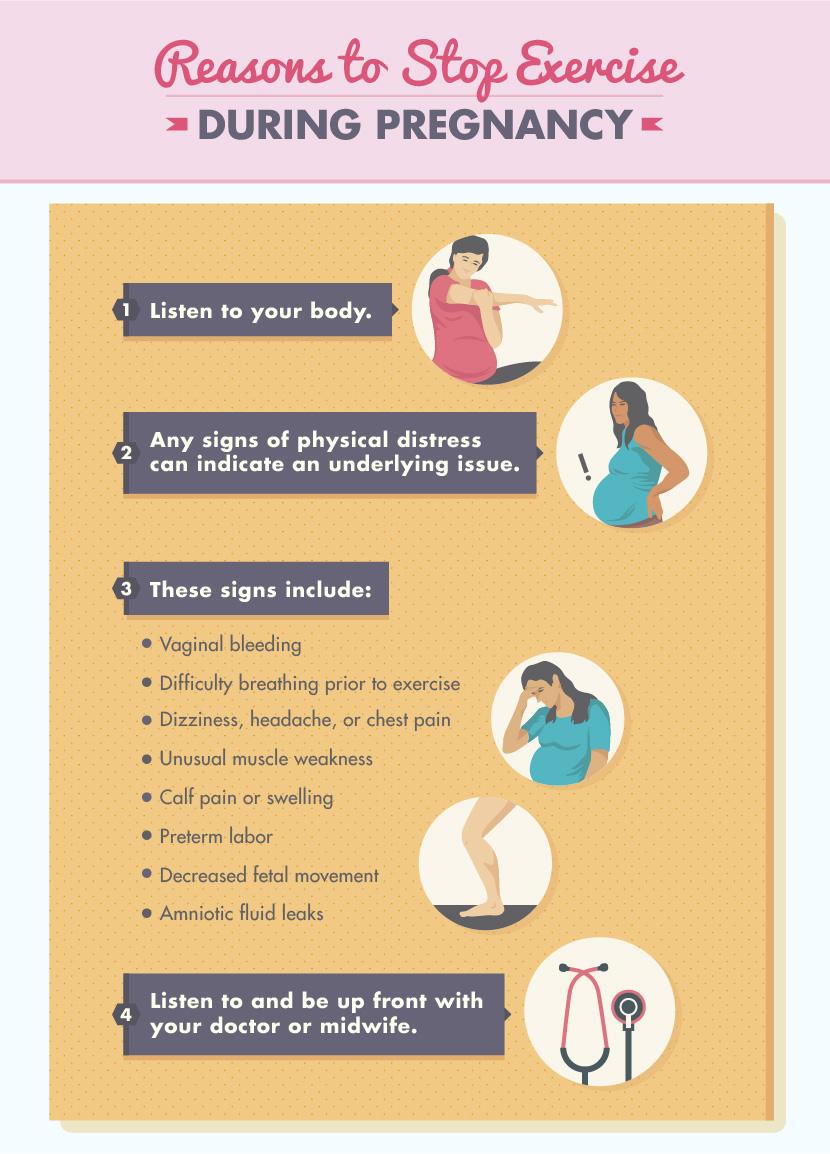
Seek medical advice immediately if these occur.
Tips for Success
- Wear loose, breathable clothing
- Use a supportive bra
- Listen to your body
- Avoid exhaustion
- Include relaxation or breathing exercises
- Focus on consistency, not intensity
Final Thoughts
Exercise during pregnancy is one of the most powerful ways to support both physical and emotional health. With the right approach, it improves comfort, boosts mood, prepares your body for birth, and speeds recovery afterward. The key is moderation, safety, and listening to your body.
Always consult your doctor or midwife before starting or continuing an exercise routine during pregnancy. Your baby’s wellbeing and your health should guide every movement you make.

- News & Current Affairs
- Business & Economy
- Finance & Money
- Education & Learning
- Technology & Innovation
- Science & Environment
- Health & Wellness
- Food & Drink
- Home, Garden & Lifestyle
- Travel & Tourism
- Fashion & Beauty
- Art & Culture
- Entertainment & Media
- Sports & Recreation
- Personal Growth & Lifestyle
- Careers & Work
- Tutorials & How-To Guides
- Real Estate & Property
- Automotive
- Family & Relationships
- Environment & Sustainability
- Law & Legal Matters
- Gaming & Esports
- Religion & Spirituality
- Community & Local Voices
- Miscellaneous

 Arabic
 French
 Spanish
 Portuguese
 Deutsch
 Turkish
 Dutch
Dutch
 Italiano
 Russian
 Romaian
 Portuguese (Brazil)
 Greek
Greek
