


A Brief History of Sugar: From Ancient Luxury to Everyday Staple

Today, sugar is everywhere — in our tea, baked goods, sauces, and processed foods. But its journey from a wild grass to a global commodity is long, complex, and deeply intertwined with human history, trade, and power. What began as a simple pleasure eventually reshaped economies, fueled empires, and continues to influence modern health debates.
Ancient Origins & Early Spread (8000 BCE – 1300 CE)
Sugar’s story begins in New Guinea around 8000 BCE, where early peoples chewed sugarcane stalks to enjoy their natural sweetness. From there, sugarcane traveled westward to India, where one of the most important breakthroughs occurred.
By around 350 CE, Indian cultivators developed techniques to boil sugarcane juice into crystalline sugar, making it easier to store and transport. Sugar was valued not just as a food, but as a medicine, used in Ayurvedic remedies and culinary preparations.
The Persians encountered sugar by the 6th century BCE, famously describing it as “a reed that gives honey without bees.” Arab traders later played a pivotal role in spreading sugar cultivation across the Middle East, North Africa, and the Mediterranean, refining techniques and introducing it to new regions.
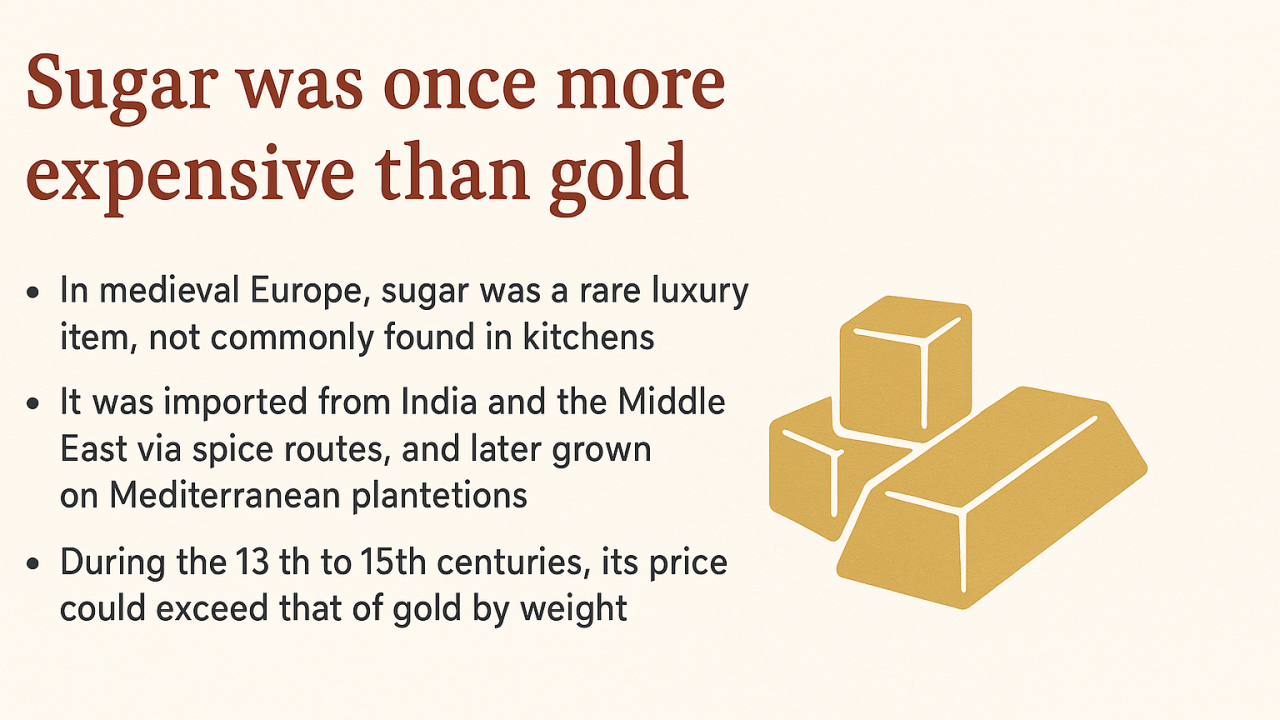
In medieval Europe, sugar was rare, expensive, and exotic. Imported mainly through Venetian trade routes, it was treated as a spice or medicine, reserved for royalty, apothecaries, and the wealthy elite.
The Plantation Era & the Rise of Slavery (1400s – 1800s)
The global fate of sugar changed dramatically during the Age of Exploration. When Christopher Columbus introduced sugarcane to the Caribbean, European powers quickly realized its enormous profit potential.
The Portuguese in Brazil, followed by the French and British in the Caribbean, established vast sugar plantations. These operations required intense labor, leading to the mass enslavement of millions of Africans. Sugar became the economic backbone of the triangular trade, linking Europe, Africa, and the Americas in a brutal system of exploitation.
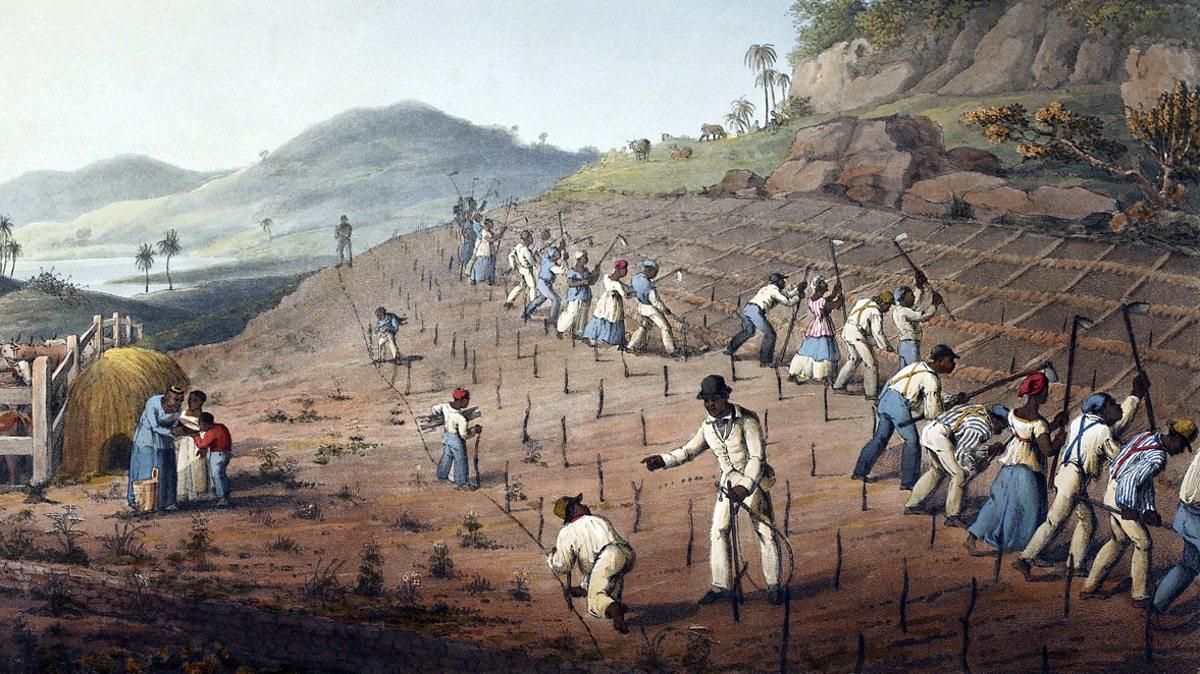
By the 17th and 18th centuries, sugar was no longer just a luxury — it was a driving force of colonial economies, shaping global trade, politics, and demographics in ways still felt today.
Modernization & Mass Consumption (1800s – Present)
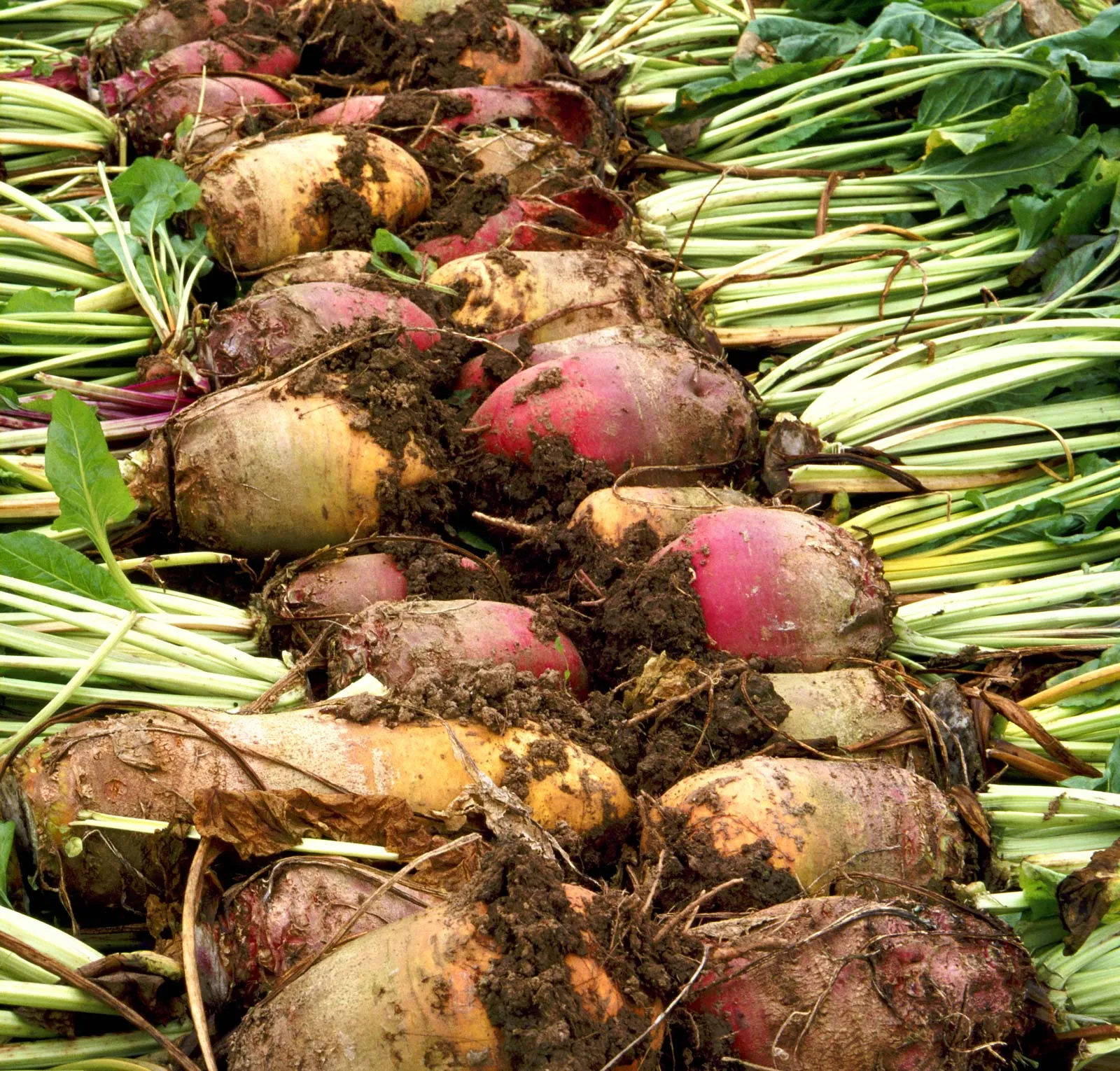
The 19th century marked a turning point. During the Napoleonic Wars, Britain’s naval blockades cut off cane sugar supplies to Europe. In response, Napoleon promoted sugar beet cultivation, giving rise to a powerful alternative source of sugar on the continent.
Technological advances accelerated sugar’s transformation:
- Edward Howard’s vacuum pan (1813) revolutionized refining efficiency.
- Industrial mechanization increased yields and lowered costs.
- Railways and steam power expanded distribution.
As sugar became cheap and abundant, it shifted from an elite indulgence to an everyday staple. Consumption soared, especially in baked goods, confectionery, and later processed foods.
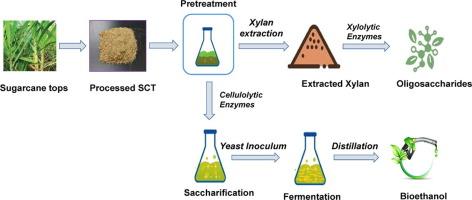
In the modern era, sugar remains one of the world’s most important crops. Sugarcane is also used for biofuels, while at the same time, rising consumption has sparked intense debates around health, obesity, diabetes, and natural alternatives.
Final Thoughts
Sugar’s history mirrors humanity’s own evolution — innovation, expansion, exploitation, and consequence. From a chewed grass in New Guinea to a global commodity shaping diets and economies, sugar has left a profound legacy.
Today, as interest grows in natural sweeteners and traditional remedies, many people are re-evaluating their relationship with sugar. Understanding its past helps us make more informed, mindful choices about how we use sweetness in our lives — not as excess, but as balance.


- News & Current Affairs
- Business & Economy
- Finance & Money
- Education & Learning
- Technology & Innovation
- Science & Environment
- Health & Wellness
- Food & Drink
- Home, Garden & Lifestyle
- Travel & Tourism
- Fashion & Beauty
- Art & Culture
- Entertainment & Media
- Sports & Recreation
- Personal Growth & Lifestyle
- Careers & Work
- Tutorials & How-To Guides
- Real Estate & Property
- Automotive
- Family & Relationships
- Environment & Sustainability
- Law & Legal Matters
- Gaming & Esports
- Religion & Spirituality
- Community & Local Voices
- Miscellaneous

 English
 Arabic
 French
 Spanish
 Portuguese
 Deutsch
 Turkish
 Italiano
 Russian
 Romaian
 Portuguese (Brazil)
 Greek
Greek
