


The Evolution of the Pencil: From Ancient Tools to Modern Creativity

The humble pencil may seem like an ordinary object, but it carries an extraordinary history. Its evolution spans centuries, cultures, and innovations—shaping the way people write, draw, plan, create, and learn. Let’s take a journey through the fascinating development of the pencil, from its earliest beginnings to the colorful tools we know today.
The Pencil at the Beginning
The exact inventor of the first “pencil” remains unknown. However, early pencil-like tools can be traced back to ancient Rome. Instead of graphite, Romans used thin metal rods—called a stylus often wrapped in lead—to make marks. This is where the name “pencil lead” came from, even though modern pencils contain no real lead at all.
Lead was phased out completely as our understanding of materials improved, and safer alternatives emerged. The pencil eventually became a completely non-toxic writing tool—unless the paint coating contains harmful additives, which is why biting pencils is discouraged.
The Discovery of Graphite
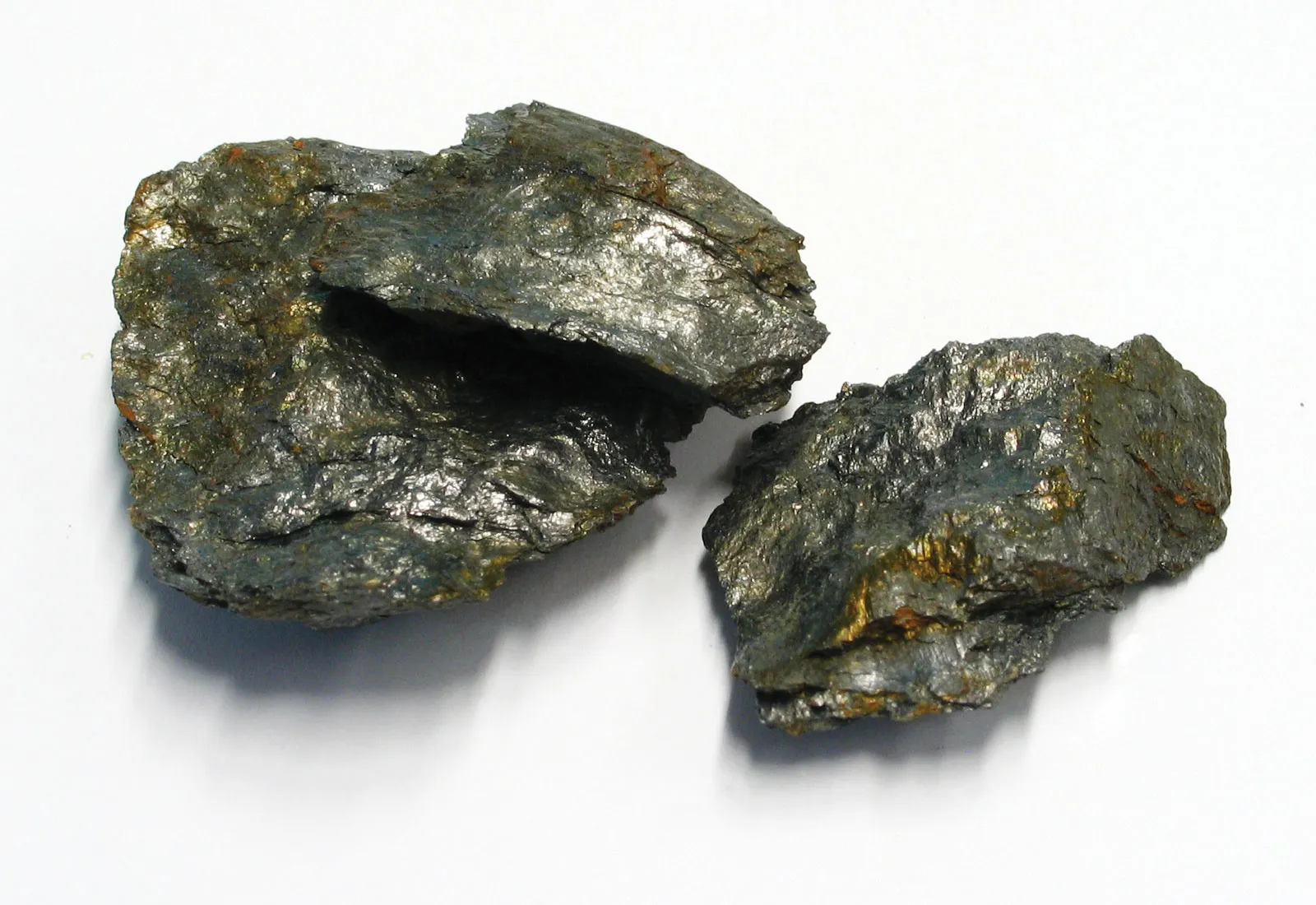
Everything changed in the 16th century when a pure deposit of black graphite was discovered in England. People quickly realized that this mysterious ore could leave rich black marks on paper. Since its true nature wasn’t known yet, they called it “black lead.”
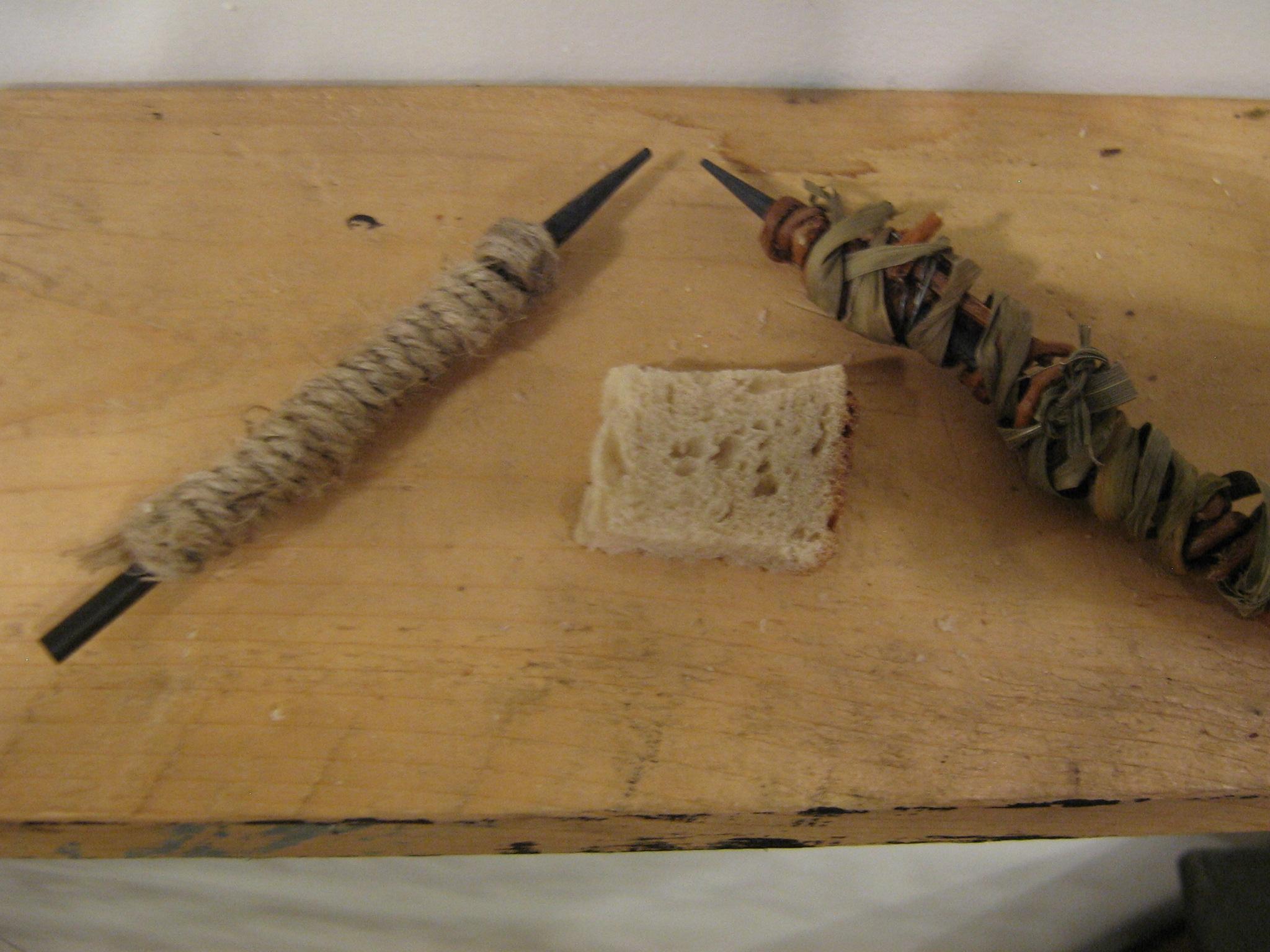
People began cutting graphite into sticks, wrapping them in string or sheepskin to avoid staining their hands. Later, a more advanced method emerged—crushing the graphite, mixing it with binders, shaping it into rods, and wrapping them in paper. This marked the early evolution of the pencil core we use today.
Evolution of Pencil Hardness
You’ve probably seen markings like HB, 2B, or 2H on pencils. These symbols represent the hardness and darkness of the pencil core:
- B pencils – softer and darker
- H pencils – harder and lighter
- HB – the balanced middle ground
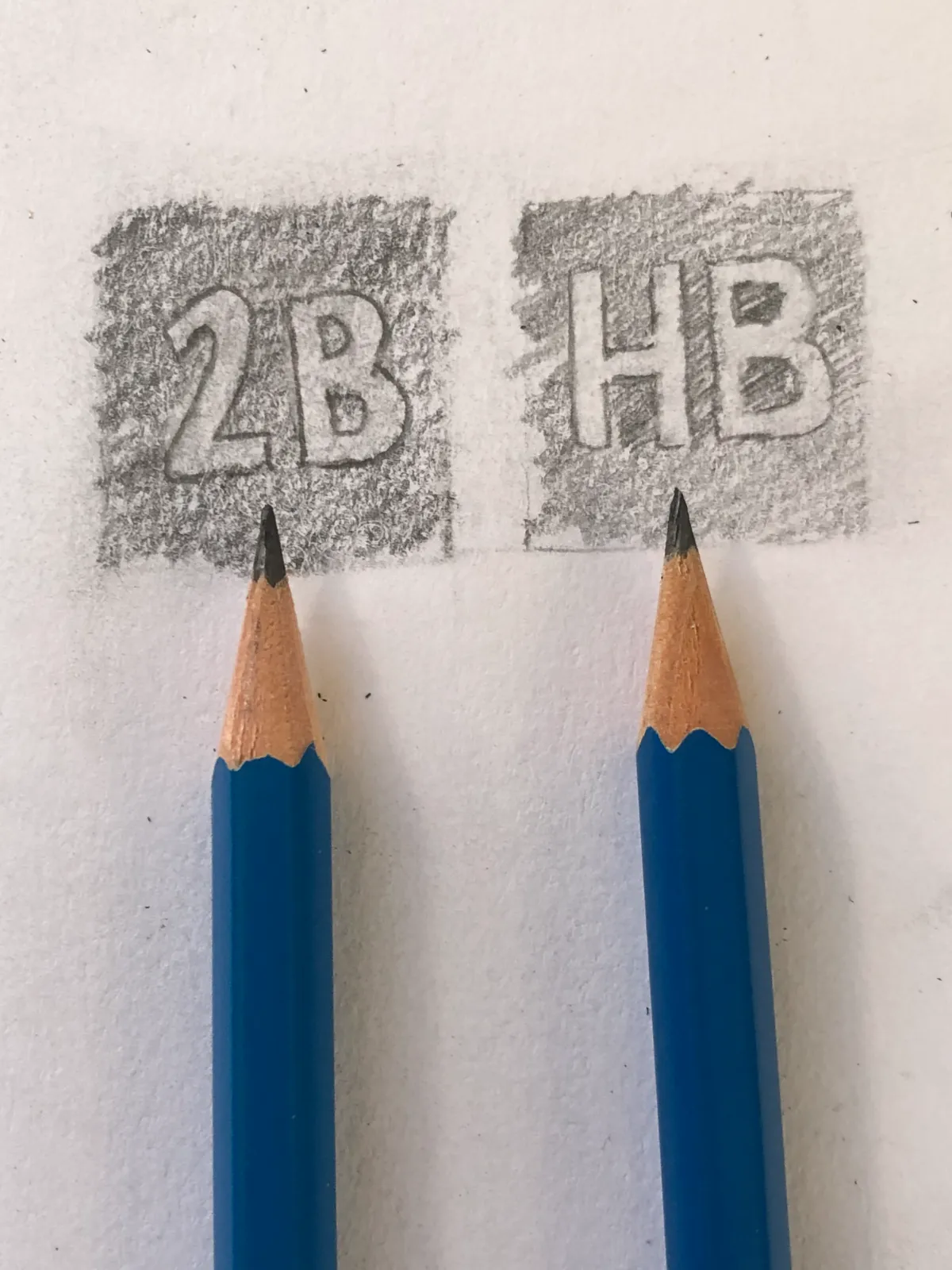
This system exists because the core is made by mixing graphite with clay. The more clay used, the harder the pencil becomes. This key discovery was made by a French scientist who found that clay created smooth, durable, and reliable pencil cores—a breakthrough that still shapes pencil production today.
Evolution of the Pencil Shape
Early graphite rods wrapped in paper broke easily. Legend has it that a carpenter decided to protect the fragile graphite by inserting it into a piece of glued-together wood. That simple idea became the prototype of the modern wooden pencil.
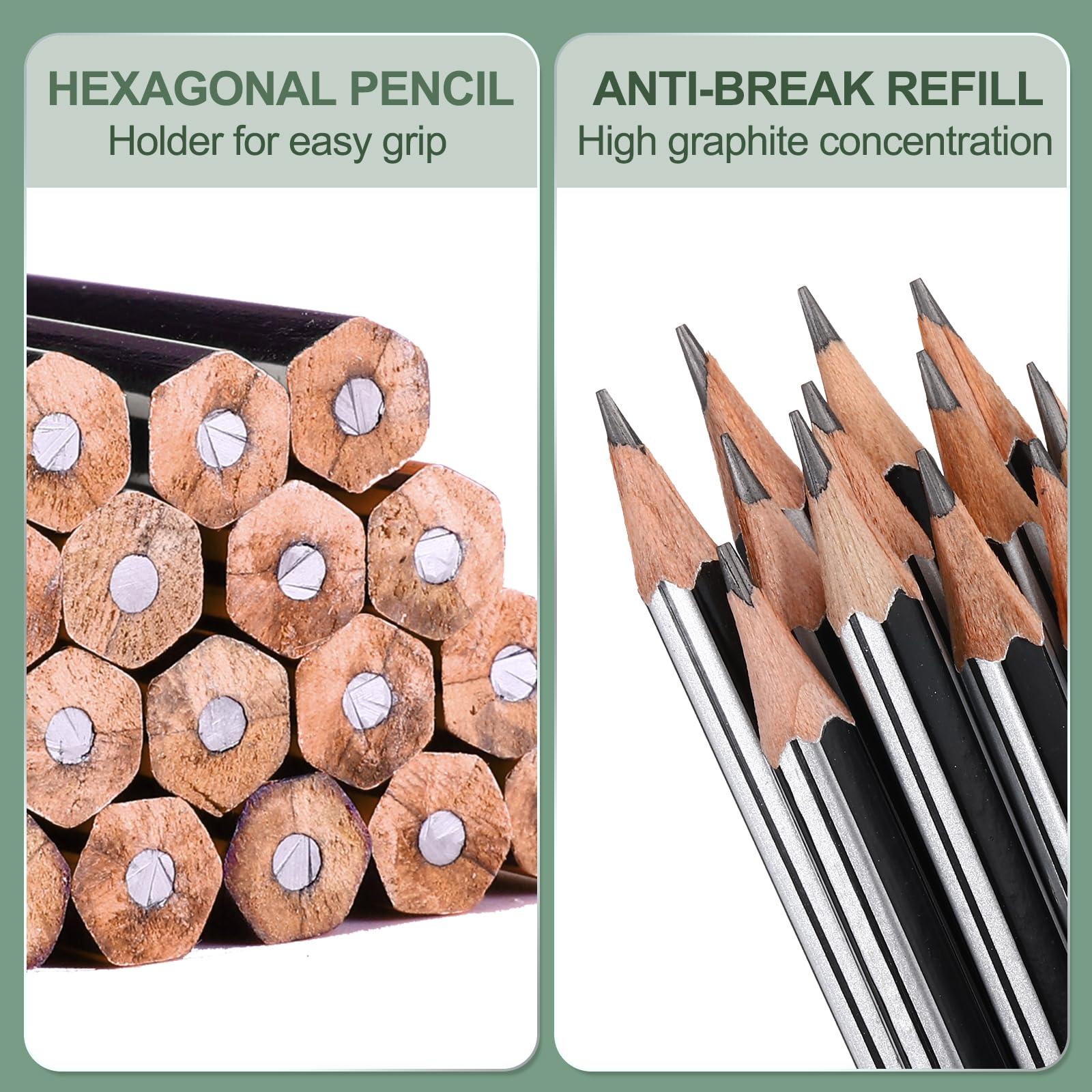
From that point on, pencil casings evolved into various shapes and materials. Today, pencils come in circular, triangular, and hexagonal designs—crafted from woods like cedar, willow, linden, and poplar.
Evolution of Colored Pencils
While regular pencils use graphite and clay, colored pencils use wax, pigments, additives, and binders. Wax-based color materials existed as far back as ancient Greek times.
Colored pencils now fall into two main categories:
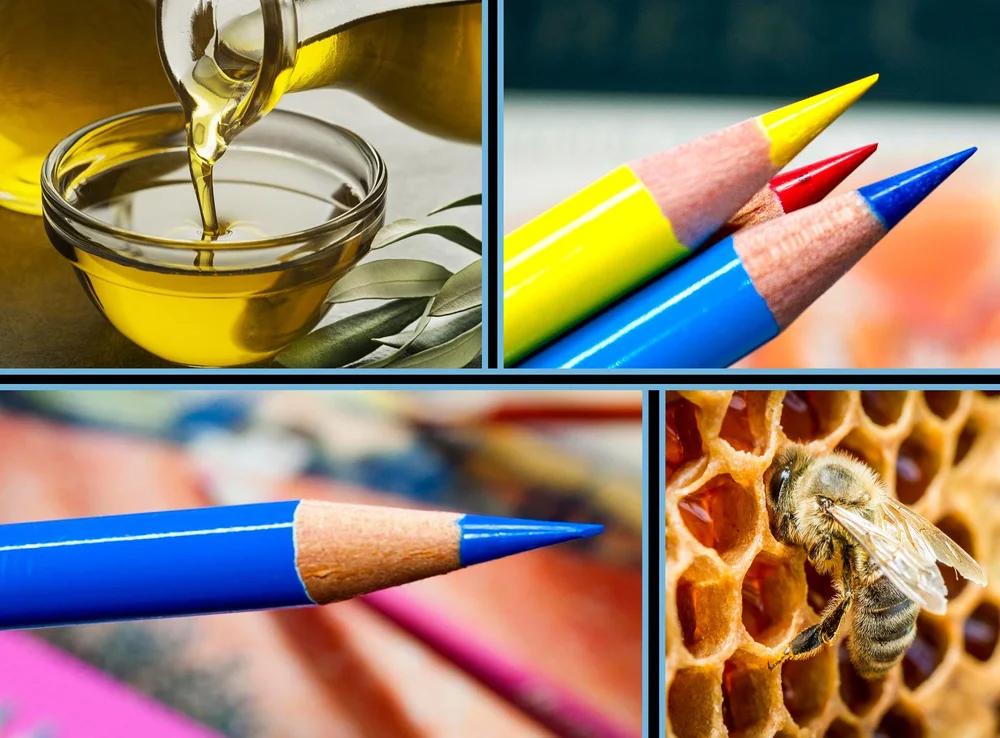
Oil-Based Colored Pencils
- Harder, waxy cores
- Vibrant, rich color saturation
- Ideal for detailed and realistic artwork
- Harder for beginners to master
Water-Soluble Colored Pencils
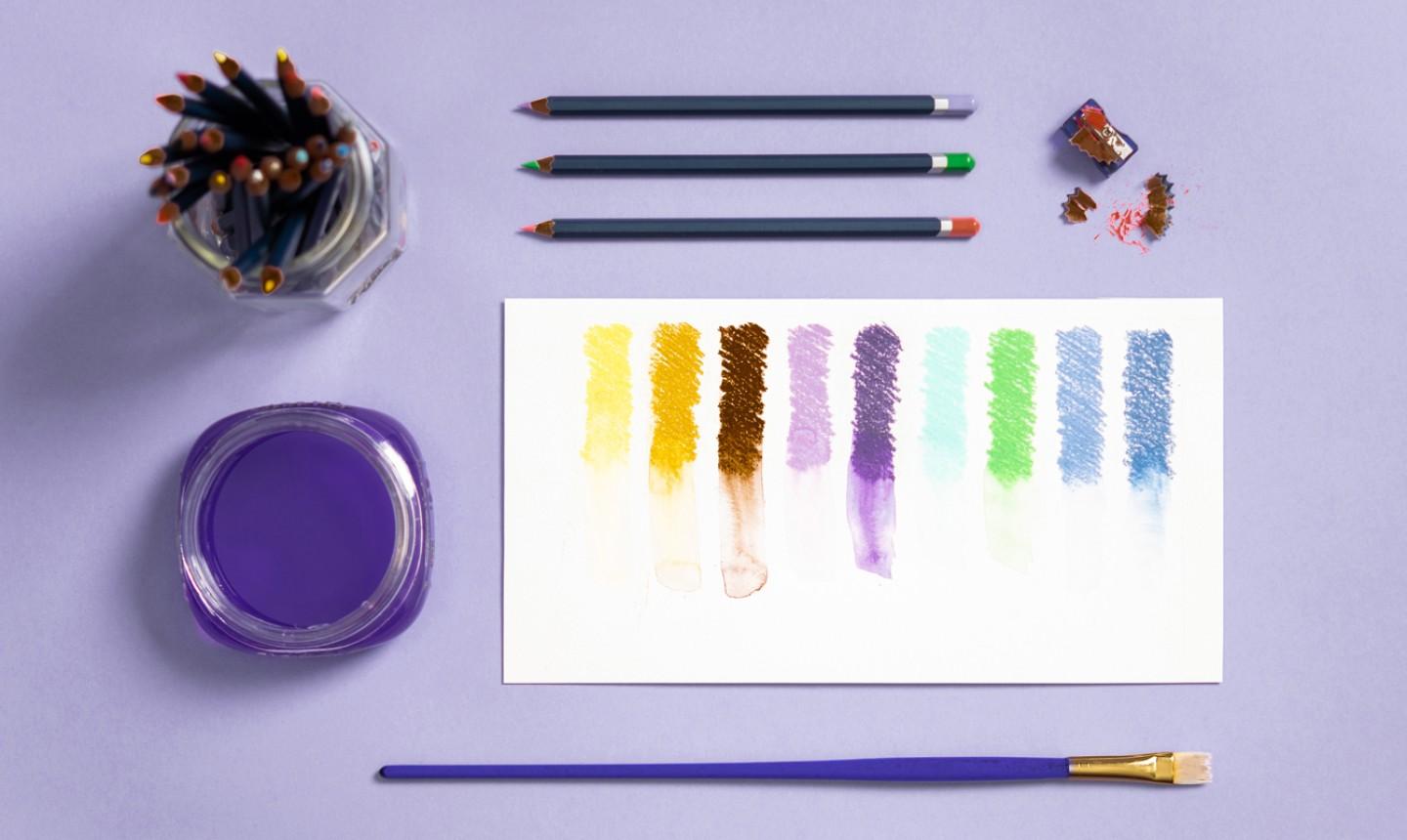
- Soft cores that dissolve in water
- Allow blending and watercolor-like effects
- Great for beginners and large color areas
Colored pencils became widely used in the 20th century. In 1908, Faber-Castell released one of the first artist-grade sets with 60 colors. Today, the world’s largest set belongs to Felissimo—with an astonishing 500 colors.
Evolution of Pencil Appearance
The first wooden pencils were unpainted and simple. But as branding grew, manufacturers began painting pencils and adding brand names.
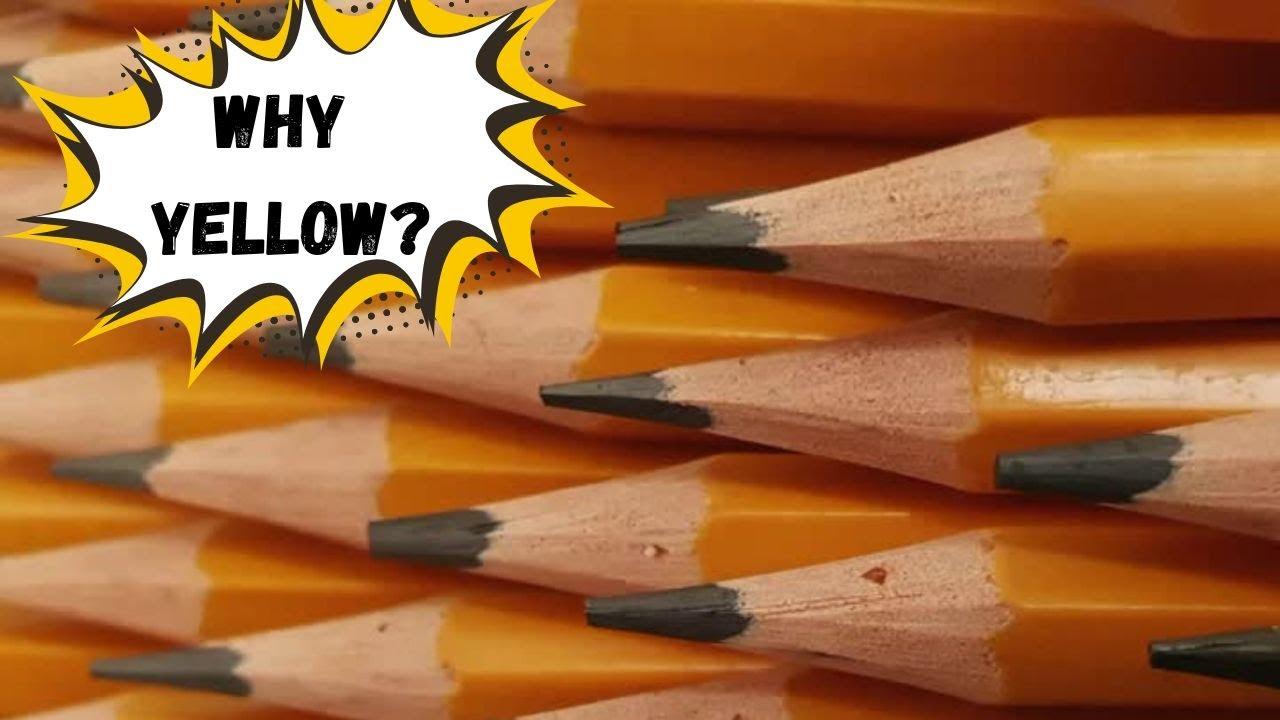
In the 19th century, American manufacturers chose bright yellow for premium pencils. Yellow symbolized royalty in China, and using this color helped pencils stand out as high-quality products—significantly boosting sales.
Today, modern technology allows for dazzling pencil finishes including:
- Transfer films
- Electroplating
- Silk-screen printing
- Laser engraving
- Aluminum ferrules
- Decorative coatings
Pencils have become both functional and visually appealing.
Mechanical Pencils: A Modern Twist
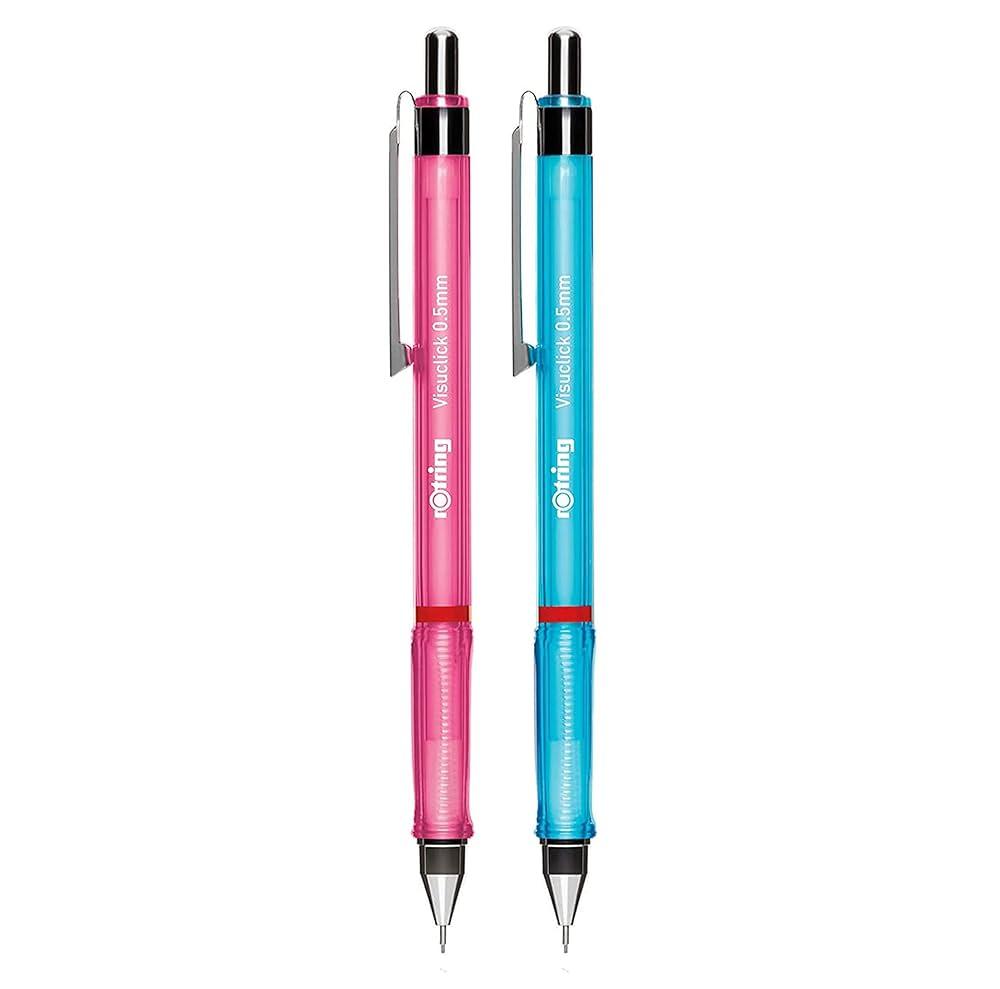
In the 20th century came one of the biggest transformations—the mechanical pencil. These pencils removed the need for sharpening and provided a reusable casing made of metal or plastic. By simply replacing thin leads, the pencil became more efficient and environmentally friendly.
Evolution of Pencil Packaging
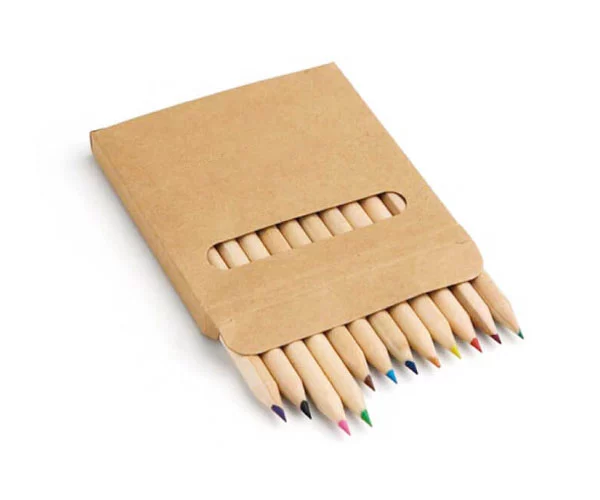
Packaging also plays an important role in protecting pencils during transport. Over time, many packaging designs emerged, such as:
- Cardboard boxes
- Blister cards
- PVC folding boxes
- Sliding wooden boxes
- Plastic tubes
- Paper sleeves
Cardboard boxes remain the most common because they are affordable, strong, and easy to produce. Blister packaging, on the other hand, offers durability and a clear display for retail shelves.
The Future of Pencils
Though digital tools are now widely used, pencils remain essential—especially for students, artists, engineers, and designers. Their simplicity, affordability, and tactile comfort continue to make them irreplaceable.
Pencil materials and designs will keep evolving with technology, but the pencil itself will never disappear. It has stood the test of time, and it continues to inspire creativity every day.
Final Thoughts
The pencil’s journey—from ancient metal rods to high-quality graphite, vibrant colors, and sleek mechanical casings—shows how even the simplest tool can undergo remarkable transformation. Whether used for learning, drafting, sketching, or creating masterpieces, the pencil remains a timeless companion in our everyday lives.
Its evolution reminds us that even small innovations can have a lasting impact. As long as people continue to express ideas on paper, the pencil will remain an enduring symbol of creativity, simplicity, and possibility.

- News & Current Affairs
- Business & Economy
- Finance & Money
- Education & Learning
- Technology & Innovation
- Science & Environment
- Health & Wellness
- Food & Drink
- Home, Garden & Lifestyle
- Travel & Tourism
- Fashion & Beauty
- Art & Culture
- Entertainment & Media
- Sports & Recreation
- Personal Growth & Lifestyle
- Careers & Work
- Tutorials & How-To Guides
- Real Estate & Property
- Automotive
- Family & Relationships
- Environment & Sustainability
- Law & Legal Matters
- Gaming & Esports
- Religion & Spirituality
- Community & Local Voices
- Miscellaneous

 English
 French
 Spanish
 Portuguese
 Deutsch
 Turkish
 Dutch
Dutch
 Italiano
 Russian
 Romaian
 Portuguese (Brazil)
 Greek
Greek
