


The History of Tea: Origins, Legends, and the Global Journey of the World’s Favourite Beverage
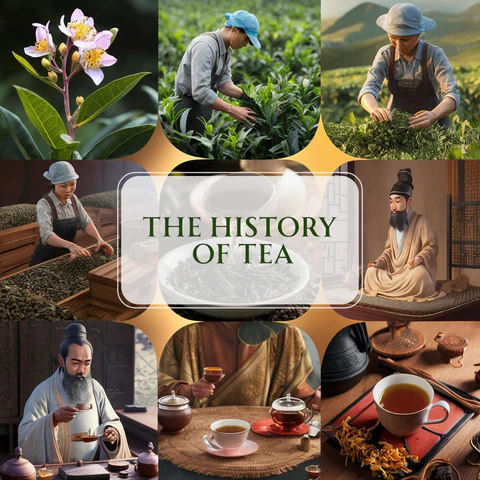
Tea is the world’s most widely consumed beverage—second only to water—and its story stretches back nearly 5,000 years. From ancient Chinese medicine to British afternoon tea traditions and the American Revolution, the journey of tea is as rich and colourful as the drink itself.
This complete guide explores where tea comes from, how it spread across continents, and why it remains a cherished part of cultures around the world.
Where Did Tea Come From? The Birthplace of Tea
All true tea—whether green, black, white, oolong, or pu-erh—comes from one plant: Camellia sinensis. This resilient evergreen thrives in warm, humid climates with abundant rainfall and grows naturally from sea level up to 7,000 feet. Today, tea bushes cover nearly six million acres worldwide and can live for more than a century, especially those grown at higher elevations.

Ancient Chinese Origins: The Legendary Beginning
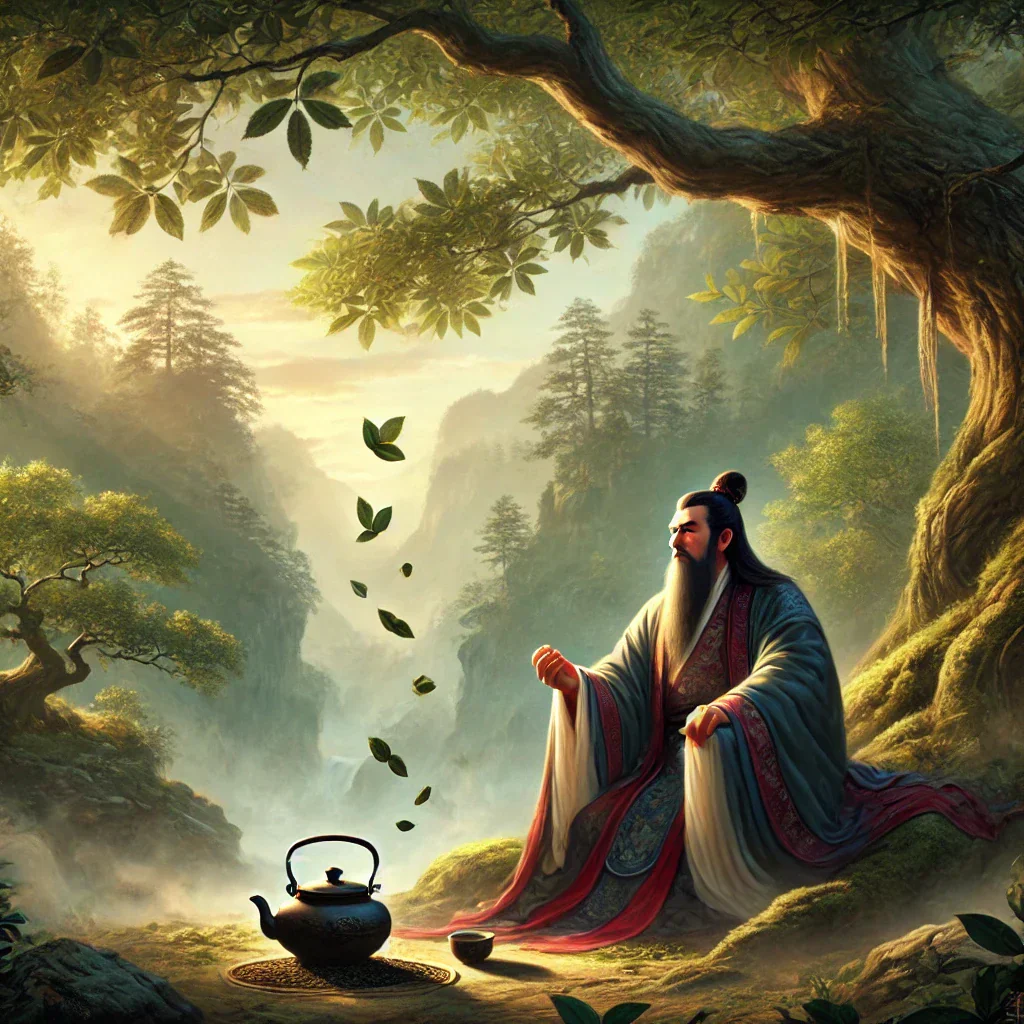
The history of tea begins in China around 2750 BC, where tea was initially valued for its medicinal properties. According to legend, Emperor Shen Nong, the “Father of Tea,” discovered the drink by accident when wild tea leaves drifted into his pot of boiling water. Intrigued by its flavour and healing qualities, he encouraged the cultivation and daily use of tea across China.
Tea Through the Chinese Dynasties
Early Tea Drinking
In its earliest form, tea was prepared by simply boiling picked leaves, creating a bitter medicinal brew. For thousands of years, tea was regarded more as medicine than a daily beverage.

The Tang Dynasty (600–900 AD)
Tea’s popularity surged, spreading across China and becoming such an important commodity that the government introduced a tea tax.
The Ming Dynasty (1368–1644)
This era brought major changes:
- Loose-leaf green tea became popular.
- However, it spoiled easily when exported.
To protect their product for trade, Chinese merchants began roasting and oxidising the leaves, creating what we know today as black tea. China continued drinking green tea, but black tea dominated international export markets.
Tea Arrives in Europe
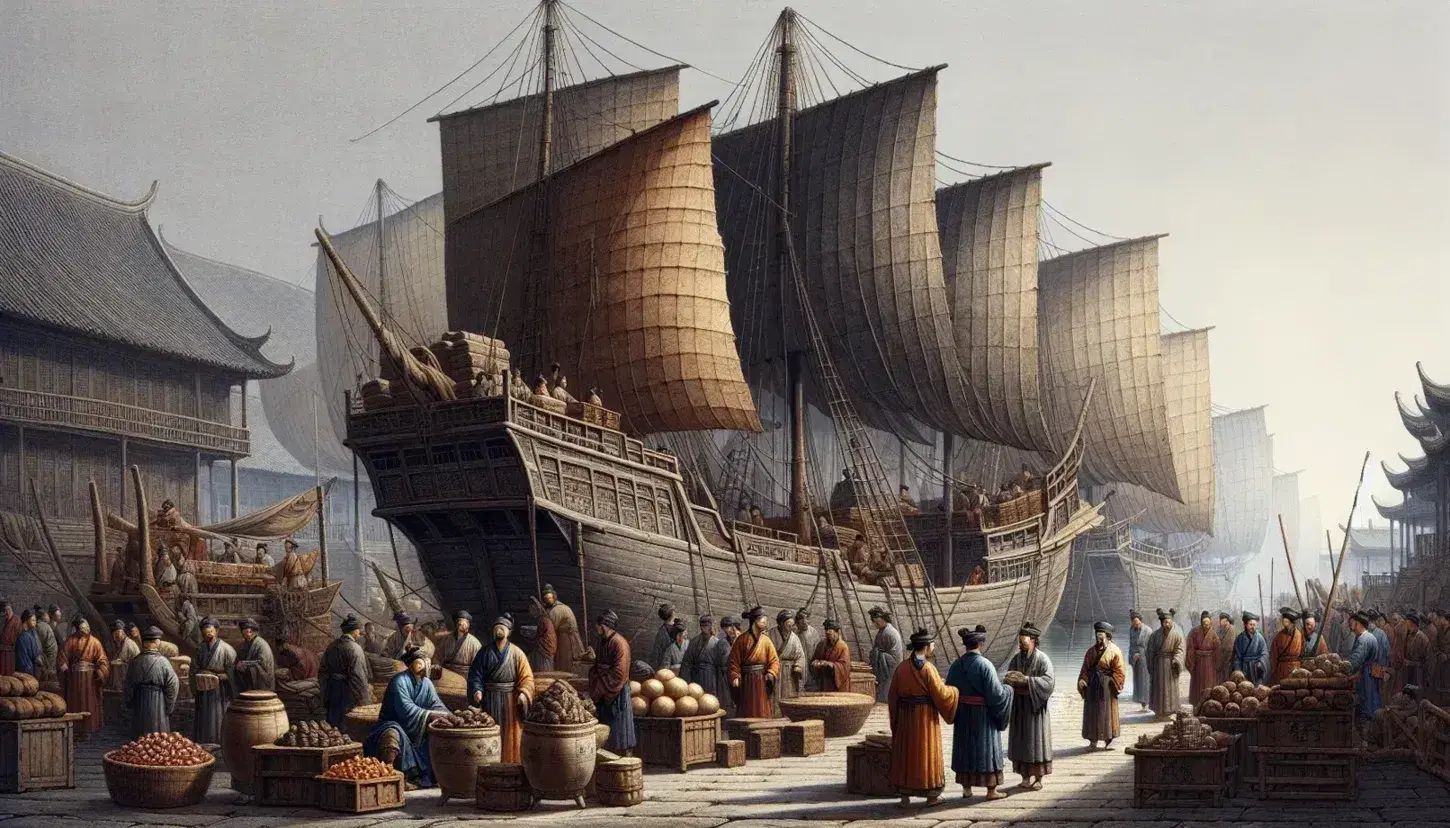
Tea reached Europe in 1610 via Dutch traders and was later introduced to Britain around 1650. Spread through bustling coffeehouses, the drink quickly won public favor.
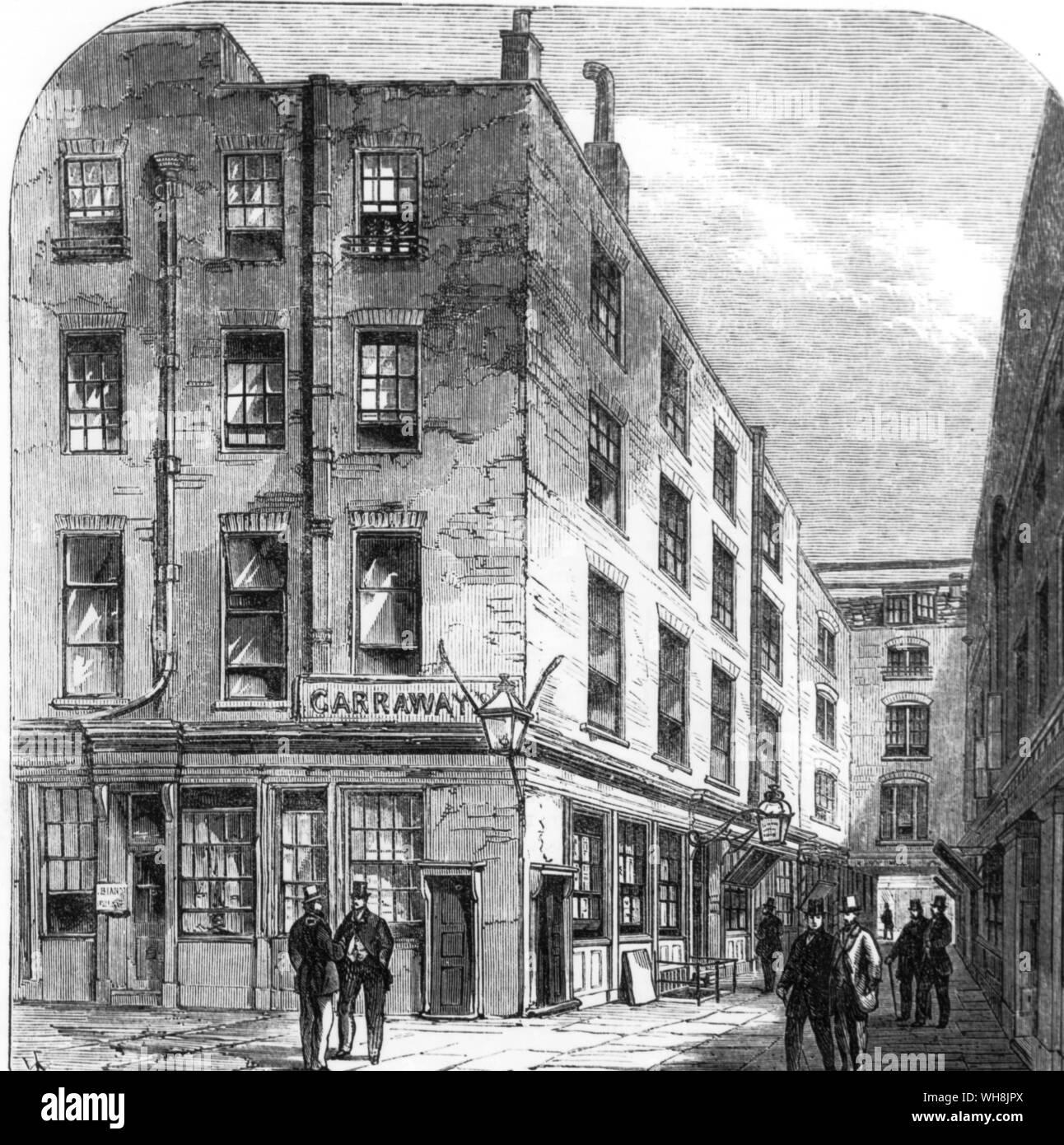
By 1657, Thomas Garway became the first to sell tea to the British public. Its popularity grew so rapidly that it soon replaced alcohol as the nation’s favourite beverage—prompting the government to impose a tea tax to make up for lost alcohol revenue.
As coffeehouses became too rowdy, tea moved to the refined settings of London’s pleasure gardens, where royalty, aristocrats, and common workers alike enjoyed the drink.
Tea and the American Revolution
The price of tea played a major role in shaping American history.
When Britain imposed a tea tax of three pence per pound, colonists resisted. On December 16, 1773, the Sons of Liberty boarded ships in Boston Harbor and dumped 342 chests of tea into the water—a protest now known as the Boston Tea Party.

Britain responded with the Intolerable Acts, restricting colonial freedoms. These tensions helped spark the American Revolutionary War—meaning tea, in its own way, helped fuel a nation’s fight for independence.
Tea Expands Across the Globe
By the 19th century, tea had become a cornerstone of British culture, giving rise to:
- Family teas
- Afternoon teas
- Elegant tea parties
- Social teatime rituals defined by etiquette and fine tableware
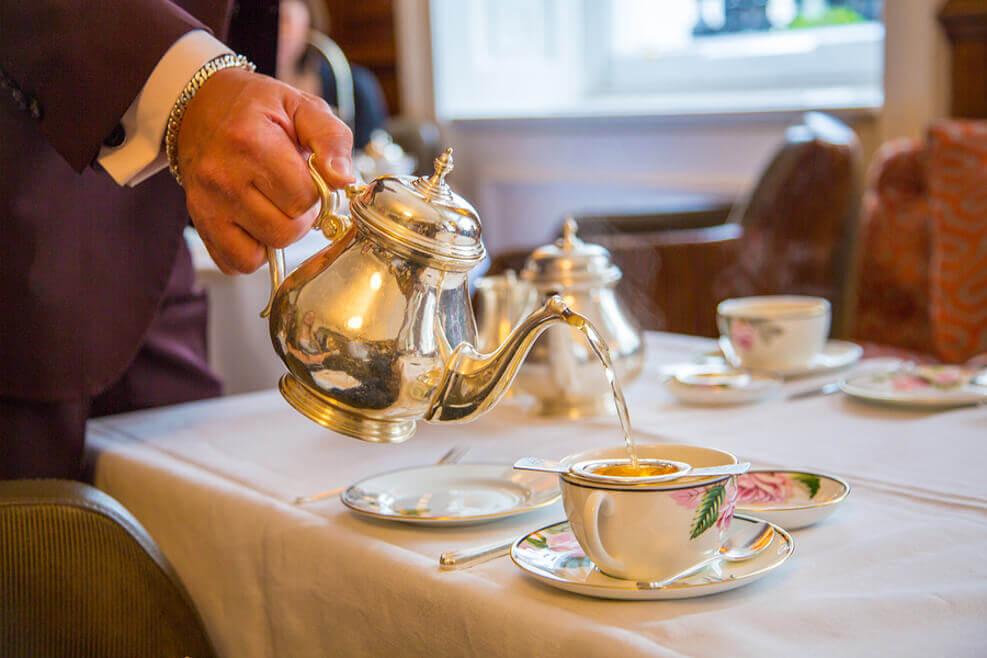
Meanwhile, tea cultivation spread worldwide:
- China – The original home of tea
- Japan – Tea seeds were introduced in 1191 by Zen priests
- India – Indigenous tea discovered in Assam; first Indian tea sold in London in 1839
- Africa – First planted at the Cape in 1687; modern production thrives in Kenya, Malawi, and Tanzania
Together, these regions now form the backbone of today’s global tea industry.
The Rise of Specialty Tea in Modern Times
Between 1993 and 2008, the American specialty tea market quadrupled, reaching a value of $6.8 billion. Similar to premium coffee and wine movements, consumers began seeking:
- High-quality loose-leaf teas
- Single-origin varieties
- Herbal blends
- Innovative tea shops and tasting rooms
This “better tea” movement helped spark the modern tea renaissance.

The Enduring Legacy of Tea
Today, there are more than 3,000 varieties of tea, each shaped by:
- Altitude
- Climate
- Soil
- Harvesting techniques
- Processing methods
From ancient Chinese mountainsides to modern cafés and kitchen cupboards, tea continues to inspire rituals, comfort, health practices, and cultural traditions around the world.
It remains more than a drink—it is a global heritage.
Final Thoughts
From its legendary discovery in ancient China to its role in global trade, cultural ceremonies, and even political revolutions, tea has shaped the world in ways few beverages ever could. Its journey spans thousands of years, countless traditions, and nearly every corner of the globe. Whether enjoyed for its health benefits, its comforting warmth, or its deep cultural roots, tea remains a timeless symbol of connection, wellbeing, and shared experience.

- News & Current Affairs
- Business & Economy
- Finance & Money
- Education & Learning
- Technology & Innovation
- Science & Environment
- Health & Wellness
- Food & Drink
- Home, Garden & Lifestyle
- Travel & Tourism
- Fashion & Beauty
- Art & Culture
- Entertainment & Media
- Sports & Recreation
- Personal Growth & Lifestyle
- Careers & Work
- Tutorials & How-To Guides
- Real Estate & Property
- Automotive
- Family & Relationships
- Environment & Sustainability
- Law & Legal Matters
- Gaming & Esports
- Religion & Spirituality
- Community & Local Voices
- Miscellaneous

 English
 Arabic
 Spanish
 Portuguese
 Deutsch
 Turkish
 Dutch
Dutch
 Italiano
 Russian
 Romaian
 Portuguese (Brazil)
 Greek
Greek
