


Powerful Natural Antibiotics to Boost Immunity and Fight Infections Naturally

Antibiotics have transformed modern healthcare by curing millions of bacterial infections and saving countless lives. However, the overuse of synthetic antibiotics can lead to antibiotic resistance and unwanted side effects. Thankfully, nature has given us a wide range of natural antibiotic foods and herbs that can help protect the body, strengthen the immune system, and naturally fight off harmful bacteria.
By adding these antibiotic-rich foods to your diet, you can support your immunity, improve overall health, and reduce your risk of infections.
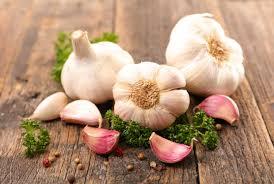
🧄 Garlic: The Natural Antibiotic Powerhouse
Garlic is one of the most powerful natural antibiotics used for centuries in traditional medicine. Its active compound, allicin, gives garlic the ability to kill bacteria, viruses, and fungi.
Research shows that garlic can help fight common bacterial infections such as colds, flu, and even more serious illnesses. To get the full benefit, eat garlic raw — add it to salads, soups, or dressings for a natural immune boost. However, be mindful that consuming too much raw garlic can lead to side effects like heartburn, gas, or an increased risk of bleeding, so it is best to start with a small amount.
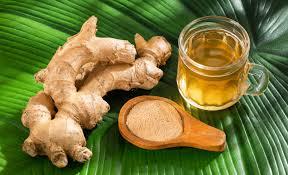
🌱 Ginger: Nature’s Anti-Inflammatory Healer
Ginger is another powerful natural antibiotic with strong anti-inflammatory and antimicrobial properties. Its main compound, gingerol, helps suppress the growth of harmful bacteria and even acts against some drug-resistant strains.
Add fresh ginger to teas, stir-fries, and smoothies to enhance its natural antibiotic effects.
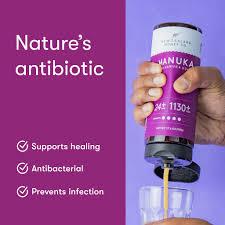
🍯 Honey: Sweet, Soothing, and Antibacterial
Raw honey, especially Manuka honey, is one of nature’s oldest and most effective antibiotics. It works by drawing moisture out of bacterial cells through hydroxyacetone, effectively stopping bacterial growth.
Honey has been used for centuries to heal wounds, treat sore throats, and soothe skin irritations. Replace refined sugar with raw honey in drinks, dressings, or desserts for a natural immunity boost.
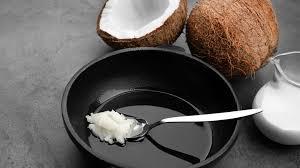
🥥 Coconut Oil: The Antimicrobial Superfood
Coconut oil is rich in lauric acid, a compound with strong antiviral, antibacterial, and antifungal properties. Studies suggest it can kill harmful microbes and support gut health.
Use coconut oil in cooking, baking, or smoothies to naturally protect your body from infections.
✨ Turmeric: The Golden Immunity Booster
Turmeric, known as the “golden spice,” has been used in traditional medicine for thousands of years. Its active ingredient, curcumin, has potent antibacterial and anti-inflammatory effects.
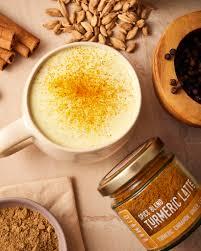
Turmeric is one of the best herbs for strengthening the immune system and preventing infections. Add it to curries, soups, or enjoy a warm turmeric latte as a daily immunity tonic.
🌿 Oregano: More Than Just a Spice
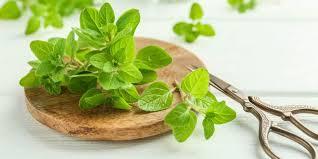
Oregano isn’t just a kitchen staple — it’s a powerful natural antibiotic. The compounds carvacrol and thymol found in oregano oil are known to destroy harmful bacteria and fungi, including E. coli and Salmonella.
Use fresh or dried oregano leaves in your meals, or try oregano oil supplements for stronger antibacterial protection.
🍎 Apple Cider Vinegar: The All-Round Antimicrobial
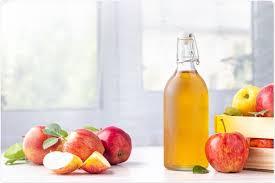
Apple cider vinegar (ACV) has been used for centuries as a natural antibiotic and antifungal agent. Its acetic acid helps fight infections like sore throat, skin irritation, and digestive issues.
Mix a tablespoon of ACV with warm water and honey for a daily detox tonic.
🧅 Onion: The Immune-Boosting Allium
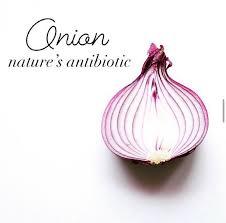
Just like garlic, onions contain sulfur compounds that give them strong natural antibiotic properties. Onions help reduce inflammation, fight bacterial infections, and strengthen the immune system.
Eat them raw in salads, sandwiches, or dips to maximize their healing power.
🍋 Lemon: Vitamin C for Infection Protection
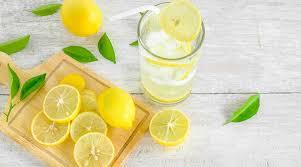
Lemons are packed with vitamin C, an antioxidant that strengthens your immune system and helps your body fight infections. One lemon provides over half your daily vitamin C needs.
Squeeze fresh lemon juice into water, tea, or salads for a refreshing immune boost.
🪔 Myrrh: Ancient Antiseptic With Modern Power
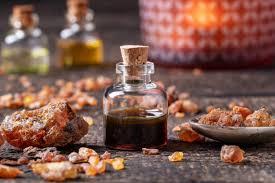
Myrrh, a resin derived from the Commiphora tree, has been prized since ancient times for its antiseptic and healing properties. Recent studies confirm that myrrh contains potent antimicrobial compounds that help fight bacteria and fungi, including antibiotic-resistant pathogens.
Myrrh oil is often used in natural oral care products, wound care, and aromatherapy for its cleansing and protective benefits.
🌿 Thyme Essential Oil: A Potent Antibacterial Powerhouse
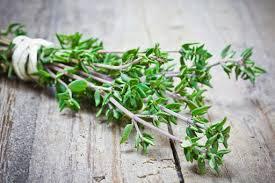
Thyme essential oil is one of the most effective natural antibacterial agents known to science. Its main components, thymol and carvacrol, give it the ability to destroy harmful bacteria and even antibiotic-resistant strains.
Thyme oil has been shown to be effective against respiratory pathogens, skin infections, and food-borne bacteria. Always dilute thyme essential oil with a carrier oil before applying it to the skin, or use it in an aromatherapy diffuser for natural air purification.
🌸 Echinacea: The Immune-Boosting Infection Fighter
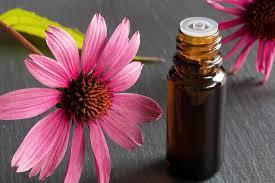
Echinacea, a well-known herbal remedy used by Native American healers for centuries, is celebrated for its antibacterial and antiviral properties. According to research published in 2022, echinacea has demonstrated an antibacterial effect against respiratory bacteria, making it a powerful ally for preventing and treating respiratory tract infections.
Studies also suggest that echinacea may reduce the need for antibiotics, helping to prevent the rise of drug-resistant bacteria. It’s often consumed as a tea, tincture, or supplement to strengthen immune defenses.
🌺 Clove: The Powerful Natural Antibacterial Spice
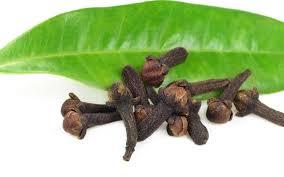
Cloves, the aromatic flower buds of the Syzygium aromaticum tree, are not just a flavorful spice — they are a natural antimicrobial powerhouse.
Recent studies (2020–2023) reveal that clove essential oil has strong inhibitory effects against Staphylococcus aureus, including antibiotic-resistant strains. Its main active compound, eugenol, works as a potent antibacterial and antifungal agent.
You can add ground cloves to teas, curries, and desserts, or use diluted clove oil topically for its antibacterial benefits.
🌰 Cinnamon: Natural Antibiotic and Antifungal Spice
Cinnamon isn’t just a warm, aromatic spice — it’s a potent natural antibiotic with antifungal and antiviral benefits. The compound cinnamaldehyde, found in cinnamon bark, works by damaging bacterial cell membranes, disrupting energy production, and preventing bacterial growth.
Cinnamon has been shown to fight both Gram-positive and Gram-negative bacteria, including E. coli, Salmonella, and MRSA (Methicillin-resistant Staphylococcus aureus).
Add cinnamon to teas, smoothies, or oatmeal to enjoy both flavor and protection.

🌿 Tea Tree Oil: Nature’s Topical Antiseptic
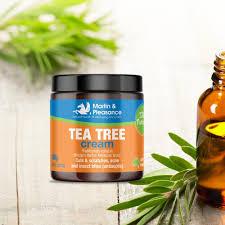
Tea tree oil is a well-known natural antiseptic and antibacterial essential oil, widely used in topical applications. It’s effective against bacteria, fungi, and some viruses, making it ideal for skin infections, acne, athlete’s foot, and minor wounds.
You’ll find tea tree oil in many creams, gels, and skincare products due to its ability to cleanse and heal.
⚠️ Important Precautions
-
Topical Use Only: Tea tree oil is toxic if swallowed and should never be ingested.
-
Dilute Before Use: Undiluted tea tree oil can cause skin irritation or allergic reactions. Mix with a carrier oil (like coconut or olive oil) or water before applying.
⚠️ Important Considerations
-
Consult a healthcare provider: Natural remedies are great for prevention or mild infections, but seek medical advice for serious infections. Remember, they complement, not replace professional medical care. Consult your healthcare provider before starting new herbal treatments, especially for serious infections.
-
Avoid overuse: Overusing antibiotics (both synthetic and natural) can contribute to the development of antibiotic-resistant bacteria.
🌿 Final Thoughts
Incorporate natural antibiotic foods, antimicrobial herbs and essential oils that protect your body, reduce your reliance on synthetic antibiotics, boost immunity, fight infections, and promote natural healing. Nature has provided us with countless remedies — from garlic and ginger to honey and turmeric — that can keep your body strong and protected.
Boost your health naturally and take a proactive step toward long-term wellness!

- News & Current Affairs
- Business & Economy
- Finance & Money
- Education & Learning
- Technology & Innovation
- Science & Environment
- Health & Wellness
- Food & Drink
- Home, Garden & Lifestyle
- Travel & Tourism
- Fashion & Beauty
- Art & Culture
- Entertainment & Media
- Sports & Recreation
- Personal Growth & Lifestyle
- Careers & Work
- Tutorials & How-To Guides
- Real Estate & Property
- Automotive
- Family & Relationships
- Environment & Sustainability
- Law & Legal Matters
- Gaming & Esports
- Religion & Spirituality
- Community & Local Voices
- Miscellaneous

 Arabic
 French
 Spanish
 Portuguese
 Deutsch
 Turkish
 Dutch
Dutch
 Italiano
 Russian
 Romaian
 Portuguese (Brazil)
 Greek
Greek
