


Friendly Garden Bugs: Nature’s Tiny Garden Helpers

When you think of bugs in your garden, your first instinct might be to get rid of them — but not all insects are bad! In fact, many garden bugs are incredibly beneficial, helping your plants grow strong and pest-free. These friendly garden bugs either pollinate your plants or protect them by preying on harmful pests.
Pollinators – The Life of Your Garden
Pollinators play one of the most important roles in any garden — without them, many of our favorite flowers, fruits, and vegetables simply wouldn’t exist. These hardworking creatures — from bees and butterflies to hummingbirds and beetles — keep our gardens blooming and bountiful.
When pollinators visit flowers, they transfer pollen from one blossom to another, helping plants produce seeds and fruit. This natural process not only supports your garden’s growth but also sustains the entire ecosystem around it.
Creating a pollinator-friendly garden is easier than you might think! Choose nectar-rich flowers like lavender, sunflowers, and daisies, and avoid using harmful pesticides. Add a shallow water source, and let a few wild corners stay untouched — pollinators love them.
By supporting pollinators, you’re giving back to nature and ensuring that your garden stays alive, colorful, and full of energy.
Let’s get to know some of these tiny garden heroes and how they help your garden thrive naturally.
🐝 Bees:
Bees are the champions of pollination! They’re essential for the success of many flowering plants, fruits, and vegetables. Without them, our gardens (and food supply) would look very different.

🦋 Butterflies and Moths:
These graceful fliers are not only beautiful to watch, but they also carry pollen from flower to flower, helping a wide range of plants bloom. Some wasps and flies also pitch in as pollinators.

🌸 Hoverflies:
These clever insects do double duty! Adult hoverflies pollinate flowers, while their larvae feed on aphids — making them both pollinators and pest controllers.

🕷️ Predators – Nature’s Pest Control Team
These are the bugs that do the dirty work, keeping pest populations in check so you don’t have to rely on chemical sprays.
To attract more beneficial predators, plant a variety of flowers like marigolds, dill, fennel, and yarrow. Provide small hiding spots like rocks or logs, and avoid using pesticides that can harm them.
Remember — a lively garden full of helpful predators means fewer pests, stronger plants, and a thriving, self-sustaining ecosystem. So let these little warriors do their thing.
So let's get to know some of these garden heroes and how they help your garden keeping pests at bay.
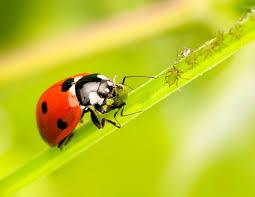
🐞 Ladybugs:
Everyone loves ladybugs — and for good reason! They’re voracious eaters of aphids and can consume hundreds in their lifetime.
🌿 Lacewings:
Both adult lacewings and their larvae feast on soft-bodied pests like aphids and caterpillars.

🦗 Praying Mantises:
These fascinating insects are expert ambush hunters, eating a wide variety of garden pests (and sometimes even each other!).

🌙 Ground Beetles:
These nocturnal hunters feed on slugs, snails, and other soil-dwelling pests that can damage roots and leaves.

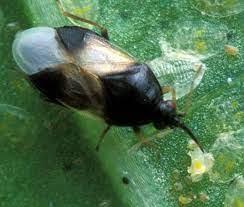
🐜 Minute Pirate Bugs:
Tiny but mighty, these insects prey on thrips and other small pests that attack your plants. They pierce their prey with a needle-like mouthpart and suck out the contents — not exactly a polite meal, but it keeps your garden healthy and pest-free!
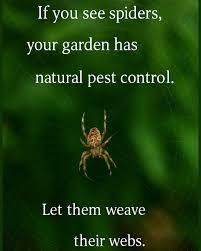
🕸️ Spiders:
Not technically insects, but still essential allies — spiders capture and eat many flying and crawling pests that harm your plants.
🐝 Parasitizers – The Hidden Pest Fighters
Some beneficial insects take pest control to another level. Parasitic insects lay their eggs inside or on harmful pests, and when their larvae hatch, they feed on the host, effectively eliminating the problem from within. It might sound a bit grim, but this natural cycle is one of the most efficient and eco-friendly ways to control pests.
🪰 Parasitoid Wasps:
These tiny wasps are natural enemies of many pests. They lay their eggs in pests like caterpillars and aphids, effectively stopping infestations in their tracks.

🌰 Gall Wasps:
Another type of parasitic wasp, gall wasps help control pest larvae by laying their eggs inside them, naturally reducing pest numbers.

🌿 Final Thoughts
By encouraging beneficial insects to visit and stay in your garden, you create a healthy, balanced ecosystem where nature takes care of itself.
You can attract these helpful bugs by:
🌼 Planting a variety of native flowers
💧 Providing a small water source
🚫 Avoiding chemical pesticides
Your garden will thank you — with more blooms, healthier plants, and fewer pests! 🌻

- News & Current Affairs
- Business & Economy
- Finance & Money
- Education & Learning
- Technology & Innovation
- Science & Environment
- Health & Wellness
- Food & Drink
- Home, Garden & Lifestyle
- Travel & Tourism
- Fashion & Beauty
- Art & Culture
- Entertainment & Media
- Sports & Recreation
- Personal Growth & Lifestyle
- Careers & Work
- Tutorials & How-To Guides
- Real Estate & Property
- Automotive
- Family & Relationships
- Environment & Sustainability
- Law & Legal Matters
- Gaming & Esports
- Religion & Spirituality
- Community & Local Voices
- Miscellaneous

 English
 Arabic
 French
 Spanish
 Deutsch
 Turkish
 Dutch
Dutch
 Italiano
 Russian
 Romaian
 Portuguese (Brazil)
 Greek
Greek
