


Chamomile is a gentle, daisy-like herb that has been trusted for thousands of years as a natural remedy for calming the mind, soothing the body, and supporting overall wellness.
Used by ancient civilizations such as the Egyptians, Greeks, and Romans, chamomile remains one of the most popular herbal remedies worldwide, especially in tea form.
Belonging to the Asteraceae (daisy) plant family, chamomile is known for its small white petals, yellow center, and subtle apple-like aroma. Today, two main varieties are widely used:
- German chamomile (Matricaria chamomilla) – the most common medicinal type
- Roman (English) chamomile (Chamaemelum nobile) – often used for flavoring and aromatherapy

Nutritional & Active Compounds
Although consumed in small amounts, chamomile tea provides beneficial compounds, including:
- Minerals: Potassium, calcium, magnesium, iron, zinc, copper
- Vitamins: Vitamin A and B-complex vitamins
- Antioxidants: Flavonoids and terpenoids
These bioactive compounds contribute to chamomile’s calming, anti-inflammatory, and protective effects.
Uses and Natural Remedies
- Tea: Steep dried flowers or tea bags for relaxation and digestive relief
- Topical oil or lotion: Helps soothe eczema, rashes, and dry skin
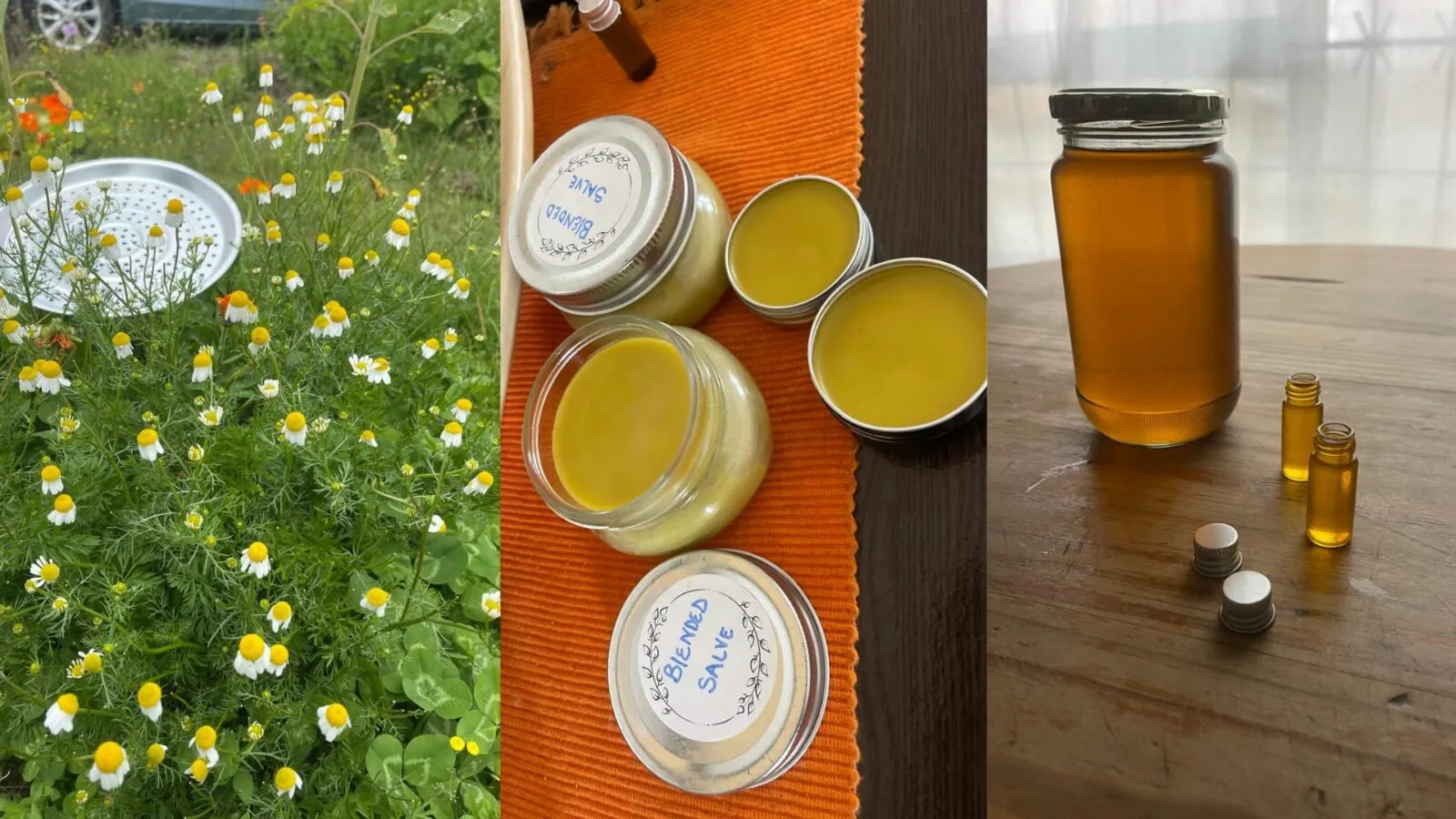
- Cold compress: Reduces facial puffiness and skin irritation
- Gargle or mouthwash: Supports oral and throat health
- Aromatherapy: Inhaled oil helps ease stress and anxiety
Chamomile is also used in food and beverages, including baked goods, soups, dressings, desserts, and herbal drinks.
Health Benefits of Chamomile
Sleep & Relaxation
Chamomile is best known for its calming and mild sedative effects. Compounds such as apigenin, a flavonoid antioxidant, bind to receptors in the brain that help promote relaxation, reduce anxiety, and improve sleep quality.
Digestive Support
Traditionally used to ease digestive discomfort, chamomile may help relieve:
- Stomach cramps
- Gas and bloating
- Indigestion
- Acid reflux
- Nausea and upset stomach
It has also been used as a supportive remedy for IBS and other gastrointestinal disturbances.
Skin Health & Healing
When applied topically, chamomile may help calm irritated skin and support healing. It is commonly used for:
- Eczema and rashes
- Acne and minor infections
- Burns and mouth sores
- Psoriasis and allergic skin reactions
Some early research suggests chamomile may be nearly as effective as low-dose hydrocortisone cream for eczema.
Anti-Inflammatory & Pain Relief
Chamomile’s natural anti-inflammatory properties may help reduce:
- Menstrual cramps
- Arthritis discomfort
- General inflammation and muscle soreness
Immune, Heart & Blood Sugar Support
Chamomile contains antioxidants that may support immune health and help regulate cholesterol and blood sugar levels, although more research is still needed.

Dosage & Forms
Chamomile is available as:
- Tea
- Capsules and tablets
- Liquid extracts
- Essential oils
- Creams and ointments
There is no universal dosage, as effectiveness depends on the form used. Tea is the most common and gentle option. Supplements often range from 250–1,200 mg daily, depending on the product.
Safety, Side Effects & Precautions
Chamomile is generally considered safe, but caution is advised for some individuals.
Possible side effects include:
- Drowsiness
- Nausea at high doses
- Skin irritation or allergic reactions
Avoid if you:
- Are allergic to ragweed, daisies, marigolds, or chrysanthemums
- Take blood-thinning medications
- Are pregnant or nursing
- Are preparing for surgery
Chamomile may interact with sedatives, antidepressants, anti-seizure medications, NSAIDs, and certain supplements such as garlic, ginkgo, valerian, and St. John’s wort.
Always consult a healthcare professional before long-term or high-dose use, and speak to a pediatrician before giving chamomile to children.
Final Thoughts
Chamomile is one of nature’s most time-honored calming herbs, valued for its gentle support of sleep, digestion, skin health, and stress relief. While modern research is still catching up to centuries of traditional use, chamomile remains widely regarded as safe and soothing when used appropriately.
As with any herbal remedy, moderation and informed use are key. When incorporated mindfully, whether as a warm evening tea, a calming oil, or a skin-soothing lotion, chamomile can be a simple, natural addition to a balanced wellness routine.