


Nando Parrado: Survival, Sacrifice, and the Will to Walk Forward
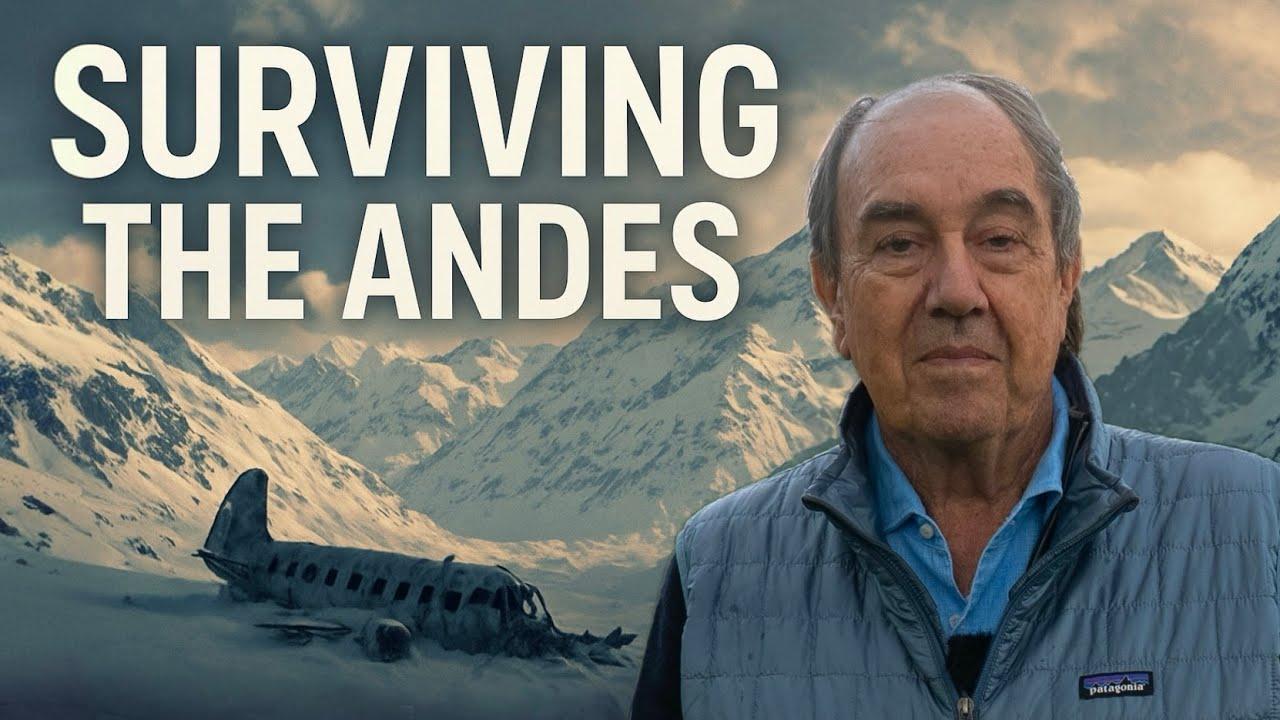
In October 1972, a chartered flight carrying a Uruguayan rugby team, their friends, and family crashed high in the Andes Mountains. What followed was 72 days of unimaginable hardship, freezing temperatures, starvation, avalanches, and decisions no human being ever expects to face.
From that wreckage emerged one of the most extraordinary survival stories in modern history.
At the center of it was 22-year-old Nando Parrado.
The Crash That Changed Everything
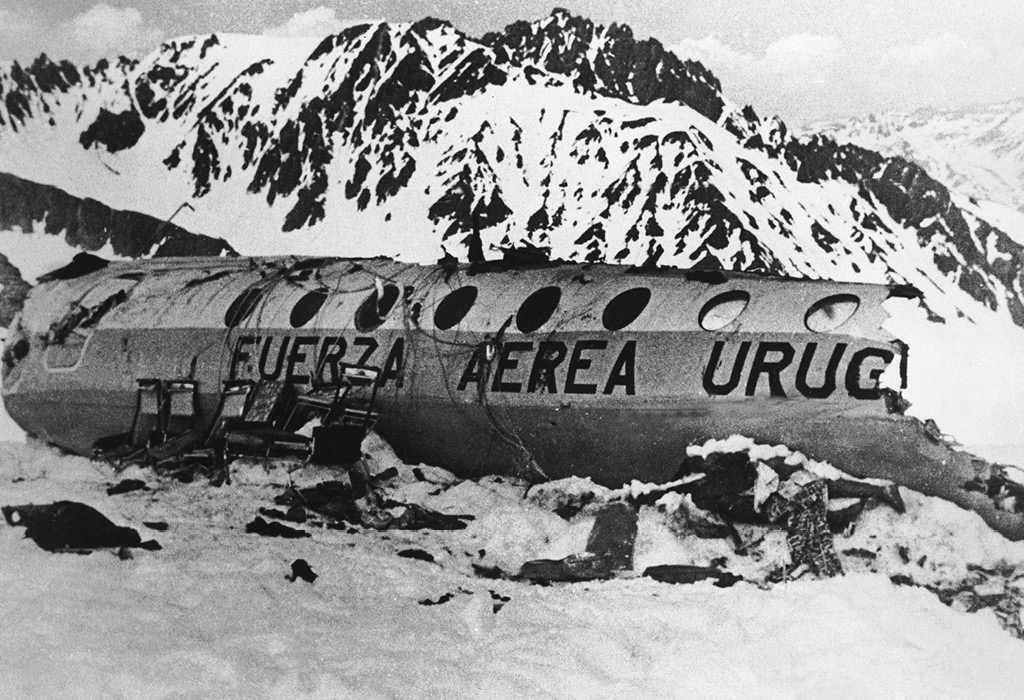
On Friday, 13 October 1972, Uruguayan Air Force Flight 571 struck a mountain ridge in the Andes after a navigational error. Of the 45 people on board, many died instantly. Others would die in the days and weeks that followed.
Parrado survived, but only just.
He had been unconscious for three days, left in the snow and presumed dead. When he finally opened his eyes inside the mangled fuselage, he learned devastating news: his mother had died in the crash. His sister Susy was gravely injured and would pass away days later in his arms.
The group was stranded more than 3,500 metres above sea level, surrounded by endless snow and mountains. Temperatures dropped to -35°C. Rescue teams searched, and then stopped.
They were alone.
Learning to Survive the Impossible
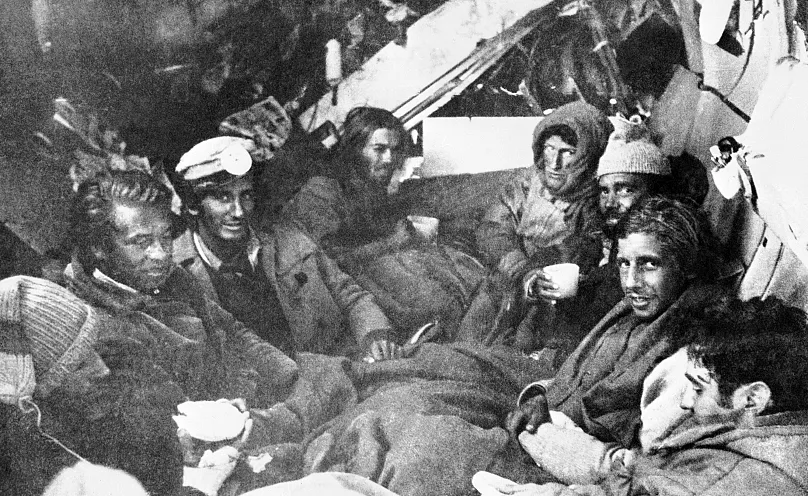
At that altitude, thirst became torture. Snow had to be melted for water. Food was almost nonexistent, a few chocolates, nuts, and scraps. Within days, starvation loomed.
Then came the most controversial and painful decision of their lives: to survive, they would have to eat from the bodies of those who had died.
Parrado has always spoken about this without defensiveness or shame. For him, it was a simple equation of survival.
“Not knowing when you’re going to eat again is the worst fear of a human being.”
Eleven days after the crash, a radio broadcast announced the search had been called off.
Hope had to be created, not waited for.
Avalanche and Awakening
Just over two weeks after the crash, an avalanche buried the fuselage. Eight more died. The survivors were trapped under snow for four days, unsure whether they had air left to breathe.
When they finally dug their way out, Parrado understood something clearly: no one was coming.
If they were going to live, they would have to walk out.
The Walk That Redefined Survival
On day 61, Parrado and fellow survivor Roberto Canessa left the wreckage behind. They believed Chile lay just beyond the nearest ridge.
They were wrong.
From the summit, Parrado saw nothing but endless peaks stretching into the horizon. What they thought was five kilometres was closer to 80.
That moment could have broken him.
Instead, it strengthened him.
For 10 days, they trekked more than 37 miles through brutal terrain, descending into valleys, following rivers, searching for any sign of life. Eventually, they spotted cattle and then men across a river.
Using a note tied to a rock, they alerted farmers to their situation.
Help finally came.
The Miracle — and the Aftermath
On 22 December 1972, helicopters rescued the remaining survivors. Sixteen people walked off the mountain alive.
Newspapers called it The Miracle of the Andes.
Parrado sees it differently.
To him, it was the effort of young men who trusted one another beyond imagination.
After returning home to Uruguay, life was anything but simple. He had lost 45kg. He had lost his mother and sister. He faced global attention, media frenzy, and moral judgment over the choices made to survive.
Yet he never felt guilt.
Instead, the survivors founded Fundación Viven, promoting organ donation and honoring those who died. In their words, they had already “donated their bodies” to keep others alive.
A Life Built After Death
Parrado went on to build a remarkable life. He ran a television production company, helped grow his family’s hardware business, raced cars, and became a father and grandfather.
He insists the Andes do not define him.
What defines him is what came after.
Each year on 22 December, he gathers with his fellow survivors, their “second birthday,” as they call it. In recent years, the group counted 147 people alive because they survived and returned home.
“This is a story of life,” Parrado says.
He has visited the crash site multiple times. His father, who made the pilgrimage 18 times, is now buried there alongside Parrado’s mother and sister, beneath a steel cross surrounded by the vast Andes.
The mountains that nearly killed him now hold his family.
Lessons from the Andes
Parrado never describes himself as motivational. Yet his perspective reshapes how we see fear, death, and decision-making.
He doesn’t say he conquered death.
He says he accepted it, and kept walking anyway.
When faced with difficult choices in business or life, he often thinks back:
“Compared to the decisions I took up there, this is a joke.”
He claims he has never had a nightmare about the Andes in 51 years.
Instead, he wakes each day grateful to breathe.
Final Thoughts
Nando Parrado’s story is not just about survival. It is about:
- Trust beyond fear
- Leadership born from necessity
- Sacrifice made in love
- And the courage to move forward when turning back means death
He left the mountain without knowing if he would ever see a future.
Today, when he looks at his wife, daughters, and grandchildren, he sees what he calls the true miracle.
Not that he survived.
But that he walked.

- News & Current Affairs
- Business & Economy
- Finance & Money
- Education & Learning
- Technology & Innovation
- Science & Environment
- Health & Wellness
- Food & Drink
- Home, Garden & Lifestyle
- Travel & Tourism
- Fashion & Beauty
- Art & Culture
- Entertainment & Media
- Sports & Recreation
- Personal Growth & Lifestyle
- Careers & Work
- Tutorials & How-To Guides
- Real Estate & Property
- Automotive
- Family & Relationships
- Environment & Sustainability
- Law & Legal Matters
- Gaming & Esports
- Religion & Spirituality
- Community & Local Voices
- Miscellaneous

 English
 Arabic
 French
 Spanish
 Portuguese
 Deutsch
 Turkish
 Dutch
Dutch
 Italiano
 Romaian
 Portuguese (Brazil)
 Greek
Greek
