


Understanding Addison's disease: A Simple Guide
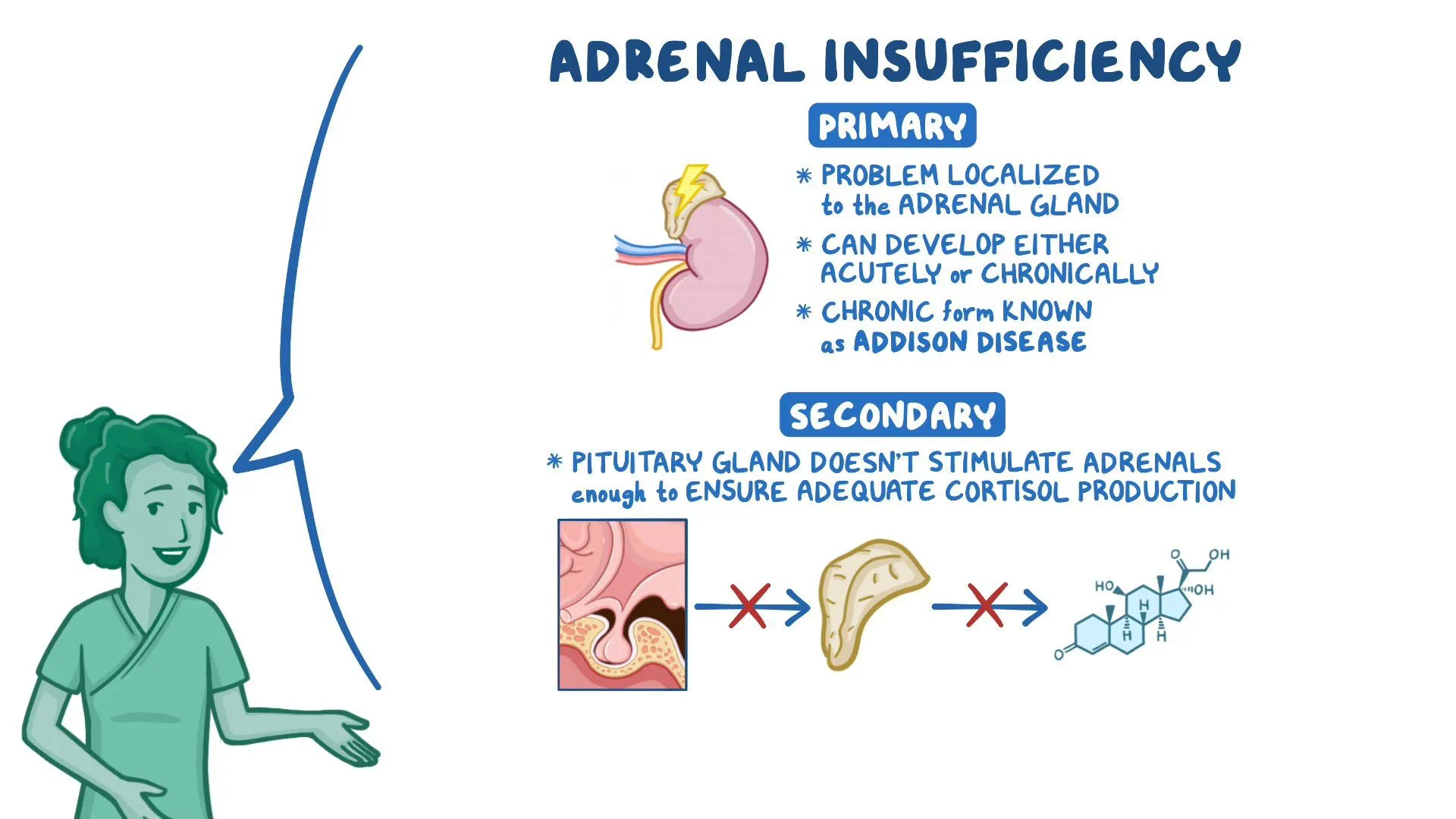
Addison’s disease, also known as primary adrenal insufficiency, is a rare but serious condition where the adrenal glands don’t produce enough essential hormones, mainly cortisol and aldosterone. These hormones play a key role in regulating stress, blood pressure, and overall body balance.
Because the condition develops slowly, symptoms often go unnoticed until the disease is more advanced.
What Causes Addison’s Disease?
The most common cause is an autoimmune response, where the body’s immune system mistakenly attacks the adrenal glands. Other possible causes include:
- Infections such as tuberculosis
- Tumors affecting the adrenal glands
- Bleeding or damage to the glands
- Long-term use of steroid medications (leading to secondary adrenal issues)
Signs and Symptoms
Symptoms tend to develop gradually and may include:
- Persistent fatigue and muscle weakness
- Unexplained weight loss
- Nausea, vomiting, or abdominal pain
- Low blood pressure (especially when standing)
- Dizziness or fainting
- Salt cravings
- Darkening of the skin (hyperpigmentation), especially on scars, joints, and skin folds
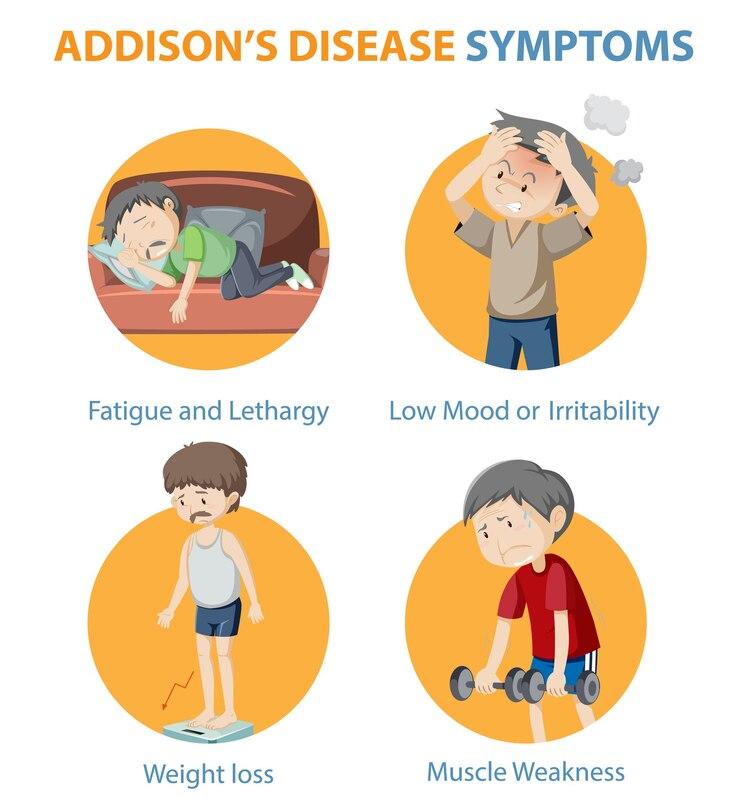
Because these symptoms are quite general, the condition is often misdiagnosed in its early stages.
How Is It Diagnosed?
Doctors use a combination of tests to confirm Addison’s disease, including:
- Blood tests to measure cortisol and aldosterone levels
- ACTH stimulation test to check adrenal response
- Electrolyte tests (low sodium, high potassium)
- Antibody tests to detect autoimmune causes
Understanding an Adrenal Crisis
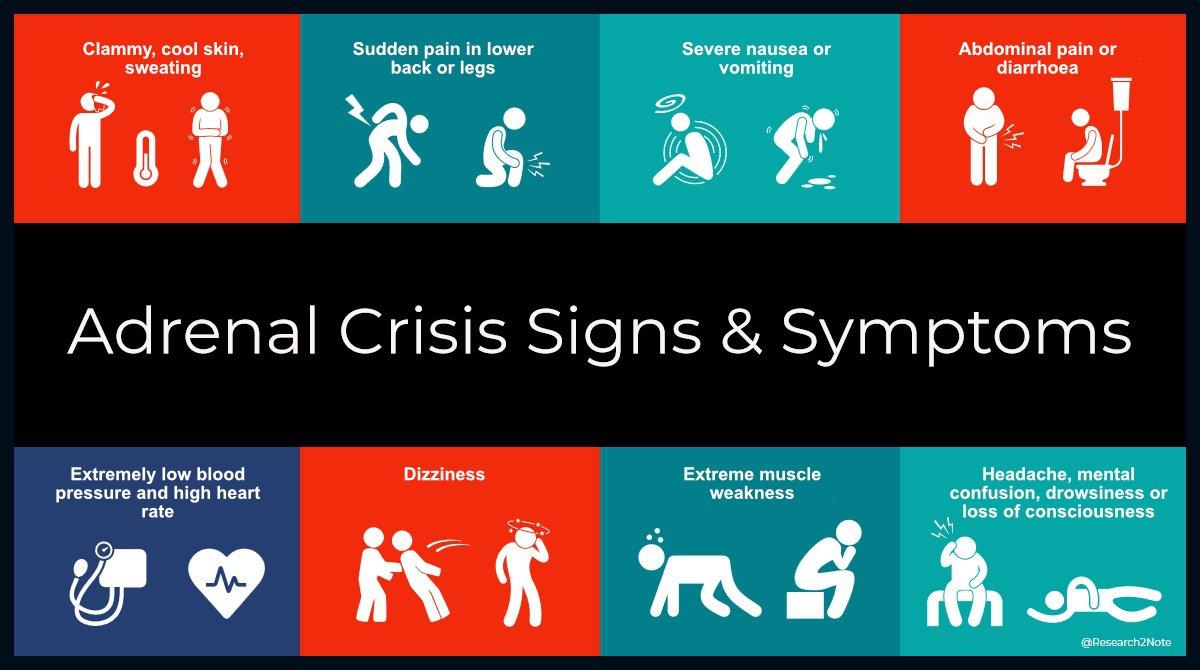
An adrenal crisis (also called an Addisonian crisis) is a life-threatening emergency that can occur if hormone levels drop too low, especially during stress, illness, or injury.
Warning signs include:
- Severe weakness or confusion
- Intense abdominal or back pain
- Vomiting and dehydration
- Very low blood pressure
- Loss of consciousness
Immediate medical treatment is critical in these situations.
Living Well with Addison’s Disease
Treatment
Although Addison’s disease is lifelong, it is manageable with proper treatment. This usually includes:
- Hormone replacement therapy
- Cortisol: medications like hydrocortisone or prednisone
- Aldosterone: fludrocortisone
With consistent treatment, most people live full, normal lives.
Managing Addison’s disease involves daily awareness and preparation:
- Take medications exactly as prescribed
- Never skip doses
- Increase medication during illness (as advised by a doctor)
- Wear a medical alert bracelet
- Keep emergency medication accessible
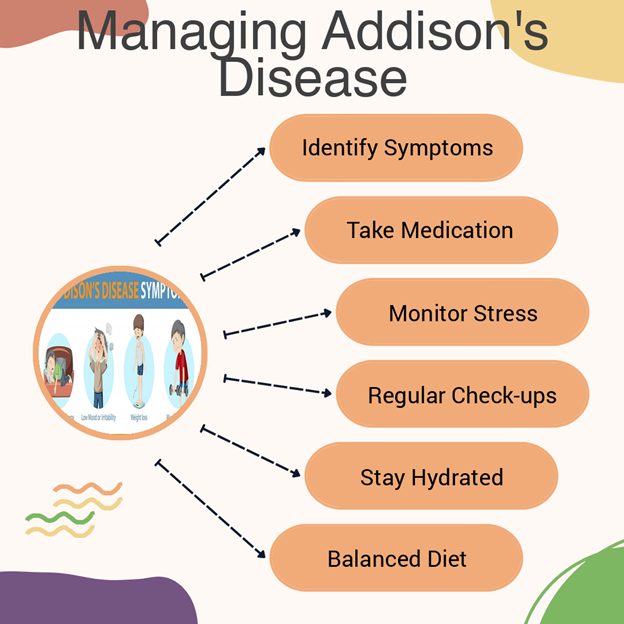
Regular follow-ups with a healthcare provider are essential to stay healthy and avoid complications.
Natural Support for Addison's disease
While medical treatment is essential for managing Addison’s disease, certain natural and lifestyle approaches can help support overall well-being. These methods should always be used alongside prescribed treatment, not as a replacement and under the guidance of a healthcare professional.
Diet
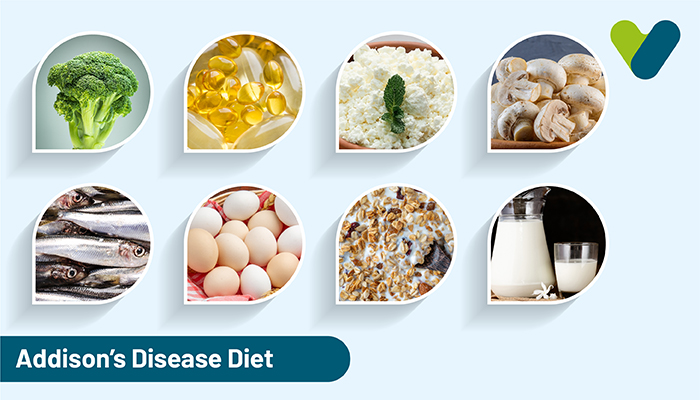
A balanced, nutrient-rich diet plays a key role in supporting energy levels and overall health:
- Increase Sodium Intake
People with low aldosterone may benefit from a higher salt intake, especially during hot weather, illness, or physical activity.
- Focus on Whole, Nutrient-Dense Foods
Include lean proteins, healthy fats (like olive oil, avocado, and fish), and complex carbohydrates to maintain stable energy.
- Support Bone Health
Long-term steroid use can weaken bones, so prioritize calcium and vitamin D through foods like dairy products, leafy greens, and fatty fish.
- Limit Processed Foods and Stimulants
Reduce refined sugars, processed foods, and excess caffeine or alcohol, which can place additional stress on the body.
- Stay Well Hydrated
Drink plenty of water and consider natural electrolyte sources like coconut water to maintain balance.
Managing Stress Effectively
Stress can increase the body’s demand for cortisol, so managing it is especially important:
- Mindfulness Practices
Activities like meditation, yoga, and deep breathing can help calm the body and mind.
- Prioritize Quality Sleep
Aim for 7–9 hours of restful sleep each night to support recovery and hormone balance.
- Gentle, Regular Exercise
Low-impact activities such as walking or swimming can boost mood and energy without overexertion.
Supplements (With Medical Guidance Only)
Certain supplements may offer additional support but should always be taken under professional supervision:
- Adaptogenic Herbs
Ashwagandha, rhodiola, holy basil, and eleuthero may help the body cope with stress.
- Essential Vitamins and Minerals
Vitamin C, B vitamins, and magnesium support overall adrenal and immune health.
- Licorice Root
May help maintain cortisol levels but must be used cautiously due to its effects on blood pressure and potassium.
Natural remedies can be helpful for improving quality of life, but they must not replace prescribed hormone therapy. Always consult your healthcare provider before making any dietary or supplement changes.
Final Thoughts
Addison’s disease may be rare, but early recognition and proper treatment make a huge difference. While it can be life-threatening if untreated, modern medicine allows people with this condition to lead active, fulfilling lives. Understanding the symptoms and staying consistent with treatment is the key to long-term health and safety.
By focusing on proper nutrition, stress management, and guided supplementation, individuals can improve their energy, resilience, and overall quality of life, safely and effectively.


- News & Current Affairs
- Business & Economy
- Finance & Money
- Education & Learning
- Technology & Innovation
- Science & Environment
- Health & Wellness
- Food & Drink
- Home, Garden & Lifestyle
- Travel & Tourism
- Fashion & Beauty
- Art & Culture
- Entertainment & Media
- Sports & Recreation
- Personal Growth & Lifestyle
- Careers & Work
- Tutorials & How-To Guides
- Real Estate & Property
- Automotive
- Family & Relationships
- Environment & Sustainability
- Law & Legal Matters
- Gaming & Esports
- Religion & Spirituality
- Community & Local Voices
- Miscellaneous

 English
 Arabic
 French
 Spanish
 Portuguese
 Deutsch
 Turkish
 Dutch
Dutch
 Italiano
 Romaian
 Portuguese (Brazil)
 Greek
Greek
