


Aloe ferox (Bitter Aloe): South Africa’s Powerful Medicinal Succulent

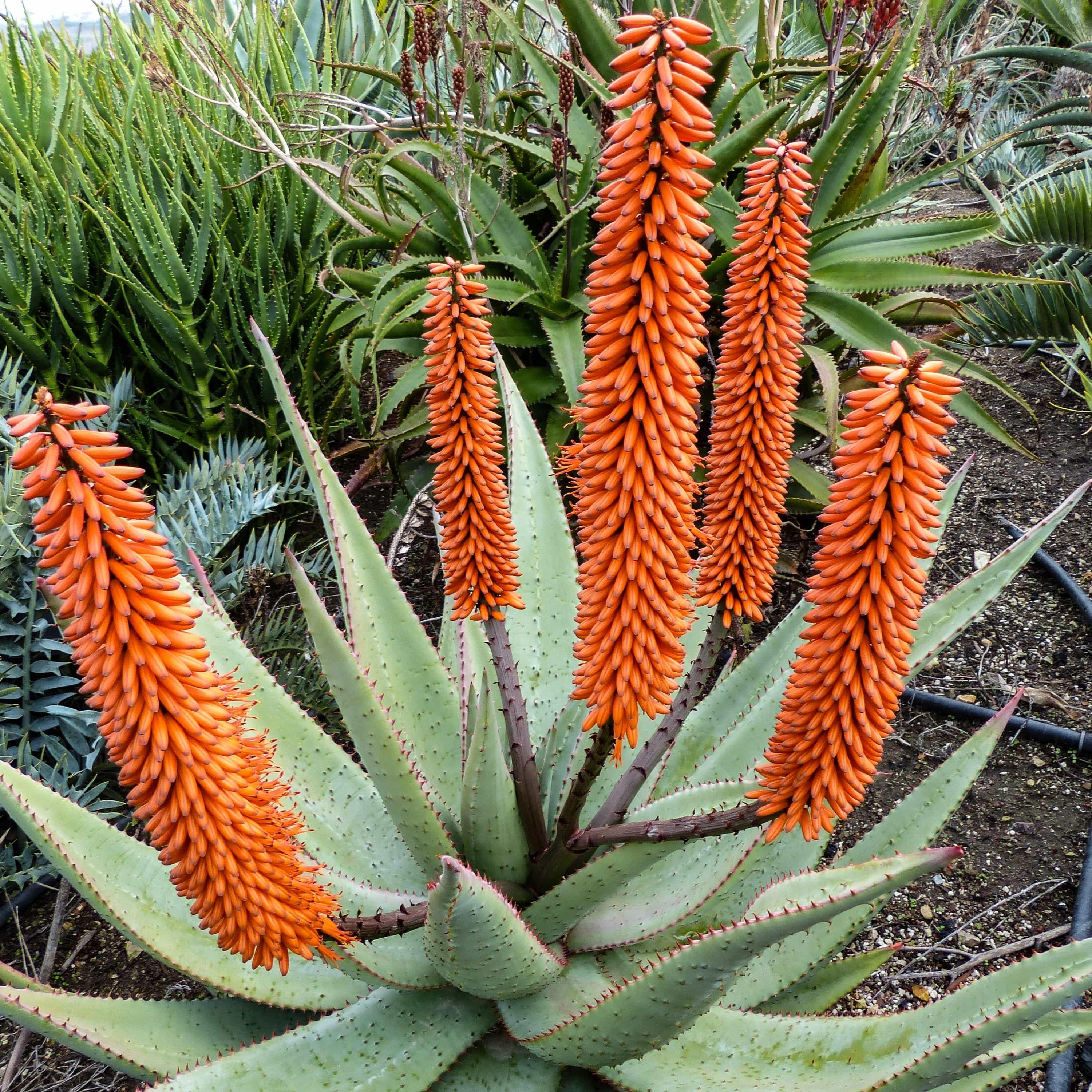
Aloe ferox, commonly known as bitter aloe or Cape aloe, is a potent medicinal plant native to South Africa. Traditionally used for centuries, it is valued for its strong therapeutic properties in skincare and digestive health.
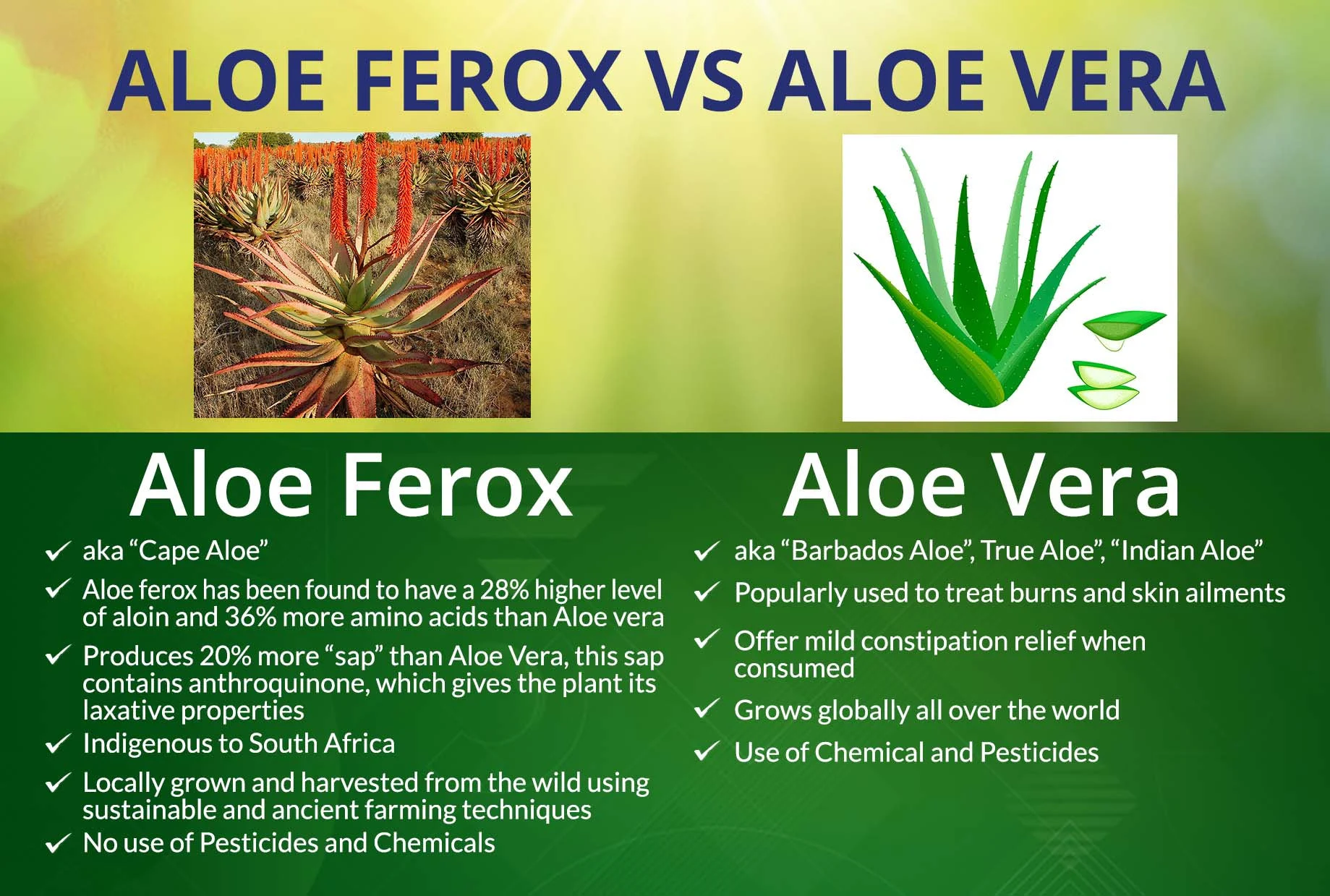
Compared to Aloe vera, Aloe ferox contains significantly higher levels of bitter sap (aloin) and a rich concentration of amino acids and active compounds, making it a more powerful, but also more intense, natural remedy.
Nutritional & Active Compounds
Aloe ferox contains over 75–130 active substances, including:
- Vitamins: A, C, E, B12, folic acid, choline
- Minerals: Calcium, magnesium, selenium
- Amino acids
- Enzymes: Lipase and amylase (support digestion)
- Anthraquinones: Responsible for its laxative effect
- Polysaccharides & antioxidants
These compounds contribute to its antimicrobial, antiviral, and anti-inflammatory properties.
Topical & Skincare Benefits
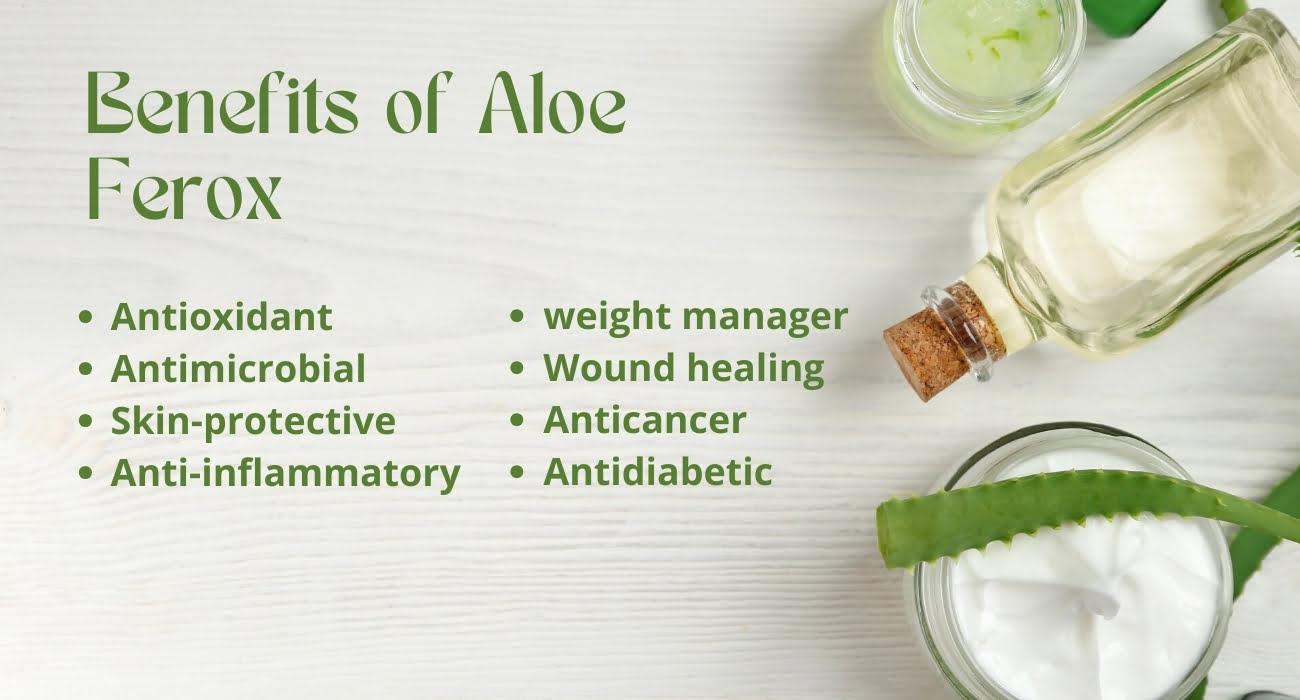
The clear inner gel of Aloe ferox penetrates deeply into the skin, helping to hydrate, repair, and soothe.
Skin Repair & Healing
- Supports healing of burns and sunburn
- Helps soothe cuts, scrapes, and bruises
- Offers antimicrobial and antifungal properties
Anti-Aging & Rejuvenation
- Stimulates collagen and elastin production
- Improves skin elasticity
- May reduce the appearance of fine lines and wrinkles
Skin Conditions
- May relieve symptoms of acne
- Helps soothe eczema, psoriasis, and dermatitis
- Reduces redness and irritation due to its anti-inflammatory action
As first aid, the fresh gel from a broken leaf can be applied directly to minor cuts or insect bites for soothing relief.
Internal & Medicinal Uses
Aloe ferox contains two key components:
- Clear inner gel (soothing and hydrating)
- Yellow bitter sap (aloin) just beneath the rind, which has strong laxative effects
Digestive Health
The bitter sap acts as a natural purgative, stimulating bowel movement by increasing water in the intestines and enhancing peristalsis. It is traditionally used for severe constipation.
Detox & Immune Support
- Supports liver and gallbladder detoxification
- May enhance immune function
Metabolic Health
Some studies suggest Aloe ferox may help:
- Reduce body weight and BMI
- Lower fasting blood glucose
- Reduce LDL (“bad”) cholesterol
Pain & Inflammation
Its anti-inflammatory compounds may help ease joint pain and arthritic discomfort.
Safety & Precautions
Because Aloe ferox is powerful, it must be used carefully.
- Not recommended during pregnancy or breastfeeding
- Avoid in cases of Crohn’s disease, appendicitis, or acute intestinal inflammation
- Long-term use may lead to an atonic colon
- May cause severe cramping or diarrhoea
- Always consult a healthcare professional before internal use
Natural does not always mean mild, Aloe ferox is significantly stronger than Aloe vera.
Final Thoughts
Aloe ferox is one of South Africa’s most remarkable medicinal plants. From soothing sunburn to supporting digestion, its benefits are wide-ranging and deeply rooted in traditional use.
However, due to its potent laxative compounds, internal use should be approached with caution and professional guidance. When used responsibly, Aloe ferox can be a valuable addition to natural skincare and short-term digestive support.
As with all herbal remedies, informed and balanced use is key.

- News & Current Affairs
- Business & Economy
- Finance & Money
- Education & Learning
- Technology & Innovation
- Science & Environment
- Health & Wellness
- Food & Drink
- Home, Garden & Lifestyle
- Travel & Tourism
- Fashion & Beauty
- Art & Culture
- Entertainment & Media
- Sports & Recreation
- Personal Growth & Lifestyle
- Careers & Work
- Tutorials & How-To Guides
- Real Estate & Property
- Automotive
- Family & Relationships
- Environment & Sustainability
- Law & Legal Matters
- Gaming & Esports
- Religion & Spirituality
- Community & Local Voices
- Miscellaneous

 English
 Arabic
 French
 Spanish
 Portuguese
 Deutsch
 Dutch
Dutch
 Italiano
 Russian
 Romaian
 Portuguese (Brazil)
 Greek
Greek
